
If you’re considering bringing home pet geese or already have some feathered friends, proper care is crucial to ensure their well-being. However, taking care of geese can be intimidating for beginners. With the right guidance, you’ll be able to provide your pets with a happy and healthy life. This article will cover the essential aspects of goose care, including housing, diet, health, socialization, and introducing them to new environments. We’ll also share expert tips on basic commands for handling and common mistakes to avoid when caring for geese. Whether you’re just starting out or looking for ways to improve your current care routine, this comprehensive guide will provide you with everything you need to know to give your geese the best possible life.
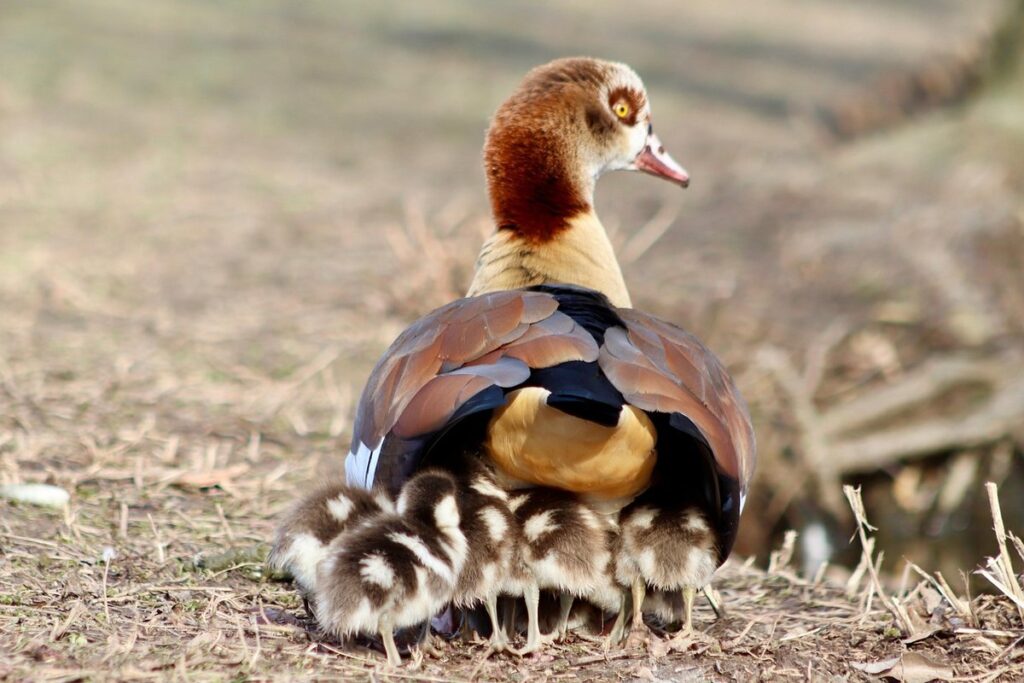
Understanding Geese Behavior and Needs
To truly care for your geese, it’s essential to understand their unique behavior patterns and specific needs that set them apart from other birds. We’ll break down these crucial aspects next.
Getting to Know Your Pet Goose
As you embark on caring for your pet goose, it’s essential to understand their behavior, temperament, and basic needs. Geese are social animals that thrive on interaction with their human family members. They can become quite attached to their owners, but they also require space and exercise to maintain their physical and mental health.
Understanding the basics of geese behavior is crucial for providing proper care. For instance, geese are known to be loud, and they honk frequently to communicate with each other and assert dominance. Be prepared for early morning wake-up calls and occasional loud outbursts when they feel threatened or sense potential danger.
Geese also have a strong instinct to follow a leader, which is why introducing them to a companion animal can be beneficial. However, this also means that they can become aggressive if not socialized properly. It’s essential to supervise interactions between geese and other animals, especially in the early stages of ownership.
To get to know your pet goose better, spend quality time with them outdoors, engaging in activities like walking or playing. Pay attention to their body language, noting any changes in behavior that may indicate health issues or stress. By understanding your pet goose’s unique personality, you’ll be able to tailor your care and create a happy, harmonious relationship with your feathered companion.
Identifying Goose Breed Types
When it comes to choosing a goose breed, selecting one that suits your needs and experience level is crucial. As a beginner, you’ll want to consider breeds known for their docility, ease of handling, and adaptability to small spaces.
One popular choice for beginners is the Toulouse goose. These birds are known for their calm temperament, gentle nature, and relatively small size (about 10-12 pounds). They’re also easy to handle and can thrive in smaller yards or even urban settings. Another great option is the Embden goose, which is friendly, curious, and relatively low-maintenance.
Some breeds, like the Sebastopol geese, are better suited for experienced owners due to their energetic nature and larger size (about 15-20 pounds). These birds require more space, exercise, and specialized care. It’s essential to research and understand the specific needs of each breed before making a decision.
Ultimately, choosing the right goose breed will depend on your lifestyle, available space, and personal preferences. By considering these factors and doing your research, you can select a bird that will thrive under your care and provide years of companionship and entertainment.
Setting Up a Safe and Healthy Environment
When setting up your goose habitat, creating a safe and healthy environment is crucial to ensure their well-being and prevent potential health issues from arising. Let’s explore some essential considerations for a happy and thriving flock.
Providing Suitable Housing for Geese
When it comes to providing suitable housing for geese, there are several key considerations to keep in mind. First and foremost, you’ll need to ensure that the enclosure provides adequate space for your geese to move around comfortably. A good rule of thumb is to provide at least 10-15 square feet of space per bird inside the coop, with an additional 10-20 square feet of outdoor run.
In terms of ventilation, it’s essential to make sure that air can circulate freely within the enclosure. This will help prevent the buildup of ammonia and other noxious fumes from your geese’s droppings. A well-designed coop should have windows and vents on opposite sides to allow for cross-ventilation.
When choosing a coop or enclosure, consider investing in one made from durable, predator-resistant materials such as metal or heavy-duty plastic. Geese are natural prey animals and can be vulnerable to predators like coyotes, foxes, and hawks. Make sure the enclosure is secure and protected with sturdy fencing, at least 3 feet high around the perimeter.
Creating a Balanced Diet Plan for Geese
When it comes to creating a balanced diet plan for geese, it’s essential to understand their nutritional needs. Geese are herbivores and require a diet rich in fiber, vitamins, and minerals. A good starting point is to provide high-quality commercial feed specifically formulated for waterfowl or geese. This should be supplemented with fresh fruits and vegetables daily, such as leafy greens like kale and spinach.
However, there are common mistakes to avoid when it comes to feeding your geese. For example, bread and other starchy treats can cause digestive issues and lead to obesity. It’s also crucial to provide access to fresh water at all times, changing the water frequently to prevent bacterial growth. Geese should have regular opportunities for foraging as well, allowing them to graze on grass and plants in a controlled environment.
In terms of treats, geese can benefit from small amounts of healthy snacks like oats, barley, or sunflower seeds. But remember to introduce new foods gradually to prevent digestive upset. By following these guidelines and tailoring your goose’s diet to their individual needs, you’ll be well on your way to creating a balanced plan that keeps them happy and healthy.
Health Care and First Aid for Geese
When it comes to your feathered friend’s well-being, knowing how to provide proper health care and first aid is crucial. This section will walk you through the essentials of tending to your goose’s medical needs.
Recognizing Common Health Issues in Geese
As a beginner goose owner, it’s essential to recognize common health issues that can affect these magnificent birds. Respiratory problems are one of the most prevalent concerns for geese. Watch out for symptoms such as labored breathing, wheezing, or a rattling sound while they breathe. Infections like avian cholera or air sac mites can cause respiratory distress.
Parasites, such as lice, fleas, and ticks, can infest geese, causing discomfort, anemia, and even disease transmission. Regular checks for these unwanted guests are crucial. Be on the lookout for excessive scratching, feather loss, or actual parasites visible on your goose’s plumage.
Diseases like avian pox, bacterial infections, or internal parasites (like worms) can also impact geese health. Monitor your birds’ behavior, appetite, and droppings. Early warning signs include lethargy, loss of appetite, diarrhea, or a decrease in egg production. Regular veterinary check-ups, proper nutrition, and hygiene practices will help prevent these issues.
Basic First Aid Techniques for Geese Wounds
When it comes to treating wounds on your geese, prompt attention is crucial. Geese can be prone to injuries from fighting, accidents, or even sharp objects they may have encountered while foraging. A minor cut or scrape left untreated can quickly become infected and lead to more serious health issues.
To provide proper care for a wounded goose, it’s essential to stop any bleeding first by applying gentle pressure with a clean cloth or gauze. Avoid using tourniquets as they can cause further damage to the bird’s delicate veins. Once the bleeding has subsided, inspect the wound carefully and remove any debris or dirt that may be present.
For minor cuts and scrapes, you can apply an antibiotic ointment and cover the area with a bandage to keep it clean and promote healing. However, if the wound is deep or shows signs of infection, such as redness, swelling, or discharge, seek veterinary attention immediately. Regular monitoring of your geese’s health and being prepared for emergencies will help prevent minor issues from becoming major problems.
Socialization, Training, and Safety Considerations
When it comes to caring for your geese, socialization, training, and safety considerations are essential for a harmonious and secure environment. We’ll guide you through these critical aspects of goose care in this next section.
Introducing Your Goose to New Environments
When introducing your goose to new environments, it’s essential to prioritize their well-being and safety. Sudden changes can be overwhelming for geese, leading to stress and anxiety. Start by gradually exposing your goose to new surroundings, people, and animals. Begin with short visits to a nearby park or friend’s yard, allowing your goose to become familiar with the sights, sounds, and smells.
When meeting new people, keep interactions calm and gentle. Allow individuals to approach your goose at their own pace, and avoid forcing interaction. Reward your goose with treats for remaining calm around strangers. If introducing multiple animals, do so in a controlled environment where they can’t fight or cause harm. Monitor body language closely; if you notice aggression or fear, intervene promptly.
Remember, socialization is an ongoing process. Provide regular opportunities for your goose to interact with various people and environments, helping them become confident and adaptable. By doing so, you’ll strengthen the bond between you and your feathered companion, ensuring a happy and harmonious relationship.
Teaching Basic Commands and Handling Geese
When it comes to teaching basic commands and handling geese, patience and consistency are key. Geese can be strong-willed, so it’s essential to establish a bond with them from an early age. Start by choosing a quiet area free from distractions where your goose feels comfortable.
To begin with leash training, attach a leash to the goose’s harness or halter, ensuring it fits snugly but not too tightly. Begin with short sessions, gradually increasing duration as the goose becomes more accustomed to wearing the leash. Hold the leash gently but firmly, allowing the goose to move freely while maintaining control.
Remember, establishing trust is crucial when calling your geese. Start by using a consistent command, such as ‘come,’ and rewarding them with treats when they respond promptly. This process requires time and effort; don’t expect immediate results. With persistence and patience, your geese will learn to associate the command with coming to you.
Gentle restraint is also an essential aspect of handling geese. Practice lifting and supporting their wings without causing discomfort or stress. Always supervise interactions between multiple geese and ensure safe separation during handling sessions.
Maintaining a Clean and Sanitary Environment
To keep your geese happy and healthy, maintaining a clean and sanitary environment is crucial. This includes regularly cleaning their enclosure and providing access to fresh water at all times.
Cleaning Coop and Enclosures Regularly
Cleaning your goose coop and enclosures regularly is crucial to prevent disease spread and maintain a healthy environment for your birds. Set a schedule to clean the coop at least once a week, taking into account factors like weather and the number of geese you have.
Disinfect all surfaces with a solution of 1 part bleach to 10 parts water, making sure to scrub away any stubborn stains or debris. Rinse thoroughly with fresh water to remove any residue. For tougher messes, consider using a disinfectant specifically designed for animal enclosures. Be sure to wear gloves and ventilate the area while cleaning.
To maintain a clean environment, collect droppings daily and remove soiled bedding materials like sawdust or straw. Replace them with fresh material, ensuring there’s enough depth (about 2-3 inches) to absorb moisture. Also, inspect the coop regularly for signs of wear and tear, broken windows, or damaged roofs that could compromise air quality.
Remember to wash your hands thoroughly after handling cleaning solutions, geese droppings, or their living environment. Cleanliness is key in preventing disease transmission among your flock.
Managing Waste and Manure Removal
Managing waste and manure removal is an essential aspect of goose care that’s often overlooked by beginners. Proper disposal not only maintains a clean environment but also prevents the spread of diseases. Here are some key considerations:
When it comes to storing waste, you’ll want to keep it away from water sources and children. A secure, covered bin or enclosure with good ventilation is ideal. Be sure to empty it regularly, ideally daily during peak breeding seasons. Consider using a tarp or mat to contain spills and make cleaning easier.
In terms of disposal, recycling or composting manure can be an excellent option. This not only reduces waste but also creates nutrient-rich fertilizer for your garden. You can add water-soluble vitamins or minerals to the mixture to enhance its nutritional value. For instance, you can mix equal parts of manure and aged straw, letting it decompose before applying it to your soil.
Composting manure requires patience, but it’s a valuable skill to master. If you’re new to composting, start small by mixing in other organic materials like leaves or grass clippings. Regularly turning the mixture ensures optimal decomposition and prevents odors.
Advanced Goose Care Topics and Considerations
Now that you have a solid foundation in basic goose care, let’s dive into some advanced topics to ensure your feathered friends thrive. We’ll cover specialized considerations for experienced owners like you.
Integrating Geese into Backyard Poultry Flocks
Integrating geese into your existing backyard poultry flock can be a wonderful way to create a diverse and thriving ecosystem. However, it’s essential to consider the compatibility, space requirements, and potential conflicts that may arise.
When introducing geese to an established flock, it’s crucial to assess their personalities and temperaments. Some breeds of geese are naturally more aggressive or territorial than others, which can lead to conflicts with other birds. For example, Embden geese are known for being particularly assertive and dominant in a flock setting.
To ensure harmonious integration, start by introducing one or two geese at a time to the existing flock. This will allow you to monitor their behavior and make adjustments as needed. Provide an additional area of about 10-15 square feet per goose, including access to fresh water and nutritious feed.
Consider the age and maturity level of both your existing birds and the new geese additions. It’s best to introduce juveniles together, allowing them to grow and develop alongside one another. This will help prevent territorial disputes and create a strong bond within the flock.
Preparing for Emergencies and Natural Disasters
As a goose owner, it’s essential to consider the potential risks and emergencies that may impact your feathered friends. Natural disasters like storms, power outages, and disease outbreaks can have devastating consequences for your geese’ health and well-being.
When preparing for emergencies and natural disasters, contingency planning is key. Start by identifying potential hazards in your area, such as flood-prone zones or areas prone to extreme weather conditions. Develop a comprehensive emergency plan that outlines steps you’ll take in case of an emergency, including evacuation procedures and emergency contact numbers.
Consider the following essential items for your emergency kit:
* A first-aid kit specifically designed for birds
* Food and water supplies for at least 3-5 days
* A backup power source, such as a portable generator or solar panels
* Important documents, such as vaccination records and ownership certificates
Remember to also have a plan in place for providing temporary housing and care for your geese if you’re unable to return home. This may include identifying nearby shelters or friends who can provide temporary care.
By being proactive and prepared, you can help minimize the impact of emergencies on your geese’ health and well-being. Take the time to review and update your emergency plan regularly to ensure it remains relevant and effective.
Frequently Asked Questions
How Do I Know if My Goose Is Happy and Healthy?
A happy and healthy goose is a good indicator of successful care. Watch for signs such as regular appetite, shiny feathers, and energetic behavior. Geese that are content tend to vocalize less, while those that are stressed or unhappy may exhibit changes in appetite or unusual behaviors. Observe your geese regularly and consult with a veterinarian if you have any concerns.
Can I Keep Multiple Gooses Together Without Any Issues?
While geese are social animals, introducing multiple geese to each other can be challenging. Start by keeping them separate for the first few weeks after bringing home new additions. Gradually introduce them under close supervision, ensuring there’s enough space and resources for all. Conflicts may arise if you don’t monitor their behavior closely.
What Are Some Common Mistakes Beginners Make When Caring for Gooses?
New geese owners often neglect to provide a balanced diet or sufficient exercise. Geese require regular access to fresh water, a diverse diet rich in nutrients, and plenty of room to roam. Regular cleaning and maintenance of their living quarters is also crucial to prevent disease.
Can I Take My Goose Out of Its Enclosure During Cold Weather?
While geese are hardy birds, extreme cold can still pose health risks. Avoid taking your goose out during prolonged periods of freezing temperatures or when there’s heavy snowfall, as it may become exposed and vulnerable to illness. Instead, provide a warm shelter with adequate ventilation for protection.
How Do I Recognize If My Goose Has Undergone a Stressful Experience?
Stressed geese can exhibit changes in behavior such as excessive vocalization, loss of appetite, or withdrawal from social interactions. Be aware of these signs and consult a veterinarian if you notice any unusual behaviors or physical symptoms that may indicate stress.