
Goose owners know that their feathered friends are more than just beautiful to look at – they require regular care and attention to stay healthy. One crucial aspect of goose ownership is keeping their coop clean, as it’s a breeding ground for disease and bacteria if left unattended. But where do you start? A dirty coop can lead to serious health issues in your geese, from respiratory problems to digestive disorders. In this comprehensive guide, we’ll walk you through the essential cleaning supplies you need, step-by-step protocols for sanitizing their living space, and expert tips on maintaining a healthy environment that will keep your geese thriving. Whether you’re a seasoned goose owner or just starting out, our guide has got you covered with practical advice to ensure your geese coop stays clean and healthy all year round.
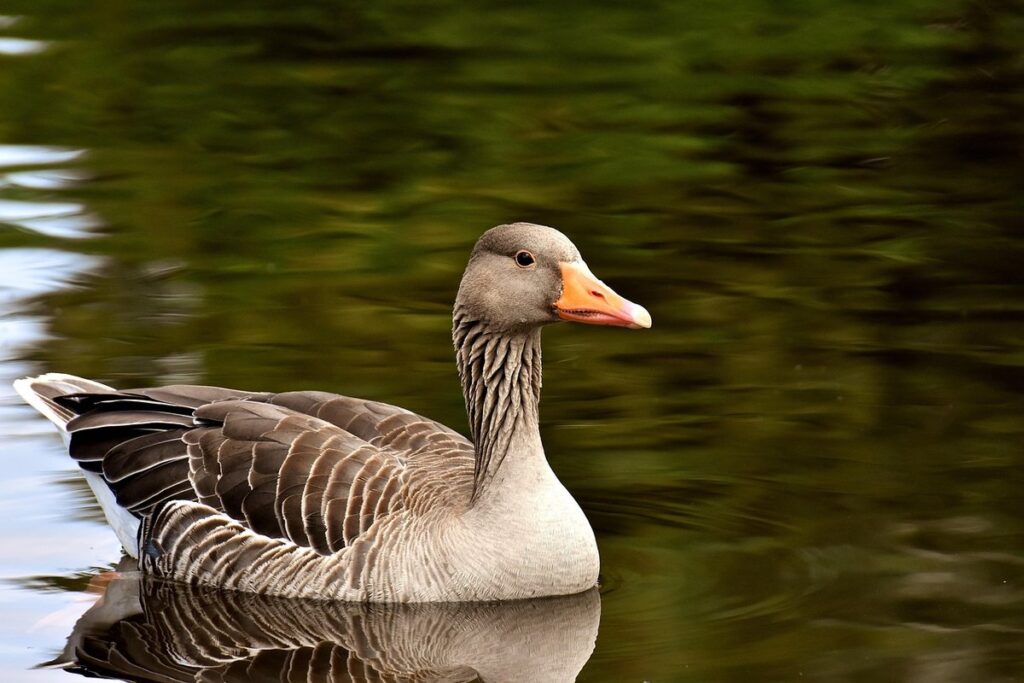
Importance of Cleanliness in Goos Coops
Cleanliness is crucial for your goose coop, as it directly impacts your birds’ health and well-being, making regular cleaning a top priority. We’ll break down why this matters most in this next section.
The Dangers of Dirty Gooses Coops
Dirty coops pose significant health risks to your geese. Respiratory problems are a common issue when birds live in unsanitary conditions. Dust and debris-filled airways can lead to congestion, wheezing, and even pneumonia. Moreover, dirty coops can be breeding grounds for diseases such as histomoniasis (blackhead) and eimeriosis, which can decimate your flock.
Dirty conditions can also cause stress and behavioral issues in geese. Overcrowding and unsanitary living spaces can lead to aggression among birds. This is because they’re competing for resources and space. A stressed bird will be more prone to disease, so it’s essential to maintain a clean coop.
To minimize these risks, ensure your coop has adequate ventilation. Regularly remove soiled bedding and replace it with fresh material. Clean feeding and watering equipment daily, and disinfect the coop weekly. This simple maintenance can save you from costly veterinary bills and help keep your geese healthy and happy.
Benefits of Regular Cleaning
Regular cleaning of your goose coop is essential for maintaining good health and hygiene. One of the significant benefits of regular cleaning is improved air quality within the coop. When waste and debris accumulate, they can release unpleasant odors and harbor bacteria that spread disease. By regularly cleaning out droppings and replacing bedding, you’re able to keep the air fresh and free from contaminants.
Improved air quality isn’t the only benefit; regular cleaning also leads to reduced odors in the coop. Imagine being greeted by a sweet scent of fresh hay rather than a pungent smell of ammonia! By minimizing waste buildup, you create an environment that’s more comfortable for your birds.
Another advantage of regular cleaning is increased egg production. A clean and well-ventilated coop encourages healthy behavior and reduces stress levels in the birds. When hens are happy and relaxed, they’re more likely to lay eggs regularly. In fact, a study by the American Poultry Association found that cleaner coops resulted in an average 20% increase in egg production.
Regular cleaning is also crucial for maintaining your bird’s immune system. A clean coop helps prevent diseases and reduces the risk of parasites and mites. By dedicating some time each week to cleaning, you’re investing in the overall health and well-being of your feathered friends.
Pre-Cleaning Preparation
Before you start scrubbing away, take a few minutes to prepare your goose coop for cleaning by gathering essential supplies and removing any valuable items that might get in the way.
Assessing the Coop’s Condition
Before diving into cleaning the coop, it’s essential to assess its condition to ensure you’re tackling the right issues. Take a thorough walk-through of the coop, looking for signs of wear and tear, pest infestations, and potential health hazards.
Start by checking the roof and walls for any gaps or holes that might be allowing pests to enter. Inspect the nesting boxes, feeders, and water containers for damage or blockages. Look for signs of rodent activity, such as gnaw marks on wood or droppings in corners. Check for any areas where water may be collecting, which can lead to mold and mildew growth.
Also, examine the coop’s ventilation system to ensure it’s functioning properly. A well-ventilated coop is crucial in preventing ammonia buildup from bird waste, which can cause respiratory problems. If you notice any issues with the coop’s structure or systems, make a list of repairs or replacements needed before proceeding with cleaning. This will help you prioritize tasks and prevent the spread of disease.
Gathering Cleaning Supplies
Before you start cleaning the goose coop, it’s essential to gather all the necessary supplies. This may seem like a simple task, but having the right equipment will make the process much more efficient and effective.
First, let’s talk about personal protective gear (PPG). You’ll need gloves to protect your hands from harsh chemicals and bacteria, as well as a mask to prevent inhaling dust and disinfectants. Consider wearing a pair of disposable gloves under your regular gloves for added protection. Make sure to choose a mask that fits comfortably and has a good filter rating.
In terms of cleaning supplies, you’ll need:
* Disinfectants specifically designed for animal enclosures (look for products labeled “animal-safe” or “avian-safe”)
* A scrubber or brush to remove dirt and debris
* A mop or bucket for cleaning large areas
* Trash bags for disposing of soiled bedding and waste
Proper storage is also crucial. Keep your cleaning supplies in a designated area, away from children and pets. Label each container clearly, so you can easily identify what’s inside. When using these supplies, always follow the manufacturer’s instructions and take necessary safety precautions.
The Cleaning Process
Now that we’ve discussed why cleaning is essential, let’s dive into the step-by-step process of keeping your goose coop sparkling clean and safe for your birds. This section will cover the specific tasks involved in a thorough coop cleaning.
Removing Droppings and Debris
Removing droppings and debris from the coop is one of the most critical aspects of maintaining a clean and healthy environment for your geese. It’s essential to do this task regularly, ideally daily or every other day, depending on the number of birds you have and their age.
Firstly, ensure you’re wearing protective gear such as gloves, a face mask, and eye protection to prevent exposure to bacteria, ammonia, and other potential health hazards. Next, carefully remove any visible droppings from the coop floor using a shovel or scoop, making sure not to spread them around. It’s also crucial to clean any nesting boxes thoroughly, removing old bedding material and replacing it with fresh, dry straw.
Proper disposal of waste materials is vital; consider composting or burying the droppings in a designated area away from your living spaces. This will help prevent disease and parasites from spreading among your birds. Always follow local regulations regarding the disposal of animal waste.
Disinfecting Surfaces
When it comes to disinfecting surfaces in your goose coop, it’s essential to create a protocol that ensures all high-touch areas are sanitized regularly. Start by identifying the key areas to focus on, such as feeding and watering troughs, perches, nesting boxes, and any other surfaces your geese come into contact with.
To disinfect these surfaces effectively, you’ll need to use a broad-spectrum disinfectant specifically designed for use in animal enclosures. These products typically contain quaternary ammonium compounds or hydrogen peroxide as active ingredients. Always read the label carefully and follow the manufacturer’s instructions for dilution rates and application times.
When mixing and applying disinfectants, be sure to wear protective gloves and eyewear to avoid exposure. Apply the solution to a clean cloth or sponge, then wipe down all surfaces thoroughly, paying particular attention to crevices and corners where bacteria can accumulate. Allow the disinfectant to remain on the surface for the recommended amount of time (usually 1-5 minutes) before rinsing with clean water.
Cleaning and Maintaining the Run
Now that you’ve learned how to clean the coop, let’s talk about what comes next: keeping your geese’ living space clean and tidy to prevent health issues. We’ll cover essential tasks and tips for maintaining a healthy run.
Removing Debris from the Run
Removing debris from the run is a crucial aspect of maintaining a healthy and safe environment for your geese. The run can quickly become cluttered with twigs, leaves, and other items that can attract pests, create slippery surfaces, and harbor diseases. To clear large items like branches, start by surveying the area and removing any obvious debris. Use a garden fork or rake to gently loosen stubborn branches, taking care not to damage the fencing.
Regular run maintenance is essential to prevent the buildup of debris and ensure your geese have a clean and healthy environment in which to roam. Set aside time each week to walk through the run, picking up any items that may have been missed during initial cleaning. This includes checking for signs of wear on the fencing, repairing any damage promptly, and replenishing bedding materials as needed.
Remember, regular maintenance will save you time and effort in the long run by preventing the need for more extensive cleanups.
Providing Adequate Ventilation
Adequate ventilation is crucial in a goose coop, and it’s often overlooked until it becomes a serious issue. When air circulation is inadequate, ammonia fumes from the droppings can build up, causing respiratory problems and stress for your geese. In fact, research has shown that ammonia levels above 50 ppm can lead to significant health issues.
To improve ventilation in your run and coop, start by installing windows or vents that allow fresh air to enter. You can also use fans to circulate the air, but be sure to position them so they don’t create a wind tunnel effect that blows droppings back into the coop. Regularly inspect your ventilation system to ensure it’s working properly.
Another tip is to raise the floor of the coop off the ground using gravel or rocks to improve airflow underneath. This allows any moisture and ammonia to evaporate, reducing the risk of respiratory problems. Remember, a well-ventilated coop is a healthy one – so make sure to prioritize air circulation when cleaning and maintaining your goose coop!
Health and Hygiene Considerations
When cleaning your goose coop, it’s essential to prioritize health and hygiene considerations to prevent diseases and keep your birds safe. This includes proper waste removal and disinfecting practices.
Preventing Pests and Diseases
Preventing pests and diseases is crucial when it comes to keeping your geese healthy. Common issues include parasites like mites, ticks, and lice, which can cause discomfort, anemia, and even lead to death if left untreated. Viral infections such as avian influenza and Marek’s disease are also a threat, particularly in flocks that live close together.
Regular cleaning and maintenance can go a long way in preventing these issues. Ensure you clean the coop at least once a week, removing any droppings or uneaten food to prevent bacterial growth and attract unwanted pests. Disinfect all surfaces with a solution of one part white vinegar to nine parts water, making sure to rinse thoroughly afterwards.
In addition to cleaning, provide your geese with adequate ventilation and ensure the coop is well-drained to reduce moisture levels that can contribute to pest infestations. Monitor your birds regularly for signs of illness or stress, such as changes in appetite, feather condition, or behavior. Early detection allows for prompt treatment, reducing the risk of disease spread within the flock.
Maintaining a Balanced Environment
Maintaining a balanced environment within the coop is crucial for the health and well-being of your geese. Temperature, humidity, and lighting levels all play significant roles in creating an optimal atmosphere that promotes egg production and overall health.
Temperature fluctuations can cause stress to your birds, which may lead to reduced egg production or even illness. Aim for a consistent temperature range between 40°F and 70°F (4°C and 21°C), with the ideal being around 60°F (15°C). Ensure proper ventilation to prevent moisture buildup and maintain a comfortable humidity level of 50-60%.
Proper lighting is also essential, as it influences your geese’s circadian rhythms. Provide adequate natural light during the day by placing the coop near a south-facing window or installing skylights. Supplement with artificial lighting if necessary, but avoid direct sunlight that may cause heat stress.
To create an inviting environment, add some greenery such as plants and trees nearby to provide shade and shelter from harsh winds. This will help maintain a healthy balance within the coop, promoting your geese’s overall well-being and egg-laying productivity. Regular cleaning and maintenance of their living space is also crucial in preventing disease and ensuring optimal health.
Additional Tips and Considerations
Now that you’ve learned how to deep clean your goose coop, let’s talk about a few extra details to keep in mind when maintaining their living space.
Scheduling Regular Cleanings
Scheduling regular cleanings is essential to maintaining a clean and healthy coop for your geese. A dirty coop can lead to health issues, stress, and even disease among your birds. To prevent this, it’s crucial to establish a routine cleaning schedule.
As a general rule of thumb, aim to clean the coop and run at least once a week during peak breeding season or when you have a large number of geese. However, if you live in an area with high humidity or extreme temperatures, you may need to clean more frequently to prevent ammonia buildup from droppings.
Consider dividing the cleaning tasks into smaller, manageable chunks. For example, dedicate one day a week to removing soiled bedding, and another day to scrubbing the coop surfaces. Don’t forget to also inspect and repair any damaged fencing or netting in the run to prevent predators from getting inside.
By sticking to your schedule, you’ll be able to maintain a clean and healthy environment for your geese, reducing the risk of disease and promoting their overall well-being.
Involving Family Members in Cleaning
Involving family members in cleaning can be a game-changer for everyone involved. Not only does it distribute the workload, but it also creates opportunities for quality time and bonding with loved ones. When you involve your family in coop cleaning, they’ll gain hands-on experience caring for your birds, developing essential life skills, and learning about responsibility.
To make cleaning a fun and collaborative activity, start by assigning tasks that suit each person’s age and ability. For example, younger kids can help gather equipment or assist with scooping waste, while older family members can take on more significant responsibilities like disinfecting surfaces or scrubbing feeders. Make it a competition to see who can complete their task the fastest or most efficiently!
To add some fun to the experience, consider turning cleaning into a game or a team-building exercise. You could even create a reward system, where family members earn points for completing tasks or contributing to the cleanliness of the coop. By working together and having a good time, you’ll not only keep your birds healthy but also strengthen family bonds and create lasting memories.
Frequently Asked Questions
What if I don’t have time to clean the coop regularly, but I still want to maintain a healthy environment for my geese?
Yes, even with a busy schedule, you can implement a cleaning routine that works for you. Consider breaking down larger tasks into smaller chunks and setting aside 10-15 minutes each day or week for maintenance activities like removing droppings and debris from the run.
How do I handle stubborn stains or odors in the coop?
For tough stains or odors, mix baking soda with water to create a paste, apply it to the affected area, let it sit for 10-15 minutes, then rinse with warm water. This method helps neutralize strong smells and lifts away persistent stains.
Can I use store-bought disinfectants to clean my geese coop?
While some store-bought disinfectants can be effective against bacteria and germs, always read the label carefully to ensure they’re safe for use around animals and won’t leave toxic residues. It’s also essential to follow proper ventilation guidelines when using strong chemicals.
What should I do if I notice my geese are experiencing health issues after cleaning their coop?
If your geese exhibit signs of illness or distress following a cleaning session, investigate possible causes such as over-disinfecting, introducing new chemicals, or disturbing their living environment. Consult with a veterinarian to determine the best course of action and adjust your cleaning routine accordingly.
Are there any specific considerations I should keep in mind when cleaning a coop with multiple geese?
Yes, it’s essential to consider factors like social structure, noise levels, and visual barriers when cleaning a multi-bird coop. Geese are social animals and may become stressed or anxious if their environment is disrupted. Ensure you’re providing enough space, hiding places, and visual separation for each bird during the cleaning process.