
When we think of geese, we often picture those iconic honking birds waddling across fields or soaring overhead. But how much do we really know about these majestic creatures? From their classification as waterfowl to their unique physical characteristics and behaviors, there’s a wealth of fascinating facts waiting to be uncovered. Geese are not just beautiful to watch – they’re also incredibly resilient and resourceful birds that have adapted to thrive in diverse environments.
In this article, we’ll delve into the world of geese, exploring their intriguing secrets and surprising abilities. We’ll examine their classification, physical traits, and behaviors, as well as their remarkable adaptations that enable them to survive and even dominate various ecosystems. Whether you’re a seasoned bird enthusiast or just curious about these remarkable creatures, join us on this journey to discover the fascinating world of geese.
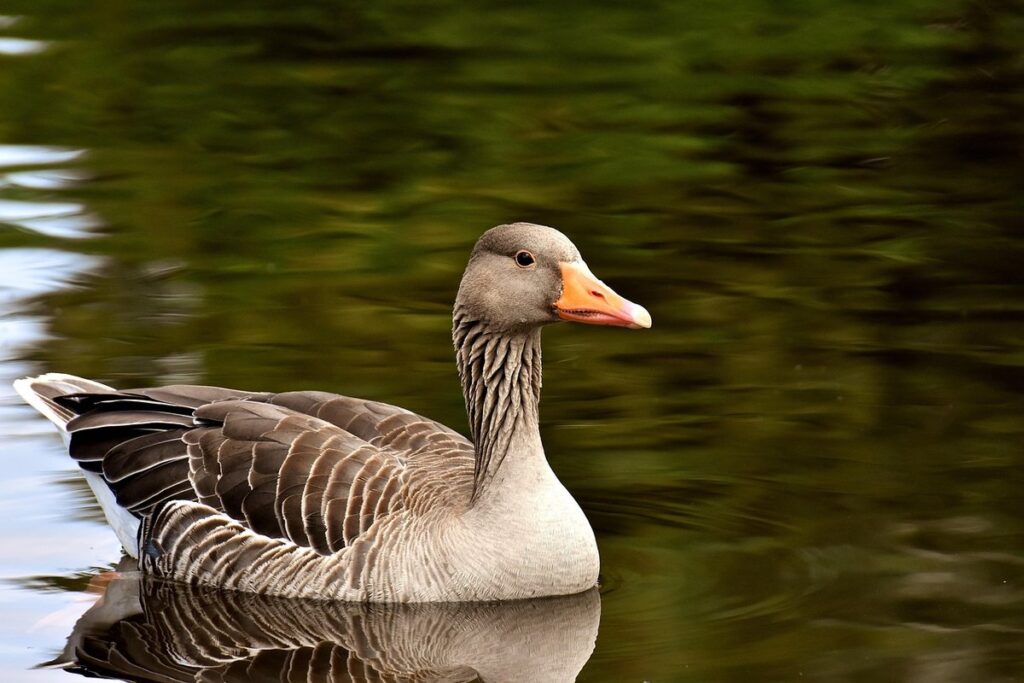
The Basics of Geese
Let’s start with the basics: geese are large waterfowl known for their distinctive honking calls and impressive flying abilities, but what makes them so unique?
What is a Goose?
Geese are part of the waterfowl family and belong to the Anatidae group. To be more specific, geese fall under the subfamily Anserinae within this larger family. This classification isn’t just based on physical characteristics; it’s also rooted in evolutionary history. Geese share a common ancestor with ducks and swans, and their differences can largely be attributed to unique adaptations that have developed over time.
One of the most distinct features that set geese apart from other waterfowl is their size. Geese are significantly larger than ducks, with some species reaching heights of up to 50 inches (127 cm) and weighing as much as 30 pounds (14 kg). This physical difference can be attributed to their unique feeding habits and geographic distribution.
In terms of evolutionary history, geese are believed to have originated from a group of birds that migrated from the northern hemisphere during the last ice age. Over time, they adapted to various environments, leading to the development of different species with distinct characteristics. Understanding the classification and evolutionary history of geese provides valuable insight into their behavior, habitat, and unique traits.
Physical Characteristics
One of the most distinctive and recognizable features of geese is their physical characteristics. A close look at these majestic birds reveals a range of fascinating traits that set them apart from other waterfowl.
A goose’s feathers are its crowning glory, with over 1,000 individual feathers covering its body. These feathers come in a variety of colors and patterns, depending on the species, but most geese have a mix of white, brown, and gray plumage. The feathers not only provide excellent insulation against cold temperatures but also play a crucial role in water-repellency.
Geese are also known for their distinctive beaks, which are shaped like a large, curved scimitar. This unique shape allows them to pluck aquatic plants from the mud with ease, and the hard keratin on their beaks makes it ideal for tearing through tough vegetation. Their webbed feet, meanwhile, allow them to propel themselves efficiently through water.
In addition to these features, geese have a relatively long neck, often measuring up to 10 inches in length. This impressive extension helps them reach food sources that other birds can’t access and also allows them to scan their surroundings from a safe distance.
Habitat and Distribution
Geese are incredibly adaptable birds that can be found on every continent except Antarctica. Their migratory patterns vary depending on the species and their geographic location. Some geese migrate alone, while others travel in large flocks with thousands of birds following the same route year after year.
In North America, Canada Geese are a common sight in urban parks and backyards, particularly during migration periods when they stop to rest and feed. These birds can be found near water sources such as rivers, lakes, and coastal areas, where they forage for grasses, aquatic plants, and grains. In contrast, the Trumpeter Swan and Snow Goose are more likely to inhabit tundra habitats in Alaska and Canada during their breeding seasons.
For those interested in attracting geese to their own yard or park, providing a safe water source and ample food is key. This can be achieved by installing a birdbath or shallow pond and planting native grasses and wildflowers that cater to these birds’ dietary needs. By doing so, you may just find yourself sharing your outdoor space with these magnificent creatures.
Goose Behavior and Social Structure
Gooses are incredibly social creatures, often forming long-lasting bonds with each other that can last a lifetime. Let’s take a closer look at how they interact with one another.
Social Hierarchy
Within a flock of geese, social hierarchy plays a crucial role in maintaining order and cooperation among its members. Dominance hierarchies are established based on age, sex, size, and aggression levels, with dominant individuals typically leading the way during foraging, migration, and other group activities.
Geese communicate effectively through a range of vocalizations, including honking, grunting, and whistling, to convey information about food sources, potential threats, or even emotional states. For instance, honking is often used by parents to alert their goslings to predators, while softer murmurs may be exchanged between mates.
Understanding goose social hierarchy can also help you recognize warning signs of stress or aggression within a flock. Watch for dominant individuals asserting themselves through aggressive posturing, such as spreading wings or hissing. Conversely, subordinate birds often display submissive behaviors like crouching or fleeing. By paying attention to these cues, you can better appreciate the intricate dynamics at play in goose societies and even learn how to peacefully interact with geese in their natural habitat.
Mating and Breeding
When it comes to mating and breeding, geese are known for their intense pair bonds. These relationships can last a lifetime, with some pairs staying together for over 20 years. The courtship ritual is a fascinating process that involves intricate displays of affection, including preening, honking, and even dancing.
As the breeding season approaches, male geese will often engage in elaborate displays to attract a mate. This may involve spreading their wings, puffing out their chests, or performing acrobatic stunts to impress potential partners. Once paired, the female goose will select a nesting site, typically on the ground or in a sheltered location.
Geese are monogamous birds, with many pairs forming long-term bonds. In fact, research has shown that some geese pairs can stay together for up to 25 years, making them one of the most devoted bird species. If you’re considering keeping geese as pets, it’s essential to provide a suitable environment and encourage bonding between the pair. By doing so, you’ll be rewarded with a strong and loving relationship between your feathered friends.
Parental Care
Goose parents are incredibly devoted to their young, and it’s not uncommon for them to form long-lasting bonds with their goslings. The female goose takes on the majority of incubation duties, carefully balancing her eggs on a bed of grass or leaves to keep them safe from predators and harsh weather conditions. As the eggs begin to hatch, she’ll softly nuzzle them, encouraging the goslings to emerge.
Once hatched, both parents work together to brood their young, using their wings to shield them from the elements and protect them from potential threats. This is especially crucial during the first few weeks of life when the goslings are most vulnerable. To encourage healthy growth, goose parents will also feed and care for their goslings, teaching them essential skills like foraging and social behavior.
As your own backyard becomes a haven for geese, you can learn from these dedicated parents by providing a safe and nurturing environment for your feathered friends. Offer a steady supply of fresh water and nutritious food to keep your geese healthy and strong. By observing and emulating the care and attention that goose parents give their young, you’ll be well on your way to raising happy, thriving goslings in your own backyard.
Goose Diet and Foraging Habits
As we delve into the world of geese, let’s talk about what they eat and how they find their next meal, from grassy fields to aquatic plants. Geese are surprisingly skilled foragers!
What Do Geese Eat?
In the wild, geese are herbivores, which means their diet consists mainly of plants and plant-based foods. Their favorite foods vary depending on the season and location, but some common favorites include grasses, aquatic plants, and grains like oats and barley. During the spring and summer months, geese tend to eat more greens, such as clover and alfalfa, while in the fall and winter, they’ll focus on seeds and grains.
In fact, did you know that a single goose can eat up to 2-3 pounds of grasses and plants per day? This is because geese have a unique way of eating, using their beaks to sweep up food from the ground. They also use their powerful legs to kick up mud and debris, which helps them uncover hidden treasures like roots and tubers.
When it comes to feeding your own goose, consider offering a mix of fresh fruits and vegetables, along with some high-quality grains. Avoid giving them too many seeds or nuts, as these can be difficult for geese to digest. By understanding what geese eat in the wild, you can provide them with a more balanced and nutritious diet at home.
Foraging Techniques
Geese are skilled foragers that have adapted to finding food in their environment through a combination of visual and auditory cues. When searching for potential meals, geese rely on their keen eyesight to scan the ground for signs of vegetation, insects, or small animals. They also use their acute hearing to detect sounds that might indicate the presence of water, such as the chirping of birds or the gurgling of streams.
When it comes to foraging, geese often work together with other members of their flock. This communal approach allows them to cover more ground and increase their chances of finding food. In addition, geese have been known to use tools, such as sticks and rocks, to help them gather food or extract seeds from plants.
One interesting example of a goose’s foraging behavior is its use of “probe searching,” where the bird inserts its beak into the soil to detect the presence of buried plant roots or tubers. This technique requires patience and persistence, but it can be an effective way for geese to find sustenance in areas with limited vegetation. By observing and learning from these behaviors, we can gain a deeper appreciation for the resourcefulness and adaptability of geese.
Adaptations for Specialized Diets
Goose species have evolved to thrive on diverse diets, showcasing remarkable adaptations that enable them to survive and flourish in various environments. For instance, the Canada Goose is well-known for its fondness of grasses, which make up a significant portion of their diet. In contrast, the Snow Goose migrates between Arctic and temperate regions, feeding on aquatic plants such as seaweed and algae during its journey.
The Greater White-fronted Goose, meanwhile, specializes in grazing on lichens and mosses in its native Arctic habitats. These specialized diets not only provide sustenance but also serve as a testament to the birds’ remarkable adaptability. Understanding these adaptations can be particularly valuable for wildlife enthusiasts and conservationists seeking to replicate goose diets in controlled environments.
Some notable examples of goose species with unique dietary requirements include:
• The Cackling Goose, which feeds on aquatic plants such as duckweed and watercress
• The Ross’s Goose, which grazes on grasses and berries in its Arctic habitat
By studying these adaptations, we can gain a deeper appreciation for the resourcefulness and resilience of geese, as well as insights into their ecological niches.
Geese in Human Culture
Let’s explore how geese have become an integral part of human culture, from being revered as symbols of good luck to serving as beloved pets and working animals.
Symbolism and Mythology
Geese have been imbued with symbolic meanings across various cultures and time periods. In many Eastern cultures, geese are revered as symbols of good fortune and prosperity due to their ability to migrate in V-formation during harsh weather conditions. This unique flying pattern is often seen as a metaphor for cooperation, harmony, and the pursuit of shared goals.
In ancient Greek mythology, Ge is said to be the goddess of fertility and the earth. According to legend, her tears turned into geese, which were believed to have healing powers. In Norse mythology, the goose was associated with the god Thor and represented thunderstorms and protection.
When interpreting the symbolism of geese in your life, consider their unique characteristics. Their monogamous nature and strong family bonds can serve as reminders of commitment and loyalty. Geese are also incredibly resilient, migrating thousands of miles each year – a testament to their ability to adapt and overcome adversity.
Domestication and Use by Humans
Geese have been domesticated by humans for thousands of years, and their versatility has made them an integral part of various cultures worldwide. For egg production, geese are valued for their high-quality eggs, which are rich in protein and nutrients. In fact, a single goose can lay up to 100 eggs per year, making them a popular choice for small-scale farmers.
In many Asian countries, geese are also raised for meat, with some breeds being bred specifically for this purpose. The Chinese, for instance, have been raising geese for their tender and flavorful meat since ancient times. To raise geese for meat, it’s essential to provide them with a balanced diet that includes plenty of fresh vegetables and grains.
If you’re considering keeping geese on your farm or homestead, make sure to research the specific needs of different breeds. Some geese are more suited to smaller spaces, while others require larger areas to roam. By choosing the right breed for your needs, you can enjoy the many benefits of raising geese – from fresh eggs and meat to their entertaining and social personalities.
Goose Conservation Status
Goose populations are facing various threats that have raised concerns about their conservation status. Habitat destruction and fragmentation, primarily due to urbanization and agriculture expansion, have significantly reduced the available habitat for many goose species. Climate change has also disrupted the delicate balance of ecosystems, affecting the availability of food resources.
Some species, such as the Emperor Goose and the Snow Goose, are listed under the Migratory Bird Treaty Act in the United States. This protection is crucial, but it often falls short due to inadequate enforcement and resource constraints. Conservation efforts include habitat restoration, reintroduction programs, and research initiatives aimed at understanding goose behavior and population dynamics.
One notable example of conservation success is the Canada Goose population recovery program, which has helped increase numbers from around 1,000 individuals in the 1950s to over 5 million today. This achievement demonstrates that effective conservation can lead to remarkable results when combined with community engagement, public education, and collaborative efforts between government agencies, NGOs, and local stakeholders.
Conservation status varies by species; for instance, the Ross’s Goose is listed as Near Threatened on the IUCN Red List due to declining populations in parts of its range. The current trend emphasizes the need for continued support and vigilance from conservationists, policymakers, and local communities working together to protect these magnificent birds and their habitats.
Unique Goose Behaviors and Abilities
As we delve into the fascinating world of geese, let’s explore some truly remarkable behaviors and abilities that set these birds apart from their feathered friends. From impressive migrations to surprising social skills.
Migration Patterns
When it comes to migration patterns, different goose species have unique routes and timing. For example, Snow Geese migrate from their Arctic breeding grounds to the southern United States and Mexico, while Canada Geese make a shorter journey from their summer habitats in the northern US and Canada to their wintering grounds in the southern US.
One of the most fascinating aspects of goose migration is its synchronization with natural events such as weather patterns and daylight hours. Many geese species migrate at night, using celestial navigation to guide them, while others rely on visual cues like mountains and coastlines. The timing of these migrations can be influenced by factors such as food availability, predation risk, and breeding habits.
Some goose species are known for their impressive endurance during migration, with some traveling over 5,000 miles in a single year. For instance, the Bar-headed Goose is recorded to have flown over Mount Everest, reaching an altitude of 29,029 feet while migrating from its summer home in the Himalayas to its wintering grounds in India.
Did you know that geese can remember specific locations and routes years after their initial migration? This remarkable ability allows them to return to the exact same breeding or wintering grounds, even after a year’s absence.
V-Formation Flying
When you watch a flock of geese soar through the sky, you’ve probably noticed their distinctive V-formation flying pattern. This phenomenon is not only aesthetically pleasing but also offers several aerodynamic benefits that help the birds conserve energy and travel longer distances.
Research has shown that when leading geese (the bird at the front of the V) fly with its wings in a slightly lowered position, it creates an area of lower air pressure above the wing and higher air pressure below. This pressure difference creates an upward force called lift, which reduces drag and makes flying more efficient for all birds following behind. By taking turns leading the formation, each bird gets to take advantage of these aerodynamic benefits, allowing them to fly farther with less energy expenditure.
This unique flying pattern also has social implications, as it allows geese to travel together while minimizing individual effort.
Other Interesting Behaviors
Geese are incredibly skilled at conveying complex information to each other through their bodies and voices. When it comes to communication, geese rely heavily on non-verbal cues such as posturing, feather ruffling, and even subtle changes in eye direction. For instance, a goose that’s feeling threatened will often puff out its chest feathers to appear larger, while a more submissive bird may lower its head or spread its wings.
In addition to body language, geese are also masters of vocalizations. They use a wide range of calls to convey everything from alarm and warning signals to social bonds and even courtship displays. For example, Canada Geese will often sound a loud, high-pitched honk when alarmed by predators or perceived threats. Meanwhile, pairs of geese will frequently engage in soft “chirping” or “cooing” sounds as they strengthen their bond.
By paying attention to these non-verbal cues and vocalizations, you can learn to better understand goose behavior and even develop a more harmonious relationship with them.
Frequently Asked Questions
Are Geese Protected Under Any Laws or Regulations?
Yes, many species of geese are protected under international laws, such as the Migratory Bird Treaty Act (MBTA) in North America. These regulations aim to conserve and manage goose populations while also protecting their habitats. Knowing what laws apply to your region is crucial for responsible goose conservation efforts.
Can Geese Adapt to Urban Environments?
Yes, geese are surprisingly adaptable to urban environments. Some species have even become invasive in certain cities, causing concerns about property damage and habitat disruption. Understanding the potential impacts of urbanization on goose populations can help urban planners develop effective conservation strategies.
How Do I Identify Different Species of Geese?
Identifying various goose species requires attention to detail regarding physical characteristics such as plumage patterns, beak shape, and leg coloration. Reference materials or expert guidance are invaluable for accurate identification. Learning how to distinguish between different goose species can enhance your appreciation for their diversity.
Can Domesticated Geese Interact with Wild Geese?
While domesticated geese may be able to interact with wild geese in some cases, it’s crucial to understand that they often have different needs and behaviors. Housing, nutrition, and management practices should be tailored appropriately to ensure the well-being of both domesticated and wild populations.
What Should I Do If I Encounter an Aggressive Goose?
If you encounter an aggressive goose, remain calm and back away slowly while keeping a safe distance. Avoid direct eye contact or sudden movements, which can trigger further aggression. In cases where geese are protecting their young, it’s best to leave them undisturbed to prevent any potential harm to the birds or yourself.