
Feeding geese can be a delightful experience for bird enthusiasts and nature lovers alike. However, it’s essential to do it responsibly, taking into account the needs of these beautiful creatures as well as the environment and public expectations. As you probably know, feeding geese can attract them in large numbers, which may seem harmless but can lead to problems such as overpopulation, noise, and even aggressive behavior.
In this goose feeding guide, we’ll walk you through expert tips on how to feed geese responsibly. We’ll discuss the best locations for feeding, explore healthy food options that meet their nutritional needs, and provide seasonal adjustments to ensure a balanced approach. Whether you’re a seasoned bird feeder or just starting out, this article will equip you with the knowledge to feed geese in a way that benefits both them and your community.
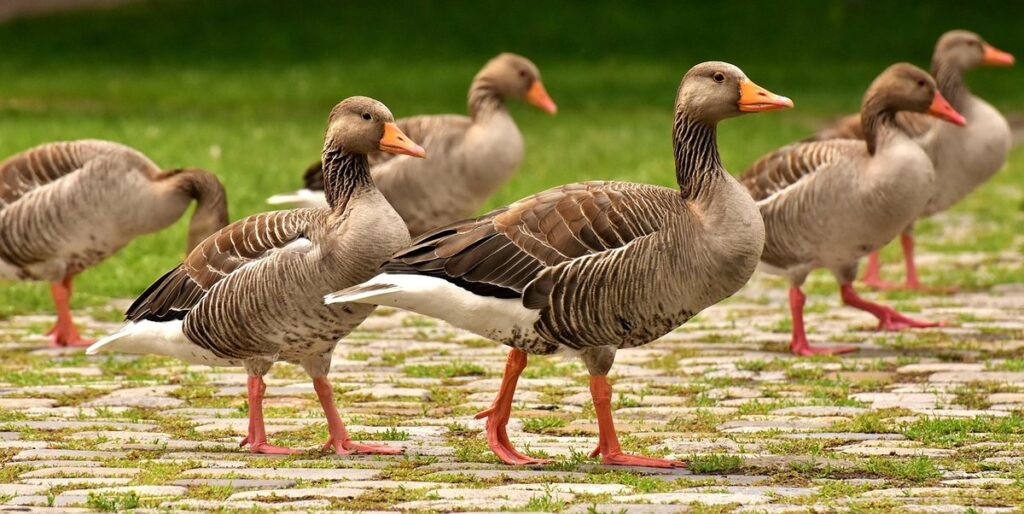
Introduction to Goose Feeding
When it comes to feeding geese, understanding their basic needs and behaviors is crucial. This introduction will cover the fundamentals of goose feeding and what you need to know before getting started.
Understanding Basic Goose Nutrition
When it comes to feeding geese, providing them with a balanced diet is crucial for their overall health and well-being. Geese require a mix of essential nutrients including proteins, carbohydrates, and fats to thrive.
Proteins are vital for building and repairing tissues, and geese need about 12-15% protein in their diet. Good sources of protein include oats, barley, and grains such as corn and wheat. In contrast, vegetables like kale and spinach provide valuable carbohydrates that help with energy production.
Fats, on the other hand, are essential for maintaining healthy feathers and skin. Sunflower seeds, safflower seeds, and flaxseeds are excellent sources of fat for geese. A balanced diet should include a mix of around 25-30% fat to ensure optimal health.
It’s also important to note that geese have different nutritional needs at various stages of their lives. For example, breeding geese require more protein than non-breeding ones to support egg production and growth.
Choosing the Right Location for Feeding
When it comes to feeding geese, choosing the right location is just as important as selecting the right food. You want to ensure that you’re not only providing for their nutritional needs but also keeping them and others safe.
Consider the accessibility of the location. Can you easily approach and exit without disturbing the geese or creating a bottleneck? Look for spots with minimal foot traffic, such as parks, gardens, or quiet corners of your backyard. Avoid areas near roads, highways, or wildlife habitats where geese may be more likely to cause accidents or get injured.
When selecting a location, also think about visibility. Can you easily see any potential hazards, like bodies of water or steep slopes? Geese can be unpredictable, and it’s essential to be aware of their surroundings to prevent harm to themselves or others. By carefully choosing the right location for feeding geese, you’ll not only create a safe environment but also help maintain harmony with the local ecosystem.
Some popular locations include designated wildlife areas, parks with large open spaces, and even your own backyard if you have the space and resources to create a goose-friendly zone.
Types of Food Suitable for Geese
When feeding geese, it’s essential to provide them with a balanced diet that includes the right types of food. This section covers the best options to keep your feathered friends happy and healthy.
Plant-Based Options for Geese
When it comes to feeding geese, many people assume that their diet must consist of commercial goose feed. However, this is not entirely true. In fact, a well-balanced plant-based diet can be a great option for geese, especially if they have access to fresh and varied foods.
Grasses are an excellent source of nutrition for geese. Different types of grasses, such as Kentucky bluegrass or ryegrass, provide essential vitamins and minerals. You can offer your geese a mix of different grasses to keep them interested and stimulated. Leaves from trees like oak, maple, or willow are also a great option. They’re rich in fiber and nutrients.
Fresh fruits and vegetables can be a wonderful addition to a goose’s diet. However, it’s essential to introduce new foods gradually to prevent digestive issues. Some safe options include carrots, apples, and sweet potatoes. Avoid giving them avocado, onions, or garlic as they can cause digestive problems. A balanced mix of plant-based foods will keep your geese healthy and happy.
Commercial Goose Feed: Pros and Cons
Commercial goose feed is a popular choice among goose owners due to its convenience and consistency. One of the main advantages of commercial feed is that it provides geese with a balanced diet that meets their nutritional needs. This can be especially beneficial for inexperienced goose owners who may not know how to create a well-rounded feeding plan.
However, there are also some disadvantages to using commercial goose feed. For one, it can be quite expensive, especially if you have a large flock. Additionally, some commercial feeds may contain additives such as preservatives or artificial flavorings that can be detrimental to your geese’s health. It’s essential to choose a reputable brand and read the ingredient list carefully.
Some popular brands of commercial goose feed include Purina and Manna Pro. When selecting a commercial feed, look for products that are high in protein (around 18-20%) and fiber (around 2-3%). You should also consider the age and activity level of your geese when choosing a feed, as these factors can affect their nutritional needs.
Tips for Feeding Geese in Urban Areas
When feeding geese in urban areas, it’s essential to follow specific guidelines to avoid attracting too many birds and maintain a harmonious coexistence with your community. Here are some valuable tips to keep in mind.
Managing Conflict with Other Wildlife
When feeding geese in urban areas, it’s essential to consider the potential impact on other wildlife that may be attracted to the same food sources. This can lead to conflicts between different species competing for food, potentially causing stress and even aggression.
Some common examples of urban wildlife that may be drawn to goose feed include deer, squirrels, raccoons, and birds like pigeons or starlings. To manage these interactions peacefully, consider using wildlife-friendly feeding strategies such as offering a variety of foods that cater to different species’ dietary needs. For instance, instead of just providing corn or bread for geese, you can also offer fruits, vegetables, or seeds that attract other beneficial urban wildlife like bees and butterflies.
To minimize conflicts with deer, try using motion-activated sprinklers or other deterrents to keep them away from the feeding area. With squirrels, use squirrel-proof bird feeders or scatter their food in a way that encourages foraging over competition. By taking these precautions, you can create a harmonious coexistence between geese and other urban wildlife while also promoting biodiversity and ecosystem balance.
Maintaining a Clean and Hygienic Environment
When feeding geese in urban areas, it’s essential to maintain a clean and hygienic environment not only for the health of the birds but also for public health. Proper storage and disposal of goose feed and waste can prevent attracting pests and minimize the risk of disease transmission.
To store goose feed effectively, keep it in sealed containers or bins to protect against moisture, rodents, and other wildlife. You can use airtight plastic bags or bins with secure lids to store feed in your backyard or at feeding areas. Label these storage spaces clearly so that you don’t mix up different types of food.
When disposing of goose waste, ensure it’s done in a sanitary manner. Use poop bags specifically designed for pet waste and dispose of them in trash cans with tight-fitting lids. You can also use a shovel to scoop up droppings, placing them directly into the garbage bag. Regularly clean feeding areas by sweeping or hosing down surfaces to prevent the accumulation of food particles and waste.
Feeding Geese During Different Seasons
As you adjust to your new goose-feeding routine, it’s essential to consider how their dietary needs change throughout the year, especially during seasonal shifts. This section will guide you through those variations.
Spring and Summer Feeding Strategies
As the warmer months approach, it’s essential to adjust your feeding strategy to accommodate the changing needs of your geese. During spring and summer, growth rates accelerate significantly, and environmental conditions like temperature and humidity impact their nutritional requirements.
One crucial factor to consider is water availability. Geese need access to clean, cool water for drinking and swimming. Ensure that your pond or watering system can handle increased usage during hot weather. Aim to provide 1-2 gallons of water per goose per day, depending on the size and age of the birds.
Feed amounts should also be adjusted upward in warmer months. Consider increasing feed by 10-20% to account for the geese’s heightened energy expenditure due to rapid growth. Additionally, opt for a balanced, nutrient-rich feed that supports their overall health and well-being during this period of accelerated development.
When choosing a summer feed, look for products containing high-quality proteins like soybean or fishmeal, along with essential vitamins and minerals. This will help support the geese’s immune system and promote optimal growth rates throughout the warmer months.
Fall and Winter Feeding Considerations
As winter approaches, geese require special attention when it comes to their diet. The colder months bring shorter days and reduced daylight hours, which can lead to decreased food intake. However, geese need to consume more energy-rich foods to sustain themselves during this period.
During fall and winter, it’s essential to provide geese with high-calorie foods that will help them maintain body heat. You can supplement their regular diet with grains such as oats, barley, or wheat. These whole grains are rich in fiber and calories, making them an excellent addition to your goose-feeding routine. For example, you can offer 1/4 cup of oats per bird daily.
Geese also require extra protein during the colder months to maintain muscle mass. Consider offering foods high in protein like mealworms or sunflower seeds. These nutrients will help support their energy needs and keep them warm throughout the winter. By making these adjustments, you’ll be providing your geese with the necessary fuel to thrive during the fall and winter seasons.
Common Mistakes to Avoid When Feeding Geese
When feeding geese, there are some common mistakes that can have unintended consequences for both you and the birds. Here’s what to watch out for when sharing snacks.
Overfeeding: Consequences and Solutions
Overfeeding geese can have severe consequences for their health and the environment. One of the most significant risks is obesity, which can lead to a range of problems including reduced mobility, impaired reproduction, and increased susceptibility to disease. In fact, studies have shown that up to 70% of urban geese are overweight or obese.
Disease is another major concern when it comes to overfeeding geese. When these birds consume more calories than they need, their bodies produce excess fat, which can lead to a range of health issues including arthritis, heart disease, and respiratory problems. Moreover, the bacteria present in spoiled food can also cause infections and illnesses among geese.
To identify if you’re overfeeding your geese, look for signs such as excessive droppings, lethargy, or changes in their behavior. To address this issue, feed them high-quality foods in moderation and consider the time of year when determining how much to feed. For example, during winter months, they may need more calories to stay warm.
By being mindful of these risks and taking steps to address overfeeding, you can help ensure the health and well-being of geese in your area. Regular monitoring and adjustments will allow you to provide optimal nutrition for these birds without causing harm to themselves or the environment.
Creating a Sustainable Feeding Routine
When feeding geese, it’s easy to get caught up in the moment and forget about the bigger picture. However, creating a sustainable feeding routine is crucial for maintaining a healthy balance between these beautiful birds’ nutritional needs, environmental concerns, and public expectations.
To develop an effective long-term plan, start by assessing your local regulations regarding goose feeding. Familiarize yourself with any rules or restrictions on food types, quantities, and locations to ensure you’re not inadvertently causing harm or attracting unwanted attention from authorities.
Next, consider the type of feed you’ll be providing. Geese are herbivores, so they require a diet rich in fiber and low in protein. Look for commercial goose feeds or create your own using fruits, vegetables, and grains. Avoid feeding them bread or junk food, as it can lead to malnutrition and dependency.
Lastly, think about the frequency and quantity of feedings. Aim for consistent, moderate portions rather than overfeeding, which can lead to crowding, aggression, and environmental pollution. Regularly monitor your geese’s health, behavior, and environmental impact to adjust your feeding routine accordingly. This will not only help ensure their well-being but also maintain a harmonious relationship with your community.
Conclusion: A Balanced Approach to Feeding Geese
When it comes down to it, feeding geese requires a delicate balance. While it’s easy to get caught up in wanting to help these beautiful birds, remember that overfeeding can do more harm than good. It’s essential to be mindful of the amount and type of food you’re providing. For instance, if you’re visiting a park or pond regularly, consider bringing a small bag of goose-friendly snacks like oats or barley. This way, you can supplement their natural diet without overwhelming them with too much human food.
By taking a balanced approach to feeding geese, you’ll be promoting their overall well-being and safety. By doing so, you’ll also help maintain the health and balance of the ecosystem as a whole. So next time you’re out enjoying nature, take a moment to think about what these birds really need – and remember that sometimes, less is more.
Frequently Asked Questions
Can I feed geese in any location, or are there specific areas that should be avoided?
Yes, it’s essential to choose a suitable location for feeding geese to minimize potential conflicts with other wildlife and the community. Opt for open spaces away from pedestrian paths and sensitive ecosystems. Consult local regulations and guidelines before setting up your goose-feeding station.
What if I notice aggression or territorial behavior in the geese while feeding them? How can I address this issue?
Aggression is a common problem when feeding large numbers of geese. To mitigate this, consider spreading food over a larger area to reduce competition. You can also try feeding smaller groups throughout the day rather than one large group at once. Additionally, consult with local wildlife experts or park rangers for advice on managing aggressive geese.
How do I handle situations where other animals, such as ducks, swans, or even pets, are competing with the geese for food?
Competition for resources can lead to conflict among different species. To manage this situation effectively, consider providing separate feeding areas or using feeders designed specifically for geese. You may also want to explore alternative feeding strategies, like scattering food over a larger area to reduce competition.
Are there any specific considerations I should keep in mind when feeding geese during extreme weather conditions?
Yes, it’s crucial to adjust your feeding strategy according to seasonal changes and extreme weather events. During harsh winters or hot summers, ensure the geese have access to fresh water and provide food that is tailored to their increased caloric needs. Avoid overfeeding, as this can lead to further health complications.
Can I mix different types of commercial feed with plant-based options for a more varied diet?
While it’s tempting to combine different feeds, mixing commercial goose feed with plant-based options may not always be beneficial. Be cautious when combining high-protein commercial feeds with rich legumes or grains, as this can lead to nutrient imbalances. Consult with an expert or do further research before making any changes to your feeding routine.