
As a backyard farmer or wildlife enthusiast, you’re probably no stranger to the unique charm of geese. However, successfully managing a flock can be a daunting task, especially for beginners. Geese are social animals that thrive on structure and hierarchy, making understanding their social dynamics crucial for creating a harmonious flock. Moreover, providing optimal nutrition and maintaining good health is essential for a thriving flock. In this article, we’ll delve into the basics of goose flock management, covering topics such as understanding goose behavior, nutrition planning, health considerations, and more. Whether you’re new to geese or looking to refine your existing management strategies, this comprehensive guide will equip you with the knowledge needed to create a thriving and harmonious flock.
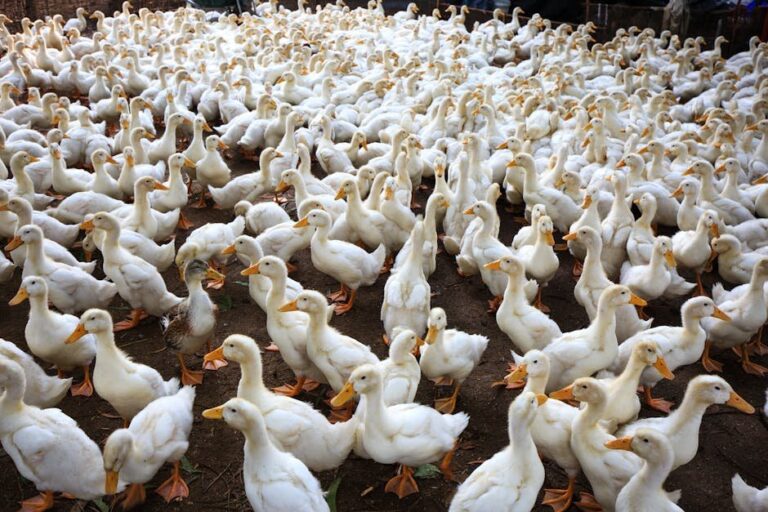
Understanding Goose Behavior and Social Structure
To manage a goose flock effectively, you need to understand how these birds interact with each other and their natural habitat. This includes recognizing social hierarchies and communication patterns.
Importance of Understanding Social Dynamics
Understanding social dynamics is crucial for effective goose flock management. Geese are highly social animals that live in hierarchical groups, with a clear pecking order. When managing a goose flock, it’s essential to recognize and respect these natural behaviors.
Geese exhibit strong flocking habits, often gathering together at dawn and dusk to roost or engage in communal activities like foraging. This social structure is vital for their well-being and survival, as individuals rely on each other for protection, food, and communication. Dominance hierarchies within the flock help maintain order and stability, but can also lead to conflicts if not managed properly.
To understand goose social dynamics effectively, observe your flock’s behavior over time. Notice how geese interact with each other, particularly during feeding times or when competing for resources. Pay attention to dominant birds that tend to assert themselves over subordinate ones. By acknowledging and working within these natural behaviors, you can create a more harmonious and efficient flock. This awareness will also help you identify potential issues before they escalate into conflicts.
Identifying Dominant and Submissive Geese
Identifying dominant and submissive birds within a flock is crucial for effective goose management. Dominant geese are usually larger in size and have more prominent feathering on their necks, heads, and backs. They often display aggressive behavior, such as hissing, growling, or attacking other birds when they feel threatened or during courtship displays.
To identify submissive geese, look for birds that are consistently positioned at the periphery of the flock or quickly retreat to safety when a dominant bird approaches. Submissive birds may also exhibit slower movements and avoid direct eye contact with more assertive birds.
When interacting with your flock, pay attention to body language cues such as neck stretching, raised hackles, and posturing. These visual signals can indicate dominance or submission. For example, if two geese engage in a head-bobbing display, the bird that wins the contest typically becomes dominant for a short period.
Factors Affecting Flock Dynamics
When managing a goose flock, it’s essential to understand how various factors can impact their dynamics. One critical aspect to consider is age. Younger geese tend to be more energetic and curious, often challenging the dominance of older birds. Conversely, mature geese may become less active and more territorial as they age.
Nutrition also plays a significant role in flock dynamics. A well-balanced diet ensures that geese are physically fit, reducing stress and aggression within the group. Malnutrition can lead to weakened immune systems, making them more susceptible to disease and altering their behavior. Provide a consistent and nutrient-rich food source, such as a mix of grains and fruits.
Sex is another factor influencing flock dynamics. Dominant males often establish a pecking order, while females tend to form close bonds with one another. However, it’s essential not to overcrowd your flock, as this can lead to stress and conflict among birds of the same sex.
Stress is a significant factor in goose flock dynamics. Inclement weather, inadequate shelter, or the introduction of new birds can cause geese to become anxious and aggressive. Provide ample space for exercise, maintain a stable environment, and minimize external stimuli to promote harmonious interactions within your flock.
Choosing the Right Goose Breed for Management
When it comes to managing a goose flock, selecting the right breed is crucial to ensure their health, happiness, and productivity. This section will help you navigate the diverse range of breeds available.
Researching Suitable Breeds
When it comes to choosing the right goose breed for your flock management needs, research is key. You want to select breeds that are well-suited to your climate, available space, and management style. Some popular breeds known for their temperament and adaptability include Sebastopol, Toulouse, and Embden geese.
These breeds have been bred over centuries for specific traits such as hardiness, docility, and egg-laying ability. For example, Sebastopol geese are friendly and social, making them an excellent choice for small-scale farmers or hobbyists with limited space. They also require minimal care and are relatively low-maintenance.
When researching suitable breeds, consider factors like climate tolerance, growth rate, and feed requirements. Some breeds may thrive in colder climates while others prefer warmer temperatures. Additionally, think about the level of interaction you want to have with your geese – do you want breeds that are more aggressive or those that are friendly and social?
By selecting breeds that fit your management needs and lifestyle, you can create a harmonious and productive goose flock. Be sure to research each breed thoroughly and consider factors like temperament, adaptability, and environmental requirements before making a final decision.
Considering Climate and Environmental Factors
When selecting a goose breed for management, it’s essential to consider the climate and environmental factors of your area. Extreme temperatures, humidity levels, and wind patterns can significantly impact the health and productivity of your flock.
In hot climates, breeds with light plumage or heat-tolerant characteristics are ideal. For example, the African Goose is well-suited for warm environments due to its sparse feathers and ability to adapt to high temperatures. Conversely, in cold climates, breeds with dense insulation and a layer of fat beneath their skin will help them thrive. The Embden Goose, with its thick coat and compact body, makes an excellent choice for northern regions.
Space is another critical factor to consider. Breeds that require extensive roaming or foraging areas may not be suitable for small farms or urban settings. On the other hand, compact breeds like the Toulouse or Sebastopol can thrive in confined spaces, making them perfect for smaller operations.
Integrating Heritage and Commercial Breeds
When it comes to managing a goose flock, many breeders and farmers consider integrating heritage and commercial breeds. This can be a great way to benefit from the unique characteristics of each type, but it also presents some challenges.
Heritage breeds offer valuable genetic diversity, adaptability, and hardiness that can make them ideal for specific environments or management systems. For example, the Embden goose is well-suited to cold climates due to its thick feathers and robust build. However, they may not be as efficient in terms of egg production or growth rate compared to commercial breeds.
Commercial breeds, on the other hand, have been selectively bred for high productivity and rapid growth. They can provide a steady supply of eggs or meat, but they may require more intensive management and care. Integrating both types requires careful consideration of your goals, resources, and environment. It’s essential to weigh the benefits of genetic diversity against the potential drawbacks of increased complexity.
To make integration work, start by identifying the strengths and weaknesses of each breed. This will help you determine which ones are best suited for your specific needs and conditions. For instance, if you’re looking to improve egg production, consider introducing commercial breeds that excel in this area. At the same time, keep heritage breeds on hand to provide a foundation for genetic diversity and adaptability.
Consider implementing a rotational breeding program to take advantage of both types. This involves breeding heritage birds one year and commercial birds the next, or vice versa. By rotating between breeds, you can maintain a balance between productivity and genetic diversity. Remember that successful integration requires attention to detail and a willingness to adapt your management strategies as needed.
If done thoughtfully, integrating heritage and commercial goose breeds can be a powerful way to create a resilient and productive flock.
Nutrition and Feeding Strategies for Geese
When it comes to feeding your geese, providing them with a balanced diet is crucial for their overall health. In this section, we’ll explore effective nutrition strategies to keep your flock thriving.
Understanding Goose Dietary Needs
Geese have unique nutritional requirements that vary depending on their life stage. Young goslings, for instance, need a diet rich in protein to support rapid growth and development. A starter feed with around 20% protein content is ideal for them during the first few weeks of life. As they grow, their dietary needs shift towards more balanced feeds containing around 16-18% protein.
Adult geese, on the other hand, require a diet that focuses on maintaining energy levels while minimizing waste production. A good quality layer or maintenance feed with 14-16% protein content is suitable for them. However, some owners may choose to supplement their adult geese’s diet with fruits and vegetables to provide essential vitamins and minerals.
It’s also worth noting that geese have specific requirements during molting season. During this period, they may require more energy-rich foods to support feather growth. Additionally, providing access to clean water and maintaining a balanced calcium intake is crucial for their overall health and well-being.
Creating a Balanced Diet Plan
When it comes to creating a balanced diet plan for your geese, there are several options to consider. Commercial feed is a popular choice, but it’s essential to choose a high-quality feed that meets the nutritional needs of your birds. However, some flock owners prefer pasture-based systems, where geese have access to fresh grass and other forages.
To supplement their diet with fruits and vegetables, you can provide a variety of options such as leafy greens like kale and spinach, or berries like strawberries and blueberries. These should be offered in moderation, as too much of these foods can cause digestive issues. For example, feeding geese too many high-sugar fruits like grapes can lead to an imbalance in their gut bacteria.
A well-planned diet for your geese should include a mix of 50-70% grains, 20-30% protein sources (like beans or soybeans), and 5-10% fats. It’s also crucial to consider the age and health status of your birds when creating a diet plan. For instance, younger geese require more protein-rich foods to support growth and development. Older geese may benefit from additional calcium supplements to maintain strong bone density.
It’s recommended to consult with a poultry nutritionist or veterinarian to determine the best diet for your specific flock needs. They can help you create a customized feeding plan that ensures optimal health and productivity.
Avoiding Common Nutrition-Related Issues
When it comes to feeding geese, it’s easy to get caught up in trying to provide them with the perfect diet. However, making mistakes can have serious consequences for the health and well-being of your flock. One common pitfall is overfeeding, which can lead to obesity and related health issues like diabetes, heart disease, and even organ failure.
On the other hand, underfeeding can cause malnutrition and weaken the immune system, making geese more susceptible to diseases. To avoid these problems, it’s essential to strike a balance between providing enough nutrients and not overdoing it. A general rule of thumb is to feed your geese 1-2% of their body weight per day in high-quality grain or pellet.
It’s also crucial to ensure they have access to clean water at all times and provide a balanced diet that includes essential vitamins and minerals. For example, adding calcium supplements can help prevent eggshell problems in laying hens. By being mindful of these common nutrition-related issues, you can keep your geese healthy and thriving. Regular monitoring of their weight, appetite, and overall condition will also help you identify any potential problems early on.
Health Considerations in Goose Flocks
When managing a goose flock, it’s crucial to consider the health of your birds and take steps to prevent common diseases and injuries that can arise from overcrowding and poor living conditions.
Recognizing Signs of Disease and Stress
Monitoring flock health is crucial for maintaining overall well-being and preventing the spread of disease. Regular inspections can help you identify early signs of distress, allowing for prompt intervention to prevent more severe issues from developing.
Look out for changes in behavior, such as increased agitation or lethargy, which could indicate underlying problems like respiratory infections, parasites, or nutritional deficiencies. Additionally, monitor for physical symptoms like droopy wings, labored breathing, or abnormal feather loss.
If you notice any unusual behavior or physical signs, take action immediately by isolating the affected bird and consulting a veterinarian to determine the cause of illness. Maintaining a clean living environment and providing adequate nutrition can also help prevent disease outbreaks.
To further minimize risks, ensure your flock has access to fresh water at all times, and keep an eye on weather-related stressors like extreme temperatures or humidity fluctuations that may impact their health. By staying vigilant and proactive, you can reduce the likelihood of disease and maintain a thriving, healthy flock.
Common Diseases Affecting Geese
As a goose flock owner, it’s essential to be aware of the common diseases that can affect your geese. Bacterial infections are one of the most prevalent issues, with Pasteurellosis being a notable example. This condition causes respiratory problems and can lead to septicemia if left untreated.
Viral diseases also pose a significant threat to goose flocks. Avian Influenza (AI) is a highly contagious virus that affects not only geese but also other bird species. It’s crucial to maintain strict biosecurity measures, such as regular cleaning and disinfection of enclosures and equipment.
Parasitic infections are another common issue in goose flocks. Internal parasites like worms can lead to weight loss, lethargy, and decreased egg production. External parasites, including lice, mites, and ticks, can cause skin irritation and stress.
Regular health checks and monitoring of your flock’s behavior and physical condition are key to detecting these diseases early on. Consult with a veterinarian if you suspect any issues, as prompt treatment is crucial in preventing the spread of disease within the flock.
Integrated Pest Management (IPM) Strategies
Integrated Pest Management (IPM) Strategies play a vital role in maintaining the health and well-being of goose flocks. Internal parasites such as worms, protozoa, and mites can cause significant stress and discomfort to geese, while external pests like flies, lice, and ticks can spread disease and compromise flock hygiene.
To control internal parasites, implement a rotation of deworming products with different active ingredients. This reduces the risk of developing resistance and ensures that all parasites are targeted effectively. For example, you might use an anthelmintic on one occasion and a protozoacide on another. Regular fecal egg counts (FECs) can also help monitor parasite levels and inform deworming decisions.
External pest control involves strategies like removing weeds and debris that attract pests, ensuring good ventilation, and using physical barriers to prevent fly entry. Insecticidal powders or sprays can be used sparingly as a last resort. Be sure to choose products labeled specifically for use on geese and follow the recommended dosage carefully to avoid harming your flock.
Keep in mind that IPM strategies should always prioritize minimal chemical use, maintaining a clean and healthy environment, and promoting natural resistance within the flock.
Housing and Enclosure Design Considerations
When it comes to housing your geese, creating a safe and secure enclosure is crucial for their well-being. Proper design will ensure your flock stays healthy and happy.
Ensuring Adequate Space and Comfort
When it comes to housing and enclosure design for geese, providing adequate space, shelter, and comfort is crucial for their overall well-being. Geese are social animals that thrive in spacious environments with ample room to move around and exercise.
Aim to provide at least 10-15 square feet of space per bird inside the enclosure, considering factors such as breed size and age. For example, a flock of 20 large breed geese would require an area of around 200-300 square feet. You can also provide additional outdoor areas for foraging and exercise.
Adequate shelter is equally important to protect your geese from harsh weather conditions. Provide enclosed shelters or huts that are well-ventilated, dry, and draft-free. Ensure the shelter’s entrance is large enough for easy access and egress.
In addition to physical space, consider factors such as noise level, predator protection, and cleanliness. A clean and well-maintained enclosure will promote a healthy environment for your geese, reducing stress and promoting overall well-being.
Designing Efficient Fencing Systems
When designing an efficient fencing system for your goose flock, it’s essential to consider both escape risks and external threats. One of the most critical factors is choosing the right material. For example, hardware cloth, made from sturdy metal wire mesh, is a popular choice due to its durability and ease of installation. It’s also resistant to weathering and can be easily shaped around corners and gates.
Another crucial aspect is the fence height. A general rule of thumb is to keep the fence at least 6 feet tall to prevent flying geese from landing on top of it. However, this may not be sufficient for larger or more aggressive breeds. It’s also essential to consider the type of terrain your flock will inhabit and whether the fencing can withstand local weather conditions.
In terms of design, a U-shaped fence is often recommended as it prevents birds from roosting on the fence posts while also making it more difficult for predators to climb over. Moreover, incorporating a 12-inch-wide apron at the base of the fence helps prevent digging and burrowing attempts by animals like raccoons or coyotes.
Providing Access to Water and Mud Baths
Providing access to water and mud baths is essential for maintaining the overall health and well-being of your goose flock. Geese are social animals that thrive on regular interaction with their environment, and having a designated area for bathing and playing can help reduce stress and promote a sense of calm.
Incorporating water features such as ponds or pools into your enclosure design allows geese to cool down during hot weather and engage in natural behaviors like swimming and diving. This can also provide an opportunity for you to monitor their health and detect any potential issues early on. For example, observing the color of a goose’s droppings can indicate its overall health – a bright green color is normal, but yellow or brown may signal digestive problems.
Mud baths are also crucial for geese as they help remove parasites from their feathers. A muddy area should be provided in addition to water features to allow your geese to indulge in this natural behavior. By incorporating both water and mud baths into your enclosure design, you can create a healthy and stimulating environment that meets the needs of your goose flock.
Best Practices in Goose Handling and Training
When it comes to handling and training geese, establishing a clear routine and using positive reinforcement techniques is crucial for building trust and confidence between you and your flock. Let’s explore some essential best practices to get started.
Introduction to Basic Handling Techniques
When working with geese, developing good handling techniques is crucial for maintaining flock harmony and preventing injuries to both you and the birds. It’s essential to approach them calmly and confidently, as geese are highly sensitive to stress.
A proper grip on a goose involves supporting its body weight while keeping your hands in the right positions. Hold the bird under its wings, with one hand grasping just behind the wing joint and the other near the tail end of the wing. This grip allows you to lift the bird safely without putting pressure on its neck or joints.
When lifting geese, always move smoothly and deliberately, taking care not to jerk or bounce them. This is particularly important when handling young or injured birds, as they require extra care and support. By mastering these basic techniques, you’ll be able to handle your flock more efficiently while minimizing stress for both you and the geese.
To practice safe lifting, try lifting a stuffed bird or a light object with the same grip to get a feel for its balance and weight distribution. This simple exercise can help prevent accidents in high-pressure situations. Remember that gentle handling goes a long way in maintaining your flock’s trust and respect.
Desensitizing Geese to Handling Stressors
Geese can become stressed and anxious when exposed to new equipment, personnel, or environments. Desensitizing them to these stressors is crucial for successful handling and training. One effective approach is gradual exposure, where geese are introduced to the stimulus at a low level and gradually increased over time.
For instance, if you’re introducing a new groomer, start by allowing the goose to see it from a distance while offering treats. Gradually move the groomer closer while still providing positive reinforcement. Repeat this process several times until the goose becomes comfortable with its presence. This technique can be applied to other equipment and personnel as well.
Remember to keep interactions calm and gentle, avoiding loud noises or sudden movements that may exacerbate stress. Reward your geese for remaining calm in the presence of these stressors, using treats or affection as positive reinforcement. By following this approach, you’ll help reduce stress and anxiety associated with handling, making it easier to manage your flock effectively.
Introducing Training Methods for Flock Management
When introducing training methods for flock management, it’s essential to start with the basics. Begin by teaching your geese simple commands like “come,” “stay,” and “walk.” Use positive reinforcement techniques such as treats and praise when they respond correctly.
For more advanced training, consider implementing a whistle or other distinct sound to signal specific actions. For example, you can blow the whistle to indicate it’s time for feeding or exercise. Consistency is key in this approach; ensure all handlers use the same commands and signals to avoid confusing your geese.
Another effective method is clicker training, which allows you to associate a distinct sound with a desired action. Start by pairing the sound with a treat, then gradually phase out the reward as your geese become proficient. This technique can be particularly useful for teaching geese to follow specific routes or navigate through gates.
Remember that patience and repetition are crucial when introducing new commands and training methods. Be prepared to spend time practicing and reinforcing good behavior to achieve optimal results. By following these steps, you’ll establish a solid foundation for effective flock management and set your geese up for success in the long run.
Frequently Asked Questions
How do I introduce new geese to my existing flock without disrupting their social dynamics?
When introducing new geese, it’s crucial to follow a gradual integration process to minimize stress on the existing flock. Start by keeping the new geese separate and allowing them to get accustomed to each other’s sounds, smells, and visual presence. Once they seem comfortable with each other, begin supervised interactions under close observation. Monitor body language for signs of stress or aggression, and intervene promptly if necessary.
What are some common mistakes beginners make when managing a goose flock?
New goose owners often overlook the importance of providing adequate space and shelter. Ensure that your enclosure is specifically designed to meet geese’ unique needs, including access to water, mud baths, and sufficient space for exercise and flight. Overcrowding can lead to stress, aggression, and disease transmission within the flock.
Can I integrate different breeds of geese into a single flock, or will it create social issues?
While integrating different breeds is possible, it’s essential to consider their temperament, size, and natural behaviors. Mixing heritage and commercial breeds might work, but be cautious when combining large and small breeds. Research compatible breed combinations beforehand and ensure that the integration process is gradual and closely monitored.
How often should I inspect my goose flock for signs of disease or stress?
Regular inspections are vital to maintaining a healthy flock. Set aside time each week to check for visible signs of illness, such as lethargy, labored breathing, or changes in droppings. Be attentive to unusual behaviors like feather pecking, aggression, or avoidance of food and water.
Can I use geese for integrated pest management (IPM) strategies without harming the environment?
Yes, geese can be a valuable addition to IPM techniques when managed correctly. By understanding their natural grazing habits and behavior patterns, you can utilize them to control weeds, grasses, and other pests while minimizing harm to beneficial organisms in your ecosystem.