
If you’re a goose owner or breeder, you know that safeguarding your feathered friends is crucial to their well-being. However, geese are often targeted by predators like coyotes, foxes, and hawks, which can lead to devastating losses. To protect your flock, it’s essential to invest in secure and safe housing that incorporates effective predator protection measures.
In this article, we’ll delve into the world of goose housing and predator protection, covering expert advice on designing a secure enclosure, implementing best practices for safety, and exploring innovative solutions to prevent wildlife threats. Whether you’re a seasoned farmer or a hobbyist breeder, our goal is to provide actionable insights that help you safeguard your geese and enjoy a worry-free flock-raising experience.
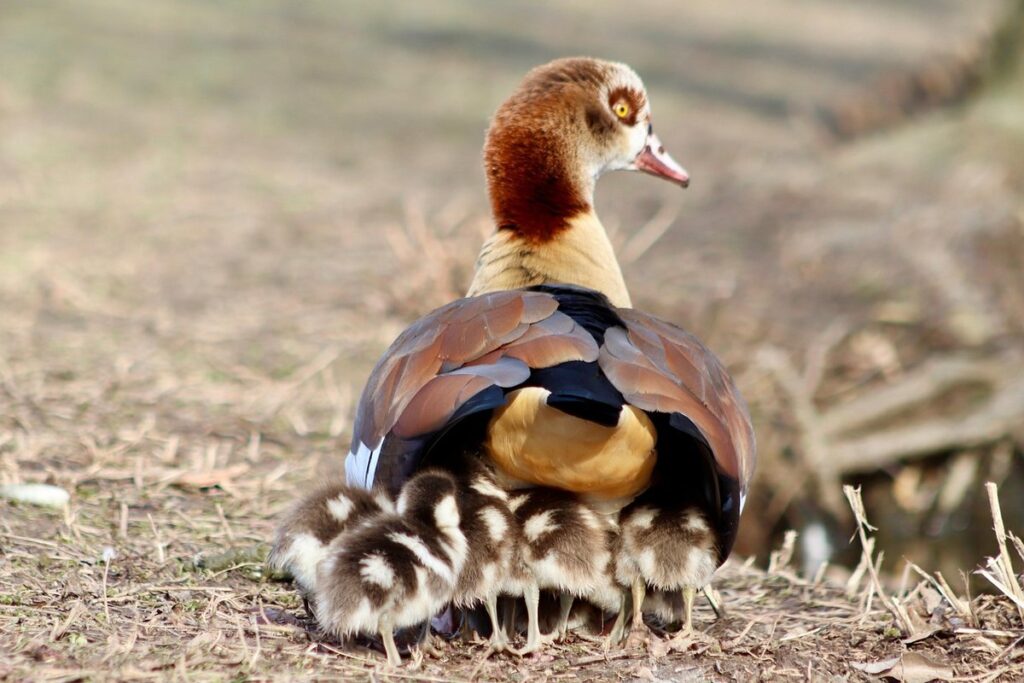
Understanding Goose Behavior and Habitat Needs
To effectively protect your geese from predators, it’s essential to understand their natural behavior and habitat needs, including how they interact with their environment. Let’s dive into what drives goose behavior.
Recognizing Goose Social Structure
When it comes to housing geese, understanding their social structure is crucial for creating a harmonious and stress-free environment. In the wild, geese are highly social creatures that thrive on interaction with each other. They form close-knit flocks, often led by an experienced matriarch, which helps them navigate their surroundings and protect themselves from predators.
In fact, research has shown that geese are able to recognize individual members of their flock after a single encounter, even after several years apart. This level of recognition is made possible through a complex communication system that involves honking calls, visual displays, and even scent marking. By mimicking this social structure in your goose housing setup, you can create a more natural and stress-reducing environment for your birds.
For example, consider grouping geese of similar age and temperament together to foster strong bonds within the flock. This can also help to reduce aggression and promote a sense of calm among the birds. By prioritizing social interaction in your goose housing design, you’ll be taking a crucial step towards creating a happy and healthy environment for your feathered friends.
Providing Adequate Space for Geese
When it comes to providing adequate space for geese, it’s essential to consider their breed size, age, and living conditions. A general rule of thumb is to provide at least 2-4 square feet per bird inside the enclosure and 10-15 square feet per bird in outdoor areas.
The American Society for the Prevention of Cruelty to Animals (ASPCA) recommends a minimum of 8-10 square feet per bird for larger breeds. However, it’s not just about the total square footage; the layout and design of the enclosure also play a crucial role. For example, providing enough vertical space is essential for geese to spread their wings comfortably.
Optimal enclosure designs often feature a large outdoor area with adequate shelter, such as a coop or barn, that provides protection from harsh weather conditions. Consider using fencing materials like durable netting or hardware cloth to prevent escape attempts and predator intrusion. By prioritizing spacious enclosures, you can help promote the overall health and well-being of your geese.
Habitat Enrichment Strategies
Geese are intelligent birds that thrive when their environment is stimulating and engaging. Providing environmental enrichment strategies can mimic natural habitats, making their lives more interesting and reducing stress. A key aspect of habitat enrichment is visual stimulation. This can be achieved by adding visual barriers such as shrubs or trees to create a sense of security. You can also place plants with varying textures and colors around the enclosure to capture their attention.
Another crucial element is water features, which provide geese with an essential source of hydration and entertainment. A small pond or pool filled with fresh water and aquatic plants will not only quench their thirst but also give them a place to swim and play.
Hiding places are just as vital in enriching the environment. Add some hiding spots such as huts, bushes or trees, which allow geese to feel secure and protected.
When incorporating these enrichment strategies, remember to tailor them according to your specific climate and regional conditions.
Designing Secure and Safe Goose Housing
When it comes to designing goose housing, safety is top of mind – let’s explore some practical tips for creating secure and safe coops that protect your birds.
Building Materials and Construction
When it comes to building goose housing, selecting the right materials is crucial for ensuring both the safety and security of your feathered friends. You’ll want to choose durable building materials that can withstand various weather conditions, are easy to clean, and provide adequate protection from predators.
Consider using materials like metal or high-density plastic for the frame and walls of your goose house, as these are resistant to rot, rust, and pests. For roofing, opt for corrugated metal or asphalt shingles, which can withstand heavy rainfall and snowfall. Ensure that all materials are securely fastened together to prevent damage from strong winds.
It’s also essential to check local building codes and regulations before commencing construction. Familiarize yourself with zoning laws, permits required, and any specific guidelines for outdoor structures in your area. This will help you avoid costly rework or even potential fines down the line. By selecting the right materials and adhering to local regulations, you’ll be well on your way to building a safe and secure goose house.
Roofing and Ventilation Systems
When designing secure and safe goose housing, it’s essential to consider the roofing and ventilation systems. A well-designed roof and ventilation system can prevent water accumulation and maintain air quality within the enclosure, reducing the risk of disease and heat stress among your geese.
A sturdy roof with a slope of at least 2:12 is crucial in preventing water from accumulating on the surface. You should also ensure that the roofing material is waterproof and resistant to extreme weather conditions. A common mistake is using asphalt shingles, which can deteriorate quickly under the harsh sun and heavy rain typical in many goose-keeping regions.
For ventilation, you’ll want to include windows or vents that allow for cross-ventilation to remove stale air and moisture. Aim for at least 1 square foot of vent opening per 10 square feet of enclosure space. This will help maintain a healthy balance between fresh air intake and humidity levels within the housing. Consider adding a rain bird or downspout to direct water away from the structure, further reducing the risk of water accumulation.
Proper installation and maintenance of your roofing and ventilation systems are also vital. Regular inspections can help identify any potential issues before they become major problems, ensuring your geese stay safe and healthy.
Predator-Proof Fencing
When it comes to securing goose enclosures, predator-proof fencing is an essential consideration. The type of fencing you choose can greatly impact the safety and security of your geese. One popular option is metal fencing, which can be made from a variety of materials such as aluminum or steel. Metal fencing is durable and can withstand harsh weather conditions, making it an excellent choice for outdoor enclosures.
A mesh size of 1 inch or smaller is recommended to prevent predators like foxes, coyotes, and raccoons from accessing the enclosure. However, mesh patterns also play a crucial role in predator protection. A diamond-patterned mesh is more effective than a square or rectangular pattern, as it allows for easier escape if a goose gets caught.
Wooden fencing is another option, but it may not be as effective as metal fencing due to its higher maintenance requirements and potential weaknesses at points of entry. Plastic fencing can also be used, particularly in smaller enclosures, but it may not provide the same level of durability as metal or wood.
Predator Protection Measures
To keep those pesky predators at bay, we’ll be covering effective measures to safeguard your geese from harm, including fencing and netting options.
Physical Deterrents: Electric Fences and Netting
When it comes to protecting your geese from predators like foxes, coyotes, and birds of prey, physical deterrents can be an effective solution. One such option is electric fencing. Electric fencing works by delivering a harmless but startling shock to animals that come into contact with it, deterring them from attempting to breach the enclosure. The key to setting up an effective electric fence is to ensure the voltage is high enough (at least 4,000 volts) and the distance between wires is optimal.
Another physical deterrent you can use is netting. Bird netting, in particular, is a popular choice for covering pens or enclosures to prevent aerial predators like hawks and eagles from swooping down on your geese. The mesh size of bird netting should be small enough (about 1 inch square) to prevent birds from getting through. When installing netting, make sure to bury the edges at least 12 inches deep to prevent digging animals from burrowing underneath.
Repellents and Scare Tactics
When it comes to protecting your geese from predators without causing harm, non-lethal deterrents can be an effective solution. One such option is noise-making devices that emit sounds undetectable to humans but unpleasant for animals like coyotes and foxes. For instance, ultrasonic repellent devices can be placed around the perimeter of your goose enclosure to scare off potential threats.
Another approach is visual scare systems, which use bright colors or reflective surfaces to startle predators. Motion-activated sprinklers are also an excellent option as they not only deter with noise but also provide a sudden burst of water that’s uncomfortable for animals. Hot pepper sprays can be used as well; these contain capsaicin, the active ingredient in chili peppers that irritates animal tissues.
These deterrents work best when combined and strategically placed around your goose housing area. It’s essential to experiment with different types of non-lethal repellents to determine what works best for your specific situation. Some geese keepers also report success using a combination of noise-making devices, visual scare systems, and hot pepper sprays to create an effective barrier against predators.
Livestock Guard Animals (LGAs)
Livestock Guard Animals (LGAs) have become an increasingly popular solution for protecting geese from predators. These animals are domesticated and trained to defend the flock against threats such as coyotes, foxes, and raccoons. Donkeys, llamas, and dogs are some of the most common LGAs used in goose farming.
When choosing a LGA, consider their temperament and breed. For example, miniature donkeys are known for their strong protective instincts and can be an excellent choice for smaller flocks. Similarly, certain breeds of dogs such as Maremmas or Akbash have been specifically bred to guard livestock from predators.
Training is also crucial when introducing LGAs to a goose flock. Socialization and habituation to the geese’s presence should start early on. This involves gradually exposing both species to each other in a controlled environment, rewarding calm behavior and avoiding sudden movements that might scare either animal. With proper training, LGAs can become invaluable assets in predator protection, not only safeguarding the flock but also providing companionship and reducing stress levels.
Common Predator Threats to Geese
When it comes to protecting your geese, one of the biggest concerns is predator threats, which can be incredibly varied and potentially deadly for these birds. We’ll take a closer look at some common predators that target geese.
Coyote and Fox Attacks
Coyotes and foxes are two of the most common predators that target geese in rural and urban areas. These canines are highly adaptable and opportunistic hunters, often targeting unsuspecting geese in open fields, parks, or even backyards. One key behavior to note is their habit of stalking and chasing geese over long distances before making a final attack.
To prevent coyote and fox attacks on your geese, it’s essential to focus on enclosure design and predator protection measures. For instance, ensure that the perimeter fence of your goose enclosure is at least 6 feet tall and made of sturdy materials such as wood or metal. You should also consider adding an electric wire or mesh around the top of the fence to deter climbing predators.
Additionally, you can incorporate other deterrents like motion-activated sprinklers, ultrasonic repellent devices, or even a guard dog to protect your geese from coyote and fox attacks. Consider removing attractants like food waste and pet food that may draw these predators to your property.
Birds of Prey: Hawks, Eagles, and Owls
When it comes to goose housing and predator protection, birds of prey are often overlooked as a significant threat. However, hawks, eagles, and owls can be formidable aerial predators that pose a real danger to geese.
These birds of prey have evolved sophisticated hunting strategies to catch their prey off guard. Hawks, for example, are known for their lightning-fast dives, using their incredible speed and agility to catch unsuspecting geese by surprise. Eagles, on the other hand, often employ stealthier tactics, swooping down silently from a distance before striking.
To protect your geese from aerial predators, consider adding overhead netting or mesh to your enclosures. This can be especially effective for smaller goose flocks. For larger operations, installing motion-activated sprinklers or ultrasonic repellent devices can also help deter birds of prey. Additionally, ensuring that your enclosure’s periphery is free from any gaps or weaknesses will make it more difficult for hawks and eagles to swoop in. By taking these measures, you can significantly reduce the risk of aerial predation on your geese flock.
Other Threats: Dogs, Cats, and Humans
While many predators target geese for their meat or feathers, there are other potential threats to their safety that often go unnoticed. Domestic pets like dogs and cats can pose a significant threat to geese, especially if they’re not socialized to live alongside them. Dogs, in particular, have a strong prey drive and may view geese as potential targets. If you have both dogs and geese on your property, it’s essential to keep a close eye on their interactions.
Human threats to goose safety are also significant. Poachers often target waterfowl like geese for their meat or feathers. Additionally, accidental harm can occur when humans interact with geese in an unsafe manner. For example, if you’re working near a flock of geese and suddenly make loud noises or approach them quickly, they may become frightened and fly into nearby obstacles.
To protect your geese from these threats, it’s crucial to take proactive measures. Keep dogs and cats separated from geese at all times, and consider using barriers like fencing or netting to keep predators out. If you have visitors on your property, educate them on how to interact with geese safely. By taking these precautions, you can minimize the risks associated with other potential threats to goose safety.
Best Practices for Goose Housing and Predator Protection
When it comes to housing your geese safely, a well-designed enclosure is crucial to protecting both them and their keepers from potential threats. A secure and predator-proof habitat requires careful planning and consideration of various factors.
Regular Inspection and Maintenance
Regular inspections and maintenance tasks are crucial to ensuring that goose enclosures remain secure and safe for geese. A well-maintained enclosure not only protects the geese from predators but also prevents potential escape attempts by the birds themselves. You should schedule regular checks on a monthly, bi-monthly, or quarterly basis, depending on the usage and climate of your enclosure.
During inspections, look out for signs of wear and tear, such as rusted wires, loose boards, or gaps in the fencing. Also, check for any areas where geese may be escaping or getting injured. Make a list of necessary repairs and prioritize them based on urgency.
Some practical tips to keep in mind during maintenance include:
• Tightening loose screws and bolts
• Replacing damaged netting or wires
• Trimming overgrown vegetation that can create hiding spots for predators
• Ensuring all gates are functioning correctly and securely locked
Ongoing Education and Training
As you continue to care for your geese, it’s essential to prioritize ongoing education and training. Goose behavior, habitat needs, and predator protection strategies are constantly evolving, and staying up-to-date is crucial for providing optimal care.
Consider attending workshops or seminars on goose management and predator control. These events offer a chance to network with experienced breeders and learn from their successes and failures. You can also join online forums or social media groups dedicated to geese to stay informed about the latest research, best practices, and product recommendations.
Don’t underestimate the value of hands-on experience either. Participate in internships or apprenticeships with seasoned goose caregivers to gain practical skills and insights. This will not only enhance your knowledge but also give you confidence in implementing new strategies on your own property.
Remember that learning is a lifelong process, especially when it comes to caring for geese. Continuously update your knowledge by attending conferences, reading scientific studies, and sharing experiences with fellow goose enthusiasts.
Collaboration with Local Authorities and Experts
Collaboration with local authorities and experts is crucial for goose owners to stay up-to-date on the latest best practices and regulations. By working together, you can gain valuable insights into effective predator protection strategies, housing design, and local laws governing animal husbandry.
Start by reaching out to your local agricultural extension office or county cooperative extension service. These organizations often have expertise in animal husbandry and wildlife management, and can provide guidance on building effective goose housing and implementing successful predator control measures.
Attend local workshops, seminars, or webinars on topics such as wildlife conservation, animal behavior, and integrated pest management (IPM). Networking with fellow goose owners and experts in the field can also lead to valuable exchanges of ideas and strategies. Additionally, consider consulting with a local wildlife control service or a professional in the field of animal husbandry to gain expert advice on your specific situation.
Frequently Asked Questions
What are some common mistakes to avoid when designing a secure goose enclosure?
When creating a predator-proof fence, it’s easy to overlook crucial details that can compromise the safety of your geese. Avoid using materials like chicken wire or low-stretch fencing, as they can be easily breached by coyotes and foxes. Instead, opt for durable materials like hardware cloth or expanded metal mesh, and ensure that all openings are securely covered.
Can I use existing farm infrastructure to create a secure goose housing system?
Yes, it’s possible to repurpose existing structures to house your geese while ensuring their safety. However, be sure to assess the integrity of the structure and make any necessary modifications to prevent predator entry points. Consider adding additional layers of protection like netting or electric fencing to safeguard vulnerable areas.
How do I balance providing adequate space for my geese with predator protection measures?
It’s essential to strike a balance between giving your geese enough room to move around and protecting them from predators. Aim to provide at least 10 square feet per goose, but ensure that the enclosure is designed with narrow openings and secure gates to prevent escape or predator entry.
Can I use electric fencing alone as a reliable predator protection measure?
While electric fencing can be an effective deterrent against coyotes and foxes, it’s not a foolproof solution on its own. Consider combining it with other measures like netting, physical barriers, or Livestock Guard Animals (LGAs) to create a multi-layered defense system.
How often should I inspect my goose housing system for signs of predator activity?
Regular inspections are crucial in identifying potential weaknesses and addressing any issues before they become severe. Schedule regular checks every 1-2 weeks during peak predator seasons, looking for signs of digging, claw marks, or other damage that may indicate predator activity.