
Geese are magnificent creatures that require special care during their annual molting process. If you’re a proud owner of these feathered friends, you know how crucial it is to ensure they stay healthy and happy throughout this critical period. Molting can be a challenging time for geese, as they shed their old feathers and grow new ones. Without proper nutrition, environment, and health considerations, your geese may suffer from stress, weakness, or even illness. That’s why we’ve put together this comprehensive guide to help you navigate the process of caring for your geese during molting. In this article, we’ll cover everything from dietary needs to environmental adjustments, so you can provide your geese with the best possible care and support their smooth transition into their new feathers.
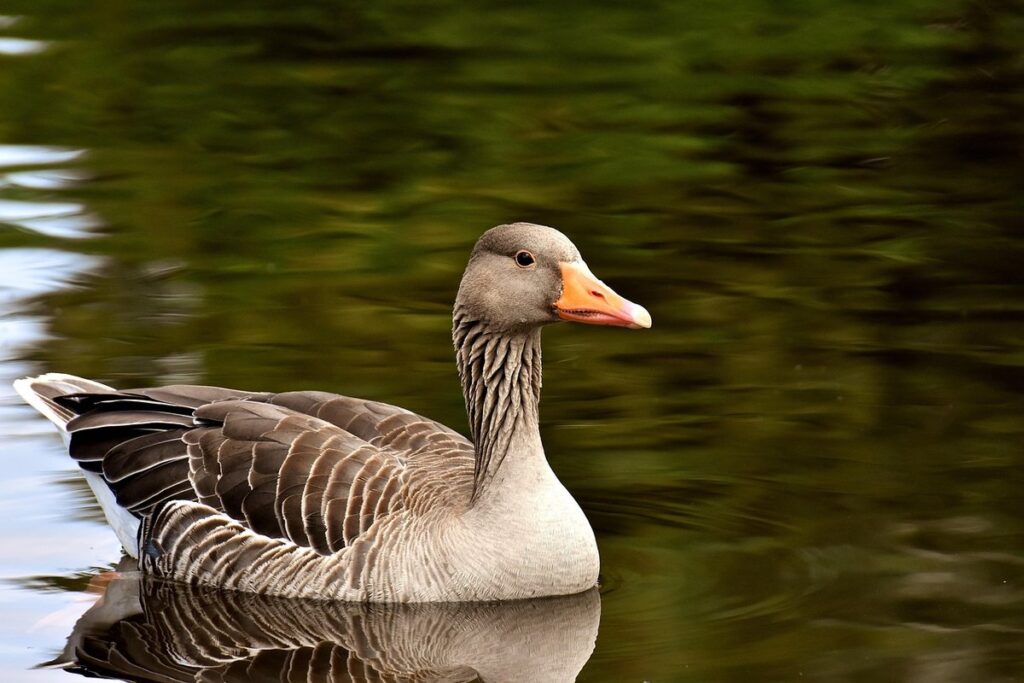
Understanding Goose Molting
Goose molting is a natural process where geese shed their feathers, and it’s essential to understand what triggers it, so you can provide the best care for your feathered friends. Let’s break down the reasons behind this process.
What is Goose Molting?
Goose molting is a natural process that occurs when geese shed their old feathers and grow new ones. It’s a crucial phase in a goose’s life cycle, essential for maintaining healthy plumage and overall well-being. The molting process typically starts with the loss of primary flight feathers, followed by the replacement of secondary feathers, and finally, the molt of soft feathers.
Several factors can trigger molting in geese, including age, nutrition, stress, and environmental conditions. For example, young goslings often molt twice a year, while adult geese may experience a single annual molt. Adequate nutrition is also vital during this period, as it provides the necessary energy for feather growth.
As an owner of a goose flock, understanding molting patterns can help you better care for your birds. By recognizing signs such as decreased appetite, lethargy, and changes in plumage, you can take proactive steps to ensure your geese receive proper nutrition and attention during this critical phase. Keep your geese on a balanced diet rich in protein, vitamins, and minerals to support healthy feather growth.
Pre-Molting Signs to Watch For
As you care for your goose, it’s essential to recognize the pre-molting signs, which can signal that a transformation is about to occur. Keep an eye out for changes in behavior, such as increased restlessness or a sudden loss of interest in activities they normally enjoy. For example, if your goose used to spend hours swimming in the pond, but now prefers to stay on dry land, it may be a sign that they’re feeling uncomfortable in their own skin.
Another key indicator is appetite – geese typically experience a decrease in food intake about 2-4 weeks before molting begins. Be aware of any changes in eating habits and ensure your goose is still consuming the nutrients it needs for optimal health.
Examine your goose’s feather condition closely; you may notice loose, brittle feathers or areas where the new growth starts to push out old ones. Take note if the feathers appear duller than usual or are losing their natural shine. These visual cues can help you anticipate when molting is about to start and prepare accordingly for a successful transition.
Nutrition and Diet for Molting Geese
When it comes to helping your molting geese thrive, their nutrition and diet play a crucial role in supporting healthy feather regrowth. Proper feeding practices can make all the difference during this critical time.
Essential Nutrients for Molt Recovery
When geese are molting, their bodies undergo significant changes to grow new feathers and repair damaged ones. To support this process, it’s essential that they receive a balanced diet rich in essential nutrients.
Protein is the primary building block of growth, and geese require a substantial amount of it during molt. Aim to provide at least 16-18% protein in their diet through high-quality commercial goose feed or supplements like soybean meal or fishmeal. You can also offer live insects like crickets or mealworms as a treat.
Vitamins are just as crucial for molting geese. Vitamin A is particularly important for healthy skin and feather growth, so ensure your geese have access to dark leafy greens like kale or spinach. Additionally, provide sources of vitamin E, such as sunflower seeds or sweet potatoes, to support antioxidant functions.
Minerals also play a vital role in molt recovery. Key minerals include calcium, phosphorus, and zinc, which can be found in small amounts in commercial goose feed. However, you may need to supplement their diet with crushed oyster shells or dark leafy greens high in these nutrients.
Feeding Strategies for Molting Geese
When it comes to feeding molting geese, their nutritional needs are crucial to support healthy feather growth and overall well-being. Molting geese require a balanced diet that includes essential nutrients such as protein, vitamins, and minerals. Adjusting their diet during this period is vital to ensure they’re getting the right mix.
Firstly, increase the frequency of feeding to 2-3 times a day to meet their high energy demands. Provide a nutrient-rich layer feed or a commercial molting ration as the main staple. Consider supplementing with fresh vegetables and fruits like leafy greens, carrots, and berries to boost vitamin and mineral intake. For example, offering sweet potatoes can provide essential vitamins A and E.
You can also offer treats like mealworms, sunflower seeds, or oats to stimulate appetite and encourage healthy eating habits. However, limit these treats to 10-15% of their daily caloric intake to avoid overfeeding and weight gain. Always monitor your geese’s food intake and adjust as needed to prevent any adverse effects on their molting process.
Environmental Factors Affecting Goose Molting
When it comes to goose molting, understanding how environmental factors impact your bird’s shedding process is crucial for a smooth transition. Let’s dive into the specific conditions that can influence your goose’s molt.
Temperature and Humidity Requirements
When it comes to providing optimal care for geese during molting, temperature and humidity levels play a crucial role. Geese require specific environmental conditions to promote healthy feather growth and prevent stress. Generally, the ideal temperature range for goose molting is between 40°F (4°C) and 70°F (21°C). Avoid placing your geese in extremely cold or hot environments, as this can slow down their molting process.
When choosing an environment, consider whether you want to keep your geese indoors or outdoors. If opting for an outdoor setting, ensure it is partially shaded and protected from harsh winds and direct sunlight. Outdoor areas should also be free from drafts, which can cause stress and discomfort. Indoor environments, on the other hand, offer more control over temperature and humidity levels.
Maintaining a relative humidity of 50-60% is essential for healthy feather growth. Dry air can cause skin irritation and slow down the molting process. You can achieve this by using humidifiers or misting your geese with water daily. Keep in mind that over-misting can be detrimental, so monitor their environment closely to avoid over-saturation.
Providing Adequate Light and Space
When it comes to providing adequate light and space for geese during molting, it’s essential to create an environment that promotes comfort and reduces stress. Geese need sufficient natural light to synthesize vitamin D3, which is crucial for calcium absorption and bone growth. A well-ventilated enclosure with large windows or a skylight can provide the necessary light while keeping the birds safe from harsh weather conditions.
For indoor enclosures, it’s vital to ensure there’s enough space for geese to move around comfortably during molting. A general rule of thumb is to provide at least 2-3 square feet of floor space per bird. This allows them to stretch their wings and legs without feeling confined or cramped. You can also consider adding enrichment activities, such as scratching posts or exercise balls, to keep the birds engaged and active.
Additionally, make sure the enclosure has a sufficient temperature range between 40°F and 70°F (4°C and 21°C) to promote molting. Avoid placing geese near drafts or cold surfaces, which can cause discomfort and slow down the molting process. By providing a well-ventilated, spacious, and comfortably lit environment, you’ll help your geese molt smoothly and efficiently.
Health Considerations During Molt
As you prepare your geese for molt, it’s crucial to consider their health and well-being during this critical process. This section will guide you through potential issues to watch out for and how to prevent them.
Monitoring for Health Issues
During molt, geese may be more susceptible to certain health issues due to their changing physiology. One common concern is respiratory problems. As the old feathers are shed and new ones grow, it can cause inflammation and irritation in the lungs and airways. This can lead to coughing, wheezing, and even difficulty breathing.
Another potential issue that may arise during molt is feather pecking. As geese begin to see their dull, molting feathers, some individuals may start to pick at or eat them. While this behavior may seem harmless, it can actually cause significant stress and discomfort for the affected goose.
To monitor your geese’s health during molt, keep a close eye on any changes in their behavior or physical condition. Watch for signs of respiratory distress, such as rapid breathing or coughing. If you notice any unusual pecking behavior, separate the affected goose from the rest of the flock to prevent further stress and potential harm.
By staying vigilant and taking prompt action if needed, you can help minimize the risk of health issues during molt. Regular check-ups with a veterinarian experienced in caring for waterfowl are also essential to ensure your geese receive proper care and attention throughout this process.
Preventative Measures for Common Ailments
As you care for your molting goose, it’s essential to take preventative measures against common health issues that can arise during this time. One of the most significant concerns is parasites, which can lead to discomfort, weight loss, and even anemia. Regular inspections are crucial; check your bird daily for signs of mites, lice, or fleas on their plumage, as well as in their droppings.
Preventing parasite infestations involves maintaining a clean environment and treating the water and surrounding area with diatomaceous earth or a similar substance. Ensure that you also treat any nesting materials to prevent egg-laying pests like mites from inhabiting them. A healthy immune system can fend off many parasites, so ensure your bird is getting adequate nutrition through high-quality feed.
Regular deworming treatments are also vital; consult with a veterinarian for advice on the best schedule and type of treatment suitable for your geese. Furthermore, monitor your bird’s droppings for signs of infection, such as blood or mucus, which can indicate internal parasites like worms or protozoa.
To prevent infections, maintain excellent hygiene standards in your backyard or enclosure; clean all surfaces regularly with soap and water. Also, ensure that you provide an adequate number of nesting boxes to avoid overcrowding.
Managing Goose Molting at Home
When it’s time for your goose to molt, you’ll want to make sure they’re getting everything they need to come out of it healthy and strong. This section will walk you through how to create a supportive environment at home.
Tips for Raising Geese in Small Spaces
Raising geese in small spaces can be challenging, especially during molting when they require extra care and attention. However, with some creative solutions and space-saving ideas, you can still provide the best possible environment for your feathered friends.
Firstly, consider providing a spacious enclosure or coop within your yard, where your geese can roam freely without taking up too much room. You can also think about vertical space by installing perches, nesting boxes, and feeding stations to maximize your yard’s potential. Another idea is to use portable pens that can be easily moved around the yard to give your geese a change of scenery.
To save even more space, consider integrating your coop with other structures on your property. For example, you could convert an old shed into a goose coop or build a multi-level coop with ramps and stairs for easy access. Additionally, use nesting boxes that can be attached to the side of the coop, freeing up floor space.
Remember, it’s not just about providing enough space but also ensuring your geese have adequate ventilation, light, and shelter during molting. By being creative and flexible, you can easily care for your geese in small spaces while keeping their needs a priority.
Encouraging Social Interaction During Molt
During molting, geese can become withdrawn and isolated. However, maintaining social interaction is crucial to prevent stress and behavioral problems. Geese are social animals that thrive on interaction, and a lack of engagement can lead to anxiety, feather pecking, or even aggression.
To encourage friendly behavior during this period, try separating your geese into smaller groups. This will allow them to bond with each other without feeling overwhelmed by the presence of too many birds. You can also provide multiple feeding stations and water sources to prevent competition and stress associated with sharing resources.
Another way to promote social interaction is through playtime. Engage your geese in activities that stimulate their minds and bodies, such as foraging games or obstacle courses. This will not only entertain them but also encourage exercise and exploration.
By implementing these strategies, you can help maintain a calm and friendly environment for your geese during the molting season, ensuring they remain happy and healthy throughout this period.
Frequently Asked Questions
How do I know if my geese are getting enough essential nutrients during molting?
Ensure you’re providing a balanced diet rich in protein, vitamins, and minerals by consulting with a poultry expert or using a nutrient calculator specifically designed for molting geese. Monitor your birds’ weight, feather growth, and overall health to adjust their diet accordingly.
Can I give my geese medicated feed during the molt period?
No, it’s generally not recommended to administer medicated feed unless advised by a veterinarian due to potential risks of antibiotic resistance and other health complications. Instead, focus on providing a nutrient-rich diet and maintaining a clean environment to support your geese’s natural immune system.
How often should I check my geese for signs of stress or illness during molting?
Monitor your geese closely every 2-3 days for changes in appetite, droppings, feather loss rate, and overall demeanor. Be prepared to make adjustments to their environment or diet if you notice any unusual behaviors or physical symptoms.
Can I keep my geese cooped up indoors during the molt period, or do they need space to roam?
Geese require adequate space for exercise and movement during molting. Providing a spacious enclosure with sufficient ventilation and sunlight is crucial for maintaining their overall health and preventing stress-related issues.
How long does it typically take for geese to complete their molt cycle?
The duration of the molt process varies depending on factors like age, breed, and nutrition. On average, it can take anywhere from 30 to 90 days for geese to complete their full molt cycle, but this may extend into several months in some cases.