
If you’re fascinated by these majestic birds, you might be wondering about the intricacies of goose nesting and brooding habits. As part of their life cycle, geese carefully select suitable habitats for their nests, taking into account factors like vegetation and predator protection. Once they’ve laid their eggs, female geese take on a crucial role – brooding, or caring for their goslings until they’re old enough to fend for themselves. Supporting conservation efforts that promote healthy goose populations requires an understanding of these vital behaviors. In this article, we’ll delve into the world of goose nesting and brooding, exploring what makes them tick and how you can contribute to their well-being. We’ll cover everything from habitat selection to gosling care, shedding light on these incredible creatures and their conservation needs.
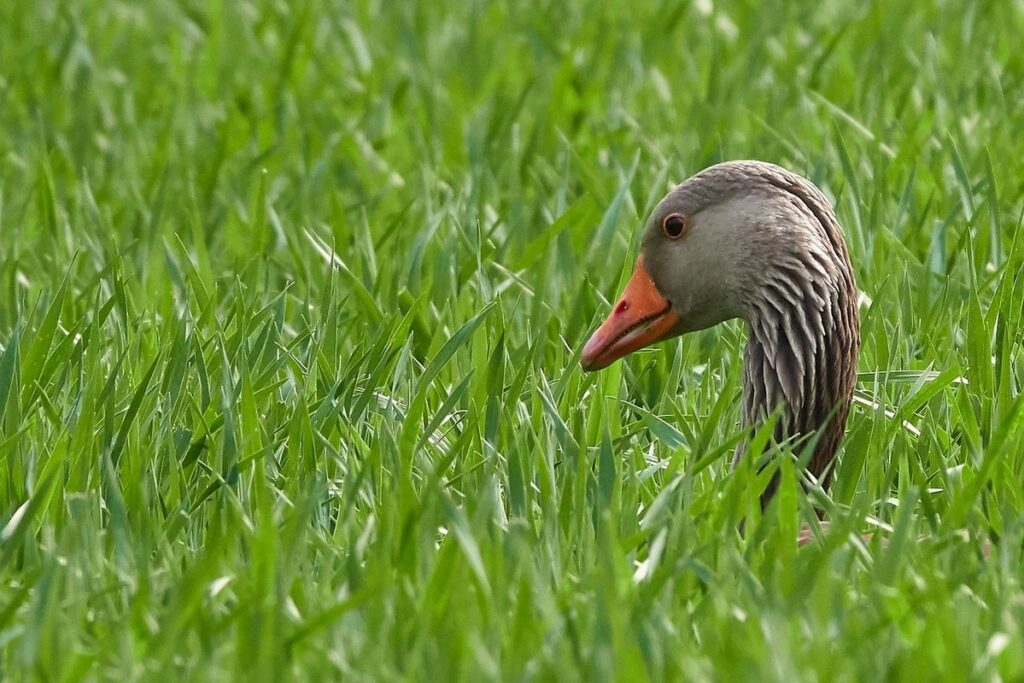
Understanding Goose Behavior and Habitat
To successfully care for a brood of goslings, it’s essential to understand how geese behave in their natural habitats and what specific needs they require during nesting. Let’s explore the key factors that influence goose behavior and habitat.
Importance of Nesting and Brooding in Goose Populations
Nesting and brooding play crucial roles in goose populations, significantly impacting population growth and survival rates. Successful nesting is essential for reproduction, as it determines the number of goslings that will hatch and eventually contribute to the population’s expansion. A suitable nesting site, protected from predators and harsh weather conditions, increases the chances of successful incubation.
Inadequate or unsuitable nesting can lead to reduced reproductive success, resulting in smaller populations. For instance, a study on Canada geese revealed that females that nested in areas with high predator activity had significantly lower hatching rates compared to those that nested in safer locations. Similarly, brooding, the process of keeping goslings warm and safe during their vulnerable early stages, is vital for ensuring their survival.
To promote successful nesting and brooding, provide geese with suitable habitats that include natural shelters, adequate food sources, and minimal human disturbance. This can be achieved through habitat restoration, providing artificial nesting platforms, or implementing measures to reduce human-goose conflicts.
Common Habitats for Gooses to Nest and Brood
Geese are adaptable birds that can be found nesting and brooding in various habitats across North America. Wetlands, such as marshes, swamps, and river valleys, are ideal for geese due to their abundance of vegetation, water sources, and suitable terrain for nesting. These areas often provide a safe haven from predators and harsh weather conditions.
Grasslands, including meadows and fields, are also popular habitats for goose nesting and brooding. Geese can be seen building nests in the tall grasses, using their powerful feet to create a comfortable platform. Urban areas have become an increasingly common habitat for geese, with parks, golf courses, and even backyards becoming makeshift nesting sites.
It’s essential to note that geese will often choose areas with minimal human disturbance and access to food sources. If you’re concerned about geese nesting on your property, consider removing any potential attractants, such as grass seed or grains, and installing visual deterrents like balloons or flags. By understanding goose behavior and habitats, you can better coexist with these amazing birds during their nesting and brooding seasons.
Pre-Nesting Behavior and Preparation
As you prepare for goose nesting season, it’s essential to understand the pre-nesting behavior and preparation of these magnificent birds. This crucial period sets the stage for a successful brooding experience.
Identifying Suitable Nesting Sites
When it comes to selecting a suitable nesting site for geese, there are several key factors to consider. One of the most important is proximity to water. Geese need access to water not only for drinking but also for feeding and bathing. A pond, lake, or even a large puddle can serve as an ideal location for a goose nest.
Another crucial factor is shelter from predators. Geese are vulnerable to predation by foxes, coyotes, and hawks, among others. Look for areas with dense vegetation, such as thickets or shrubs, that provide cover and concealment from potential threats. A nesting site near a forest or woodland edge can offer excellent protection.
In addition to water and shelter, availability of food is also essential. Geese require a steady supply of grasses, seeds, and other plants to sustain themselves during the breeding season. Areas with abundant vegetation, such as wet meadows or fields with diverse plant species, are ideal for goose nesting sites. By considering these factors, you can increase the chances of selecting an optimal location for geese to nest and raise their young.
Courtship and Pair Bonding in Geese
Before geese begin their nesting cycle, they engage in elaborate courtship rituals to strengthen pair bonds and secure long-term monogamy. These displays of affection often involve synchronized dancing, where pairs will match each other’s steps and movements with incredible precision. This ritual serves as a way for the birds to reaffirm their partnership and reinforce their commitment to one another.
In fact, many goose species exhibit remarkable loyalty and devotion in their pair bonds, with some couples staying together for up to 20 years or more. To encourage this level of fidelity, it’s essential for geese to engage in these courtship rituals regularly before the nesting season. By doing so, they’re able to rekindle their romance and solidify their partnership.
As a responsible goose owner or wildlife enthusiast, you can encourage your feathered friends to participate in these rituals by creating an environment that fosters bonding. This might involve providing a safe and comfortable space for them to roam, as well as offering plenty of opportunities for exercise and play.
The Nesting Process
Now that you know what to expect from goose nesting, let’s dive into the fascinating process of building a nest, carefully selecting materials and constructing it in just the right spot.
Building the Nest: Materials and Structure
When it comes to building their nest, geese are incredibly skilled birds. The materials they use vary depending on the environment and what’s available, but some common materials include twigs, grasses, leaves, and even mud. In general, geese tend to build their nests in a shallow depression or cup-shaped structure, about 6-12 inches deep and 2-3 feet wide.
The shape of the nest can vary, but it often resembles a large bowl or saucer. Geese typically line their nests with softer materials like grasses, feathers, or plant down to make them more comfortable for laying eggs. When choosing a location for their nest, geese usually look for a spot that’s relatively safe from predators and harsh weather conditions.
Some species of geese, such as Canada geese, tend to build their nests on the ground in wetlands or grasslands. Others, like snow geese, might build their nests on raised platforms or even abandoned burrows. Whatever the location, the nest is always carefully constructed to provide a safe and cozy spot for the female goose to lay her eggs.
It’s worth noting that the size of the nest can also vary depending on the species of goose. Some larger breeds may build nests that are much larger than those of smaller species. Regardless of size or location, the nesting material is often carefully arranged to create a sturdy and secure structure for the female goose to incubate her eggs.
Egg-Laying and Incubation in Geese
As geese prepare to hatch their goslings, they undergo a crucial process called incubation. This is the time when the female goose carefully keeps her eggs warm and safe until they’re ready to emerge. The length of incubation varies depending on several factors, including breed and environmental conditions. On average, it takes around 28-30 days for geese eggs to hatch.
During this period, the mother goose takes turns with the male to incubate their eggs. They will often sit tightly together, sharing body heat and protecting their eggs from potential threats. The female will typically lay her eggs in a nest, which she builds using grasses, twigs, and other vegetation.
It’s essential for goose owners or enthusiasts to provide a safe and stable environment during this critical period. Make sure the nesting site is secure and protected from predators, and ensure the temperature remains consistent. With proper care and attention, geese can successfully hatch their eggs and welcome new additions to their family.
Brooding: Caring for Young Goslings
When it comes to raising your gosling family, providing a safe and nurturing environment is crucial. In this section, we’ll explore the essential care and attention young goslings require during their brooding stage.
Gosling Development and Growth Stages
As you witness your goslings grow from adorable balls of fluff to energetic, strutting birds, it’s essential to understand their developmental milestones. Gosling development and growth stages are a fascinating process that requires attention to detail and proper care.
During the first week after hatching, goslings are vulnerable and rely heavily on their mother’s brooding efforts for warmth and protection. Their eyes are still closed, and they’re unable to regulate their body temperature, so it’s crucial to maintain a consistent brooding schedule.
By around 5-7 days old, goslings start to develop their feathers, and their eyes begin to open. They’ll take their first wobbly steps outside the nest, stumbling but determined to explore their surroundings. As they grow, they’ll shed their downy coat and start to acquire adult-like feathers.
A healthy gosling should triple its birth weight by the end of week two, so monitor their growth closely. Provide a nutritious starter feed that includes a balanced mix of grains, proteins, and vitamins to ensure optimal development.
Parental Care and Gosling Protection
As goose parents tend to their goslings, they exhibit remarkable devotion and care. Feeding is an essential aspect of this process. The female parent will regurgitate food and transfer it to the beaks of her hungry goslings. This behavior not only satisfies their nutritional needs but also strengthens the bond between parent and offspring.
In addition to feeding, goose parents are meticulous about grooming their young. They preen the soft down on their backs, keeping it clean and free from debris. This practice helps maintain the insulating properties of the down, which is crucial for the goslings’ development in the cold temperatures of the nest.
Goose parents also possess an acute sense of alertness to potential threats. They remain vigilant, scanning their surroundings for signs of predators such as foxes, coyotes, or hawks. If a threat is detected, they will sound alarm calls, warning other family members and driving the goslings to safety.
Challenges Facing Goose Nesting and Brooding
When it comes to goose nesting and brooding, there are several challenges you may face that can impact your success, including predators and harsh weather conditions.
Human Impact on Goose Habitats and Populations
Human activities have a profound impact on goose habitats and populations, posing significant challenges to their survival. Urbanization, for instance, has led to the destruction of natural habitats, forcing geese to adapt to human-dominated landscapes. As cities expand, grasslands, wetlands, and other critical habitats are converted into residential areas, commercial spaces, or agricultural land, leaving geese with limited options for nesting and brooding.
Agricultural practices also play a significant role in altering goose habitats. The expansion of farmland has led to the drainage of wetlands, creating barriers between geese populations and their traditional habitats. Furthermore, intensive farming techniques often involve the use of pesticides, herbicides, and fertilizers that can pollute water sources, making it difficult for geese to find safe places to nest and raise their young.
Hunting is another significant threat to goose populations, with many species facing overhunting pressures. In some regions, hunting regulations may not be strictly enforced, allowing excessive harvesting of geese, which can lead to population declines. To mitigate these impacts, it’s essential for individuals and communities to adopt sustainable land-use practices, support conservation efforts, and advocate for responsible wildlife management policies that balance human needs with the well-being of goose populations.
Predation and Other Threats to Goose Nesting and Brooding
Geese face numerous threats to their nesting and brooding success, with predation being one of the primary concerns. Predators such as foxes, coyotes, and hawks are known to target geese nests, especially during vulnerable periods like incubation and brooding. Foxes, for instance, are skilled hunters that can easily sneak up on unsuspecting geese. Coyotes, on the other hand, have been known to hunt in packs, making them a formidable threat to goose families.
In addition to predators, environmental factors also pose significant threats. Inclement weather conditions like heavy rainfall or strong winds can lead to nest abandonment, while human activities such as construction and agriculture can cause disturbance and displacement of geese. For example, a study conducted in the UK found that 70% of goose nests were destroyed by foxes alone.
To mitigate these risks, it’s essential for goose breeders and conservationists to take proactive measures. This includes using protective fencing around nesting sites, installing camera surveillance systems to detect predators, and implementing non-lethal deterrents such as ultrasonic repellent devices. By taking a multi-faceted approach to addressing predation and environmental threats, we can help ensure the long-term success of goose populations.
Conclusion: Preserving Goose Populations
Now that you’ve learned how to successfully raise a brood of goslings, let’s talk about what comes next and how to preserve goose populations for generations to come.
Importance of Conservation Efforts for Gooses
As we conclude our comprehensive guide to goose nesting and brooding, it’s essential to emphasize the significance of conservation efforts for these magnificent birds. Gooses play a vital role in maintaining ecosystem balance, and their populations are facing numerous threats. Habitat destruction, hunting, and climate change are just a few of the pressing issues that require immediate attention.
Conservation efforts can have a significant impact on protecting goose populations and their habitats. For instance, establishing protected areas for breeding and migration is crucial for safeguarding these birds’ survival. Similarly, implementing sustainable hunting practices and reducing human-wildlife conflict can also contribute to population stabilization.
You can get involved in conservation efforts by supporting organizations that work towards protecting goose habitats and advocating for policy changes. Even small actions, such as spreading awareness about the importance of conserving goose populations, can make a significant difference. By working together, we can ensure the long-term survival of these incredible creatures. Remember, every effort counts, and collective action can have far-reaching benefits for both geese and their habitats.
Ways to Support Goose Nesting and Brooding in Your Community
When you live in an area with resident goose populations, it’s not just about coexisting peacefully – it’s also about creating a supportive environment for their nesting and brooding needs. As a community member, you can play a significant role in promoting healthy goose habitats.
Start by identifying potential nesting sites within your neighborhood. Look for areas with minimal disturbance, such as green spaces or parks away from main roads. Once identified, work with local authorities to establish “goose-friendly” zones where human activity is minimized during breeding seasons (typically April-June).
Install signs and educational materials in these areas to raise awareness about the importance of goose nesting and brooding. You can also collaborate with nearby residents to create a community watch program that monitors and reports any potential threats or disturbances.
Another crucial aspect is maintaining a safe and clean environment for geese. Regularly dispose of trash and debris, and consider creating bird-friendly plants in your garden to provide food sources for the mother geese during this vulnerable period.
Frequently Asked Questions
Can I replicate the nesting habits of geese in my own backyard for conservation purposes?
Replicating goose nesting habitats requires careful consideration of local regulations, as well as understanding specific habitat needs like water sources and vegetation cover. It’s essential to prioritize the well-being of both humans and animals by consulting with local wildlife experts before creating artificial nesting sites.
What are common signs that a goose has abandoned its nest or is no longer brooding?
Keep an eye out for changes in the mother’s behavior, such as leaving the nest unattended or exhibiting less vigilance. Additionally, check if the eggs have been laid, and if they’re no longer incubating – these can be crucial indicators of the family’s well-being.
How do I balance supporting goose populations with concerns about property damage from nesting geese?
Communicate effectively with local authorities and neighboring landowners to develop strategies for managing potential conflicts. Install signs alerting people to the presence of nesting sites, or collaborate with conservation groups on implementing humane deterrents like noise-making devices or visual repellents.
What role do climate change and extreme weather events play in affecting goose populations?
Global warming has led to alterations in temperature patterns, disrupting goose breeding seasons and habitats. Moreover, severe weather events can cause erosion and flooding that threaten nesting sites – emphasizing the importance of considering these factors when assessing population health and developing conservation strategies.
Can I help goslings from injured or orphaned parents, or is it best to leave them alone?
If you find an abandoned gosling, prioritize contacting local wildlife rehabilitation centers for guidance. Avoid intervening in natural processes unless absolutely necessary – human intervention can sometimes do more harm than good by disrupting the family dynamics and increasing vulnerability to predators.