
As a goose owner or manager, you know how much joy these beautiful birds bring to our lives. However, their charm is often accompanied by a more serious issue: predator attacks. From coyotes and foxes to hawks and owls, geese are vulnerable to numerous predators that can cause harm or even death. Not only is this devastating for the goose, but it also poses a threat to human safety and property.
In this article, we’ll explore effective ways to safeguard your geese against common predators. We’ll delve into non-lethal deterrents like fencing methods and repellents, as well as lethal control measures when necessary. But that’s not all – we’ll also discuss the importance of collaboration with local authorities in protecting your geese population. By the end of this article, you’ll be equipped with the knowledge to create a safe haven for your geese while promoting coexistence with wildlife.
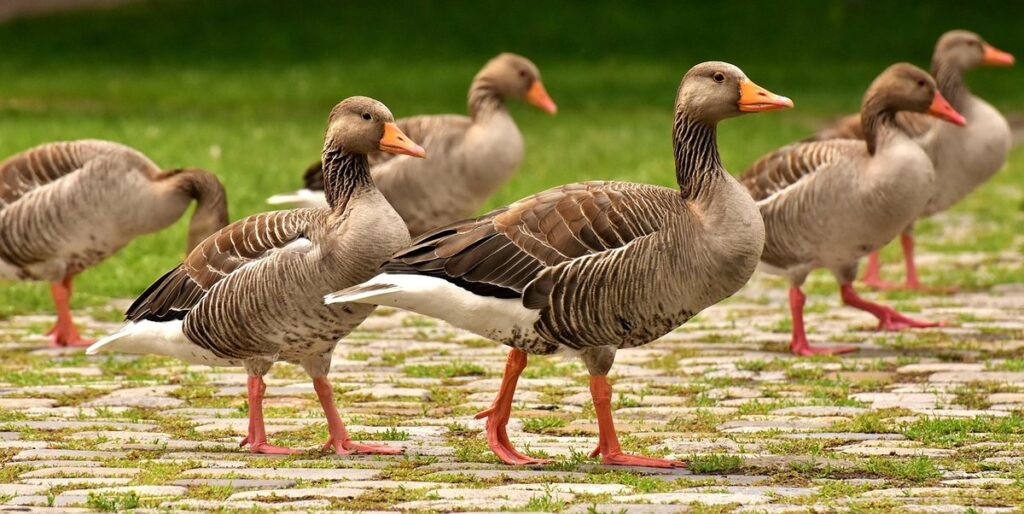
Understanding Goose Predators
As we explore ways to protect these amazing birds, let’s take a closer look at some of the key predators that threaten goose populations. We’ll examine common threats and potential solutions together.
Common Goose Predators in Different Regions
Geese face threats from various predators across different regions. In North America, birds of prey like hawks, owls, and eagles are known to attack geese. Bald eagles, for instance, are a major concern, particularly near water bodies where they can swoop down on unsuspecting geese.
In Europe, foxes and coyotes are common predators of geese. These mammals often target goslings during the breeding season when they are most vulnerable. Foxes are also skilled at raiding nests, making them a significant threat to goose populations.
In Africa and Asia, large carnivores like lions, leopards, and hyenas prey on geese. In these regions, human-wildlife conflict is also a major issue, with domesticated animals like dogs often attacking geese.
To mitigate the risk of predation, it’s essential to implement effective protection measures. This can include using guard animals or decoys to deter predators, installing fencing around enclosures, and monitoring goose populations regularly for signs of predator activity. By understanding the common predators in your region, you can take proactive steps to safeguard geese and prevent losses.
Factors That Attract Predators to Gooses
When it comes to understanding goose predators, it’s essential to recognize that certain factors can attract these animals to goose populations. One of the primary reasons is habitat. If you live near a goose sanctuary or an area where geese congregate, you may inadvertently be creating a haven for predators such as coyotes, foxes, and raccoons.
Geese often gather in areas with abundant food sources, which can also attract predators. For instance, if your lawn is well-manicured and seeded with nutritious grass, it’s likely to attract geese, which in turn may draw predators seeking an easy meal. Similarly, water sources like ponds or lakes are magnets for geese, and these areas can become breeding grounds for predators.
To minimize the presence of predators near your goose population, consider landscaping modifications that discourage geese from nesting on your property. You can also take steps to secure food sources by using predator-deterrent plants in your garden or removing any potential prey items. Additionally, maintaining a clean and tidy water source can help deter predators from congregating around it.
Identifying Signs of Predator Activity
As a goose guardian, it’s crucial you know how to recognize signs of predator activity around your flock. In this next part, we’ll walk through common warning signals and what they mean.
Visual Cues: Recognizing Predator Damage on Your Property
When out on your property, it’s essential to keep an eye out for visual signs of predator activity. These can be telling indicators that a coyote, fox, or other goose predator is lurking nearby.
Tracks and scat are two common signs of predator presence. Look for prints in the soil, mud, or sand that resemble those of a coyote or fox – they’re often larger than those left by smaller animals like raccoons or opossums. Scat, on the other hand, can be identified by its shape and size; coyote scat is typically long and thin, while fox scat is more tubular.
Pay attention to damage to your property or vegetation as well. Coyotes and foxes often target gardens, lawns, and trees, using their sharp teeth and claws to destroy plants and flowers. Keep an eye out for gnaw marks on tree trunks, holes in garden beds, or torn-up grass.
To effectively identify predator activity, it’s crucial to know what normal tracks and scat look like on your property. Take note of the size and shape of animal prints, as well as the types of plants that are being targeted. This will help you quickly recognize when a predator is present.
Monitoring Flock Behavior for Predation Indicators
Monitoring flock behavior is crucial when it comes to identifying signs of predator activity. As a goose owner or caretaker, you need to be aware of changes in your birds’ behavior that may indicate the presence of predators. One of the primary indicators of predation is increased vigilance.
Geese will often become more alert and watchful when they sense potential danger nearby. They may stand taller, spread their wings, or make loud honking sounds to alert other members of the flock. If you notice your geese exhibiting these behaviors, it’s essential to investigate further to determine if there is a predator lurking in the area.
Another sign of predation is altered grazing patterns. Geese that are normally active grazers may suddenly stop eating or become hesitant to venture out into areas they previously frequented. This change in behavior can be an indication that a predator is present, and it’s essential to take action to protect your flock. Keep a close eye on your geese and watch for these changes in behavior to ensure their safety.
Preventing Goose Predation with Effective Fencing
Effective fencing is one of the most crucial steps in protecting your property and crops from goose predation, so let’s dive into what makes a fence truly effective.
Types of Predator-Proof Fencing Suitable for Gooses
When it comes to protecting your geese from predators, choosing the right fencing is crucial. There are several types of predator-proof fencing that can be effective against various threats.
High-tensile wire fencing is a popular option for securing large areas where geese roam freely. This type of fencing consists of thin wires stretched between posts, making it difficult for predators like coyotes and foxes to climb or dig underneath. High-tensile wire fencing is also versatile, allowing you to install it around trees, ponds, and other obstacles.
Electric netting is another effective solution, especially for smaller enclosures or pens. This type of fencing uses thin wires that are electrified when a geese passes through them, providing a shock that deters predators from attempting to breach the fence. Electric netting is also portable and can be easily set up around different areas of your property.
When selecting either high-tensile wire or electric netting, consider factors like durability, visibility, and ease of maintenance. Additionally, make sure to follow local regulations regarding fencing materials and installation. By choosing the right type of predator-proof fencing for your geese, you can rest assured they’ll be safe from predators and thrive in their surroundings.
Installing and Maintaining Fencing Systems for Optimal Effectiveness
When it comes to protecting your geese from predator attacks, a sturdy and well-maintained fencing system is essential. Proper installation and regular maintenance are crucial to ensure the effectiveness of your fencing system.
To begin with, choose a fencing material that’s robust enough to withstand the forces exerted by aggressive geese or predators trying to breach the barrier. Some popular options include high-tensile wire, metal mesh, or wooden posts with barbed wire. Consider factors such as durability, rust-resistance, and visibility when making your selection.
During installation, ensure that fencing posts are firmly anchored in the ground to prevent shifting or toppling over time. Additionally, use sturdy wire or cable to secure fencing panels together and make them tamper-proof. Regularly inspect your fence for any signs of damage, wear, and tear, and perform repairs promptly to maintain its integrity.
By following these steps, you can minimize the risk of goose predation on your property while ensuring a safe and healthy environment for both humans and geese alike.
Deterrents and Repellents: Non-Lethal Methods for Predator Control
If you’re concerned about protecting your geese from predators, consider using non-lethal deterrents like noise-making devices or motion-activated sprinklers to scare them away. These methods can be an effective alternative to physical barriers.
Chemical Repellents and Granular Deterrents for Goose Predators
When it comes to protecting goose habitats from predators, non-lethal deterrents are an essential tool. Chemical repellents and granular deterrents are effective ways to keep these unwanted visitors at bay.
One of the most popular chemical repellents is predator-deterrent granules that contain capsaicin or other hot peppers. These granules can be sprinkled around the perimeter of the goose habitat, creating a barrier that predators won’t want to cross. For example, Shake-Away Predator Granules are a popular choice among wildlife managers and homeowners alike.
Another option is to use granular repellents specifically designed for geese. These products typically contain natural ingredients like predator urine or hot peppers that repel geese without harming them. When choosing a product, be sure to read the label carefully and follow the instructions for application.
When applying chemical repellents, it’s essential to follow these tips: always wear protective gear, apply in areas inaccessible to pets and children, and reapply as directed to maintain effectiveness. By using these non-lethal deterrents, you can effectively protect your goose habitat without causing harm to the predators or the environment.
Ultrasonic Devices and Visual Deterrents for Goose Predators
If you’re looking for non-lethal methods to deter goose predators, ultrasonic devices and visual deterrents are excellent options. These humane solutions scare away predators without causing them harm, protecting both the geese and other wildlife.
Ultrasonic devices emit high-frequency sounds undetectable to humans but unpleasant for predators like coyotes, foxes, and stray dogs. These devices can be placed around the perimeter of your property or near areas where geese congregate. For example, a study in a Canadian park found that ultrasonic devices reduced coyote activity by 90%, allowing geese populations to thrive.
Visual deterrents also work effectively as goose predators often prefer stealth and surprise. Motion-activated sprinklers, reflective tape, or balloons can create an intimidating environment for approaching predators. Consider using multiple visual deterrents in combination with each other to maximize effectiveness. Installing a system of sensors and alarms linked together can alert you to any predator activity, allowing swift action to be taken.
When choosing between ultrasonic devices and visual deterrents, consider the specific predator types present in your area. A well-designed multi-layered approach that incorporates both methods will provide maximum protection for your geese populations.
Lethal Control Methods: When Necessary
In some situations, lethal control methods may be necessary for protecting people and property from aggressive geese. This section will explore those scenarios in more detail.
Regulated Slaughter Programs for Managing Predator Populations
Regulated slaughter programs can be an effective tool for managing predator populations when necessary. These programs ensure that predators are humanely euthanized to prevent further harm to crops, property, and human life. Regulated slaughter programs typically involve collaboration between wildlife management agencies, landowners, and local authorities.
In the United States, for example, the U.S. Department of Agriculture’s Wildlife Services (WS) program provides a regulated approach to predator control. WS biologists work with landowners to identify areas where predator populations are causing significant damage and develop strategies to manage these populations. This can include the use of lethal control methods such as shooting or trapping.
If a regulated slaughter program is implemented, it’s essential to follow established protocols to ensure humane treatment of predators. This includes proper handling and restraint of animals before euthanasia, as well as post-euthanasia disposal procedures that minimize animal suffering. By working with trained professionals and following regulated guidelines, landowners can manage predator populations while upholding animal welfare standards.
Trapping and Removal of Predators from Goose Habitats
When non-lethal measures are ineffective or impractical, trapping and removal of predators can be an effective way to protect goose habitats. This approach is often used when monitoring shows that predator populations are significantly impacting local goose populations.
There are several types of traps that can be used for predator control, including cage traps, box traps, and snares. Cage traps are suitable for larger predators like coyotes and foxes, while box traps and snares can be used to catch smaller predators like raccoons and weasels. It’s essential to follow local regulations regarding trap placement, size, and type.
Before setting up traps, identify areas where predator activity is highest. This may involve monitoring for signs of predation, such as tracks or scat, or using camera traps to capture images of predators in the area. When trapping, ensure that the trap is baited with an attractant suitable for the target species and positioned correctly.
A study conducted in a national park found that removing 20% of the local coyote population resulted in a significant decrease in predation on waterfowl. Similarly, another study showed that using snares to control raccoon populations reduced damage to crops by over 50%. These examples demonstrate the effectiveness of trapping and removal when done correctly and with careful consideration of long-term ecological impacts.
Collaborative Efforts: Working with Local Authorities and Neighbors
As you work towards protecting your local goose population, partnering with nearby authorities and neighbors can be a game-changer in keeping predators at bay. Let’s explore how collaborative efforts can make a significant impact on your community’s wildlife safety.
Building Partnerships with Local Animal Control Agencies and Wildlife Services
Building strong relationships with local animal control agencies and wildlife services is crucial for effectively managing goose predators. By working together, you can tap into their expertise and resources to develop effective strategies for protecting both humans and geese.
One key reason to build these partnerships is that local authorities often have a deep understanding of the area’s specific challenges and needs. For instance, they may be aware of areas with high concentrations of goose predators or know which species are causing the most problems. By sharing this knowledge, you can develop targeted solutions that address the root causes of the issue.
To establish these partnerships, start by reaching out to local animal control agencies and wildlife services through phone calls, emails, or in-person meetings. Introduce yourself and your goals for protecting geese from predators, and be prepared to offer something in return, such as sharing your own expertise on goose behavior and habitat management. Regular communication will help build trust and ensure that you’re working together effectively. By combining your efforts, you can create a safer environment for both humans and geese.
Informing and Educating Neighbors about Goose Predation Risks
As you work to manage goose predation risks in your community, it’s essential to educate your neighbors about the importance of this effort. Many people may not be aware of the dangers that geese pose to their pets, children, and property, so it’s crucial to inform them about the potential consequences.
One way to do this is by hosting a neighborhood meeting or sending out a community newsletter with information on goose behavior, habitat destruction, and the risks associated with aggressive geese. You can also provide statistics on the number of attacks that have occurred in your area and share examples of how other communities have successfully managed their goose populations.
Encourage your neighbors to take action by suggesting ways they can contribute to predator management efforts. This might include reporting aggressive goose behavior, participating in local clean-up initiatives, or supporting local wildlife control services. By working together, you can create a safer environment for everyone and reduce the risks associated with goose predation.
Frequently Asked Questions
What are the most effective non-lethal deterrents for protecting geese from predators?
Non-lethal deterrents can be an excellent first line of defense against goose predators. Some of the most effective options include installing ultrasonic devices, using visual deterrents like balloons or reflective tape, and employing chemical repellents or granular deterrents. However, it’s essential to remember that different regions have varying levels of effectiveness for these methods. Research local predator behavior to choose the best non-lethal deterrents for your geese.
How do I know if my goose fencing is effective against predators?
Effective goose fencing not only prevents escape but also keeps out predators. To ensure your fence is working, inspect it regularly for damage or weaknesses. Look for signs of tampering or predator activity nearby. Also, consider the type and quality of materials used in your fencing system. Predator-proof fencing suitable for geese often features sturdy posts, heavy-duty wire mesh, and a height of at least 6 feet to prevent jumping.
Can I use deterrents like ultrasonic devices and visual deterrents together?
Yes, using multiple non-lethal deterrents can be an effective strategy in protecting your geese from predators. This approach is known as “layered defense.” By combining different types of deterrents, you can create a robust defense system that makes it difficult for predators to target your geese. Consider pairing ultrasonic devices with visual deterrents like balloons or reflective tape for enhanced protection.
How do I address the concerns of neighbors about goose predation risks?
Informing and educating your neighbors about the risks associated with goose predation can be an excellent way to build partnerships and promote coexistence with wildlife. Discuss the importance of goose predators and the measures you’re taking to protect your geese, including fencing methods and non-lethal deterrents. This collaborative approach can help alleviate concerns and foster a more harmonious community.
What are some essential considerations when choosing a lethal control method for predator populations?
When considering lethal control methods, it’s crucial to understand that regulated slaughter programs or trapping and removal of predators should only be employed as a last resort. Before making this decision, assess the effectiveness of non-lethal deterrents and ensure you’re collaborating with local authorities and neighbors. Additionally, always follow local regulations and take necessary precautions to avoid unintended consequences on your geese population.