
If you’re considering adding geese to your backyard flock or already have them, chances are you’ve wondered how their care differs from that of chickens. While both birds are popular choices for small-scale farming and homesteading, they have distinct needs when it comes to housing, diet, and health. Geese can live up to 20-30 years, whereas chickens typically have a lifespan of around 5-7 years. Moreover, geese require more space and specific dietary needs than chickens do. In this article, we’ll delve into the essential differences in caring for geese versus chickens, including their unique housing requirements, health concerns, and dietary needs to ensure you can provide your flock with the best possible care. By understanding these key differences, you’ll be better equipped to create a happy and healthy environment for both your chickens and geese.
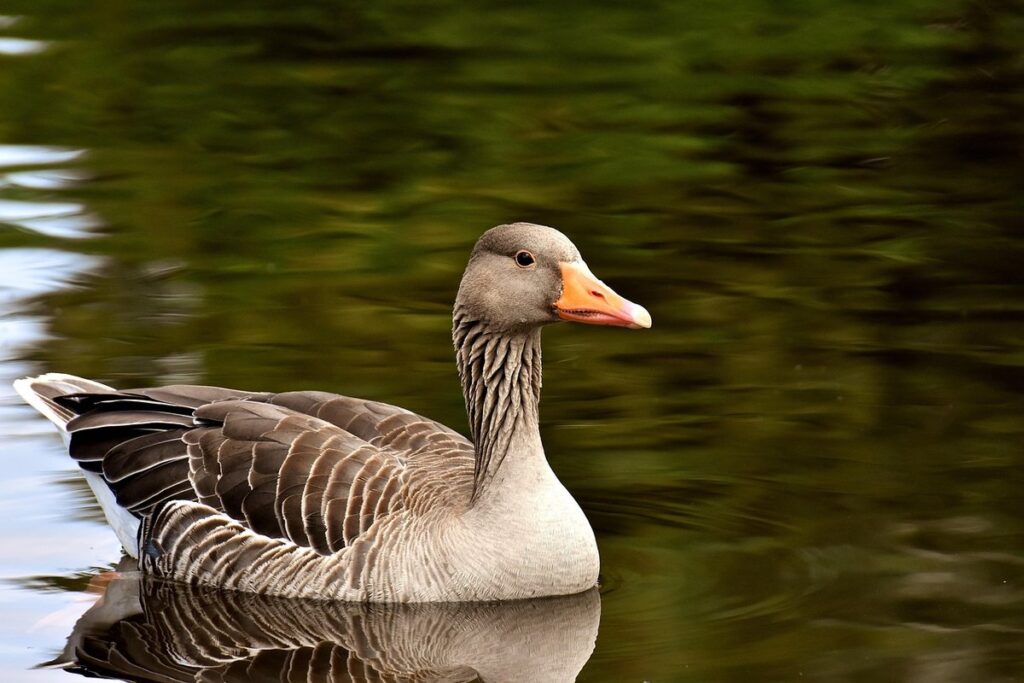
Understanding the Basics
Let’s start from scratch and get a solid foundation of goose and chicken care. We’ll cover the essential needs, habits, and characteristics of each bird species to give you a better understanding of their unique requirements.
Life Expectancy and Size
When it comes to caring for geese versus chickens, one key consideration is their average lifespan. Geese can live for around 20-30 years, while the average lifespan of a chicken is about 5-7 years. This significant difference in longevity means that owners must plan for long-term care and consider their ability to commit to caring for their feathered friends for decades.
In terms of space requirements, geese need more room to roam than chickens. They require a minimum of 10 square feet per bird, while chickens can thrive in areas as small as 2-4 square feet per bird. If you’re planning to keep both species on the same property, it’s essential to provide sufficient space for each group. For example, if you have a 100-square-foot enclosure, consider dividing it into separate sections for geese and chickens to ensure each gets the space they need.
Ultimately, when deciding between goose and chicken care, factor in your ability to provide adequate space and plan for their long-term well-being.
Dietary Needs and Requirements
When it comes to meeting the dietary needs of geese versus chickens, there are distinct differences that need to be considered. Geese require a diet rich in fiber and moderate amounts of protein, whereas chickens can thrive on higher-protein diets.
A key nutritional requirement for geese is calcium, which they need to maintain strong bones and eggshell production. In contrast, chickens have lower calcium needs but require more phosphorus to support their rapid growth rates. Additionally, geese are grazers by nature and prefer a diet that includes grasses, clover, and other vegetation.
In terms of food preferences, geese tend to be picky eaters and may reject foods they deem unpalatable. Chickens, on the other hand, are more adaptable eaters and can thrive in a variety of settings. To cater to the unique needs of your feathered friends, it’s essential to provide a balanced diet that includes both grains and forages.
To ensure you’re meeting the dietary requirements of geese or chickens, consider consulting with a veterinarian or poultry expert who can guide you on providing the best possible nutrition for your flock.
Housing and Environment
When it comes to providing a comfortable home for your feathered friends, housing options can vary greatly between geese and chickens. Let’s explore how to create suitable living spaces for each.
Enclosure and Fencing Requirements
When it comes to housing geese versus chickens, their enclosure and fencing requirements are distinctly different. Geese, being larger and more powerful, need a secure and sturdy fence that can withstand their strength and agility. A minimum of 6 feet tall fence is recommended, with a horizontal wire mesh spacing of no more than 12 inches apart. This will prevent them from flying over the fence or pushing through it.
In contrast, chickens can thrive in smaller enclosures with fencing as low as 3-4 feet tall. However, it’s still essential to ensure the fencing is sturdy and secure to prevent escape attempts.
To prevent digging, consider using hardware cloth or chicken wire buried at least 12 inches underground around the perimeter of your geese’s enclosure. For chickens, you can use a shorter buried length of about 6-8 inches.
Make sure to also secure any entry points, such as gates and doors, with strong latches and locks to prevent unauthorized access or escape attempts from predators like foxes or coyotes. Regularly inspecting your fencing and enclosures will help ensure the safety and security of both your geese and chickens.
Shelter and Climate Considerations
When it comes to providing shelter and climate considerations for geese versus chickens, there are some key differences to consider. Geese require a more robust shelter system due to their natural tendency to fly and roost at high altitudes. A sturdy coop with adequate ventilation is essential to prevent heat stress during hot summer months. In contrast, chickens can thrive in smaller coops with proper insulation.
In terms of climate considerations, geese are more resistant to cold temperatures than chickens. However, both species require protection from harsh weather conditions such as strong winds and heavy precipitation. Make sure your coop is securely anchored to prevent it from being blown away or damaged by extreme weather.
When selecting a location for your coop, consider the direction of the sun to ensure adequate sunlight exposure during winter months. Adequate shelter should also include protection from predators such as coyotes, foxes, and hawks. A secure run with sturdy fencing is essential to prevent escape and predator access.
Health and Hygiene
When it comes to keeping your geese healthy, proper health and hygiene practices are crucial. From vaccinations to coop cleaning, we’ll cover everything you need to know.
Vaccination and Disease Prevention
When it comes to vaccinations and disease prevention, geese and chickens have different needs. Geese are more prone to certain diseases like Avian Influenza and Newcastle Disease due to their larger size and feathered legs, which can harbor bacteria. Chickens, on the other hand, are susceptible to Marek’s Disease and Fowl Pox.
Regular health checks are crucial for both species to detect any potential issues early on. This includes monitoring for signs of illness such as lethargy, loss of appetite, or changes in droppings. For geese, their unique anatomy requires a different approach to vaccination. Vaccinations should be given when they’re around 4-6 weeks old and then boosted at the same age every year.
It’s also essential to take preventative measures like providing clean living conditions, proper ventilation, and a balanced diet rich in nutrients. This can help boost their immune system and reduce the risk of disease. For example, giving geese access to a mud bath can help loosen dirt from under their feathers and promote healthy skin. Chickens, on the other hand, benefit from having dust baths available to them.
In terms of vaccination schedules, it’s best to consult with a veterinarian who has experience in caring for waterfowl or poultry. They will be able to provide personalized advice based on your geese or chickens’ specific needs and risk factors.
Grooming and Cleaning Practices
When it comes to grooming and cleaning practices, both geese and chickens require regular attention to stay healthy and happy. Geese have a unique set of needs when it comes to nail trimming. Their nails grow rapidly and can quickly become overgrown if not trimmed regularly. To prevent this, trim your goose’s nails every 4-6 weeks, taking care to avoid cutting the quick (the sensitive part of the nail). Use a good pair of nail clippers specifically designed for birds.
Beak maintenance is also crucial for both species. Geese have a hard, keratin-based beak that needs to be trimmed regularly to prevent overgrowth and cracking. Trim your goose’s beak every 6-8 weeks, taking care not to cut too much at once. Chickens, on the other hand, have softer beaks and may require more frequent trimming. Clean their coop thoroughly at least once a week, removing any droppings or debris and replacing bedding material as needed. This will help prevent the buildup of bacteria and disease-causing pathogens.
In addition to regular nail and beak maintenance, both geese and chickens need clean living conditions to stay healthy. Make sure their coop is well-ventilated and free from drafts, with adequate space for them to move around comfortably. Provide a clean source of water at all times, changing it frequently to prevent bacterial growth.
Feeding and Nutrition
When it comes to feeding and nutrition, you’ll want to understand how geese have different needs than chickens, requiring a more specialized approach to ensure optimal health. Let’s explore what that entails in more detail now.
Foraging Opportunities and Supplemental Feed
When it comes to foraging opportunities and supplemental feeding, geese have different needs compared to chickens. Geese are natural grazers and require more extensive foraging areas to meet their nutritional requirements. They need access to grasslands, ponds, or other bodies of water where they can graze on aquatic plants, grasses, and insects.
Chickens, on the other hand, are more adaptable to confined spaces and can thrive in smaller foraging areas. However, it’s still essential to provide them with a balanced diet that includes fruits, vegetables, and grains.
Supplemental feeding is crucial for both geese and chickens to ensure optimal nutrition. Geese benefit from high-quality grain feeds that contain a mix of cereals, proteins, and energy sources. Chickens require a more diverse diet that includes cracked corn, oats, and other nutrient-dense foods.
To create a balanced foraging environment for your geese or chickens, consider the following:
* Provide at least 1/4 acre of foraging space per goose to ensure they get enough exercise and nutrition.
* Offer a variety of fruits and vegetables in addition to their regular feed.
* Ensure access to clean water for drinking and swimming.
Remember, it’s essential to consult with a veterinarian or experienced poultry breeder to determine the specific dietary needs of your geese or chickens.
Specialized Diets for Each Species
When it comes to feeding geese versus chickens, their dietary needs can be quite different. Geese are natural grazers and require a diet rich in fiber and nutrients from grasses and plants. In contrast, chickens are opportunistic omnivores that will eat almost anything, including grains and commercial feed.
If you’re caring for geese, it’s essential to provide them with access to grassy areas where they can forage freely. You can also supplement their diet with high-quality hay or alfalfa pellets. Avoid feeding them too much grain-based food, as this can lead to digestive issues and obesity.
Chickens, on the other hand, are often kept in confinement and rely on commercial feed for sustenance. However, providing them with some treats like fruits, vegetables, and mealworms can add variety and nutritional value to their diet. A good rule of thumb is to provide a balanced mix of grains, proteins, and calcium-rich foods to ensure they’re getting the nutrients they need.
By understanding and catering to these unique dietary needs, you can help keep your geese or chickens healthy, happy, and thriving.
Behavior and Socialization
When it comes to goose vs chicken care, understanding their behavior and socialization needs is crucial for a harmonious flock. We’ll explore how these needs differ between geese and chickens in this section.
Social Structure and Compatibility
When it comes to social structure and compatibility, geese and chickens have some notable differences. Geese are highly social animals that thrive in flocks with a clear pecking order, whereas chickens can tolerate smaller groups but also enjoy a structured hierarchy.
To keep both species harmonious, it’s essential to consider their age and personality when introducing them to each other. For instance, younger geese (around 6-8 weeks old) can be integrated into an existing flock of adult chickens without issue, provided the chicken group is large enough (at least 5-7 birds). However, older geese may require a more gradual introduction process.
In terms of personality, it’s crucial to match compatible individuals. For example, a calm and docile goose will generally get along with most chickens, but an aggressive or dominant goose may disrupt the entire flock dynamics.
Training and Handling Techniques
When it comes to training and handling geese and chickens, patience and consistency are key. Geese, being larger and more powerful than chickens, require a firmer yet gentle approach. Start by establishing a routine of daily interaction, offering treats and rewards for calm behavior. Positive reinforcement techniques work wonders in teaching both species to walk on a leash or follow commands.
For geese, it’s essential to focus on trust-building exercises, such as gentle petting, nail trimming, and beak maintenance. This helps them become comfortable with human touch and reduces stress during handling. On the other hand, chickens are more inclined to forage and roam freely, making it crucial to set boundaries and teach them to respond to verbal cues.
Some valuable tips include:
* Begin training sessions early, ideally from 6-8 weeks of age.
* Use high-value treats like sunflower seeds or corn to encourage desired behavior.
* Be patient with your birds; they may need time to adjust to new routines.
* Handle both species gently but firmly, taking care not to startle them.
Frequently Asked Questions
Can I raise geese alongside chickens, or should they be separated?
Yes, it’s possible to raise geese and chickens together, but it requires careful consideration of their unique needs and personalities. Geese can be social birds and benefit from companionship, but they also have a strong instinct for dominance, which may not mesh with more docile chicken breeds. Start by introducing them gradually and observing their behavior to ensure harmony in your flock.
How do I know if my goose is getting enough space to roam?
Geese require at least 10-15 square feet of outdoor space per bird, while chickens need about half that amount. Observe your geese’s movement patterns, and consider adding more enclosure space or creating a dedicated area for them to exercise. Remember to also provide adequate shelter from the elements.
What are some common health issues specific to geese?
Geese are generally hardy birds but may be prone to conditions like bumblefoot, respiratory problems, and parasites. Keep an eye out for these potential issues by monitoring their droppings, appetite, and overall behavior. Consult with a veterinarian experienced in caring for waterfowl if you suspect any health concerns.
Can I use the same type of fencing for my goose enclosure as I would for chickens?
No, geese are notorious escape artists due to their strong wings and keen sense of curiosity. Use sturdy fencing that’s at least 3 feet high, with a smooth surface (no gaps or points) to prevent injury. Also, consider adding a roof or canopy to protect against the elements.
How often should I clean my goose enclosure, and what specific areas require attention?
Clean your geese’s living area regularly, ideally daily, to maintain their health and well-being. Focus on removing soiled bedding material, cleaning feeding and watering equipment, and disinfecting any surfaces with a solution of 1 part white vinegar to 9 parts water.