
Geese are often misunderstood birds, with many people confusing their singular and plural forms. But have you ever stopped to think about whether you should say “goose” or “geese”? The correct usage can be more complicated than you might expect. In this article, we’ll delve into the fascinating world of geese, exploring not only the differences between “goose” and “geese” but also the social structures, cultural significance, and interesting facts that make these birds so remarkable. We’ll debunk common myths and misconceptions about geese, giving you a better understanding of their behavior and habits. By the end of this article, you’ll be well-equipped to impress your friends with your knowledge of geese – whether it’s one or many!
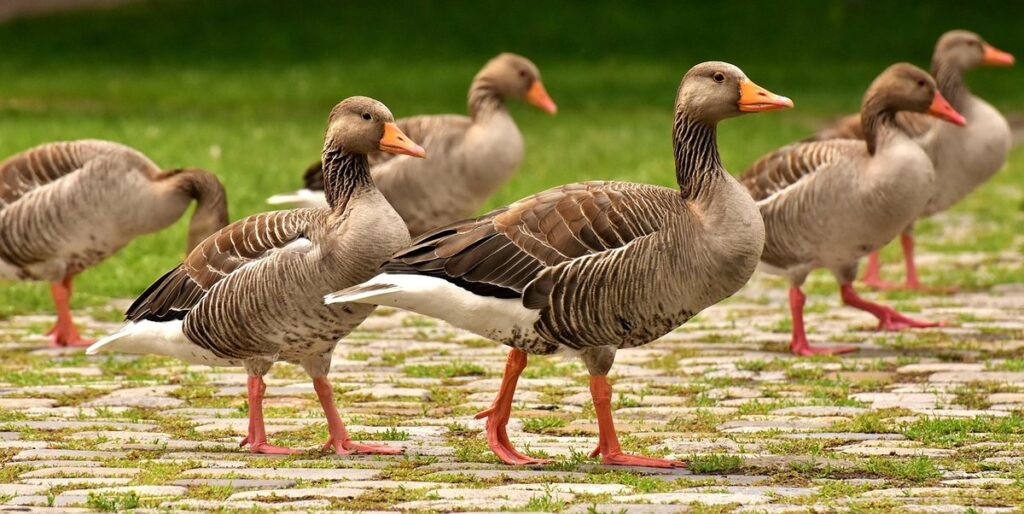
What’s the Difference Between a Goose and Geese?
You’ve probably heard people use both ‘goose’ and ‘geese’ to refer to these waterfowl, but have you ever wondered what’s the correct usage in different situations. Let’s dive into the specifics.
The Confusing Plural Form of Goose
The Confusing Plural Form of Goose is a topic that has puzzled many language enthusiasts and everyday speakers alike. It’s not uncommon to hear someone say “I have two geese” instead of the correct plural form, which is “geese.” But why does this happen? To understand the reasons behind this phenomenon, let’s dive into some historical context.
In Middle English, around the 14th century, it was common for nouns ending in -is or -os to change their spelling when forming the plural. This led to the formation of words like “gooses” and “geese,” which were both used as acceptable plural forms. However, over time, the influence of other languages, such as French, introduced the more formalized rule that nouns ending in -is or -os should take the suffix -es for their plural form.
This shift led to the widespread adoption of “goose” as a singular and plural noun, causing confusion in everyday language. For instance, saying “I have two geese” might sound awkward to some speakers who are accustomed to using “gooses.”
Origins of the Misconception
The misconception that “goose” is a singular noun has been perpetuated through various mediums, contributing to the widespread confusion about the correct usage of “goose” and “geese.” A notable example can be found in literature, where many classic books use the singular form. For instance, in J.K. Rowling’s Harry Potter series, the character Ginny Weasley is referred to as a goose despite being an individual. Similarly, in media, news outlets often report on the presence of one or more geese in a specific location using the incorrect singular noun.
This error has become so ingrained that it can be observed in everyday conversation among both locals and tourists alike. For example, when referring to a single Canada goose wandering through a park, many people will say “look at the goose” instead of “look at the geese.” To avoid perpetuating this misconception, it is essential to remember that “goose” is indeed the plural form, and using it as a singular noun can lead to incorrect usage.
The Science Behind Goose and Geese
Let’s dive into the fascinating world of waterfowl biology, where we’ll explore the unique characteristics that set geese apart from their individual counterparts.
Avian Biology and Flocking Behavior
When it comes to avian biology and flocking behavior, geese are fascinating creatures that exhibit complex social structures. In fact, geese are highly social animals that thrive in large groups, often migrating together with their mates and offspring. This unique behavior is a result of their evolution as herbivores, relying on grasslands and wetlands for sustenance.
Interestingly, the migratory patterns of geese vary depending on their species, but most migrate between breeding grounds in northern latitudes to wintering grounds in southern regions. This remarkable journey can be up to 5,000 miles long, with some species making the same migration route year after year.
Understanding these social structures and migratory patterns is essential for appreciating why the plural form of “goose” can sometimes be puzzling. For example, a group of geese on a farm may be referred to as “geese,” while a single bird in flight may be called a “goose.” To avoid confusion, it’s best to use the term that reflects the context – whether referring to multiple birds or just one.
Anatomy and Physical Characteristics
Geese are some of the most recognizable waterfowl species due to their striking visual appearances and distinctive physical characteristics. One of the first things you’ll notice about geese is their webbed feet, which are perfectly adapted for swimming and walking on land. The webs between their toes act as paddles, allowing them to propel themselves through the water with ease.
In addition to their impressive feet, geese also have some of the most distinctive honking calls in the avian world. Whether it’s a loud, clear “HONK” or a softer series of chirps and whistles, geese use their vocalizations to communicate with each other over long distances. This unique call is often a dead giveaway that you’re dealing with a goose, rather than another type of waterfowl.
When it comes to visual appearances, geese are also easily identifiable due to their bold plumage patterns and striking coloration. Many species of geese have white undersides, brown or black backs, and bright orange beaks, making them some of the most colorful birds in North America.
Etymology and Linguistic Nuances
The words ‘goose’ and ‘geese’ have a rich history, influenced by language evolution and regional dialects that are worth exploring. Let’s dive into their etymology and linguistic nuances.
The Evolution of English Plurals
The English language has undergone significant changes over the centuries, and one area where these changes are particularly evident is in the formation of plurals. While many nouns follow predictable patterns to form their plural forms, such as adding “-s” or “-es,” there are also irregular cases like “child” vs. “children.” This nuance plays a crucial role in understanding how we apply this logic to more complex words.
Take, for example, the word “ox.” Its singular and plural forms, “ox” and “oxen,” demonstrate an archaic pattern that’s still recognized today. Another classic irregular case is “deer,” with its plural form “deer” despite the seemingly obvious addition of “-s.” When considering words like “goose” and “geese,” it’s essential to recognize that English has a history of incorporating both Latin and Germanic influences on its vocabulary, resulting in varied plural patterns.
Influences from Other Languages
Languages like French, German, and Dutch have their own unique ways of handling the plural form of “goose,” offering valuable insights into the nuances of English usage. In French, for instance, both “geese” and “gazelles” are used as plurals, but only in certain contexts – typically when referring to a large group of animals. The preferred term is usually “oies” (a more specific word for geese).
Germanic languages, including German and Dutch, treat the plural form differently from English. In these languages, the same root word is used regardless of whether it’s one or multiple animals. For example, in German, you would say “eine Gans” for a single goose but still use “Gänse” when referring to more than one. This subtle distinction highlights how different language families approach the concept of plurals.
When communicating with non-native speakers or when writing about geese in a specific cultural context, it’s essential to be mindful of these variations in usage.
Usage in Everyday Language and Writing
Now that you know the rules for using goose vs geese, let’s talk about how to put it into practice in your everyday writing and conversations.
Common Mistakes to Avoid
When using “goose” and “geese” in everyday conversation and writing, it’s easy to get caught up in common mistakes. One of the most frequent errors is assuming that if you’re referring to a group of geese, you can use either word. However, this is incorrect – when referring to multiple geese, you should always use the plural form “geese.”
For example, if you see a single goose waddling down the street, it’s correct to say “there goes a goose.” But if you’re observing a flock of geese in a park, it’s essential to use “geese” for accuracy. Similarly, when writing about geese in an article or blog post, using “goose” instead of “geese” can undermine your credibility.
Another mistake to watch out for is assuming that the word “goose” can be used as both a singular and plural noun. This isn’t the case – while it’s possible to use “goose” as an adjective (e.g., “a gooseberry bush”), using it as a plural noun will result in grammatical errors.
Puns, Humor, and Creative Uses
The world of language is full of quirks and nuances that can be leveraged for comedic effect. Take, for instance, the difference between “goose” and “geese.” This seemingly trivial distinction has become a playground for wordplay enthusiasts and marketers alike.
In advertising, this peculiarity is often exploited to create humorous or attention-grabbing campaigns. Remember the now-infamous Geico commercials featuring a single goose getting ready for bed? The company’s use of a solitary bird to illustrate a plural concept showcases the versatility of language in creating humor.
Literature is another domain where writers creatively exploit this distinction. Authors like Lewis Carroll and Roald Dahl have used the “goose” vs “geese” conundrum to create clever wordplay, adding depth and whimsy to their stories. Marketers can take a cue from these writers by experimenting with similar techniques in their content.
When crafting your own humorous or attention-grabbing content, remember that language is a tool to be wielded creatively. Experiment with the “goose” vs “geese” dichotomy to create engaging copy that will leave readers smiling – or scratching their heads in confusion!
Debunking Common Myths and Misconceptions
Let’s separate fact from fiction as we delve into some common misconceptions surrounding geese, including a surprising truth about their names.
Separating Fact from Fiction
When it comes to geese behavior, there are several common myths and misconceptions that have been perpetuated over time. One of the most prevalent is the idea that geese are inherently aggressive towards humans, and will attack without provocation. However, research has shown that this isn’t entirely accurate.
In fact, studies have found that geese attacks on humans are often a result of defensive behavior, such as protecting their young or territory. According to a study published in the Journal of Wildlife Management, most geese attacks occur when they feel threatened or when they’re trying to defend their goslings. This is why it’s essential to keep a safe distance from geese and their nests during breeding season.
Another common myth is that geese are capable of flying in intricate formation patterns, similar to those seen in migratory birds like starlings. However, this isn’t entirely true either. While geese can fly together in large groups, they tend to stick together in a loose V-formation rather than the more precise patterns often depicted in movies and TV shows.
It’s worth noting that some goose species are indeed capable of impressive flying feats, such as long-distance migrations or high-altitude flights. However, these abilities are typically reserved for specific individuals within the flock rather than the entire group working together in perfect harmony.
Uncovering Interesting Facts
When it comes to geese, there’s more to them than meets the eye. One fascinating fact is their exceptional memory – geese are known to recognize and recall individual faces, including those of humans. In one remarkable case study, a goose was seen recognizing its owner after an absence of 20 years.
But what’s perhaps even more intriguing is their monogamous relationships. Geese are one of the few bird species that form long-term pair bonds, often staying with their mate for up to 30 years or more. This level of commitment is impressive, especially considering the vast distances they cover during migration.
Geese also possess an uncanny ability to find their way back home – a talent known as “homing.” Scientists believe this skill allows them to navigate using the Earth’s magnetic field, as well as visual and olfactory cues. For example, geese have been tracked returning to within just 2-3 miles of their roosting site after being relocated hundreds of miles away.
These remarkable abilities are a testament to the complex social dynamics and impressive cognitive powers of geese. Whether you’re a seasoned bird enthusiast or simply curious about these fascinating creatures, learning more about their behavior can deepen your appreciation for these magnificent birds.
Cultural Significance and Symbolism
Geese have been woven into the fabric of cultures around the world, carrying symbolic meanings that vary from peace to good fortune. We’ll delve into these fascinating cultural interpretations next.
Geese as Symbols in Art and Literature
Geese have been revered for their remarkable characteristics, inspiring various forms of art and literature throughout history. In many mythologies, geese are depicted as sacred creatures, often associated with gods and goddesses. For instance, the Greek goddess Athena was said to have been raised by a goose, symbolizing wisdom and protection. Similarly, in Norse mythology, Geirröd, the god of war, had a goose that served as his messenger.
In literature, geese have played significant roles in works such as Homer’s Iliad, where they appear as symbols of loyalty and fidelity. Contemporary authors like John Steinbeck also feature geese in their writings, using them to represent themes of freedom and resilience. In folklore, geese are often depicted as clever and resourceful birds, inspiring stories of their intelligence and adaptability.
These depictions not only reflect the cultural significance of geese but also highlight their enduring impact on human imagination. By exploring these examples, you can gain a deeper understanding of the symbolic meanings attributed to geese in various art forms and how they continue to inspire contemporary creators.
Representation in Modern Media
Geese have become ubiquitous figures in modern media, from films and TV shows to advertisements. Let’s take a closer look at how they’re represented and the potential impact on our perception of these birds.
In recent years, geese have been portrayed in various forms of media, often symbolizing loyalty, protection, or even chaos. Think of the iconic scene in “Babe” where the young pig befriends a goose named Fly, showcasing their gentle nature. However, not all portrayals are as positive. In films like “The Birds,” geese are depicted as menacing and aggressive, perpetuating fears about these birds.
Advertising often relies on exaggeration to grab attention, which can lead to negative stereotypes. For instance, commercials featuring honking geese may associate the sound with chaos or annoyance, further solidifying a skewed perception. On the other hand, documentaries and educational programs strive for accuracy, highlighting geese as social creatures that thrive in family groups. By engaging with diverse media representations, we can foster a more nuanced understanding of geese – not just as individual birds but also as integral components of our ecosystems.
Frequently Asked Questions
Can I use ‘goose’ as a plural form when referring to multiple birds?
Yes, in informal settings or regional dialects, it’s not uncommon for people to use the singular “goose” instead of the standard plural “geese.” However, for formal writing and most standard English usage, stick with “geese.”
How do I choose between ‘goose’ and ‘geese’ when speaking about a specific flock?
When referring to a group of geese in general or discussing their collective behavior, use the plural form “geese.” For instance: “The geese migrated south for winter.” However, if you’re describing individual birds, like a lone mother guarding her goslings, use the singular “goose.”
Are there any exceptions to the ‘goose’ vs. ‘geese’ rule in certain contexts?
Yes, when referring to certain groups of people or objects that can be considered as a single unit, you might use the singular form. For example: “A group of geese waddled across the field.” Here, “group” emphasizes the collective entity.
Can I use ‘geese’ for all types of waterfowl, or are there other specific plural forms?
While many people refer to ducks as either singular (duck) or plural (ducks), some species have unique plural forms. For instance, you’d say “swans,” not “swan.” It’s essential to research the specific bird you’re referring to for accurate usage.
How can I ensure consistency in my writing when discussing geese?
To avoid confusion and maintain clarity, always use a dictionary or style guide as reference. For example, The Chicago Manual of Style recommends using the plural form “geese” for all but the most formal or poetic contexts. Be mindful of your audience and purpose to choose the most suitable and consistent usage.