
As a new parent to adorable goslings, you’re probably eager to create a warm and welcoming environment for your little ones to thrive. But did you know that providing optimal heat care is crucial for their growth and development? Gosling heat requirements can be a bit tricky to navigate, especially if you’re a first-time parent to geese. That’s why it’s essential to get it right from the start. In this article, we’ll guide you through the must-knows of gosling heat care, covering temperature control, brooder design, breed-specific requirements, and safety precautions. By the end of this post, you’ll have a stress-free environment set up and be well on your way to raising happy and healthy goslings. We’ll also connect with other parents in our community who share their expert tips and advice.
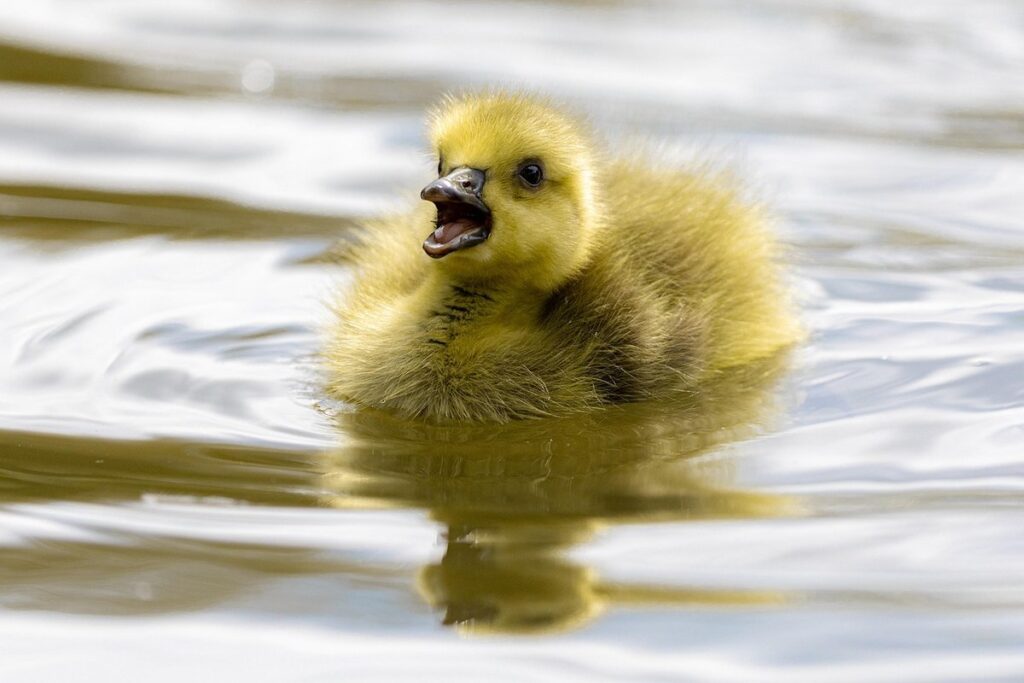
What are Goslings and Why Do They Need Specialized Care?
As you prepare to bring your new gosling home, it’s essential to understand what these adorable birds need to thrive, starting with their unique characteristics. Let’s explore what makes goslings special and why they require extra care.
Importance of Temperature Control in Gosling Nurseries
Temperature control is a critical aspect of gosling development. A stable and optimal temperature environment can significantly impact their growth rate, immune system, and overall health. When the temperature is too high or too low, it can lead to stress, which can weaken their immune system and make them more susceptible to diseases.
For example, goslings need a consistent temperature range of around 90-100°F (32-38°C) for the first week after hatching. As they grow older, the temperature can be gradually decreased by 5-10°F (3-6°C) per day. This gradual decrease helps prevent sudden changes in their environment that could stress them out.
Maintaining a stable temperature is also essential to support optimal growth rates. A study found that goslings raised at temperatures between 95-105°F (35-40°C) grew faster and heavier than those raised at temperatures outside this range. By controlling the temperature, you can provide your goslings with an environment that promotes healthy growth and development.
Common Mistakes to Avoid When Providing Heat for Goslings
When providing heat for goslings, many breeders and keepers make common mistakes that can be detrimental to their health. One of the most significant errors is using inadequate heat sources. Goslings need a temperature range between 90°F to 100°F (32°C to 38°C) for the first week, so ensure you’re using a reliable heat source such as heat lamps or ceramic heat emitters. Avoid placing them too far away from the goslings, as this can cause cold spots.
Another mistake is over-heating. Excessive heat can be just as detrimental as inadequate heat. Make sure to monitor the temperature closely and adjust as needed. A general rule of thumb is to aim for a temperature drop of 5-10°F (3-6°C) at night. It’s also essential to provide ventilation in the enclosure to prevent the buildup of toxic gases.
It’s also worth noting that it’s easy to get complacent, especially when goslings are old enough to move around. Ensure you’re still providing adequate heat sources and monitoring temperatures regularly even after the first week.
Understanding Gosling Age-Related Heat Requirements
Understanding Gosling Age-Related Heat Requirements is crucial for new gosling owners, as it directly impacts their health and growth. Let’s explore how age affects heat needs.
Newborn Goslings (0-24 hours)
Newborn goslings are extremely vulnerable to temperature fluctuations and require careful attention to their heat requirements. In the first 24 hours after hatching, maintaining a stable brooder temperature is crucial. Aim for a temperature range of around 90-95°F (32-35°C) for the first few hours. You can then gradually reduce it by 5-10°F (3-6°C) over the next day.
Humidity levels are also critical during this period, as goslings need to be able to absorb moisture from their environment through their skin. Keep the humidity level between 50-60% for optimal development. Ensure that your brooder is well-ventilated to prevent the buildup of ammonia and maintain air quality.
Monitor your goslings closely, especially in the first few hours after hatching. If you notice any signs of distress or discomfort, such as panting or lethargy, adjust the temperature or humidity levels accordingly. A good rule of thumb is to check on them every 30 minutes to ensure they’re comfortable and secure.
When choosing a brooder for your newborn goslings, consider one with a built-in thermometer and hygrometer to make it easier to monitor temperature and humidity levels. With attention to detail and the right equipment, you can provide your goslings with a safe and nurturing environment that supports their growth and development.
Goslings Aged 1-3 Weeks
As goslings grow and mature from 1 to 3 weeks old, it’s essential to adjust their heat requirements gradually. At this stage, they’re still dependent on external heat sources but are beginning to develop their own thermoregulation abilities.
Initially, when goslings are around 7-10 days old, the temperature in their enclosure should be maintained at around 90-95°F (32-35°C). However, as they grow and start to venture out of their shelter, the temperature can be gradually reduced by about 5-7°F (3-4°C) every week. This allows them to adapt to the changing environment without feeling too cold.
For example, if you started with a temperature of 90°F (32°C), after one week, you could lower it to around 85-88°F (29-31°C). By week three, they can tolerate temperatures closer to ambient levels. Keep in mind that goslings should always have access to warm water for bathing and hydration.
Gosling Heat Requirements Based on Breed and Climate
When it comes to raising healthy goslings, understanding their individual heat requirements is crucial. This section will guide you through the varying needs of different breeds in various climates.
Northern Breeds vs. Southern Breeds
When it comes to gosling care, understanding the unique heat requirements of different breeds is crucial. Northern breeds of geese, such as Toulouse and Embden, have adapted to colder climates and are less tolerant of heat. They require cooler temperatures, often between 40°F to 60°F (4°C to 15°C), to thrive.
On the other hand, Southern breeds like Chinese and African geese are more resilient in warmer conditions and can tolerate higher temperatures, often up to 80°F (27°C). It’s essential for breeders to research the specific heat requirements of their gosling’s breed and adjust their care accordingly. For example, if you live in a hot climate and have Toulouse goslings, providing shade, ventilation, and frequent water breaks is crucial.
Breeders can also consider the geese’s natural habitat when determining heat requirements. Geese from temperate regions may require more moderate temperatures, while those from tropical areas can handle higher temperatures. By understanding these differences and adjusting their care accordingly, breeders can ensure the health and well-being of their goslings, regardless of climate or region.
Keeping Goslings in Extreme Temperatures (Polar vs. Tropical Climates)
Caring for goslings in extreme temperatures requires special attention to their heat and cold stress needs. When it comes to polar vs tropical climates, the strategies for mitigating temperature extremes differ significantly.
In extremely hot environments, such as those found in tropical climates, reducing exposure to direct sunlight is crucial. Providing shade structures or covering outdoor enclosures can help prevent overheating. Ensure that water sources are also shaded and kept at a comfortable temperature to encourage drinking. Additionally, offering cold treats like crushed ice or frozen fruits can aid in heat regulation.
Conversely, polar climates present a challenge of cold temperatures. Keeping goslings indoors with a temperature-controlled environment is essential. You can also provide them with extra bedding materials, such as straw, to help maintain warmth. In cases where outdoor access is necessary, ensure that the enclosure is wind-protected and that your goslings have adequate shelter from the elements.
It’s worth noting that even in extreme temperatures, goslings still need access to fresh air and sunlight for proper development.
Brooder Design and Equipment Considerations
When setting up a brooder for your goslings, it’s essential to consider the design and equipment that will provide them with optimal heat retention and ventilation. A well-planned brooder setup is crucial.
Essential Features of a Gosling Brooder
When it comes to creating an effective gosling brooder, several essential features must be considered to ensure the health and well-being of your young geese. Adequate ventilation is crucial, as goslings produce a significant amount of heat and moisture through their respiration. A well-designed ventilation system will help maintain a healthy environment by removing excess heat and preventing the buildup of ammonia from their waste.
Proper lighting is also essential for goslings, as they require a photoperiod of 24 hours to regulate their internal clock. The type of lighting used should be cool white or daylight-spectrum bulbs, which promote growth and development without producing excessive heat. Temperature control systems are another critical feature, allowing you to maintain a precise temperature range between 90°F and 95°F during the first week after hatching.
A reliable thermostat is also necessary for monitoring and adjusting temperatures as needed. Some brooders may require additional features such as supplemental heat sources or adjustable shelves for easy access.
Choosing the Right Heat Sources (Heat Lamps, Radiant Heat Panels, etc.)
When it comes to providing heat for your goslings, you have several options to consider. Heat lamps are a popular choice, but they can be hazardous if not used properly. They emit direct heat, which can lead to overheating and burns if the chicks wander too close. However, when used correctly, heat lamps are an effective way to maintain a consistent temperature.
Radiant heat panels, on the other hand, offer a more even distribution of heat, reducing the risk of hot spots. These panels are also easier to clean than heat lamps and can be adjusted to different heights for optimal warmth. Infrared heaters provide another option, but they may not be as efficient as radiant heat panels.
It’s essential to consider your specific situation when choosing a heat source. For example, if you have a small brooder or need to conserve space, a compact infrared heater might be the best choice. If you’re caring for a large group of goslings, radiant heat panels could be more practical.
Safety Precautions When Providing Heat to Goslings
When providing heat to goslings, it’s essential to be aware of some crucial safety precautions that can prevent accidents and ensure a healthy environment for your young geese. Follow these guidelines carefully to avoid any potential risks.
Preventing Burns and Fire Hazards
When providing heat to goslings, it’s essential to be mindful of common safety concerns that can arise from inadequate or malfunctioning equipment. Burns and fires are a significant risk if you’re not careful.
One of the most critical factors is the temperature setting on your brooder or heating lamp. If it’s too high, even for a short period, it can cause severe burns to the goslings’ sensitive skin. A safe starting point is around 90°F (32°C), with a gradual increase to 95°F (35°C) as they grow.
Regularly inspect your equipment for signs of wear or damage. Cracked or broken bulbs can overheat and cause fires, so replace them immediately if you notice any issues. Keep heat sources at least two feet away from the goslings’ perches and bedding material to prevent accidental ignition.
Some breeders also use thermal controllers to regulate temperature fluctuations. These devices can be set to maintain a consistent temperature range, reducing the risk of overheating or underheating.
Monitoring Temperature and Humidity Levels
Monitoring temperature and humidity levels is crucial to ensure the optimal comfort of goslings in their brooders. Goslings are sensitive to extreme temperatures and humidity fluctuations, which can lead to health issues such as overheating, underheating, or respiratory problems.
To prevent these issues, it’s essential to regularly check the temperature and humidity levels in the brooder. You can use a thermometer and hygrometer for this purpose. A good rule of thumb is to maintain a temperature range between 90°F (32°C) and 95°F (35°C), with a relative humidity level between 50% and 60%. Be cautious not to exceed these ranges, as goslings can quickly become dehydrated or develop respiratory problems in extreme conditions.
To maintain optimal levels, it’s recommended to place the brooder in a draft-free area away from direct sunlight. You should also provide adequate ventilation by placing small gaps between the top and sides of the brooder. By monitoring temperature and humidity levels closely, you can create a safe and comfortable environment for your goslings to grow and develop.
Additional Tips for Providing Optimal Heat Care
While providing adequate heat is crucial, there are a few extra considerations to keep in mind to ensure your goslings stay warm and healthy. We’ll walk you through some additional tips to optimize their heat care.
Creating a Gosling-Centered Environment
Creating a stress-free environment for goslings is crucial to their overall well-being and ability to thrive. By providing an optimal space, you can significantly reduce the risk of heat stress, which can be detrimental to young birds. One essential aspect to consider is ventilation. Proper airflow helps regulate temperature and prevents overheating, ensuring your goslings don’t suffer from respiratory issues.
When designing lighting for your gosling enclosure, it’s vital to strike a balance between providing warmth and preventing over-exposure. Aim for a gentle, diffuse light that doesn’t create direct heat or glare. This can be achieved by using specialized grow lights with a low-wattage output or positioning regular bulbs at an angle.
To create an optimal environment, ensure the enclosure has adequate space for goslings to move around and engage in natural behaviors. A spacious area allows them to regulate their body temperature through movement and activity. Furthermore, providing hiding places and visual barriers can help reduce stress levels by giving goslings a sense of security.
Building a Supportive Community (Online Resources, Forums, etc.)
As you care for your goslings, it’s essential to recognize that providing optimal heat is just one aspect of their overall well-being. Connecting with other breeders or keepers can be a valuable resource in ensuring the health and happiness of your young geese.
You may be surprised by the wealth of knowledge shared within online forums, social media groups, or specialized breeding communities. For example, you can join a closed Facebook group dedicated to gosling care, where experienced breeders share their tips on managing humidity levels, monitoring temperature fluctuations, and recognizing early signs of heat stress.
By engaging with these online resources, you’ll not only learn from others but also contribute your own experiences and insights. This exchange of information can help you identify potential issues before they become major problems. For instance, if several breeders report a similar problem with goslings experiencing respiratory distress due to high humidity, you can take proactive measures to prevent it in your own flock.
In addition to online forums, consider attending local poultry shows or workshops where you can network with other breeders and gain hands-on experience with different heat management strategies. By building relationships within the community, you’ll be better equipped to provide optimal care for your goslings.
Frequently Asked Questions
What if I’m still unsure about the optimal temperature range for my goslings?
Yes, it’s normal to feel uncertain when determining the right temperature for your goslings. To ensure accuracy, consider investing in a reliable thermometer that can track both air and brooder temperatures accurately. You can also consult with other experienced goose breeders or join online forums dedicated to waterfowl care for expert advice.
How often should I monitor temperature and humidity levels in my brooder?
Monitoring temperature and humidity levels is crucial, especially during the first few weeks of gosling development. We recommend checking these levels at least twice a day, once in the morning and again in the evening, to ensure your brooder remains within the optimal range.
Can I use one heat source for multiple goslings?
While it might be tempting to save space by using a single heat source for multiple goslings, we strongly advise against this. Goslings need individualized care, including their own temperature-controlled zone, to prevent overcrowding and stress-related health issues.
What are some safety precautions I can take when providing heat to my goslings?
To prevent accidents and ensure the well-being of your goslings, never leave a heat source unattended while it’s in use. Keep flammable materials away from heat sources, and make sure all electrical cords are securely placed out of reach.
How do I know if my brooder is too large or too small for my gosling needs?
A good rule of thumb is to provide at least 1-2 square feet of space per gosling. If your brooder exceeds this ratio, consider dividing it into separate sections or using a larger enclosure to ensure each gosling has enough room to move around comfortably.