
As a waterfowl owner, ensuring your goslings receive proper nutrition is crucial for their growth and development. Niacin, also known as vitamin B3, plays a vital role in this process. Without sufficient niacin, goslings may experience health issues such as weakened immune systems, poor feather development, and impaired digestion. But where do they get enough niacin from? As it turns out, natural sources like corn, sunflower seeds, and brewer’s yeast are essential for meeting their daily needs.
In this article, we’ll delve into the world of gosling niacin requirements, discussing dietary sources, supplementation guidelines, and best practices to ensure your waterfowl flock thrives. Whether you’re a seasoned breeder or just starting out, understanding your goslings’ niacin needs will help you provide them with optimal health and well-being. Let’s explore this critical aspect of gosling care together!
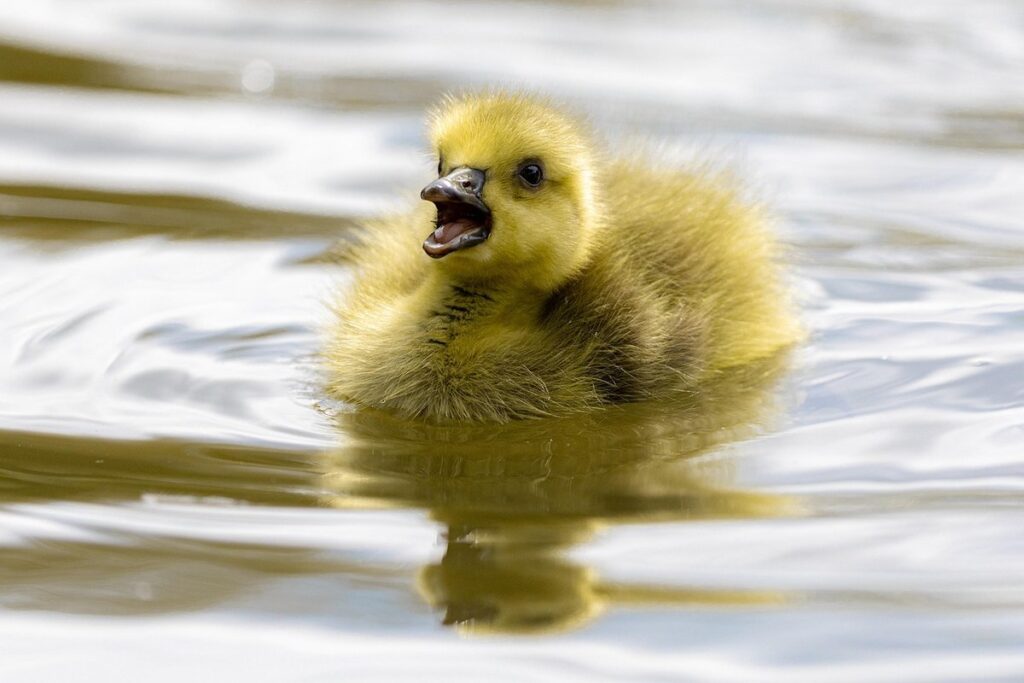
What is Niacin and Why Do We Need It?
Let’s dive into what niacin is and why it’s essential for goslings to grow strong and healthy. Understanding its role will help you make informed decisions about their care.
Importance of Niacin in Human Body
Niacin is an essential nutrient that plays a critical role in maintaining the health of our skin, nervous system, and metabolism. It’s hard to overstate its importance, as it’s involved in numerous bodily functions. For instance, niacin helps convert food into energy, which is crucial for growth and development.
In particular, niacin is vital for maintaining healthy skin. It plays a key role in the production of collagen, which gives skin its strength and elasticity. A deficiency in niacin can lead to dermatitis and other skin problems. Moreover, niacin is essential for the functioning of the nervous system, where it helps synthesize neurotransmitters that regulate mood and cognitive function.
A well-functioning metabolism also relies heavily on niacin. It’s involved in the breakdown of fatty acids and amino acids, which are crucial for energy production. In other words, without sufficient niacin, our bodies may struggle to utilize these essential nutrients. As a result, maintaining adequate niacin levels is vital for overall health.
Sources of Niacin in Our Diet
Niacin is an essential nutrient for goslings, and it’s relatively easy to incorporate into their diet through a variety of food sources. For example, lean meats like chicken and turkey are rich in niacin. A 3-ounce serving of cooked chicken contains about 11 milligrams of niacin, which is roughly the recommended daily intake for goslings.
Fish like salmon and mackerel are also good sources of niacin, with a 3-ounce serving providing around 10-15 milligrams. Whole grains such as brown rice and quinoa contain smaller amounts of niacin, but they can still contribute to your gosling’s overall intake. Legumes like beans and lentils are also rich in niacin, with a 1-cup serving providing up to 6 milligrams.
Incorporating these foods into your gosling’s diet can be as simple as adding cooked chicken or fish to their meals or mixing legumes into their feed. You can also supplement their diet with commercial feed that contains added niacin. It’s essential to provide a balanced diet that includes a variety of sources to ensure your gosling gets enough niacin for optimal growth and development.
What are Gosling’s Dietary Requirements?
To keep your gosling healthy, it’s essential to provide them with a balanced diet that meets their unique niacin needs. Let’s dive into what those requirements are and how to ensure they’re getting enough.
Recommended Daily Intake of Niacin
When it comes to meeting the niacin needs of goslings, understanding the recommended daily intake is crucial. The National Institutes of Health (NIH) has established Adequate Intake (AI) values for different age groups and populations.
For example, according to the NIH, a healthy gosling between 1-6 months old requires an AI of 5 milligrams (mg) per day, while those aged 7-12 months require 10 mg per day. Pregnant women should aim for 18 mg per day, whereas breastfeeding mothers need around 15 mg per day.
It’s essential to note that individuals with specific health conditions may have altered niacin requirements. For instance, a gosling with pellagra (a disease caused by inadequate niacin intake) might require higher doses under medical supervision. To ensure your goslings are meeting their niacin needs, consult with a qualified veterinarian or poultry expert to determine the best dietary plan for your flock.
Keep in mind that these values serve as guidelines, and individual requirements may vary depending on factors such as breed, size, and environmental conditions. Always prioritize a balanced diet that includes a mix of grains, fruits, and vegetables to support overall health and well-being.
Factors Affecting Niacin Absorption
When it comes to ensuring your gosling is getting enough niacin from its diet, understanding how this essential nutrient is absorbed is crucial. Niacin absorption can be influenced by several factors, and being aware of these will help you optimize your gosling’s niacin intake.
Food composition plays a significant role in niacin absorption. For example, whole grains like oats and brown rice are rich in phytates, which can bind to niacin and reduce its bioavailability. On the other hand, foods high in vitamin B6, such as fish and potatoes, can enhance niacin absorption by up to 20%. This is because vitamin B6 helps convert tryptophan into niacin.
Cooking methods also affect niacin levels. Water-soluble vitamins like niacin are easily lost during cooking, especially when food is boiled or steamed. However, methods like roasting and grilling help retain more of these nutrients. Additionally, individual nutritional status can impact niacin absorption. For instance, individuals with impaired tryptophan metabolism may require higher dietary intakes to meet their niacin needs.
To maximize your gosling’s niacin uptake, focus on providing a balanced diet rich in whole foods and essential vitamins like B6.
Consequences of Niacin Deficiency
If goslings don’t get enough niacin, they may experience problems like impaired growth and development, as well as other concerning health issues. Let’s explore these consequences in more detail.
Symptoms and Signs of Niacin Deficiency
If you suspect that your gosling is suffering from niacin deficiency, it’s essential to be aware of the symptoms and signs that can manifest. One of the most recognizable indicators is pellagra, a condition characterized by skin lesions, diarrhea, and dementia-like symptoms. In severe cases, pellagra can lead to death if left untreated.
Dermatitis is another common sign of niacin deficiency in goslings. This can cause inflammation, redness, and irritation on the skin, particularly around the beak, face, and legs. If you notice any of these symptoms, it’s crucial to address them promptly. Diarrhea can also occur due to impaired digestion, leading to dehydration if not treated properly.
Neurological problems are another concern with niacin deficiency. These may include seizures, tremors, and changes in appetite or behavior. Early detection is vital to prevent long-term damage and ensure the health of your gosling. If you suspect a deficiency, consult a veterinarian for proper diagnosis and treatment to prevent further complications.
Long-Term Effects of Chronic Niacin Deficiency
Chronic niacin deficiency can have far-reaching consequences that go beyond short-term symptoms. If left unaddressed, a prolonged lack of niacin can lead to malnutrition, which is characterized by inadequate intake of essential nutrients. This can result from a diet lacking sufficient plant-based foods, whole grains, and lean protein sources.
Impaired growth and development are also potential outcomes of chronic niacin deficiency. In goslings, this may manifest as stunted physical growth, reduced egg production in females, and weakened immune systems. Furthermore, the risk of developing chronic diseases such as cardiovascular disease and diabetes increases significantly with prolonged exposure to low niacin levels.
It is essential to recognize the signs of niacin deficiency early on, including skin problems like dermatitis and eczema. If you suspect that your goslings are not receiving adequate niacin, consult a veterinarian for guidance on supplementation or dietary adjustments. A well-balanced diet can help mitigate these risks and promote overall health in your birds. Regular monitoring of feed intake, growth patterns, and egg production can also help identify potential issues early on.
Understanding Gosling’s Specific Needs
To ensure your goslings thrive, it’s essential to understand their unique niacin requirements, which differ significantly from other waterfowl species. This includes factors like age and growth rate that impact their needs.
Age-Specific Niacin Requirements for Goslings
As goslings grow and develop, their dietary needs change significantly. Meeting their niacin requirements is crucial for optimal growth and health. At different developmental stages, goslings require varying levels of niacin to support energy metabolism, skin, and feather development.
For hatchlings (0-4 weeks), the recommended niacin intake is approximately 2-3 mg/kg of body weight per day. A balanced diet that includes starter feed or a high-quality commercial goose feed can meet their needs. However, if you’re concerned about providing enough niacin, consult with a poultry nutritionist to determine the best approach.
As goslings mature into juveniles (4-12 weeks), their niacin requirements increase to around 3-4 mg/kg of body weight per day. During this stage, they may benefit from additional niacin-rich ingredients in their feed or supplements if necessary. For example, you can add niacin-rich foods like brewer’s yeast, sunflower seeds, or whole grains to their diet.
It’s essential to note that excessive niacin intake can be toxic to goslings, so monitor their diet closely and adjust as needed.
Dietary Management of Niacin Deficiency in Goslings
Managing niacin deficiency in goslings requires a multi-faceted approach that involves prevention, accurate diagnosis, and effective treatment. As a responsible waterfowl owner, you play a crucial role in ensuring the optimal health of your goslings. Start by working closely with a qualified nutritionist who can help you formulate a well-balanced diet rich in niacin.
Early detection is key to preventing long-term health complications. Be aware of signs such as lethargy, weight loss, and skin lesions. If you suspect niacin deficiency, consult a veterinarian experienced in waterfowl care for a proper diagnosis. They may recommend blood tests or other diagnostic tools to confirm the condition.
Treatment typically involves dietary adjustments, and your veterinarian can advise on supplements or nutrient-rich feed that can help correct the deficiency. In severe cases, additional medical treatment may be necessary. By taking proactive steps and seeking expert guidance, you can prevent niacin-related health issues in your goslings and ensure they thrive under your care.
In addition to dietary management, maintain a clean and healthy environment for your goslings. Provide adequate space, fresh water, and proper ventilation to reduce the risk of disease and stress.
Niacin Supplementation: When and How?
Now that we’ve discussed the importance of niacin for goslings, let’s dive into when and how to provide supplementation to ensure they receive the necessary amounts. This section will guide you through making informed decisions about your feathered friends’ nutritional needs.
Indications for Niacin Supplementation in Goslings
Niacin supplementation may be necessary for goslings under certain circumstances. One such situation is during stress periods, which can occur when they’re weaned from their mother’s care or introduced to new surroundings. Stress triggers the release of cortisol, a hormone that depletes niacin stores in the body. Supplementing with niacin can help mitigate this effect and support overall health.
Another instance where supplementation may be beneficial is during growth spurts. As goslings rapidly develop, their nutritional demands increase significantly. Niacin plays a crucial role in energy metabolism, making it essential for supporting rapid growth. Ensuring adequate niacin levels through dietary sources or supplements can help ensure the bird’s optimal development.
In cases of known deficiency, supplementation is also necessary to prevent further health issues. If you suspect that your goslings may be deficient in niacin, consult with a veterinarian to determine the best course of action. They may recommend a specific supplement or dietary changes to address the issue.
Precautions and Side Effects of Niacin Supplementation
When considering niacin supplementation for goslings, it’s essential to be aware of potential side effects and interactions. Niacin can cause gastrointestinal upset, including diarrhea, vomiting, and stomach cramps, especially when administered in high doses or without gradual introduction. Skin rashes and flushing are also common adverse reactions.
Goslings may be more susceptible to increased bleeding risk due to niacin’s blood-thinning properties. This is particularly concerning for those with pre-existing health conditions. Furthermore, niacin can interact with other medications, including antibiotics and blood thinners, which could exacerbate these issues.
Before adding niacin supplements to your gosling’s diet, consult a veterinarian or registered animal nutritionist to determine the best course of action. They will help you weigh the benefits against potential risks based on individual circumstances, such as age, health status, and dietary needs. It’s crucial to work with a professional to ensure safe and effective supplementation.
Gently introducing niacin into your gosling’s diet under close supervision can minimize adverse effects. Monitor for signs of intolerance or adverse reactions and adjust dosages accordingly.
Conclusion: Meeting Gosling’s Niacin Needs
Now that we’ve explored Gosling niacin needs, let’s summarize key takeaways and discuss practical ways to meet their nutritional requirements. This section wraps up our essential guide.
Recap of Key Takeaways
In reviewing Gosling’s niacin needs, it’s clear that this vitamin plays a critical role in their overall health and development. Goslings require adequate niacin to support their rapid growth rate and immune function. This is particularly important during the first few weeks of life when they are most vulnerable to disease.
To ensure your gosling meets its niacin needs, focus on providing high-quality feed that includes whole grains like oats and barley. These foods are rich in pre-formed niacin, making them an excellent choice for supporting overall health. Additionally, supplementing with a dedicated niacin product can help bridge any potential gaps in their diet.
When selecting a niacin-rich food or supplement, opt for products that contain bioavailable forms of the vitamin. This will ensure that your gosling’s body can effectively utilize the nutrients. By prioritizing niacin-rich foods and supplements, you’ll be taking proactive steps to support your gosling’s health and well-being throughout its life cycle.
Some key takeaways from this article include:
• Niacin is essential for Goslings’ rapid growth rate and immune function
• Whole grains like oats and barley are rich in pre-formed niacin
• Supplements can help bridge any gaps in their diet
• Opt for bioavailable forms of the vitamin to ensure effective utilization
Final Thoughts on Gosling Nutrition
As you conclude this exploration of gosling niacin needs, remember that providing adequate nutrition is just one crucial aspect of ensuring waterfowl health and well-being. Adequate niacin levels can have a significant impact on the overall health of your goslings, from immune function to growth rates.
Consider sharing your knowledge with fellow waterfowl enthusiasts or even local animal welfare organizations. By doing so, you’ll be contributing to the larger community’s understanding of waterfowl nutrition and health. Don’t underestimate the power of collective expertise – together, we can help create a healthier environment for our feathered friends.
As you continue on your journey to provide optimal care for your goslings, keep in mind that nutrition is just one piece of the puzzle. Other essential factors include access to clean water, proper shelter, and adequate social interaction. By addressing these needs comprehensively, you’ll be well on your way to raising happy, healthy goslings.
Frequently Asked Questions
Can I provide niacin supplements to my goslings if they are not eating enough natural sources?
While it’s true that niacin supplements can be a reliable source of vitamin B3, it’s essential to consult with a veterinarian before supplementing your goslings’ diet. This ensures you’re providing the right amount and avoiding potential health issues associated with over-supplementation.
How do I know if my goslings are getting enough niacin from their food?
Monitoring your goslings’ overall health, growth rate, and feather development can give you an idea of whether they’re receiving adequate niacin. However, it’s also crucial to consider factors like age, breed, and environmental conditions that may impact their dietary needs.
Can I use brewer’s yeast as the sole source of niacin for my goslings?
While brewer’s yeast is an excellent natural source of niacin, relying solely on it might not meet your goslings’ full daily requirements. It’s recommended to provide a balanced diet that includes other niacin-rich foods like corn and sunflower seeds.
What are the signs of niacin deficiency in goslings, and how can I prevent them?
Early signs of niacin deficiency include poor feather development, weakened immune systems, and impaired digestion. To prevent these issues, ensure your goslings have access to a balanced diet rich in natural sources of niacin. Regular health checks with a veterinarian will also help identify any potential problems.
Can I provide store-bought pellets as the primary source of nutrition for my goslings, or do they need additional supplements?
While high-quality commercial pellets can be a convenient option, it’s essential to check their ingredient list and ensure they meet your goslings’ daily niacin requirements. If not, you may need to supplement with natural sources or other nutrient-rich foods to guarantee optimal health.