
When it comes to understanding the complex world of aquatic ecosystems, one crucial factor often gets overlooked: gosling water depth. But don’t be fooled – this seemingly simple aspect of water dynamics has a profound impact on the survival and adaptation of various species. As we delve into the depths of gosling water depth, you’ll discover how topography, hydrology, and human activities conspire to shape this delicate balance.
In this article, we’ll explore the intricate relationships between gosling water depth and its effects on aquatic biodiversity. From the subtle changes in water flow to the dramatic alterations caused by human intervention, we’ll examine the far-reaching consequences of varying water depths on ecosystem services. By exploring these connections, you’ll gain a deeper appreciation for the interconnectedness of our planet’s aquatic systems and the importance of preserving their delicate balance.
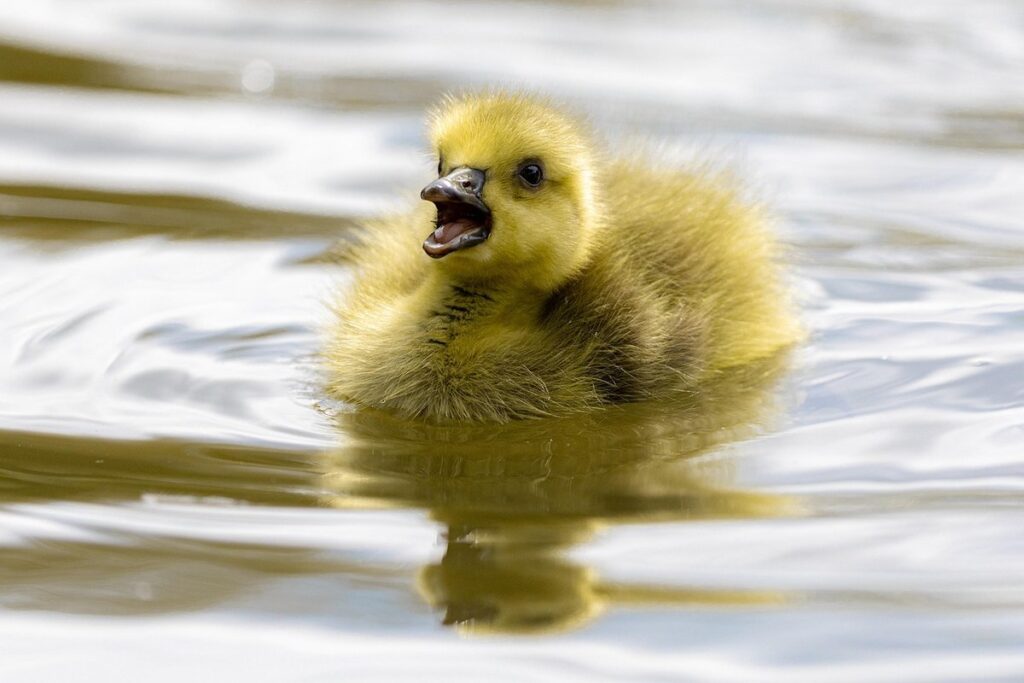
What is Gosling Water?
So, you might be wondering what exactly gosling water is and how it affects your aquatic plants. Let’s dive into a brief explanation to set the stage for understanding its impact on depth.
Definition and Purpose
Gosling water is a vital component of aquatic ecosystems, providing a unique set of characteristics that support the growth and survival of various plant and animal species. At its core, gosling water refers to shallow, slow-moving bodies of water that are often found in freshwater environments such as ponds, lakes, or wetlands.
These waterbodies play a crucial role in supporting aquatic life, particularly for young or juvenile fish and other species that require specific environmental conditions to thrive. Gosling water’s unique characteristics, including warm temperatures, low currents, and abundant vegetation, create an ideal habitat for these sensitive species. For instance, many species of fish, such as bass and bluegill, rely on gosling water during their early stages of development.
Understanding the importance of gosling water is essential for maintaining healthy aquatic ecosystems. By recognizing its role in supporting diverse plant and animal life, we can better appreciate the value of preserving and conserving these habitats.
Types of Gosling Water
When it comes to gosling water depth, understanding the different types of aquatic environments is crucial. Goslings, being semi-aquatic birds, require specific habitats that meet their unique needs. There are several types of gosling water, each with its own distinct features and roles in supporting ecosystems.
Wetlands, for instance, provide an ideal environment for goslings to learn essential survival skills like swimming and foraging. These areas are characterized by shallow waters, rich vegetation, and abundant food sources. Goslings that grow up in wetlands tend to have better chances of survival and adaptability.
Ponds, on the other hand, offer a more contained and peaceful environment, often with fewer predators and competitors. Lakes, being larger bodies of water, can provide goslings with a diverse range of aquatic species and vegetation. Rivers, with their constantly flowing waters, present a unique challenge for young goslings to navigate.
When creating or selecting a habitat for your goslings, consider these different types of gosling water. By understanding the specific needs and challenges associated with each environment, you can provide your birds with the best possible start in life.
Factors Affecting Gosling Water Depth
When it comes to goslings, understanding what affects their water depth is crucial for raising healthy birds. Let’s dive into the key factors that influence how deep goslings can swim in search of food.
Topography and Geology
The topography and geology of an area play a crucial role in determining the depth of gosling water bodies. The slope of the land surrounding a water body affects the speed at which water flows into it, with steeper slopes leading to increased inflow and potentially deeper waters. Conversely, gentler slopes may result in shallower waters due to reduced inflow.
Elevation also has an impact on water depth, as areas with higher elevations tend to have lower water levels due to decreased atmospheric pressure and increased evaporation rates. For example, a study conducted in the Scottish Highlands found that gosling water bodies at higher elevations experienced significantly lower water levels compared to those at lower elevations.
The geology of an area can also influence water depth through the formation of aquifers and groundwater recharge zones. Areas with permeable rock formations, such as sand or gravel, allow for more efficient groundwater recharge, potentially leading to deeper waters. In contrast, areas with impermeable rocks, like slate or granite, may result in shallower waters due to reduced groundwater recharge rates.
When assessing the topography and geology of an area, it’s essential to consider these factors when determining the potential depth of gosling water bodies.
Hydrological Cycle
The hydrological cycle plays a vital role in shaping the depth of gosling water bodies. This complex process involves the movement of water between the Earth’s oceans, atmosphere, and land, influencing the amount of precipitation, evaporation, and groundwater flow that occurs in these environments.
Precipitation is a key driver of gosling water depth, with varying amounts of rainfall or snowmelt feeding into water bodies throughout the year. As rainwater seeps into the soil or flows over the surface, it contributes to the replenishment of groundwater stores, which can then feed back into nearby water bodies through springs and seepage.
Evaporation also plays a significant role in shaping gosling water depth, particularly during hot summer months when high temperatures cause water to evaporate rapidly from the surface. This process can lead to fluctuations in water levels, as water is lost to the atmosphere rather than being stored within the water body.
Groundwater flow is another essential component of the hydrological cycle, as it provides a steady source of water that can maintain stable water levels in gosling water bodies even during periods of drought. Understanding these interconnected processes is crucial for managing and maintaining healthy gosling populations and their aquatic environments.
Measuring Gosling Water Depth
Measuring Gosling water depth is crucial for their health and development, but it requires a bit of expertise to get it right. We’ll walk you through the methods used by experienced breeders to accurately measure the depth.
Methods for Measurement
When measuring gosling water depth, you have several techniques at your disposal. One popular method is sonar technology. This involves using a device to send sound waves into the water and measuring the time it takes for them to bounce back, indicating the depth of the water.
Another technique is echolocation, which relies on the use of high-frequency sounds emitted by a device that are then reflected off objects in the water. By analyzing these reflections, you can determine the location and depth of underwater features.
Manual measurements involve using tools such as measuring tapes or probes to physically measure the depth of the water. This method is often used for shallow areas where other techniques may not be practical.
Each method has its advantages and limitations. Sonar technology is fast and efficient but can be affected by factors like water temperature and sediment composition. Echolocation provides accurate results in clear waters, but may struggle with murky or turbulent conditions. Manual measurements offer precise results but are time-consuming and labor-intensive.
Importance of Accurate Measurements
Accurate measurements of gosling water depth are crucial for comprehending aquatic ecosystems. This is because slight variations in depth can significantly impact the types of plants and animals that inhabit a particular area. For instance, shallow waters may be teeming with life such as fish and amphibians, while deeper areas might be home to larger marine species.
In addition to understanding ecosystems, accurate water depth measurements are also vital for managing water resources effectively. This is because incorrect data can lead to over-extraction or under-allocation of water, resulting in droughts or floods. For example, a study found that in one region, inaccurate water level measurements led to the depletion of groundwater reserves by 30%.
Safe navigation is another critical aspect where accurate depth measurements are essential. Pilots and sailors rely on precise depth readings to avoid shallow waters and prevent shipwrecks. A single mistake can have catastrophic consequences, making it imperative to invest in reliable measurement tools and methods.
Ultimately, taking the time to accurately measure gosling water depth can be a game-changer for both environmental conservation and human safety.
Impacts of Gosling Water Depth on Ecosystems
When water depth is too shallow, it can lead to stagnant conditions and disrupt delicate ecosystem balances. Let’s explore how varying depths affect the creatures that call goslings home.
Aquatic Species Adaptation
When gosling water depth varies, aquatic species must adapt to survive. Some species are more resilient than others, but most undergo significant changes in population dynamics, behavior, and physiology.
For example, fish populations may decline as their preferred habitats become less accessible or disappear altogether due to reduced water levels. Conversely, some species, like certain amphibians, can thrive in shallower waters that would be unsuitable for deeper-dwelling organisms.
Aquatic plants also adapt to changing gosling water depths by altering their growth patterns and root structures. For instance, cattails may grow taller and more robustly in shallow waters, while sedges may become shorter and more compact in areas with reduced water levels.
As a result of these adaptations, ecosystem balances are disrupted, leading to cascading effects on food chains and nutrient cycles. It’s essential for land managers and wildlife experts to understand these dynamics to develop effective conservation strategies that account for the impacts of varying gosling water depths on aquatic ecosystems. By doing so, they can work towards preserving biodiversity and maintaining healthy ecosystems in these sensitive environments.
Biodiversity and Ecosystem Services
As we delve deeper into the world of gosling water depth, it’s essential to consider its impact on biodiversity and ecosystem services. Healthy ecosystems are crucial for providing vital services like nutrient cycling, pollution filtration, and habitat creation. When goslings are raised at the correct water depth, they thrive in a balanced environment that supports these ecosystem services.
For instance, research has shown that wetlands with adequate water depth support an average of 20% more plant species than those with shallow water. This diversity is essential for maintaining soil quality and preventing erosion. Similarly, goslings raised in well-managed watersheds are less likely to contribute to nutrient pollution, which can have devastating effects on downstream ecosystems.
To maintain healthy ecosystems, consider the following strategies: monitor water depth regularly to ensure it’s suitable for gosling growth; implement best management practices for fertilizers and manure; and create wildlife corridors to connect fragmented habitats. By taking these steps, you can help preserve biodiversity and ecosystem services that support a thriving environment for both goslings and other aquatic species.
Human Activities Affecting Gosling Water Depth
When we alter our environment, it can have a significant impact on the water depth that goslings are able to reach safely. We’ll explore how human activities contribute to this issue next.
Land-Use Changes and Water Management Practices
Human activities have a profound impact on gosling water depth and aquatic ecosystems. Deforestation is a significant contributor to this issue, as it alters the natural hydrological cycle and increases runoff into rivers and lakes. This can lead to changes in water levels, making it difficult for goslings to find suitable habitats.
Dam construction is another major human activity that affects gosling water depth. The creation of dams alters the natural flow of rivers, which can result in changes to water temperature, chemistry, and oxygen levels. This can be devastating for aquatic ecosystems, as many species are adapted to specific conditions that no longer exist.
Altered water diversion practices also impact gosling water depth. Human activities such as irrigation and urbanization can alter the natural flow of water, leading to changes in water levels and quality. For example, the construction of large-scale irrigation systems in India has been linked to significant declines in groundwater levels and alterations to river flows.
It’s essential for us to acknowledge these impacts and take steps to mitigate them. By promoting sustainable land-use practices and responsible water management, we can help protect gosling habitats and preserve aquatic ecosystems for future generations. This can be achieved through initiatives such as reforestation efforts, dam removals, and the implementation of more efficient irrigation systems.
Climate Change Impacts
Climate change is having a profound impact on gosling water depth worldwide. Rising global temperatures are altering precipitation patterns, leading to more frequent and severe droughts and floods. This, in turn, affects the availability of water for goslings to feed and breed. For instance, a study conducted by the University of Cambridge found that warmer winters have reduced snowpack in some regions, causing gosling habitats to dry up prematurely.
Another critical consequence of climate change is sea-level rise. As polar ice caps melt, saltwater intrusion into freshwater sources is becoming more common, further reducing water availability for goslings. Furthermore, increased frequency and intensity of extreme weather events like hurricanes and typhoons are disrupting gosling habitats, making it challenging for them to adapt.
As a result, conservation efforts must consider these climate-related impacts when managing gosling populations. By monitoring changes in precipitation patterns and sea levels, we can better predict and prepare for the needs of goslings.
Conclusion
Now that you’ve explored the key factors influencing gosling water depth, let’s summarize the essential takeaways from our discussion so far.
Recap of Key Factors Influencing Gosling Water Depth
When it comes to understanding gosling water depth, several key factors must be taken into consideration. As we’ve explored throughout this blog post, the interconnectedness of these elements plays a crucial role in maintaining healthy aquatic ecosystems.
Temperature fluctuations, substrate type, and parent bird behavior are among the most significant influences on gosling water depth. For instance, goslings may dive to greater depths during periods of high temperatures or when their parents are foraging at lower levels. Similarly, goslings tend to prefer shallower waters with softer substrates, such as sand or mud.
Another critical factor is water clarity and oxygen levels. As we’ve seen in previous sections, clear waters with adequate oxygenation allow goslings to venture further out without compromising their safety. Conversely, murky waters with limited oxygen may force them to stay closer to shore. By recognizing these interdependent factors, you can better support the needs of your local gosling population and help maintain a balanced ecosystem.
Future Research Directions
As we conclude our exploration of gosling water depth, it’s clear that there is still much to be discovered about these complex systems. Continued monitoring and study are essential for gaining a deeper understanding of the factors that influence gosling water depth.
One area that warrants further research is the impact of environmental factors on gosling water depth. For instance, how do changes in water temperature, precipitation patterns, or vegetation cover affect gosling behavior and habitat selection? Studying these relationships can provide valuable insights for conservation efforts and inform management decisions to maintain healthy ecosystems.
Another important avenue for investigation is the role of goslings’ genetic predispositions on their water depth preferences. Research has shown that some bird species exhibit innate behaviors related to water use, which could be relevant to goslings as well. By examining the genetic factors at play, we may uncover novel strategies for understanding and managing gosling behavior.
Further research is also needed to develop effective methods for monitoring and predicting gosling water depth in different contexts. This could involve developing predictive models based on historical data, climate forecasts, or other environmental variables.
Frequently Asked Questions
How can I apply the concepts of gosling water depth to my own aquatic ecosystem management?
If you’re responsible for managing a body of water, consider monitoring water levels regularly to understand fluctuations caused by natural factors like precipitation or human activities. This data will help you identify areas that need adjustment and inform decisions about maintaining optimal water depths for your specific environment.
What are some common mistakes people make when measuring gosling water depth?
Be aware that inaccurate measurement methods can skew results, leading to poor decision-making. Ensure you’re using calibrated equipment and considering factors like topography, hydrology, and land-use changes when assessing gosling water depth. Regular calibration of your measurement tools is also crucial for maintaining accuracy.
How do I balance competing interests between preserving aquatic biodiversity and accommodating human needs?
Strive for a holistic approach that balances preservation with practical human requirements. For example, you might implement measures to maintain minimum water levels while still allowing for recreational activities or agriculture. Engage local stakeholders and consider the ecosystem services that will be impacted by your decisions.
Can gosling water depth affect aquatic species adaptation in all types of ecosystems?
While gosling water depth is crucial for many freshwater environments, its impact may vary depending on factors like salinity levels, temperature ranges, or specific species requirements. Familiarize yourself with the unique characteristics of your ecosystem and consider conducting targeted research to understand how gosling water depth influences local aquatic biodiversity.
What are some potential long-term consequences of neglecting gosling water depth management?
Ignoring gosling water depth can have far-reaching effects on ecosystems, including decreased biodiversity, reduced fish populations, or even increased flood risk. By understanding and addressing the interplay between topography, hydrology, human activities, and aquatic life, you can mitigate these risks and contribute to more sustainable ecosystem management practices.