
If you’re looking for a healthier alternative to regular eggs, you might be surprised to learn about the benefits of green chicken eggs. Not only do they have higher antioxidant content than their brown or white counterparts, but they’re also produced using sustainable methods that reduce environmental impact. For many consumers, knowing where and how their food is sourced is becoming increasingly important. Green eggs are often described as a superfood due to their high nutritional value and eco-friendly production process. In this article, we’ll dive into the benefits of green chicken eggs, including their higher antioxidant content and sustainable production methods. We’ll also explore how incorporating these healthy eggs into your diet can have a positive impact on both you and the planet.
Introduction to Sustainable Eggs
When it comes to sustainable eggs, many of us are still unsure what that really means and how our choices can make a difference. Let’s dive into the world of green eggs and explore this topic further.
What are Green Chicken Eggs?
Green chicken eggs are a type of egg that gets its distinctive greenish tint from the diet and living conditions of the hens that lay them. These eggs are produced by hens that have been fed a specific type of feed, usually containing high levels of beta-carotene or other pigments that are converted to lycopene in their bodies.
The production process for green chicken eggs is similar to that of regular eggs. Hens are raised on farms where they’re provided with adequate food, water, and living space. However, the hens producing green eggs are specifically fed a diet rich in certain pigments, which then get deposited into the egg yolks, giving them their distinctive color.
It’s worth noting that not all green chicken eggs are created equal. The intensity of the color can vary depending on factors like the type of feed and the hen’s individual characteristics. Some producers may use more aggressive methods to achieve a deeper green color, which might compromise the hens’ health or well-being. When choosing green eggs, look for producers that prioritize animal welfare and sustainability.
Environmental Impact of Conventional Egg Production
Conventional egg production has a significant environmental impact that affects not just our planet but also our health. Traditional farming methods rely heavily on resource consumption and pollution, contributing to the degradation of our ecosystem. For instance, it takes about 2 gallons of water to produce one egg, with most of it used for feeding, cleaning, and processing.
Moreover, conventional egg farms generate large amounts of waste, including manure and chemical runoff, which can contaminate soil, air, and water sources. This pollution not only harms wildlife but also affects human health by introducing chemicals like antibiotics and hormones into our food supply. To make matters worse, intensive farming practices lead to deforestation, habitat destruction, and loss of biodiversity.
In contrast, green chicken eggs are produced using more sustainable methods that prioritize animal welfare, reduce resource consumption, and minimize waste generation. By choosing environmentally friendly egg options, you’re not only supporting a healthier planet but also contributing to the well-being of our ecosystems.
Brief Overview of Sustainable Practices in Egg Industry
Some egg farmers are now incorporating sustainable practices into their operations, not only to reduce their environmental footprint but also to improve their bottom line. For instance, green technologies such as solar panels and wind turbines are being used to power farms, reducing reliance on fossil fuels and lowering energy costs.
Renewable energy sources like biogas, generated from waste materials, are also being harnessed to fuel farm operations. This not only reduces carbon emissions but also provides a steady supply of energy for farm activities.
In addition, some egg farmers are adopting more efficient irrigation systems and implementing water conservation measures to minimize their water usage. These practices not only help reduce the environmental impact of farming but also lead to cost savings through reduced water bills and improved crop yields.
By embracing sustainable practices, these forward-thinking farmers are setting a positive example for others in the industry and contributing to a more environmentally friendly food supply chain.
Nutritional Value of Green Chicken Eggs
Green chicken eggs are not only a delicious addition to your breakfast plate, but they also provide a boost of essential nutrients. Let’s take a closer look at their impressive nutritional profile.
Higher Antioxidant Content
When you crack open a green chicken egg, you’re not just getting a delicious meal, but also a nutrient-rich snack packed with antioxidants. One of the key reasons why green eggs stand out from their brown counterparts is due to the superior living conditions provided for hens. These birds are often raised on organic farms, where they roam freely and have access to natural sunlight, fresh air, and an assortment of nutritious feed.
As a result, their bodies produce more antioxidants, which are then passed on to you through the eggs. This increase in antioxidant levels is especially beneficial in today’s world, where oxidative stress and inflammation are rampant. By choosing green chicken eggs, you’re giving your body a natural shield against these threats. To reap the full benefits of these superfoods, be sure to consume them within a week or two of purchase, when their nutrient content is at its peak.
Better Omega-3 Fatty Acid Profile
When it comes to green chicken eggs, one of the most significant advantages is their improved omega-3 fatty acid profile. These essential fatty acids play a crucial role in maintaining heart health and brain function.
Green chickens are able to absorb more omega-3s from their feed due to the specific characteristics of their digestive system. This means that consumers get to enjoy the benefits of higher levels of these vital nutrients in their eggs. Studies have shown that eating eggs with elevated omega-3 content can lead to improved cardiovascular health, including lower blood pressure and triglycerides.
Incorporating green chicken eggs into your diet is a simple way to boost your intake of omega-3s. Consider adding them to omelets or scrambled eggs for breakfast, or using them as a topping for salads or pasta dishes. You can also try mixing some chopped greens like kale or spinach with the yolk for an added nutritional kick.
By choosing green chicken eggs, you’re not only getting a delicious and versatile food source but also a nutritious one that can have a positive impact on your overall well-being.
Potential Health Benefits of Green Eggs
Consuming green chicken eggs has been associated with several potential health benefits that can have a significant impact on overall well-being. One of the key advantages is its anti-inflammatory properties, which can help alleviate symptoms of conditions like arthritis and other inflammatory diseases. The unique pigment responsible for the green color, called astaxanthin, has been found to reduce inflammation in the body.
In addition to reducing inflammation, green chicken eggs have also been shown to boost the immune system function. Astaxanthin’s antioxidant properties can help protect cells from damage caused by free radicals, which can weaken the immune system over time. This makes consuming green chicken eggs an excellent way to support overall health and resilience against illnesses.
To reap these benefits, it’s essential to choose high-quality green chicken eggs from hens that have been fed a diet rich in astaxanthin-producing algae. Opting for organic or pasture-raised options can ensure you’re getting the best possible nutritional profile from your eggs.
Production Methods and Certifications for Green Eggs
When it comes to green eggs, not all are created equal, which is why understanding production methods and certifications is crucial for making informed choices. Let’s dive into how green eggs are produced.
Free-Range vs. Pasture-Raised Hens
When it comes to green chicken eggs, the living conditions of the hens can significantly impact their quality and nutritional content. Two popular production methods that emphasize better living conditions are free-range and pasture-raised.
Free-range hens are allowed to roam outdoors for a certain period each day, but their access to the outdoors is often limited by fences or netting. While they may have some exposure to fresh air and sunlight, their outdoor time can be restricted due to weather or other factors. For example, if it’s raining or extremely hot, hens might be kept indoors.
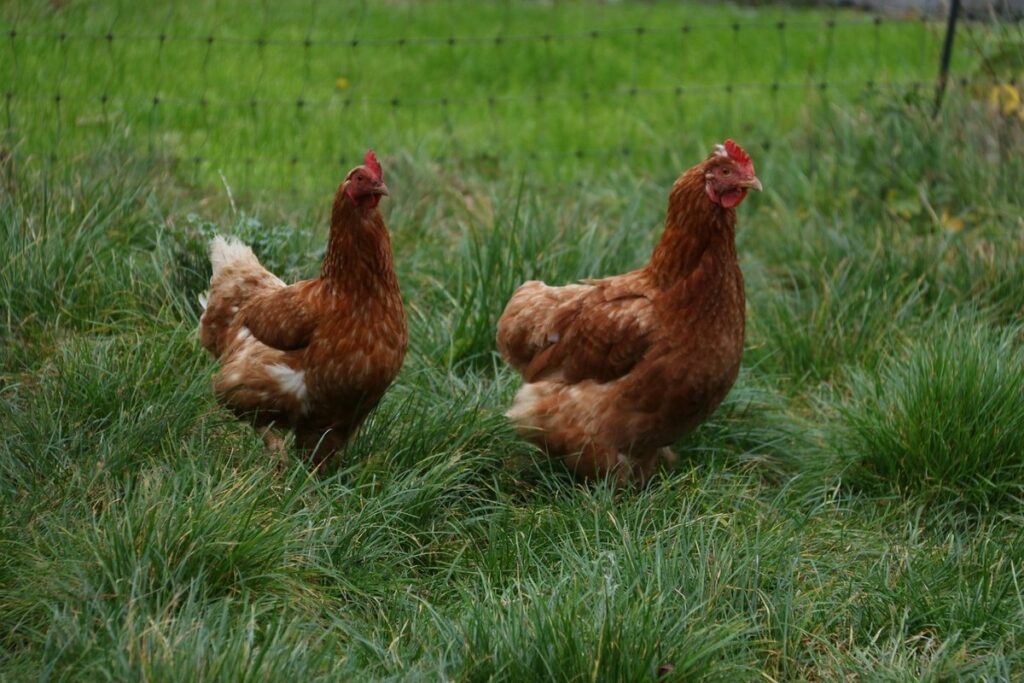
Pasture-raised hens, on the other hand, spend most of their lives outdoors in a pasture with access to grass, insects, and fresh air. This approach mimics natural foraging behavior, which can lead to more nutritious eggs. These hens are often roaming freely without any confinement or restrictions.
It’s essential to note that not all free-range farms provide the same level of outdoor access as pasture-raised ones. When choosing green chicken eggs from a free-range farm, look for certifications like Certified Humane or Animal Welfare Approved to ensure better living conditions.
In terms of nutritional content, pasture-raised eggs tend to have higher levels of omega-3 fatty acids and vitamins A and E compared to conventionally raised hens. However, free-range eggs can still offer some benefits over conventionally raised eggs due to the increased exposure to fresh air and sunlight. Ultimately, the decision between free-range and pasture-raised comes down to your personal values and priorities as a consumer.
Organic vs. Non-GMO Labeling in Egg Industry
When shopping for green eggs, you may notice labels like “organic” and “non-GMO.” While these terms are often used interchangeably, they serve distinct purposes. Organic labeling ensures that hens were raised on organic feed and had access to organic living conditions, free from synthetic pesticides and fertilizers. On the other hand, non-GMO labeling means the eggs come from hens fed a non-genetically modified diet.
To make an informed choice, look for third-party certifications like USDA Organic or Non-GMO Project Verified. These labels guarantee that rigorous standards were met during production. For instance, farms must follow strict guidelines on feed sourcing and handling practices to earn organic certification. Similarly, non-GMO labeling involves regular testing for genetically modified organisms in the hens’ feed.
If you’re looking to incorporate green eggs into your diet, prioritize certifications like these. This not only supports more sustainable farming practices but also ensures you’re getting high-quality eggs with fewer artificial additives. When shopping, read labels carefully and choose products from reputable sources that align with your values.
Certifications for Green Eggs (e.g., Certified Humane, Animal Welfare Approved)
When it comes to green chicken eggs, many consumers want to ensure that their hens are treated with respect and care. That’s where third-party certifications come in – a way to guarantee that the eggs you buy meet certain standards for humane treatment and sustainable conditions.
Some of the most recognized certifications include Certified Humane and Animal Welfare Approved. These organizations conduct regular audits and inspections to verify that farms adhere to strict guidelines, such as providing access to the outdoors, avoiding beak trimming and debeaking, and allowing hens to engage in natural behaviors like pecking and scratching.
Certified Humane, for example, ensures that hens have at least 6 square feet of space per bird inside and outside the coop. Animal Welfare Approved goes a step further by requiring farms to meet more rigorous standards for animal welfare, such as prohibiting the use of antibiotics and hormones in feed. By choosing eggs with these certifications, you can be confident that your green eggs come from hens treated with care and respect.
Consumer Demand and Accessibility of Green Chicken Eggs
As you consider making green chicken eggs a part of your lifestyle, let’s explore how consumer demand is driving their increased availability. Many grocery stores now carry these unique eggs in their dairy or specialty sections.
Growing Interest in Sustainable Food Options
As consumers become more environmentally conscious, there’s been a significant shift towards choosing food options that are not only better for their health but also for the planet. This growing interest in sustainable food has led to an increased demand for green chicken eggs. These eggs are produced using regenerative agriculture practices that prioritize soil health, biodiversity, and efficient water use.
More people are now making informed choices about the food they eat, taking into account its environmental impact. A study found that 75% of consumers consider sustainability when deciding what products to buy. This trend is reflected in the growing popularity of green chicken eggs, which offer a more environmentally friendly alternative to conventionally produced eggs.
To incorporate sustainable eating habits into your lifestyle, start by checking the labels for certifications like “Animal Welfare Approved” or “Certified Humane.” These labels indicate that the hens were raised on pasture and had access to natural light and fresh air. By making these choices, you’ll not only be supporting more environmentally friendly practices but also contributing to a healthier food system.
Availability and Cost Factors Affecting Adoption Rates
One of the primary obstacles to adopting green chicken eggs is their limited availability. Many consumers find it challenging to locate suppliers that offer these environmentally friendly eggs due to their relatively small production scale compared to conventional egg farming. This scarcity can lead to a higher demand and, subsequently, increased prices.
The cost factor plays a significant role in shaping consumer behavior. Green chicken eggs often come at a premium price, making them less accessible to budget-conscious buyers. According to a survey by the US Department of Agriculture (USDA), the average cost of organic eggs is around 30% higher than that of conventional eggs. This disparity can discourage consumers from switching to green eggs.
However, there are steps you can take to increase your chances of finding and purchasing green chicken eggs. Look for local farmers’ markets or join community-supported agriculture (CSA) programs to connect with suppliers directly. Online directories and social media groups can also be valuable resources in tracking down sources.
Supporting Local Farms and Sustainable Practices
When it comes to green chicken eggs, many consumers are eager to not only indulge in their nutritional benefits but also contribute to a more sustainable food system. One way to do this is by supporting local farms that adopt environmentally friendly practices.
Buying from local farms has numerous advantages for both the consumer and the farmer. For one, it reduces carbon footprint as transportation emissions decrease with locally sourced products. This means fresher eggs arrive at your doorstep, boasting higher nutritional value. Furthermore, supporting local agriculture fosters a stronger sense of community and promotes regional economic growth.
Consider the following tips to make an impact:
• Research nearby farms that prioritize sustainable practices
• Visit their websites or social media profiles to understand their methods and values
• Engage with farmers directly by attending farm events or joining online forums
• Read labels carefully, opting for products labeled as ‘free-range’ or ‘pasture-raised’
By choosing green chicken eggs from local farms committed to eco-friendly practices, you’re part of a larger movement towards a more sustainable food system. Not only does this contribute positively to the environment and local communities but also gives you the satisfaction of knowing where your food comes from.
Comparison of Green Chicken Eggs with Conventional Options
When it comes to choosing the best eggs for your family, understanding the differences between green and conventional eggs is crucial. In this comparison, we’ll break down their key similarities and differences.
Nutritional Comparisons Between Green and Conventional Eggs
When it comes to nutritional value, green chicken eggs have several key advantages over conventional eggs. In head-to-head comparisons, green eggs consistently show higher levels of omega-3 fatty acids and vitamins A and E. These nutrients play critical roles in heart health, immune function, and antioxidant defenses.
Green eggs also tend to be lower in saturated fats and cholesterol than conventionally produced eggs. According to a study published in the Journal of Food Science, green eggs contained 1/3 less saturated fat on average compared to conventional eggs. This is likely due to the varied diet of pasture-raised hens, which eat a diverse range of plants and insects.
In addition to these key differences, green eggs also tend to have higher levels of certain micronutrients like selenium and vitamin K2. Selenium, an essential mineral often lacking in modern diets, plays a crucial role in antioxidant defenses. Vitamin K2 is vital for bone health and may help mitigate the risk of cardiovascular disease.
Ultimately, choosing green chicken eggs can be an easy way to boost your nutrient intake without significant changes to your diet or cooking habits. Simply replace conventional eggs with green eggs in your recipes and baking projects for a nutritional upgrade.
Environmental Impact Comparison of Sustainable vs. Traditional Egg Production
When it comes to choosing between sustainable and traditional egg production methods, the environmental impact is a crucial consideration. The difference lies not only in the living conditions of the chickens but also in the resources consumed and pollutants released throughout the process.
Traditional egg farming often relies on large-scale industrial operations that demand extensive water and feed resources. These farms may also employ intensive antibiotic use to promote growth and prevent disease, which can lead to antibiotic-resistant bacteria. Moreover, manure from these facilities can contaminate nearby water sources if not properly managed. In contrast, sustainable egg production focuses on smaller, family-owned farms or local backyard flocks that adopt regenerative practices.
By choosing a sustainable egg option, you’re supporting a more environmentally conscious approach that reduces greenhouse gas emissions and waste generation. You’ll also be contributing to the preservation of biodiversity through the promotion of free-range grazing and organic feed.
Conclusion and Future Outlook for Green Chicken Eggs
Now that we’ve explored the benefits of green chicken eggs, let’s take a closer look at what the future holds for these remarkable eggs in your daily life. What can you expect?
Recap of Key Takeaways
Green chicken eggs have been shown to be a superior choice for those looking to incorporate more nutrients into their diet. Not only do they contain higher levels of omega-3 fatty acids and vitamin A, but they also boast better taste and texture compared to their conventional counterparts. In terms of production methods, consumers are increasingly opting for green chicken eggs as they promote more sustainable farming practices.
These practices include rotating crops, allowing for greater biodiversity and reduced chemical use in the farming process. As a result, consumer demand is on the rise, with many major retailers now stocking green chicken eggs in their stores. The benefits don’t stop there – green chicken eggs have also been shown to be a more environmentally friendly option, requiring less water and feed per egg produced.
To reap the rewards of green chicken eggs, consider making the switch in your own kitchen. Look for certified green labels at your local grocery store or visit a nearby farm to learn more about sustainable egg production methods. By choosing green chicken eggs, you’re not only supporting better health outcomes but also contributing to a more environmentally conscious food system.
Potential Future Developments in Sustainable Egg Production
As we continue to strive for a more sustainable food system, emerging trends and innovations are poised to further improve the sustainability of egg farming practices. One area of focus is vertical farming, which allows for controlled environments with precise temperature, humidity, and light levels. This approach reduces land usage by up to 90% compared to traditional farming methods.
Another trend gaining momentum is free-range egg production in urban areas, where chickens are raised on small plots of land within cities. This model not only reduces transportation emissions but also provides a unique opportunity for community engagement and education about sustainable agriculture.
Additionally, researchers are exploring the use of insect-based feed as a protein source for laying hens. This alternative feed option has been shown to reduce greenhouse gas emissions by up to 80% compared to traditional feed sources.
As consumers become more aware of the environmental impact of their food choices, these emerging trends and innovations will play an increasingly important role in shaping the future of sustainable egg production.
Frequently Asked Questions
What are the typical certifications I should look for when purchasing green chicken eggs?
When shopping for green chicken eggs, look for certifications like Certified Humane or Animal Welfare Approved, which ensure that hens have been treated with respect and care throughout their lives. These certifications also guarantee that eggs meet certain standards for animal welfare and sustainability.
How can I incorporate green eggs into my family’s diet if we’re used to conventional eggs?
Start by substituting one egg per recipe with a green egg to gradually adjust your taste buds. Also, consider experimenting with different cooking methods, such as poaching or baking, to bring out the unique flavor of green eggs.
Can I raise my own hens for sustainable green eggs at home?
Yes! Raising backyard chickens can be an excellent way to produce fresh, sustainable eggs. Research local regulations and begin by learning about chicken feed, coop design, and flock management to ensure a healthy and thriving flock.
What are some common misconceptions about green chicken eggs that I should be aware of?
One common myth is that green eggs taste different or have an unpleasant texture. In reality, the color and nutritional benefits come from the hens’ diet, not their flavor profile. Be sure to educate yourself on the facts behind sustainable egg production.
How do I choose between free-range and pasture-raised green chicken eggs?
While both options prioritize animal welfare, pasture-raised hens have more space and are allowed to forage freely outdoors. If you prioritize animal health and well-being, consider opting for pasture-raised green eggs whenever possible.