
Green eggs have become increasingly popular in recent years, not just for their unique color but also for their rich nutritional profile. If you’re considering raising green egg layer chickens or simply looking to incorporate more of these eggs into your diet, you’ve come to the right place. These birds are known for laying a variety of colors including blue and green, making them a fun addition to any backyard flock.
As we delve into the world of green egg layers, we’ll explore their distinct characteristics, nutritional advantages, and health benefits. You’ll learn how these amazing birds can provide you with an alternative source of protein that’s rich in omega-3 fatty acids and high in vitamins A and E. We’ll also cover tips on raising and caring for your green egg layer chickens, ensuring they thrive in your backyard coop.
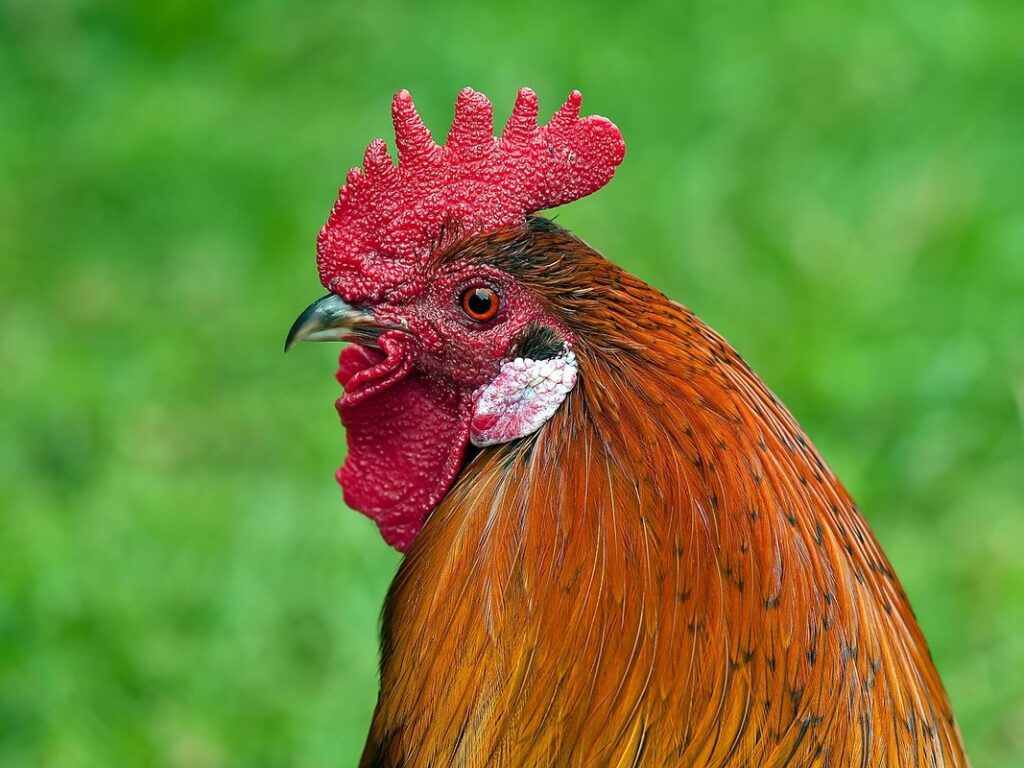
Characteristics and Advantages
Green egg layer chickens are prized for their unique characteristics, including their vibrant green eggs and robust health. Here’s what sets them apart from other breeds.
Unique Traits of Green Eggs
One of the most distinctive features of green egg layer chickens is, of course, their eggs. But what exactly makes these eggs so unique? For starters, it’s all about the color. Green eggs owe their vibrant hue to a pigment called biliverdin, which is also found in some species of fish and amphibians. This pigment gives green eggs a distinctive emerald green or olive green color that’s unlike anything you’d find from other chicken breeds.
In terms of texture, green eggs are often described as being firmer than average eggs, with a slightly denser yolk. But don’t worry – this doesn’t affect their taste or cooking performance in any way! In fact, many people swear by the richer, more complex flavor profile that green eggs provide. Whether you’re making omelets, scrambled eggs, or baking quiches, green eggs add an extra layer of depth and interest to your dishes.
When it comes to selecting a breed that will lay green eggs, look for heritage breeds like Araucanas, Ameraucanas, or Easter Eggers. These birds are prized not just for their egg-laying abilities but also for their unique personalities and stunning plumage.
Nutritional Benefits of Green Eggs
Green eggs have long been touted for their exceptional nutritional benefits, making them an attractive choice for health-conscious consumers. One of the primary advantages is their higher content of vitamins and minerals compared to traditional brown eggs. For instance, green eggs contain a significant amount of vitamin D, which plays a crucial role in maintaining strong bones and teeth.
Moreover, green eggs also have a higher concentration of lutein and zeaxanthin, two carotenoids that are essential for eye health and can even help prevent age-related macular degeneration. Additionally, green eggs tend to be richer in omega-3 fatty acids, which have been shown to lower inflammation levels and improve heart health.
If you’re considering adding green egg layer chickens to your backyard flock, it’s worth noting that the nutritional benefits of their eggs are largely due to their varied diet, which typically includes a mix of forages and grains. To replicate this at home, try incorporating more leafy greens and whole grains into your chicken feed to see if you can coax out similar nutritional advantages in your own green egg production.
Productivity and Health Benefits
When raising green egg layer chickens, many families are drawn to their unique characteristics and advantages. One of the most significant benefits is their potential to provide a healthier source of protein for families. Unlike store-bought eggs, those from your own backyard chicken coop have numerous health benefits.
Green egg layers lay eggs rich in omega-3 fatty acids and vitamins A and E. These nutrients are essential for maintaining healthy skin, hair, and eyes. Moreover, the yolks of green eggs contain higher levels of antioxidants than regular eggs. This means that consuming eggs from your green egg layer chickens can help reduce inflammation and improve overall health.
One way to make the most of your green egg layers’ productivity is by implementing a rotation diet. This involves feeding them a mix of grains and vegetables to ensure they receive all necessary nutrients. By doing so, you’ll not only boost their egg-laying capabilities but also keep them healthy and happy. With proper care, one green egg layer chicken can lay up to 300 eggs per year.
Choosing the Right Breed
When it comes to choosing a green egg layer breed, there are several factors to consider, including temperament, egg production, and size. This is where your research will come in handy to find the perfect fit for you.
Popular Green Egg Layer Breeds
If you’re new to green egg layer chickens, you may be wondering which breeds are the most popular and reliable when it comes to laying those coveted green eggs. Fortunately, there are several breeds that have gained a reputation for producing this unique and beautiful egg color.
One of the most well-known breeds is the Araucana, originating from Chile. These birds lay blue or green eggs due to a genetic trait known as “oocyanine,” which affects the pigmentation of their eggs. They’re also friendly, social, and relatively low-maintenance pets. However, they can be flighty and require extra space to roam.
Another popular breed is the Ameraucana, an American-developed variation of the Araucana. These birds are similar in temperament but have a more compact build, making them suitable for smaller backyards. They’re also prolific egg-layers, producing around 200-220 eggs per year.
Lastly, you may want to consider the Easter Egger, a cross between an Ameraucana or Araucana and another breed like the Leghorn. While they don’t have a specific green egg gene, their mixed ancestry can sometimes result in green or blue-green eggs. Keep in mind that this breed’s egg-laying abilities can vary depending on its parents.
When choosing one of these breeds, remember to research their individual needs and temperaments to ensure you’re providing the best possible home for your new feathered friends.
Factors to Consider When Selecting a Breed
When selecting a breed of green egg layer chicken, there are several key factors to consider. First and foremost, think about your climate. Some breeds excel in hot weather, while others prefer cooler temperatures. For example, the Easter Egger is well-suited for warmer climates, but may struggle in cold temperatures. On the other hand, the Ameraucana prefers cooler weather and can be a better fit for those living in colder regions.
Another important consideration is space availability. Some breeds are more compact and require less room to roam, while others need plenty of space to stretch their wings. If you have limited space, a breed like the Cream Legbar or the Olive Egger may be a good choice. However, if you have a larger yard, you may want to consider a breed that can benefit from more space, such as the Swedish Flower Hen.
Ultimately, your personal preferences should also play a role in selecting a breed. Do you prefer birds with specific feather patterns or egg-laying abilities? Consider what’s most important to you and choose a breed that fits those needs.
Housing and Care Requirements
When it comes to bringing home green egg layer chickens, making sure you have a suitable coop and care plan is crucial for their health and happiness. Let’s dive into the housing and care requirements for these wonderful birds.
Environmental Considerations
When it comes to housing and caring for green egg layer chickens, environmental considerations are crucial for their health, well-being, and productivity. Adequate ventilation is essential to prevent the buildup of ammonia from their droppings, which can cause respiratory problems. Ensure that your coop has proper airflow by installing windows or vents on opposite sides, allowing fresh air to circulate.
Proper lighting is also vital for green egg layers, especially during winter months when daylight hours are shorter. Provide supplemental lighting using LED or fluorescent bulbs, aiming for 14-16 hours of light per day. This will help regulate their internal clock and maintain egg production.
Temperature control is another critical aspect to consider. Green egg layers thrive in temperatures between 40°F and 80°F (4°C and 27°C). Avoid placing them near drafty areas or exposing them to extreme temperature fluctuations, which can cause stress and reduce egg production. Keep your coop clean and well-maintained to maintain a comfortable environment for your flock.
Space and Equipment Needs
When it comes to providing the best life for your green egg layer chickens, their space and equipment needs are crucial. A spacious coop with adequate ventilation is a must-have to ensure their overall health and well-being.
As a general rule, provide at least 2-4 square feet of floor space per chicken in the coop. This will give them enough room to stretch out comfortably without feeling cramped. Remember that green egg layers can live for up to 5 years, so make sure your coop is designed with longevity in mind.
Nesting boxes should be provided in a quiet, sheltered spot and one box per 3-4 hens is recommended. Make sure they are about 12 inches wide and 18 inches deep to give the girls enough room to comfortably lay their eggs.
When it comes to feeding equipment, you’ll want to provide sturdy, easy-to-clean feeders that can be easily filled from outside the coop. Consider using a self-filling feeder or a tray feeder with built-in waterer for added convenience.
As for perches, they should be about 3 feet off the ground and made of durable material like wood or metal. This will give your girls ample room to roost comfortably at night.
Tips for Raising Green Egg Layer Chickens
If you’re bringing home a new flock of green egg layer chicks, here are some essential tips to keep them happy and healthy as they grow into productive layers. We’ve got the inside scoop on what works best.
Diet and Nutrition
When it comes to raising green egg layer chickens, providing them with a balanced diet and supplements is crucial for their overall health and well-being. A green egg layer’s dietary needs are similar to those of other chickens, but they do require some specific attention.
A good starting point is to provide a high-quality commercial layer feed that contains around 16-18% protein. However, you should also supplement with fresh fruits and vegetables daily, such as leafy greens, carrots, and berries. It’s essential to vary their diet regularly to ensure they receive all the necessary nutrients. For example, you can offer a mix of grains like oats, barley, and wheat to provide fiber and energy.
In terms of supplements, green egg layers require calcium to support strong bone growth and eggshell production. A good source of calcium is crushed oyster shells or dark leafy greens like kale and spinach. Additionally, providing probiotics can help maintain a healthy gut and boost their immune system. Aim to provide around 1-2% calcium content in their diet through supplements.
By following these guidelines and maintaining a balanced diet, you’ll be well on your way to raising happy and healthy green egg layer chickens that will reward you with delicious eggs for years to come.
Health Monitoring and First Aid
Monitoring your flock’s health is crucial to ensure they live long and healthy lives. Regular checks will help you identify potential issues before they become severe problems. Start by checking their droppings daily; a change in color, consistency, or frequency can indicate a problem.
Keep an eye out for signs of illness such as lethargy, loss of appetite, labored breathing, or changes in the feathers and skin. Common health issues include respiratory infections, mites, lice, and internal parasites. Be sure to provide clean water and food, and maintain a clean coop to prevent disease.
In case of injury or illness, have a first aid kit on hand with supplies like antibiotic ointment, tweezers for removing ticks or splinters, and a thermometer. Know how to administer basic care such as cleaning wounds and applying topical treatments. Research local veterinarians who specialize in poultry care in case you need professional assistance.
Regular vaccinations can also help prevent disease, but be sure to follow the recommended schedule to avoid over-vaccinating your flock. With regular monitoring and prompt attention to health issues, you can enjoy a happy and healthy flock of green egg layer chickens.
Benefits of Incorporating Green Eggs into Your Diet
Including green eggs from your flock in your diet can have numerous health benefits, from boosting protein to supporting immune function. You’ll learn how to make it a part of your meal planning.
Nutritional Superiority
Green eggs have gained popularity in recent years due to their unique appearance and potential health benefits. When it comes to nutritional superiority, green eggs can offer several advantages over traditional brown or white eggs. One of the primary reasons is the increased amount of omega-3 fatty acids present in the yolks. These essential nutrients promote heart health, brain function, and may even help reduce inflammation.
Studies have shown that pastured hens, such as those that lay green eggs, produce eggs with higher levels of omega-3s compared to conventionally raised birds. This is largely due to their diet rich in grasses, bugs, and other forages. These nutrients not only benefit the consumer but also contribute to a more resilient immune system in the chickens themselves.
Incorporating green eggs into your diet can be as simple as substituting them for traditional eggs in your favorite recipes. For example, scrambled eggs or omelets are great ways to get started. As you become more comfortable with cooking with green eggs, experiment with different preparations like poached or boiled eggs on toast. The key is to explore the versatility of these nutritious eggs and make them a staple in your kitchen.
Sustainability and Environmental Impact
When choosing green egg layer chickens for your family’s table, you may have considered their impact on the environment. One of the most significant benefits of opting for a local, free-range source is the reduced carbon footprint associated with transporting eggs from large-scale commercial farms.
In contrast to industrial operations that often rely on long-distance transportation and intensive resource usage, local farms typically produce fewer emissions and support more sustainable agricultural practices. By choosing green egg layer chickens raised within your community or region, you’re contributing to a decrease in greenhouse gas emissions and supporting eco-friendly farming methods.
To put this into perspective, consider the following statistics: studies have shown that locally sourced products can reduce transportation-related emissions by up to 75%. Furthermore, free-range farms often implement more environmentally conscious practices, such as composting manure and using natural pest control methods. By choosing a local, free-range source for your green egg layer chickens, you’re not only enjoying fresher eggs but also supporting sustainable agriculture in your community.
Common Myths and Misconceptions
Many people assume that green egg layer chickens are high-maintenance pets, but let’s separate fact from fiction and explore some common misconceptions about these beautiful birds.
Debunking Green Egg-Related Misinformation
Green egg layer chickens have gained immense popularity over the years, but with their rise to fame comes a plethora of misinformation. Let’s address some common misconceptions about these wonderful birds.
One of the most prevalent myths is that green eggs are unhealthy for consumption. This couldn’t be further from the truth! The green coloration in green egg layer chickens’ eggs is due to a genetic trait that causes the yolks to have a higher amount of biliverdin, a pigment produced during the formation of hemoglobin. Studies have shown that there is no significant difference in nutritional content between green and brown eggs.
Another misconception is that green eggs taste inferior to their brown counterparts. Nothing could be further from reality! The taste and texture of eggs are determined by factors such as feed quality, breed, and handling practices, not the color of the egg. In fact, many people swear by the richer flavor and creamier texture of green eggs.
It’s also worth noting that some misinformation claims that green egg layer chickens are prone to health issues due to their unique genetic makeup. However, this is simply a baseless claim with no scientific backing. With proper care and management, green egg layer chickens can thrive just as well as any other breed.
So what can you do if you’re considering getting your hands on some green egg layers? First and foremost, make sure to source them from reputable breeders who prioritize the health and well-being of their birds. Next, provide a balanced diet rich in nutrients, adequate space for exercise, and regular veterinary check-ups to keep your flock thriving. By doing so, you’ll be able to enjoy the wonderful benefits of green egg layer chickens without falling prey to unfounded myths and misconceptions!
Conclusion and Final Tips
Now that you’ve learned everything there is to know about green egg layer chickens, let’s summarize the key takeaways and offer a few final tips for success.
Recap of Key Takeaways
In this ultimate guide to green egg layer chickens, we’ve covered all the essential aspects of these amazing birds. To recap, let’s review the key takeaways that will help you make informed decisions about bringing home a green egg layer chicken flock.
One of the standout characteristics of green egg layer chickens is their remarkable laying ability. With an average of 300-320 eggs per year, they outshine many other breeds. This is thanks to their unique genetic makeup and robust health. For instance, Easter Eggers and Ameraucanas are two popular green egg layer breeds that excel in this department.
In terms of care requirements, green egg layers demand regular exercise, fresh air, and a balanced diet. Ensure your flock gets at least 4-6 hours of sunlight daily to promote overall well-being. Offer a nutrient-rich feed mix specifically formulated for laying hens, supplemented with fruits, vegetables, and calcium sources like crushed oyster shells.
Another crucial aspect is the coop’s design and setup. Provide enough space for your green egg layers (at least 3-4 square feet per bird) and ensure good ventilation to keep them cool in hot weather. Install nesting boxes that are at least 12 inches wide and 12 inches deep, with a comfortable roosting bar above.
In addition to their impressive laying capacity, green egg layer chickens are known for their friendly and docile nature, making them perfect for backyard flocks or small farms. With proper care and attention, these birds will reward you with delicious eggs and plenty of joy.
Remember, every flock is unique, so monitor your green egg layers’ health closely and adjust their care accordingly. By following the guidelines outlined in this guide, you’ll be well on your way to raising happy and healthy green egg layer chickens.
Frequently Asked Questions
Can I raise green egg layer chickens if I have a small backyard?
Yes, it’s absolutely possible to raise green egg layers even with a small backyard. However, you’ll need to ensure that you provide enough space for your flock to roam and exercise. Consider a coop that’s at least 2-3 square feet per bird inside, plus additional outdoor space for them to enjoy.
Are green eggs safe to eat if I have allergies or sensitivities?
Green eggs are generally considered hypoallergenic due to their unique nutritional profile. However, individuals with severe egg allergies should still exercise caution when introducing green eggs into their diet. If you’re concerned about allergies or sensitivities, consult with a healthcare professional or registered dietitian for personalized advice.
How long do green egg layer chickens take to start laying eggs?
Green egg layers typically begin laying eggs at around 18-24 weeks of age, which is slightly younger than some other breeds. However, this can vary depending on factors like genetics, nutrition, and overall health. Be patient and provide a balanced diet to support their development.
Can I raise green egg layer chickens with other types of birds?
Yes, green egg layers can be raised alongside other bird breeds, but it’s essential to ensure compatibility. Some breeds may be more aggressive or require separate housing due to size or temperament differences. Research the specific needs and personalities of your chosen breed before introducing them to your flock.
Are green eggs a suitable choice for individuals with dietary restrictions?
Green eggs are an excellent option for those following plant-based or low-carb diets due to their high omega-3 content and rich nutritional profile. They’re also a great source of protein for individuals with gluten intolerance or sensitivity. However, consult with a healthcare professional or registered dietitian to determine the best food choices for your specific needs.