
If you’re an Silkie breeder or owner with dreams of taking your fluffy friend to the big shows, then mastering the art of grooming is a must. Grooming your Silkie for show success isn’t just about making them look pretty – it’s also essential for maintaining their breed standards and overall health. Poor coat care can lead to mats, tangling, and even skin problems. But with our comprehensive guide, you’ll learn how to properly care for your Silkie’s stunning coat, from the basics of breed standards to expert tips on handling and presenting your bird. We’ll cover everything you need to know to help your Silkie stand out in the show ring and bring home those coveted prizes. Whether you’re a seasoned breeder or just starting out, our guide has got you covered.
Understanding Silkie Breed Standards
To show Silkies at their best, you need to understand what judges look for in terms of breed standards, particularly when it comes to grooming. Let’s break down these essential guidelines together.
Section Overview of Silkie Breed Characteristics
The Silkie breed has been a show favorite for its enchanting appearance and endearing personality. Originating from Asia, Silkies were initially prized for their soft, fluffy plumage and gentle nature. Their unique characteristics make them a standout choice in the show ring.
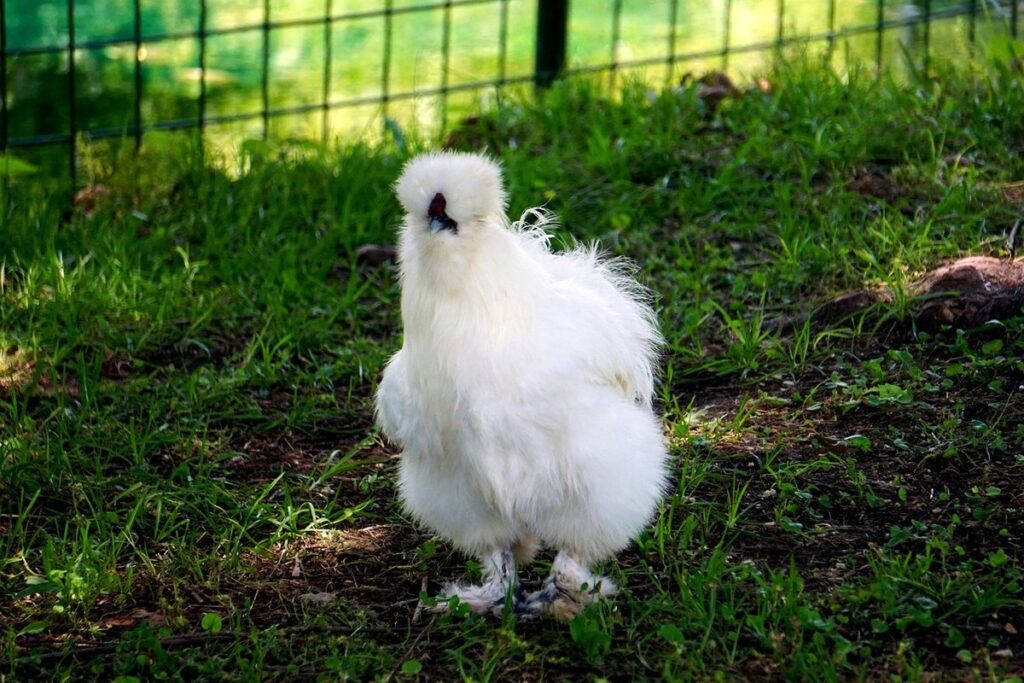
One of the most distinctive features of the Silkie breed is their fur. Unlike most chickens, Silkies have a thick undercoat that gives them a signature “beard” around their face and a “frill” on their neck. This extra layer of feathers requires regular grooming to prevent matting and tangling.
Silkies also come in a variety of colors, including white, black, blue, buff, and chocolate. Each color has its own unique characteristics, with some being more prone to feather loss than others.
When selecting a Silkie for show, it’s essential to consider the breed standard, which includes factors such as plumage quality, body type, and movement. By understanding these key characteristics, you’ll be better equipped to prepare your Silkie for the show ring.
Silkies are known for their gentle nature, but they still require regular handling and socialization to develop a confident temperament. With patience, consistency, and proper care, your Silkie will shine in the show ring.
Review of Silkie Breed Standard Requirements
When judging Silkies in conformation shows, there are several essential features and criteria to focus on. The first aspect is size. According to the Silkie breed standard, males should weigh between 10-13 pounds, while females should weigh between 9-12 pounds. It’s crucial to ensure your Silkie meets these weight requirements to avoid being disqualified.
Another critical factor is temperament. Silkies are known for their friendly and docile nature, but a show bird must exhibit confidence and composure in the ring. Train your Silkie to stand calmly on its own feet and tolerate handling from judges without showing signs of fear or aggression.
Finally, feather type is also a key consideration. The breed standard specifies that Silkies should have soft, fluffy plumage with no hard quills. When selecting a show bird, look for one with the characteristic “beard” of feathers around its face and throat area, as well as long, flowing tail feathers.
To accurately assess your Silkie’s conformation against these criteria, take note of its overall appearance and movement in the ring. Pay attention to how it carries itself and whether its weight is evenly distributed. By focusing on these essential features, you can help ensure your Silkie stands out at shows.
Grooming Basics: Preparing Your Silkie for Show
Before your silkie takes the show ring, it’s essential to master the basics of grooming, starting with a thorough cleaning and drying routine. Proper preparation sets the stage for a stunning presentation.
Importance of Regular Grooming for Show Silkies
Regular grooming is not just a nicety for show Silkies; it’s an essential part of their overall health and well-being. By committing to regular grooming sessions, you’ll maintain your Silkie’s cleanliness, prevent matting, and promote healthy skin.
To start with, regular cleaning is vital in removing dirt, oil, and debris that can accumulate on the bird’s plumage. This not only keeps the coat looking its best but also prevents the buildup of bacteria and germs that can cause health issues. For instance, if you notice dirt or oils accumulating around the eyes or beak area, gently wipe these areas with a damp cloth.
Matting is another critical concern when it comes to show Silkies. Matting occurs when wet feathers become tangled together, causing unsightly knots and clumps. To prevent matting, gently brush your Silkie’s coat daily, paying special attention to areas prone to matting such as the armpits and underside of the tail.
Lastly, regular grooming also promotes healthy skin by removing dead skin cells and promoting blood flow. This is especially important for show Silkies as they are bred for their luxurious plumage. By keeping your Silkie’s coat clean and well-maintained, you’ll be able to showcase their stunning beauty in top condition.
Brushing Techniques for Silkies
When it comes to brushing your Silkie, you’ll want to use a brush that’s specifically designed for their unique coat type. A pin brush is ideal for Silkies, as it gently removes tangles and mats without causing breakage. You can also use a slicker brush, which has fine teeth that are perfect for removing loose feathers.
To remove tangles and mats, start by gently working out the knots with your fingers or a wide-tooth comb. Then, use your pin brush to work through the tangled area, being careful not to pull too hard on the feathers. It’s also essential to brush in sections, rather than trying to tackle the entire bird at once.
For Silkies, it’s best to brush them frequently, ideally 2-3 times a week, to prevent matting and tangling. This is especially important for show birds, as their coat must be perfectly groomed to impress judges. Remember to always brush in the direction of the feathers, never against the grain, to avoid causing damage or breakage. Regular brushing will also help reduce shedding and keep your Silkie’s coat looking healthy and vibrant.
Silkie Coat Care: Dealing with Matting and Tangles
When it comes to Silkies, matting and tangles are a common issue that can ruin even the most beautiful coat. In this section, we’ll show you how to prevent and fix these pesky problems.
Causes of Matting in Silkies
Matting in Silkies can be caused by several factors. Humidity is one of the primary reasons why matting occurs in these birds. High humidity levels cause their feathers to become heavy and wet, leading to tangles and mats. If you live in an area with high humidity or have a poorly ventilated coop, this could be contributing to your Silkie’s matting issues.
Poor grooming habits can also lead to matting in Silkies. Regular brushing is essential for maintaining the health of their feathers and preventing matting. However, if you’re not used to handling your bird regularly or don’t brush them frequently enough, mats can form quickly. It’s recommended to brush your Silkie at least 2-3 times a week, paying particular attention to areas prone to matting such as around the vent and base of the tail.
Underlying health issues can also cause matting in Silkies. For example, certain skin conditions or allergies can lead to excessive scratching and feather picking, which can result in mats and tangles. If you notice your Silkie is developing mats frequently, it’s essential to consult a veterinarian to rule out any underlying health issues.
Techniques for Removing Mats and Tangles
Removing mats and tangles from a Silkie’s coat can be a daunting task, but it’s essential to do it correctly to prevent discomfort and injury to the bird. Before starting, make sure you have all the necessary tools: a slicker brush, a pin brush, and a detangling spray.
Begin by gently working out the mat or tangle with your fingers, taking care not to pull too hard, which can cause pain and even lead to broken skin. If the mat is particularly stubborn, use a detangling spray to help loosen it. Once you’ve worked out as much of the tangle as possible with your fingers, switch to a slicker brush to gently tease out any remaining knots.
Use long strokes, working from the ends of the bird’s feathers up towards the body, being careful not to pull on any sensitive areas. If you encounter resistance, stop and work the area more slowly until you’ve loosened it. Finally, use a pin brush to smooth out the coat and prevent matting from forming again.
Remember to be patient and gentle throughout the process – Silkies are known for their delicate skin, and rough handling can cause serious damage.
Show-Specific Grooming Requirements
When preparing your Silkie for a show, it’s essential to familiarize yourself with breed-specific grooming requirements. This includes standards for beards, muffs, and tail length, among other features.
Preparing Your Silkie for the Ring
When it comes to preparing your Silkie for the show ring, attention to detail is crucial. Start by trimming your bird’s nails, making sure not to cut the quick. You can use nail clippers specifically designed for birds or take them to a professional groomer who has experience with Silkies.
Next, clean your bird’s ears thoroughly to prevent any dirt or debris from accumulating and causing discomfort. Use a cotton ball or soft cloth dipped in warm water and mild soap to gently wipe the outer ear and canal.
If your Silkie has a beard or mustache, it will require regular trimming to keep it looking its best. Use thinning scissors or nail clippers specifically designed for trimming beards to carefully trim around the mouth and cheeks, taking care not to cut too close to the skin. Remember, less is often more when it comes to trimming your Silkie’s beard – you want to enhance their natural beauty, not obscure it.
By paying attention to these details, you’ll be well on your way to presenting a show-stopping Silkie in the ring.
Judging Tips: What Judges Look For in a Silkie’s Grooming
When presenting your Silkie at a competition, it’s not just about showcasing their unique characteristics and charm – it’s also about demonstrating exceptional grooming skills. Judges closely inspect each bird, taking note of every detail to determine which one takes home the top prize.
Cleanliness is paramount; a show-ready Silkie should be free from dirt, stains, and any visible signs of neglect. A quick wipe down with a damp cloth can work wonders in removing loose dirt and debris from their plumage. However, avoid using harsh chemicals or abrasive cleaners that may damage their delicate skin or coat.
Coat condition is another critical aspect judges examine. Silkies have a unique, fluffy appearance that requires regular grooming to maintain its texture and sheen. Look for an even distribution of feathers, with no matted or tangled areas that can detract from the overall presentation. Judges also assess the quality of their powder puff-like plumage, searching for any imperfections such as frizzing or unevenness.
Overall presentation is just as important as individual aspects like cleanliness and coat condition. Judges want to see a bird that exudes confidence and poise, with a well-groomed appearance that accentuates its natural charm.
Health Considerations in Show Silkies
When grooming Silkies for show, it’s essential to consider their unique health needs, such as skin issues and respiratory problems. We’ll cover these key factors to ensure your birds thrive in competition.
Common Health Issues Affecting Silkies
Silkies are prone to several health issues that can affect their appearance and overall well-being. One of the most common skin conditions affecting Silkies is skin infections, such as mites and scaly skin diseases like seborrhea and eczema. These conditions can be caused by poor hygiene, stress, or a weakened immune system.
Respiratory problems are another significant concern for Silkies breeders. Their flat face and compact body make them prone to breathing difficulties, especially in hot and humid environments. Beak trimming is essential to prevent respiratory issues, but it’s equally important to monitor their condition closely. If you notice any signs of distress or difficulty breathing, seek veterinary attention immediately.
Feather disorders are also common in Silkies, with conditions like frizzle and curly feathering being prevalent. While these characteristics can be desirable for show purposes, they can lead to health issues if not properly managed. Regular grooming is crucial to prevent matting, tangling, and breakage of feathers, which can cause further problems.
As a breeder or owner of Silkies intended for show, it’s essential to be aware of these potential health issues and take preventative measures to ensure the well-being of your birds.
Maintaining Your Silkie’s Health for the Long Term
As you work towards grooming your Silkie for show, it’s equally important to prioritize their overall health and well-being. A healthy Silkie is a happy one, and regular veterinary check-ups are essential in maintaining their long-term health.
Schedule annual or bi-annual visits with a veterinarian experienced in caring for Silkies to monitor their weight, behavior, and overall condition. These check-ups will also enable you to address any potential health issues early on, such as respiratory problems or feather mites. Your vet can provide guidance on vaccinations, parasite control, and other essential healthcare needs.
A balanced diet is another crucial aspect of maintaining your Silkie’s health. Feed them a high-quality commercial layer feed or a nutrient-rich homemade diet that includes fresh fruits, vegetables, and proteins. Ensure they always have access to clean water and limit treats to avoid obesity. Provide a stress-free environment by keeping their coop well-ventilated, quiet, and draft-free.
Regular grooming sessions also play a significant role in maintaining your Silkie’s health. Brushing helps remove loose feathers, reduces the risk of matting, and distributes natural oils throughout their coat.
Frequently Asked Questions
How Often Should I Brush My Silkie for Show?
Regular brushing is crucial to prevent matting and tangling, especially during the molting season. As a general rule of thumb, brush your Silkie at least 2-3 times a week, with more frequent sessions as needed.
What If My Silkie Has a Severe Matting Issue? Can I Use Regular Hair Conditioner?
While regular hair conditioner can help loosen tangles, it’s not suitable for severe matting. For such cases, you’ll need to use a specialized dematting tool or seek professional assistance from an experienced breeder or groomer.
Are There Any Specific Health Concerns I Should Watch Out for in Show Silkies?
Yes. Silkies are prone to health issues like frostbite, heat stress, and skin problems due to their unique feathering. Regularly inspect your bird’s coat and beak, and ensure they have a balanced diet and adequate living conditions.
Can I Use Human Hair Products on My Silkie’s Coat?
No, it’s not recommended to use human hair products on your Silkie’s coat. These can cause irritation, allergic reactions, or even lead to infections. Stick to specialized poultry grooming products designed specifically for birds.
How Do I Prepare My Silkie for the Show Ring, Given Their Nervous Nature?
To minimize stress and ensure your Silkie performs well in the show ring, acclimate them gradually to new environments and handling. Practice gentle but firm handling, and consider enlisting a trusted assistant or experienced breeder for support.