
As a chicken keeper, you want to ensure your flock is getting the nutrients they need to thrive. But with so many types of feeds on the market, it can be overwhelming to choose the right one for your chickens. Grower feed, in particular, is designed to support optimal growth and health during critical stages of development. Whether you’re raising chickens for meat or egg production, providing a balanced diet is crucial. In this article, we’ll delve into the benefits and nutritional requirements of grower feed, exploring what makes it different from starter feed and layer feed. We’ll also cover how to choose the right feed and implement an effective feeding program for your flock. By the end of this post, you’ll be equipped with the knowledge to make informed decisions about feeding your chickens.
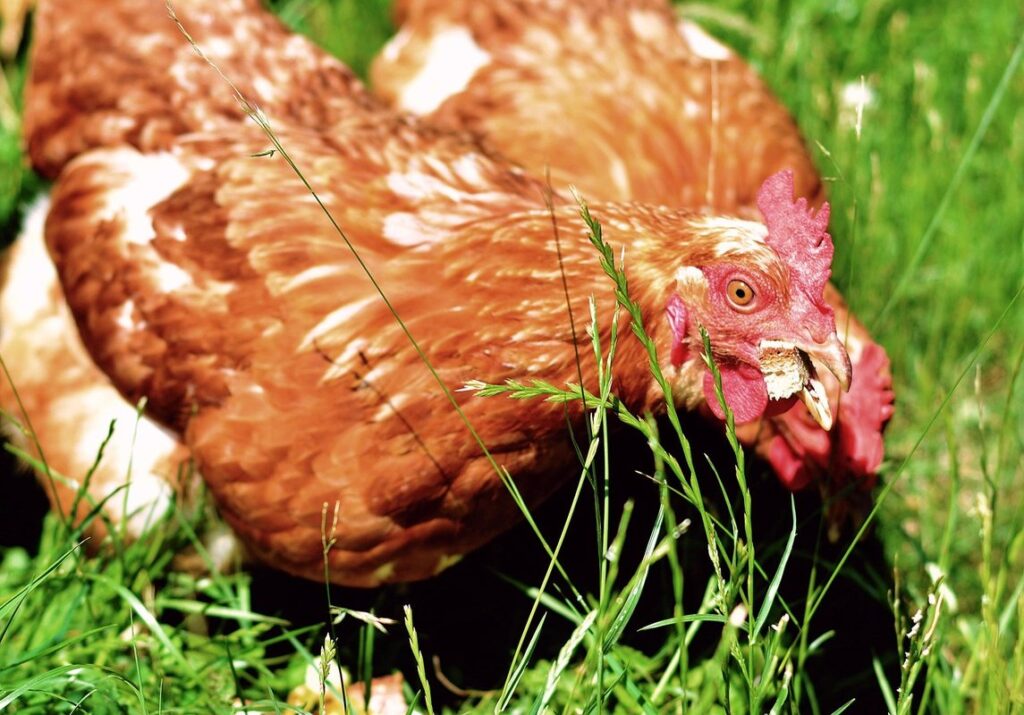
What is Grower Feed?
Grower feed is a specially formulated nutrition blend designed for young chickens, typically between 4 to 16 weeks of age. In this section, we’ll break down what’s in grower feed and how it supports their growth and development.
Types of Grower Feeds
Grower feeds come in various types, each formulated to meet specific nutritional needs at different stages of a chicken’s growth. One common type is starter feed, which contains high levels of protein and energy to support rapid growth during the initial 4-6 weeks. As chickens grow older, their nutritional requirements change, prompting a switch to finisher feed around week 8.
Finisher feeds have slightly lower protein content compared to starter feeds but higher in calcium for optimal eggshell production and bone development. Some growers opt for medicated feeds that contain antibiotics or other additives to control diseases like coccidiosis. These are typically recommended for large-scale operations with high disease pressure.
Other types include layer feed, which is designed for mature hens requiring a balanced mix of protein, calcium, and vitamins to maintain egg-laying capacity. There’s also breeder feed, formulated specifically for broiler breeders who need optimized nutrient profiles for reproductive health.
Benefits of Using Grower Feed
When you’re raising chickens for meat production, using grower feed can make all the difference in their growth and health. One of the main benefits of using grower feed is its ability to promote improved growth rates. Grower feed is specifically formulated to meet the nutritional needs of growing chickens, providing them with a boost of energy and nutrients that they need to develop strong muscles and bones.
Studies have shown that feeding grower feed to chickens can increase their weight gain by up to 20% compared to those fed with starter or layer feed. This means that you’ll be able to harvest your birds sooner and get more meat from each bird. Additionally, grower feed helps to improve the overall health of your flock by providing essential vitamins and minerals that can help prevent disease.
By using grower feed, you’ll also save money on veterinary costs in the long run. A healthy flock is a happy and productive one, which means you’ll get more eggs or meat from your birds while minimizing losses due to illness or injury. With its tailored nutritional profile and carefully balanced ingredients, grower feed is an essential component of any successful backyard chicken-keeping operation.
Choosing the Right Grower Feed
When selecting grower feed for your chickens, it’s essential to consider their age, breed, and dietary requirements. This will ensure you’re providing the right nutrients for optimal growth and health.
Firstly, check the label for the recommended age range. Grower feeds are typically formulated for chicks from 0-16 weeks of age. However, if you have older birds or a mix of breeds, choose a feed that caters to their specific needs. For example, starter feeds are designed for young chicks (0-4 weeks), while grower feeds are suitable for those between 4-16 weeks.
Consider the breed characteristics too – some breeds require more calcium or protein than others. Research your chicken’s breed-specific requirements and adjust your feed selection accordingly. Also, think about their lifestyle – if they’re indoors or outdoors, have access to pasture, or are more active due to free-ranging, these factors will influence nutrient needs.
Look for feeds that meet the National Research Council (NRC) standards and are formulated by reputable manufacturers. Check the ingredient list for whole grains, vegetables, and fruits as primary ingredients, rather than fillers like corn or soybean meal.
Nutritional Requirements of Chickens
To raise healthy and thriving chickens, it’s essential you understand their nutritional requirements, which we’ll break down into key vitamins, minerals, and macronutrients. Let’s dive into what your flock needs to stay happy and healthy!
Protein Content in Grower Feed
When it comes to grower feed chickens, the protein content is crucial for their growth and development. Adequate protein levels are essential to support muscle growth, feather production, and overall health. As a general rule of thumb, grower feeds should contain between 15% to 20% protein.
However, the optimal level of protein can vary depending on factors such as age, breed, and egg production. For example, chickens that are intended for meat production may require more protein than those raised for egg laying. Research has shown that broilers (meat-producing chickens) perform better when fed a diet containing around 18% to 20% protein.
On the other hand, layers (egg-laying chickens) can thrive on a slightly lower protein content of around 16% to 17%. It’s also worth noting that excessive protein intake can lead to digestive issues and decreased egg production. Therefore, it’s essential to strike the right balance and adjust the protein levels accordingly based on your specific flock’s needs.
To ensure you’re meeting your chickens’ nutritional requirements, consider consulting with a poultry nutritionist or conducting regular assessments of your flock’s health and performance.
Energy and Calorie Needs
Chickens require different amounts of energy and calories at various growth stages. During the starter phase (0-6 weeks), chicks need around 1,200 to 1,300 kcal/kg of feed to support rapid growth and development. As they enter the grower phase (6-18 weeks), their energy needs increase to approximately 1,400 to 1,500 kcal/kg.
Grower feed is formulated to meet these increased demands by providing a balanced mix of carbohydrates, proteins, and fats. The correct balance of energy sources helps regulate growth rates, maintain egg production, and support overall health. For example, a grower feed with 14-16% protein content will promote optimal muscle development without wasting excess calories.
To ensure your chickens receive adequate nutrition, it’s essential to provide the right amount of feed based on their age, sex, and intended use (meat or egg production). Overfeeding can lead to reduced fertility, while underfeeding may impede growth. Monitor your flock’s weight gain and adjust feeding schedules accordingly. A general rule of thumb is to offer 2-3% of body weight in feed daily. Regularly assessing your chickens’ energy needs will help you make informed decisions about their diet.
Essential Vitamins and Minerals
To ensure optimal growth and development, grower feed must provide chickens with essential vitamins and minerals. Vitamin A is crucial for healthy vision, immune function, and skin health, while vitamin D3 helps regulate calcium absorption, supporting strong bones. Grower feed typically contains a balanced mix of these vitamins to prevent deficiencies.
Other vital nutrients include vitamin E, which acts as an antioxidant to protect cells from damage, and B complex vitamins like niacin and riboflavin. These play key roles in energy metabolism and maintaining healthy feathers, skin, and eyesight. Minerals such as phosphorus and calcium are also essential for bone growth and density.
Grower feed formulas carefully balance these nutrient levels to meet the unique needs of chickens during this critical growth phase. Manufacturers often use bioavailable forms of vitamins and minerals to ensure maximum absorption and utilization by the chicken’s body. As a grower, it’s essential to choose high-quality feed from reputable suppliers that adhere to strict nutritional standards, guaranteeing your flock receives the necessary nutrients for optimal health and development.
Growth Stages and Feed Requirements
As you continue on your journey to raise healthy grower feed chickens, it’s essential to understand their specific growth stages and how to tailor their feed requirements accordingly.
Starter Feed vs. Grower Feed
When it comes to feeding grower chickens, understanding the differences between starter feed and grower feed is crucial. While both types of feeds provide essential nutrients for growth and development, they have distinct formulations tailored to specific stages of a chicken’s life.
Starter feed is designed for young chicks, typically aged 1-4 weeks. It contains higher levels of protein (around 20%) to support rapid growth and development during this critical period. The nutrient profile includes essential amino acids like methionine and lysine, which are vital for muscle growth and overall health. However, as chickens grow and mature, they require a more balanced diet that supports their increasing energy needs.
Grower feed, on the other hand, is formulated for older chicks (around 4-12 weeks) and layers. It contains around 16-18% protein, which is sufficient to support continued growth while also promoting optimal egg production in hens. Grower feed also has a more balanced calcium content, essential for strong bone development.
When transitioning from starter to grower feed, it’s essential to follow the manufacturer’s instructions and gradually introduce the new feed to prevent digestive upset. A common rule of thumb is to mix 25% grower feed with 75% starter feed over a period of 7-10 days before switching completely. This gradual transition helps ensure a smooth adjustment to the more mature nutrient profile.
Transitioning from Starter to Grower Feed
Transitioning from starter feed to grower feed is a crucial step in your chickens’ development. Typically, this transition occurs between 4-6 weeks of age, but it’s essential to monitor your flock’s growth and adjust accordingly. As they approach adolescence, their nutritional needs change dramatically.
At around 4-5 weeks, you’ll start to notice changes in your birds’ behavior and physiology. Their appetites will increase, and they may begin to show signs of muscle development. It’s time to introduce grower feed as a supplement or replace starter feed entirely.
When transitioning, it’s crucial to do so gradually. Sudden changes can lead to digestive upset, but introducing the new feed at a rate of 25% to 50% of their total diet will help ease this process. Monitor your flock’s response and adjust the ratio accordingly. Keep in mind that some commercial grower feeds come with specific instructions for transition periods.
As you introduce grower feed, ensure they always have access to fresh water and maintain a balanced nutritional profile. This will not only support optimal growth but also lay a solid foundation for future health and productivity.
Factors Affecting Feed Requirements
When it comes to grower feed chickens, several external factors can impact their nutritional needs. Climate is one of the most significant considerations, as extreme temperatures can affect energy expenditure and nutrient requirements. In hot climates, for instance, birds may require more protein to maintain body weight due to increased heat stress. Conversely, cold climates demand more energy-dense feeds to help birds conserve heat.
The health status of your flock also plays a crucial role in determining feed requirements. Birds suffering from diseases or parasites may need specialized nutrients to aid recovery and boost immunity. Additionally, breed can influence nutrient needs, as some breeds are naturally more robust than others.
To account for these variations, it’s essential to monitor your flock closely and adjust their feed accordingly. Consider factors like age, weight, and production stage when formulating a feed plan. Regular health checks and nutritional assessments will help you identify specific needs and ensure your birds receive the right nutrients at each growth stage. By factoring in climate, health status, and breed, you can optimize grower feed for optimal chicken performance.
Health Considerations and Common Issues
When it comes to raising grower feed chickens, health issues can arise if you’re not prepared. Understanding common problems is crucial to providing top-notch care for your flock.
Managing Chickens with Special Dietary Needs
When it comes to managing chickens with special dietary needs, some extra care and attention are required. You may have a flock member with allergies, sensitivities, or specific health conditions that necessitate a tailored diet. Grower feed can be formulated to accommodate these requirements, but you’ll need to work closely with your supplier or veterinarian to ensure the correct formulation.
Start by identifying the needs of your chicken. Consult with a veterinarian to determine the best course of action for managing their condition. For example, if your chicken has an allergy to certain grains, you may be able to substitute them with alternative ingredients in the grower feed formula.
Once the specialized diet is formulated, ensure that all chickens have equal access to the feed. You can do this by implementing a staggered feeding system or providing individual feeding troughs. This will prevent any one chicken from dominating the feed and ensure that each bird gets its fair share of nutrients.
Addressing Common Health Problems
Chickens fed grower feed can be prone to certain health issues due to the high protein and energy content. One common problem is digestive upset, which can lead to watery droppings, diarrhea, and even lethargy. To prevent this, ensure a gradual transition from starter feed to grower feed over 7-10 days. Monitor your flock closely during this period for any signs of distress.
Another issue associated with grower feed is an increased risk of kidney stones and gout in chickens. This can be managed by providing fresh water at all times and ensuring adequate space for exercise. A minimum of 4 square feet per bird should be provided to allow for movement and activity.
A balanced diet rich in calcium and phosphorus can also help mitigate these risks. Consider supplementing your flock’s feed with crushed oyster shells or dark leafy greens like kale or spinach. Regular health checks, proper ventilation, and a clean living environment will also go a long way in maintaining overall health and preventing disease.
Biosecurity Measures for Grower Feed
Maintaining biosecurity measures when handling and storing grower feed is crucial to prevent the introduction of diseases and pests into your flock. This is especially important during the grower phase, as young chickens are more susceptible to illness.
When handling grower feed, make sure to wash your hands thoroughly with soap and water before and after each use. Wear clean clothes and a hair tie or cap to prevent loose hair from falling into the feed. Use a scoop or bucket specifically designated for feeding to avoid cross-contamination with other materials.
Store grower feed in rodent-proof containers or bins, kept away from areas where wild birds can access them. Regularly inspect your storage area for signs of pests or mold and clean it thoroughly as needed. By following these simple steps, you can significantly reduce the risk of introducing diseases into your flock and ensure a healthy grower period for your chickens.
Implementing an Effective Feeding Program
Now that you’ve got a solid understanding of grower feed chickens, let’s dive into implementing a feeding program that supports their optimal growth and health. This is where attention to detail really matters!
Setting Up a Feeding Schedule
Creating a structured feeding schedule is crucial to ensure consistency and optimal growth in grower feed chickens. Without a plan, you may inadvertently create an imbalanced diet that can lead to nutritional deficiencies or excesses. To start, determine the age range of your flock and the expected growth rate. Most commercial growers use a 3-phase feeding program: starter (0-4 weeks), grower (4-8 weeks), and finisher (8-12 weeks).
For grower phase chickens, aim for a feeding schedule that provides around 16-18% protein content and 0.9-1.2% calcium. This can be achieved by providing 1/4 to 1/3 pound of feed per bird per day, divided into 2-3 meals. Monitor your flock’s weight gain and adjust the feed accordingly. Some growers also use a “pulse” feeding system where they offer a small amount of feed in the morning and then supplement with an additional meal in the afternoon. Remember to always provide fresh water at all times and ensure good ventilation to prevent heat stress. With consistency and patience, your grower feed chickens will thrive under a well-planned feeding schedule.
Monitoring Growth Progress
Monitoring growth progress is crucial to ensure that your grower feed chickens are receiving the right amount of nutrients and energy to reach their optimal weight. To do this effectively, you’ll need to track their growth rate regularly. Start by measuring and recording their weights every week or two, depending on their age and breed.
Pay attention to their feed conversion ratio (FCR), which is a measure of how efficiently they’re converting feed into body weight. A lower FCR indicates better efficiency. You can also monitor their daily water intake and adjust the feeding program accordingly. Keep an eye out for any changes in droppings, as this can indicate health issues or nutritional imbalances.
Adjustments to the feeding program may be necessary based on growth progress. For example, if you notice a slowdown in weight gain, it may be due to insufficient protein or energy intake. Conversely, if they’re gaining too quickly, you might need to reduce their feed amounts to prevent overfeeding and related health issues.
Record Keeping and Tracking
Maintaining accurate records is crucial when implementing an effective feeding program for grower feed chickens. You need to track feed usage, bird weight, and health status regularly to make informed decisions.
Firstly, record keeping helps you monitor feed consumption accurately. This information is vital in determining whether your birds are getting the right amount of nutrients from their feed. By tracking feed usage, you can identify any discrepancies that may arise due to various factors such as weather conditions or bird behavior. For instance, during hot summer months, chickens may consume more water than usual, leading to increased feed consumption.
In addition to tracking feed usage, it’s also essential to record bird weight regularly. This helps in assessing their growth rate and identifying any potential health issues. By monitoring weight gain, you can adjust your feeding program accordingly to ensure that your birds are receiving the necessary nutrients for optimal growth. It’s recommended to weigh your birds at least once a week, especially during the early stages of growth.
When it comes to tracking health status, accurate records help in identifying any potential health issues early on. By monitoring bird behavior, appetite, and droppings, you can detect any signs of illness or disease. Regular record keeping also helps you identify any correlations between feed changes and bird health. This information is valuable in making informed decisions about your feeding program.
By maintaining accurate records of feed usage, bird weight, and health status, you can refine your feeding program to optimize chicken growth and production. Remember, data-driven decision-making is key to a successful grower feed chicken operation. So, make sure to dedicate time to record keeping and use the insights gained to improve your feeding practices.
Frequently Asked Questions
How do I transition my flock from starter feed to grower feed?
Transitioning your chickens from starter feed to grower feed is a gradual process that requires careful planning. Around week 4-6, you can start introducing small amounts of grower feed into their diet while still providing starter feed as the main source of nutrition. Gradually increase the proportion of grower feed over the next few weeks until they’re fully on grower feed by around 8-10 weeks.
Can I use grower feed for chickens beyond 16 weeks?
While grower feed is designed for young chickens between 4 to 16 weeks, you can continue using it as a maintenance feed for older birds. However, consider switching to layer feed if your flock will be producing eggs long-term, as this type of feed provides additional nutrients essential for egg production.
How do I ensure proper storage and handling of grower feed?
To maintain the nutritional value and freshness of grower feed, store it in a dry place protected from pests and moisture. Keep the feeders clean and well-maintained to prevent contamination and spoilage. Regularly inspect your feed for signs of damage or spoilage.
Can I mix grower feed with other supplements or grains?
Adding certain supplements or grains can enhance the nutritional value of grower feed, but ensure you’re not over-supplementing as this can lead to an imbalance in their diet. Always consult a veterinarian or poultry expert before making any significant changes to your flock’s feeding regimen.
What are some common signs of nutrient deficiencies in grower-fed chickens?
Watch out for symptoms such as lethargy, poor feather condition, and decreased egg production. Be aware that certain nutrient deficiencies can manifest differently depending on the specific nutrient lacking, so it’s essential to monitor your flock closely and address any issues promptly with a veterinarian or poultry expert.