
If you’re anything like me, there’s nothing quite like biting into a sweet, juicy strawberry straight from your own garden. And if you’re looking to grow your own runners strawberries at home, you’ve come to the right place! Runners strawberries are one of the most popular varieties for home growers, and it’s easy to see why – they produce an abundance of delicious fruit with minimal maintenance.
In this article, we’ll take a closer look at how to choose the perfect variety of runners strawberry for your needs. We’ll cover everything from selecting the right spot in your garden to harvesting and preserving these tasty treats. Whether you’re a seasoned gardener or just starting out, by the end of this article, you’ll have all the knowledge you need to grow and enjoy your very own runners strawberries.
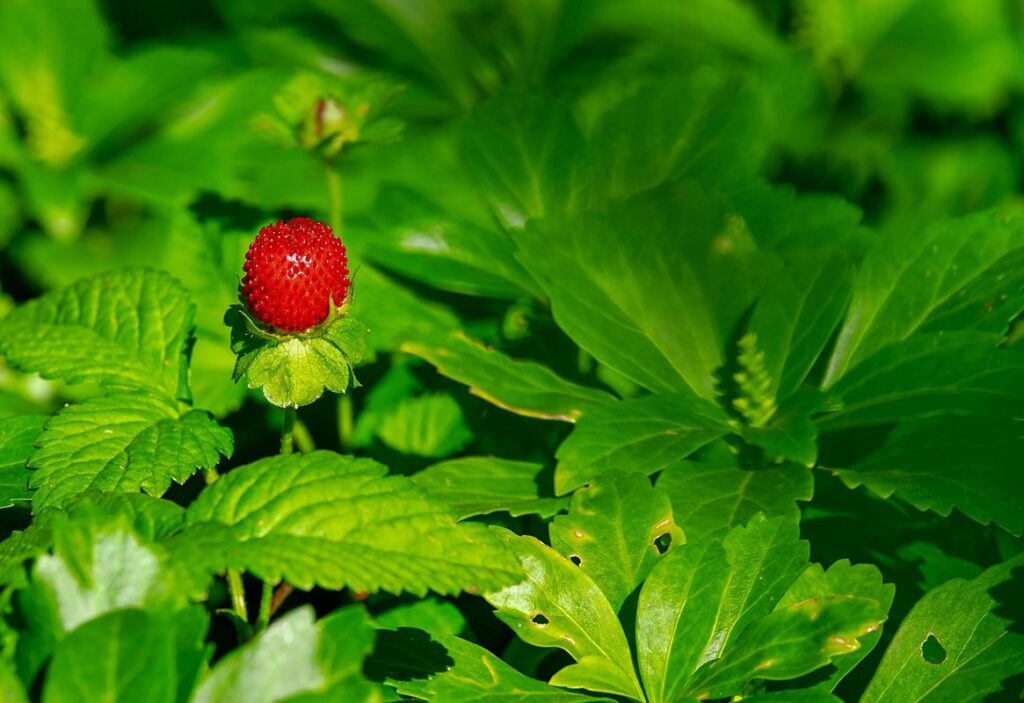
Introduction to Runners Strawberry
Welcome to our guide on growing and caring for Runners strawberries! In this section, we’ll introduce you to the basics of this popular fruit plant.
What are Runners Strawberry?
Runners strawberry is one of the most popular varieties of strawberries grown worldwide. Originating from the United Kingdom, this specific strain has been cultivated for over a century to produce delicious fruits with excellent flavor and texture.
One of the defining characteristics of Runners strawberry is its high yield, typically producing around 300-400g (10-14 oz) per plant annually. This abundance makes it an ideal choice for both commercial growers and home gardeners seeking a reliable source of fresh strawberries.
Runners strawberry plants are also known for their hardiness and adaptability to different environments. They thrive in a wide range of soil types, from acidic to alkaline, and can tolerate temperatures as low as -2°C (28°F). This versatility allows Runners to be grown almost anywhere, making it an attractive option for growers with varying climate conditions.
If you’re planning to grow your own Runners strawberries, keep in mind that this variety is a June-bearing type. This means they produce their largest crop in the summer months and typically require a period of chill hours (around 600-900 hours below 7°C or 45°F) during winter for proper growth.
The combination of high yield, adaptability, and excellent flavor makes Runners strawberry an exceptional choice for anyone looking to grow their own delicious strawberries at home.
Benefits of Growing Runners Strawberry
Growing runners strawberry offers numerous benefits that make it an ideal choice for gardeners and fruit enthusiasts. One of the primary advantages is its ease of cultivation. Runners are extremely hardy and can thrive in a wide range of conditions, making them perfect for beginners or those with limited gardening experience.
Another significant benefit is its high yield. Runners strawberry plants produce numerous runners that can be easily propagated to create new plants, resulting in a continuous supply of fresh strawberries throughout the growing season. A single plant can produce up to 1-2 pounds of fruit per year, making it an excellent choice for home gardeners looking to enjoy a bountiful harvest.
In addition to its ease of cultivation and high yield, runners strawberry is also rich in essential nutrients. It is an excellent source of vitamin C, potassium, and fiber, making it a nutritious addition to any diet. With proper care and maintenance, growing runners strawberry can be a rewarding experience that provides you with delicious homegrown fruit and numerous health benefits.
Choosing the Right Variety of Runners Strawberry
When growing Runners strawberries, selecting the right variety is crucial for optimal flavor and performance. This section will walk you through the key factors to consider when choosing your perfect strawberry plant.
Factors to Consider When Selecting a Variety
When selecting a variety of Runners strawberries, there are several key factors to consider. First and foremost, disease resistance is crucial. Some varieties, like ‘Runners Red’, have excellent resistance to powdery mildew, a common issue with strawberry plants. This means you’ll spend less time applying fungicides and more time enjoying your harvest.
Another important consideration is climate adaptability. Runners strawberries are generally hardy in USDA zones 3-8, but some varieties can tolerate warmer or cooler temperatures better than others. For example, ‘Runners Red’ is a good choice for growers in warmer climates, while ‘Runners White’ prefers cooler temperatures.
Flavor profile is also a significant factor. Do you prefer sweet and tangy or tart and fruity? Some varieties, like ‘Runners Alpine’, have a sweeter flavor, while others, like ‘Runners White’, are more acidic. Consider your personal taste preferences when choosing a variety.
Popular Varieties of Runners Strawberry
If you’re looking to grow runners strawberries, there are several popular varieties to choose from. One of the most well-known is ‘Albion’, a high-yielding variety that produces large berries with excellent flavor and texture. Another popular choice is ‘Cambridge Favourite’, which produces medium-sized berries with a sweet taste.
For those who want a variety with a bit more resistance to disease, ‘Flamenco’ is a great option. This variety produces large berries with good yields and has shown to be relatively resistant to powdery mildew, a common issue for runners strawberries. ‘Red Gauge’, on the other hand, is known for its high yield and sweet flavor.
When choosing a variety, consider your climate and growing conditions. Some varieties may perform better in cooler temperatures or with more sunlight. It’s also worth noting that runners strawberries are typically self-fertile, but having multiple plants can increase yields. Planting a mix of different varieties can be beneficial for cross-pollination and overall health of the plants.
In addition to these popular varieties, some nurseries may carry other unique options such as ‘Bounty’ or ‘Fern’. Be sure to research each variety’s specific needs and characteristics before making a final decision.
Planting and Care of Runners Strawberry
To successfully grow runners strawberries, it’s essential to know how to plant and care for them properly, from choosing a suitable location to preventing pests and diseases.
Preparing the Soil for Planting
Preparing the soil for planting runners strawberry is a crucial step that often gets overlooked. However, it’s essential to get this right if you want to enjoy a bountiful harvest of delicious and sweet strawberries. The first thing to consider is the pH level of your soil. Runners strawberry prefers a slightly acidic to neutral soil pH, ranging from 5.5 to 6.5. If your soil is too alkaline or acidic, it may affect the plant’s ability to absorb essential nutrients.
To prepare your soil for planting, start by testing its pH level and nutrient availability. You can purchase a DIY soil test kit or send a sample to a lab for analysis. Based on the results, you may need to add lime to raise the pH or sulfur to lower it. Additionally, runners strawberry requires a balanced diet of nutrients such as nitrogen, phosphorus, and potassium. Consider adding compost or well-rotted manure to your soil to provide these essential nutrients.
It’s also important to loosen the top 8-10 inches of soil to create a well-draining environment for your plants’ roots to grow. This will help prevent waterlogged soil that can lead to root rot and other problems. By taking these simple steps, you’ll be creating a fertile foundation for your runners strawberry plants to thrive and produce an abundance of juicy fruits.
Watering and Fertilization Needs
When it comes to watering and fertilizing your runners strawberry plants, there are some key things to keep in mind. Runners strawberries prefer moist soil but can be susceptible to overwatering, which can lead to root rot and other problems. To avoid this, make sure the soil drains well and water only when the top 1-2 inches of soil feel dry to the touch.
It’s also essential to provide your runners strawberry plants with adequate fertilization. Use a balanced fertilizer that contains equal amounts of nitrogen, phosphorus, and potassium (N-P-K). Apply it once a month during the growing season, following the instructions on the label for proper application rates. A good rule of thumb is to apply about 1/4 cup of fertilizer per plant.
Some other tips to keep in mind include avoiding fertilizing your runners strawberry plants when they’re under stress or during extreme weather conditions. Also, consider using compost or well-rotted manure as a natural fertilizer to add nutrients and improve soil health. By following these guidelines, you should be able to provide your runners strawberries with the right balance of water and nutrients for optimal growth and production.
Pests and Diseases Affecting Runners Strawberry
When it comes to growing healthy runners strawberries, being aware of potential pests and diseases is crucial for a bountiful harvest and preventing losses. This section will cover common issues you may encounter in your strawberry patch.
Common Pests Affecting Runners Strawberry
As a runner strawberry grower, it’s essential to be aware of common pests that can damage your crop. One of the most prevalent pests affecting runner strawberries are aphids. These tiny insects feed on plant sap, causing curled or distorted leaves and stunted growth. To control aphid infestations, use neem oil or insecticidal soap according to the product’s instructions.
Slugs and snails are also notorious pests that can wreak havoc on your runner strawberry patch. These slimy creatures feast on leaves, flowers, and fruits, leaving behind a trail of damage. Use copper tape or crushed eggshells around plant stems to deter slugs and snails. Hand-picking them at night is another effective method.
Other common pests affecting runner strawberries include spider mites, whiteflies, and caterpillars. Regularly inspect your plants for signs of infestation, such as webbing, yellowing leaves, or holes in fruits. Use a magnifying glass to spot these pests early on. By being vigilant and taking prompt action, you can prevent pest infestations from getting out of hand and protect your runner strawberry crop.
Preventing and Treating Fungal Diseases
Fungal diseases are one of the most common threats to runners strawberry plants. To prevent these issues, ensure good air circulation around your plants by providing adequate space between each plant and removing any weeds that may be competing for resources.
Regular watering can also contribute to fungal diseases if water sits on the leaves or crown for extended periods. Water your plants in the morning so the foliage has time to dry before nightfall. Mulching around the base of the plants can help retain moisture while keeping the area around the crown dry.
When treating fungal infections, choose a fungicide specifically labeled for use on strawberry plants. Apply the product according to the label instructions, taking care not to spray during peak sunlight hours when possible. Cultural practices such as crop rotation and sanitation also play an essential role in preventing fungal diseases from developing.
Harvesting and Storing Runners Strawberry
Now that your runners strawberry plants are thriving, it’s time to focus on harvesting and storing their delicious fruits to enjoy throughout the year. This process requires some careful planning and technique.
Optimal Timing for Harvest
When it’s time to harvest runners strawberries, timing is crucial. These delicate fruits don’t stay ripe for long, so you’ll want to check on them frequently. One of the most reliable signs of ripeness is the color: runners strawberries are ready when they turn a deep red or even slightly purple hue.
Another way to determine if your strawberries are ripe is by gently tugging on the stem. If it comes off easily and with minimal resistance, that’s a good indication they’re ready. Harvest them at peak ripeness for optimal flavor and texture.
The best time to harvest runners strawberries is usually early in the morning, after the dew has dried but before the heat of the day sets in. This helps prevent damage from moisture or extreme temperatures. For most varieties, you can expect to harvest runners strawberries around 60-90 days after planting, depending on factors like climate and soil quality.
Make sure to check your plants regularly, as strawberries will continue to produce new flowers and fruits throughout the season. By harvesting at the right time, you’ll be able to enjoy your delicious runners strawberries for a longer period.
Tips for Storing Freshly Picked Runners Strawberry
When you’ve finally harvested your freshly picked Runners strawberry, it’s essential to store them properly to maintain their freshness and prevent spoilage. To keep your berries in top condition, start by gently washing them in cold water to remove any dirt or debris. Pat the strawberries dry with a clean towel or paper towels to prevent moisture from accumulating.
Store your Runners strawberries in a single layer on a paper towel-lined container or tray, allowing for good air circulation around each berry. This will help prevent moisture buildup and reduce the risk of mold and rot. You can also store them in an airtight container, but make sure it’s not too tight, as this can cause the berries to become damaged.
If you won’t be using your strawberries immediately, consider storing them in the refrigerator at a consistent temperature below 40°F (4°C). Use them within 3-5 days of harvesting for optimal flavor and texture. To extend their shelf life, you can also store them in the freezer. Simply wash and dry the berries as described above, then place them in an airtight container or freezer bag, making sure to press out as much air as possible before sealing.
Using Runners Strawberry in Cooking and Baking
You’ll love experimenting with Runners strawberries in your favorite recipes, from sweet desserts to tangy sauces and salads that showcase their unique flavor profile. Let’s dive into some tasty ideas!
Incorporating Runners Strawberry into Salads and Desserts
When it comes to using Runners strawberry in cooking and baking, one of the most delicious ways to enjoy them is by incorporating them into salads and desserts. The sweetness and juiciness of these strawberries make them a perfect addition to both sweet and savory dishes.
For salads, try pairing fresh Runners strawberries with crumbled feta cheese, toasted almonds, and mixed greens for a refreshing summer salad. You can also add sliced strawberries to a spinach and goat cheese salad for a tangy twist. Don’t forget to drizzle your favorite balsamic glaze over the top for added flavor.
In desserts, Runners strawberry is a natural fit. Blend fresh strawberries with vanilla yogurt and honey for a quick and easy parfait topping. You can also use them as a topping for shortcake or cheesecake. For a more decadent treat, try making a strawberry sorbet using pureed Runners strawberries and a touch of sugar.
When combining flavors, remember that the sweetness of the strawberries pairs well with creamy ingredients like yogurt, cheese, and chocolate. Experiment with different combinations to find your new favorite dessert.
Preserving Runners Strawberry through Jam-Making and Freezing
When it’s time to enjoy your runners strawberry crop year-round, preserving is an excellent way to keep their sweetness and flavor intact. Two popular methods for preserving runners strawberries are jam-making and freezing.
For making jam, start by washing and crushing the strawberries to release their juice. A general rule of thumb for jam-making is to use 3-4 cups of strawberries with 1 cup of granulated sugar. However, some recipes call for more or less sugar depending on personal preference and the desired level of sweetness. For runners strawberries, which are known for their tartness, you may want to adjust the sugar content upwards.
Freezing is another effective way to preserve your runners strawberry crop. Simply wash and pat dry the berries, then spread them out on a baking sheet lined with parchment paper. Place the sheet in the freezer until the berries are frozen solid, then transfer them to an airtight container or freezer bag for storage. When you’re ready to use them, simply thaw at room temperature or rehydrate by soaking in water.
It’s essential to note that runners strawberries have a naturally higher acidity level compared to other strawberry varieties. This makes them well-suited for jam-making and freezing, as the acidity helps preserve the fruit and prevents spoilage.
Conclusion
Growing your own Runners strawberry plants can be a rewarding experience, providing you with a delicious and bountiful harvest for years to come. By following the guidelines outlined in this comprehensive guide, you’ll be well on your way to becoming a seasoned strawberry farmer. Remember to choose a spot with plenty of sunlight and well-draining soil, and don’t hesitate to mulch around your plants to retain moisture and suppress weeds.
As you tend to your Runners strawberry plants, keep an eye out for signs of pests or diseases, and take action promptly if you notice any issues. With proper care and attention, these hardy little plants will thrive and produce a steady supply of sweet, juicy strawberries that are perfect for snacking, baking, or preserving.
Ultimately, the key to successfully growing Runners strawberry is consistency and patience – make sure to water, fertilize, and prune your plants regularly, and be prepared to enjoy a bountiful harvest season after season. Happy growing!
Frequently Asked Questions
Can I grow Runners strawberries in containers or do they require a lot of space?
Yes, you can definitely grow Runners strawberries in containers! In fact, this variety is ideal for container gardening due to its compact size and high yield. Just make sure the container is at least 12-18 inches deep and has good drainage holes to prevent waterlogged soil.
How do I know if my Runners strawberry plants are getting enough sunlight?
Runners strawberries need full sun to produce an abundance of fruit, so aim for a spot that receives direct sunlight for at least 6 hours a day. If you’re growing in containers, consider moving them to a sunny location during the warmer months.
What’s the best way to store freshly picked Runners strawberries to keep them fresh for longer?
To enjoy your freshly picked strawberries for a few days longer, store them in a cool, dry place away from direct sunlight. You can also refrigerate them or freeze them for later use. For optimal flavor and texture, try storing them in an airtight container lined with paper towels.
Can I grow multiple varieties of Runners strawberry together, or should they be planted separately?
While it’s technically possible to grow different varieties together, it’s generally recommended to plant each variety separately to avoid cross-pollination. This will also make harvesting and managing the plants easier.
How often should I water my Runners strawberry plants, especially during hot summer months?
Runners strawberries prefer well-draining soil and moderate watering. Aim to water them once or twice a week, depending on weather conditions. During hot summer months, you may need to water more frequently to prevent drought stress. Make sure the top 2-3 inches of soil are moist but not waterlogged.