
If you’re a strawberry enthusiast or just starting to dip your toes into growing your own fruits, you’ve probably heard about propagating new plants from runners. But have you ever wondered how to do it successfully? Choosing the right type of runner and preparing them for planting can make all the difference in getting healthy and thriving strawberry plants. In this article, we’ll walk you through the process of growing strawberry plants from runners, covering everything from selection and preparation to care and maintenance. We’ll also share valuable tips on maximizing yields and avoiding common pests and diseases that can harm your crop. By following these steps and guidelines, you’ll be well on your way to enjoying a bountiful harvest of juicy strawberries straight from your garden.
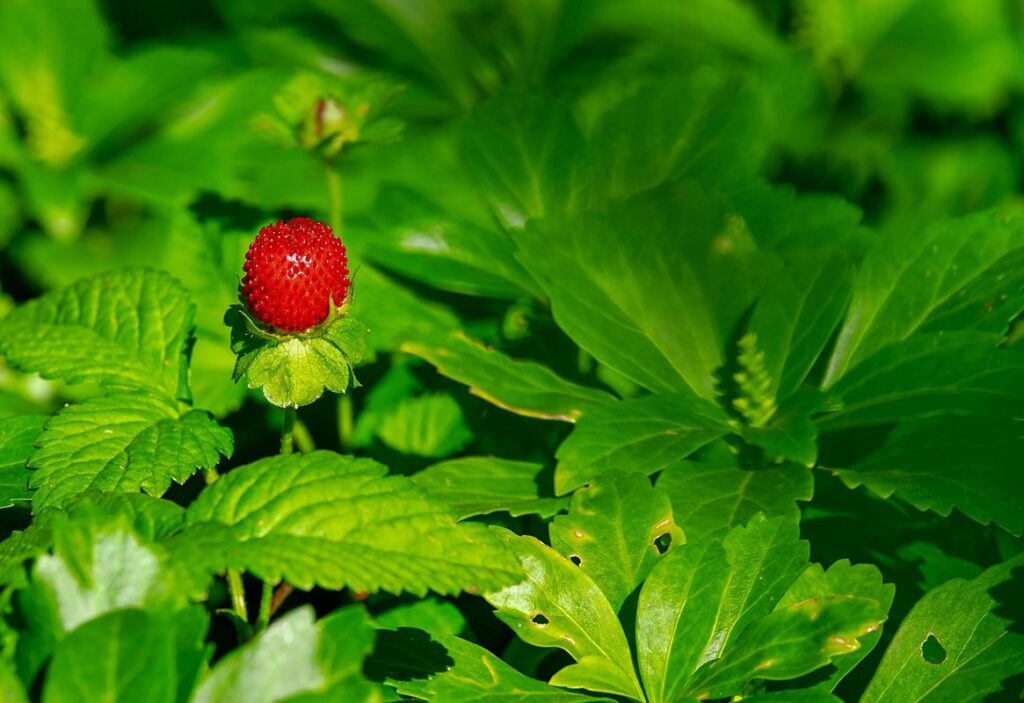
Introduction to Strawberry Runners
Welcome to our guide on growing strawberry plants from runners! In this next part, we’ll introduce you to the basics of strawberry runners and how they can be used for propagation.
What are Strawberry Runners?
Strawberry runners are long stems that grow from mature strawberry plants, carrying new buds and leaves. These stems can extend up to several feet away from the mother plant, a process known as “vegetative propagation.” This natural mechanism allows strawberry plants to produce new offspring without seeds, enabling gardeners to easily multiply their favorite varieties.
The importance of strawberry runners lies in their ability to create genetically identical clones of the parent plant. By allowing the runners to develop and root, you can establish new strawberry plants that will produce fruit true to the characteristics of the original variety. This method is particularly useful for propagating high-quality or disease-resistant strawberry cultivars.
To harness the potential of strawberry runners, gardeners should trim them off from the mother plant when they reach about 4-6 inches long. By doing so, you’ll encourage the development of new roots and reduce competition between the runner and the parent plant for water and nutrients. This simple step will help ensure a healthy and productive new strawberry plant.
Benefits of Growing Strawberries from Runners
Growing strawberries from runners offers numerous benefits that make it an attractive option for gardeners. One of the most significant advantages is cost-effectiveness. Since strawberry plants produce multiple runners throughout their growing season, you can easily propagate new plants without purchasing seeds or seedlings. This method saves you money and allows you to multiply your favorite varieties.
Another benefit of growing strawberries from runners is the high success rate. When properly cared for, strawberry plants grown from runners typically have a 90-100% germination rate, ensuring that most of the planted runners produce healthy new plants. This is in contrast to traditional seed starting methods, which often result in lower success rates.
Disease resistance is also an advantage when growing strawberries from runners. Since the new plants are genetically identical to the parent plant, they tend to inherit its disease-resistant traits. This reduces the risk of disease outbreaks and makes strawberry cultivation easier for gardeners. By using runners to propagate your strawberries, you can enjoy a bountiful harvest with minimal hassle.
Choosing Healthy Runners for Propagation
When selecting strawberry runners for propagation, it’s essential to choose healthy ones that have already rooted and are showing signs of new growth. This ensures a higher success rate in establishing new plants.
Selecting the Right Type of Strawberry Runner
When selecting strawberry runners for propagation, it’s essential to identify and choose healthy ones. A good starting point is to look at the stem length – ideal runners should be around 10-15 inches long, with a slightly flexible stem that can bend without breaking. Avoid runners that are too short or brittle.
Next, examine the leaf quality. Healthy leaves should be bright green, with no signs of yellowing or wilting. Look for leaves with an even texture and minimal spotting or blemishes. A healthy runner should also have developed roots, which can be indicated by a slight swelling at the base of the stem or a faint white root tip. Avoid runners with weak or sparse roots, as these will not produce strong new plants.
By carefully selecting runners that exhibit these characteristics, you’ll significantly increase your chances of successfully growing new strawberry plants from runners. Remember to handle the runners gently to avoid damaging them during transfer, and plant them in a location with well-draining soil and full sun.
Preparing the Runners for Planting
Before planting the selected runners, it’s essential to prepare them properly. Start by trimming off any weak or damaged leaves from the runner, as these can harbor diseases that might spread to the mother plant. Next, gently wash the runners with lukewarm water to remove any dirt, debris, or pests that may be clinging to them.
After washing, lay the runners flat on a clean surface and allow them to air dry for at least 24 hours. This helps prevent fungal diseases from developing in the planting site. You can speed up the drying process by gently patting the runners with a paper towel, taking care not to bruise or damage the delicate roots.
Once the runners are completely dry, inspect them carefully for any signs of rot or mold. If you find any affected areas, trim them off immediately to prevent the disease from spreading. With your runners now clean and ready, you’re one step closer to successfully propagating new strawberry plants.
Planting Strawberry Runners: Techniques and Tips
You’re excited to get started, but before you plant those strawberry runners, let’s explore some essential techniques and valuable tips to ensure success in growing healthy plants.
In-Ground Planting Method
When planting strawberry runners in-ground, it’s essential to create an ideal environment for their growth. Start by selecting a location with well-draining soil that receives full sun to partial shade. The optimal pH range for strawberries is between 5.5 and 6.5, so test your soil before planting.
For in-ground planting, space strawberry plants about 18-24 inches apart, depending on the variety. Dig holes that are 6-8 inches deep, and gently spread out the roots of the runner. Place the crown (where the leaves meet the stem) at soil level, making sure not to bury it too deeply.
Water thoroughly after planting, and keep the soil consistently moist during the first few weeks. As the plants establish themselves, reduce watering to about 1 inch per week. Mulch around the plants to retain moisture, suppress weeds, and regulate soil temperature.
By following these in-ground planting guidelines, you’ll be well on your way to growing healthy strawberry plants from runners.
Container Growing Method
When growing strawberry plants from runners using the container method, it’s essential to choose the right potting mix. Look for a mix specifically designed for strawberries, which typically contains more perlite or vermiculite to improve drainage and prevent waterlogged soil. A well-draining mix will help to prevent root rot and ensure your plants receive adequate oxygen.
A good starting point for container size is a minimum of 6-8 inches deep and 12-18 inches wide. This allows the roots to grow freely while keeping the plants contained. However, you can use larger containers if available, as this will provide more space for the plant’s root system to develop.
When selecting a location for your containers, choose a spot that receives full sun (at least six hours of direct sunlight) and has good air circulation. This is crucial for preventing fungal diseases that thrive in damp conditions. If you’re growing in an area with intense heat, consider using a light shade cloth to filter the sun’s rays during peak hours.
Position your containers at a comfortable height to allow easy access for watering and maintenance. Avoid placing them too close to each other, as this can lead to overcrowding and reduced air circulation.
Caring for Strawberry Plants from Runners
Now that you’ve successfully propagated your strawberry plants using runners, it’s time to give them some TLC to keep them healthy and thriving. Learn how to properly care for these young plants in this section.
Watering and Irrigation Techniques
Watering and irrigation are critical components of strawberry plant care. When growing plants from runners, it’s essential to strike a balance between providing enough moisture and avoiding overwatering. Aim to water your strawberry plants when the top 1-2 inches of soil feel dry to the touch.
To determine the optimal watering frequency, consider factors such as climate, soil type, and plant growth rate. In general, strawberry plants require about 1 inch of water per week, either from rainfall or irrigation. You can use a rain gauge or a moisture meter to monitor soil moisture levels. For example, if you’re using a drip irrigation system, ensure that the drippers are spaced about 6-8 inches apart to deliver water directly to the roots.
Regularly inspect your plants’ leaves for signs of drought stress, such as wilted or droopy leaves. Adjust your watering schedule accordingly to prevent damage and promote healthy growth.
Fertilization and Pruning Practices
When growing strawberry plants from runners, it’s essential to provide them with the right nutrients and pruning techniques to promote healthy growth and high yields. Fertilization is crucial during the plant’s active growing phase, typically from spring to fall.
For optimal results, use a balanced fertilizer (10-10-10 NPK) in early spring, following the manufacturer’s instructions for application rates. You can also consider using organic fertilizers like fish emulsion or compost tea, which provide slow-release nutrients and promote soil health.
As for pruning, it’s best to remove any weak or damaged runners to direct the plant’s energy towards producing fruit. Cut back the tips of the plants in late spring to encourage branching and prevent the plant from flowering too early. Remove flowers as they form to allow the plant to focus on fruit production.
Timing is also crucial when pruning strawberry plants grown from runners. In the summer, remove any weak or spindly growth, while leaving the healthy leaves intact. This will help maintain the plant’s shape and promote air circulation, reducing the risk of disease. Regular pruning not only enhances fruit quality but also extends the harvest season.
Managing Pests and Diseases in Strawberry Plants
As you continue growing your strawberry plants from runners, it’s essential to be aware of common pests and diseases that can affect their health, and learn how to manage them effectively.
Common Pests Affecting Strawberry Plants
As you tend to your strawberry plants grown from runners, be on the lookout for common pests that can harm their growth and productivity. Two of the most prevalent pests affecting strawberry plants are aphids and spider mites.
Aphids are small, soft-bodied insects that feed on plant sap, causing curled or distorted leaves. They reproduce quickly, with some species able to produce live young within 7-10 days. To manage aphid infestations, inspect your plants regularly and use neem oil or insecticidal soap to control populations.
Spider mites are tiny, eight-legged arachnids that feed on plant sap, causing yellowing or bronzing of leaves. They thrive in hot, dry conditions and can cause significant damage if left unchecked. Use a strong jet of water to dislodge spider mites, followed by a fine-mist spray of insecticidal soap.
Other pests to watch out for include slugs and snails, which feed on strawberry leaves and flowers at night, and caterpillars, such as the strawberry leafroller, which can cause significant damage to plants. Regularly inspect your plants, use physical barriers or traps to control pest populations, and practice good garden hygiene to prevent infestations from occurring in the first place.
Common Diseases Affecting Strawberry Plants
When growing strawberry plants from runners, it’s essential to be aware of the common diseases that can affect them. Two of the most prevalent issues are powdery mildew and botrytis.
Powdery mildew is caused by a fungal infection that appears as a white, powdery coating on leaves and stems. It thrives in humid environments and can spread quickly through runner systems. To control this disease, ensure good air circulation around your strawberry plants, remove any infected leaves or runners, and apply a fungicide as soon as symptoms appear.
Botrytis, also known as gray mold, is another common issue that affects strawberry plants grown from runners. It appears as black spots on the fruit and can spread rapidly in wet conditions. To prevent botrytis, maintain good sanitation practices by removing any infected plant material, providing adequate air circulation, and using a fungicide to protect your plants.
Regular monitoring of your plants for signs of disease is crucial to preventing their spread and minimizing damage. Keep an eye out for these symptoms and take action promptly to control the issue before it worsens.
Harvesting Strawberries Grown from Runners
Now that you’ve successfully grown new strawberry plants from runners, it’s time to harvest the fruits of your labor – literally! Learn how to pick ripe strawberries and care for your newly established plants.
Timing of Strawberry Harvest
When it’s time to harvest strawberries grown from runners, timing is everything. You’ll want to pick them at the optimal stage of ripeness to ensure maximum flavor and sweetness. Generally, strawberries are ready to be harvested 60-90 days after planting a new runner, depending on factors such as climate, soil quality, and specific variety.
One of the most critical indicators of readiness is fruit size and color. Strawberries are typically ready when they’re bright red or fully ripe, with no white tips remaining. If you notice your strawberries have turned yellow or greenish, it’s likely a sign that they’re past their prime and may not be as flavorful as they could be.
Check for flavor by gently tugging on the stem of the strawberry. If it comes off easily, it’s ready to eat. For consistent results, aim to harvest strawberries in the morning when they’re at their peak ripeness. Avoid over-handling or bruising the fruit during harvesting, as this can compromise quality and shorten shelf life.
To maximize flavor and sweetness, consider leaving a few runners on the plant to allow for continued growth and production. This will not only ensure a steady supply of fresh strawberries but also encourage healthy root development and overall plant vitality.
Tips for Maximizing Strawberry Yields
To maximize strawberry yields, it’s essential to create an optimal growing environment. Mulching is a simple yet effective technique that retains moisture, suppresses weeds, and regulates soil temperature. Apply a 2-3 inch layer of organic mulch around the plants, keeping it a few inches away from the crowns. This will help prevent rot and encourage healthy growth.
Companion planting can also boost yields. Planting marigolds near strawberries repels nematodes, while basil improves flavor and repels pests. Other beneficial companions include lettuce, spinach, and radishes. Be sure to rotate your crops annually to avoid depleting the soil of nutrients and to reduce pest populations. Consider a 3-year crop rotation plan: strawberries in year one, followed by a nitrogen-fixing legume like beans or peas, and then a heavy feeder like tomatoes.
By implementing these techniques, you’ll be well on your way to maximizing strawberry yields from your runner-grown plants. Remember to monitor your soil’s pH level and nutrient content regularly to ensure optimal growing conditions. With a little planning and attention to detail, you can enjoy an abundant and healthy strawberry harvest.
Frequently Asked Questions
How to Handle Runner Debris After Planting?
Remove any weak or damaged sections from the runner, as they can be prone to disease and pests. Cut these sections back about an inch above a node (where a leaf meets the stem), allowing for new growth.
Can I Plant Runners in Containers That Were Previously Used for Other Plants?
Yes, but ensure you thoroughly clean and disinfect the container before planting strawberry runners. This will help prevent the spread of diseases from previous plants.
How Do I Know When My Strawberry Runner is Ready to Be Transplanted?
A mature runner will typically have two or more sets of leaves, with new growth visible at the tip. Check for a small crown (where the roots and stem meet) that’s around 1-2 inches tall, indicating it’s ready for planting.
What Are Some Common Mistakes to Avoid When Planting Strawberry Runners?
Avoid over-handling the runners, which can cause damage and reduce their chances of success. Also, be cautious not to plant them too deeply, as this can lead to crown rot and other issues.
How Often Should I Water My Newly Planted Strawberry Runners?
Water your strawberry runners regularly during their first few weeks after planting. Aim for about 1-2 inches of water per week, either from rainfall or irrigation, taking care not to overwater and risk root rot.