
Are you tired of worrying about predators threatening your farm or property? You’re not alone. Many livestock owners and homeowners face this challenge, searching for effective solutions to protect their assets without breaking the bank. That’s where guard geese come in – a surprisingly powerful deterrent against unwanted visitors. These birds have been used for centuries to safeguard properties from predators like coyotes, foxes, and stray dogs. In this article, we’ll explore how guard geese serve as both physical and psychological barriers, providing a cost-effective solution for farms and properties. We’ll discuss their effectiveness, implementation, benefits, and safety considerations so you can learn how to harness the power of these feathered sentinels to keep your property safe and secure.
Understanding the Role of Guard Geese
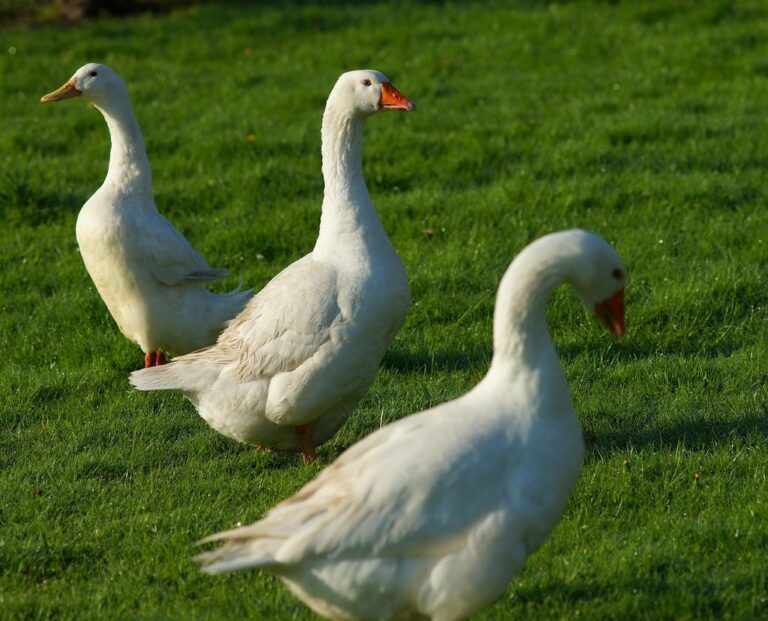
Guard geese have been employed for centuries as a natural deterrent against predators, and understanding their role is crucial to implementing an effective defense system. Let’s dive into how guard geese can protect your property.
Choosing the Right Breed for Your Needs
When it comes to choosing the right breed of guard geese for your needs, there are several factors to consider. Different breeds have unique temperaments and characteristics that can impact their effectiveness as a predator deterrent.
For small farms or homesteads, the Embden breed is often a popular choice due to its alertness and aggression towards predators. These geese are known for their loud honking and are often considered one of the most effective breeds for protecting smaller properties. However, they do require regular attention and socialization to prevent them from becoming too aggressive.
In contrast, the Toulouse breed is better suited for larger estates or properties with multiple acres. They are generally more docile than Embdens but still possess a strong instinct to protect their territory. With their impressive size and strength, Toulouses can be an excellent choice for those looking to guard larger areas.
It’s essential to research and understand the specific needs and characteristics of each breed before making a decision. By choosing the right breed for your situation, you can ensure that your guard geese are effective and thrive in their new home.
Factors Influencing a Goose’s Protective Instincts
A guard goose’s protective instincts are shaped by various factors that can either enhance or diminish their natural defensive behavior. The environment plays a significant role, as geese raised in areas with high predator activity tend to be more vigilant and alert than those living in safe zones. For instance, a goose grown up on a farm surrounded by coyotes will likely develop a stronger instinct to sound the alarm at the slightest sign of danger.
Socialization is another crucial factor that influences a guard goose’s protective nature. Geese that are hand-raised or socialized from an early age with other animals and people tend to be more confident and less aggressive, making them suitable for guarding against smaller predators like raccoons or opossums. On the other hand, geese raised in isolation may develop fear-based aggression towards potential threats.
Genetics also come into play, as some breeds are naturally more alert and protective than others. However, even within breeds prone to guarding, individual temperament can vary greatly depending on their upbringing and environment. When selecting a guard goose, consider factors such as breed, socialization, and environmental exposure to ensure you get a bird with strong natural protective instincts.
Training Your Guard Geese
Training your guard geese to effectively patrol their territory and recognize potential threats is crucial for them to function as effective predators. Start by introducing them to their new environment at a young age, allowing them to establish a strong bond with you and the area they’ll be protecting.
Establish clear boundaries and rules, ensuring they understand what behavior is expected of them. For example, reward your geese with treats when they sound an alarm or approach potential threats. Consistency in training and reinforcement will help solidify their understanding of their role.
It’s also essential to socialize your guard geese to various animals, including predators, to help them recognize and respond to potential threats. This can be done by exposing them to different environments, such as parks or farmland, where they’ll encounter diverse wildlife. By doing so, you’re teaching them to differentiate between harmless animals and actual threats.
Remember to monitor their behavior regularly, adjusting your training methods as needed to ensure their effectiveness as a deterrent against predators.
Benefits of Using Guard Geese for Predator Deterrence
Guard geese offer numerous benefits when it comes to deterring predators, making them a valuable asset for farms and rural properties. Let’s explore some of the key advantages of using guard geese as a predator deterrent.
Physical and Psychological Deterrents
Guard geese serve not only as physical deterrents but also psychological ones. When it comes to protecting your property, their role extends beyond simply attacking predators. These birds can intimidate potential threats through a series of vocal warnings and aggressive displays.
When a potential threat is perceived, guard geese will typically sound the alarm by honking loudly. This warning call serves as an effective deterrent, alerting both the predator and other nearby animals to stay away. Additionally, if the threat persists, guard geese may engage in physical attacks, pecking at the intruder with their beaks.
In practical terms, you can encourage this behavior by providing your geese with a clear view of your property and any potential entry points. Keep in mind that proper training is also essential – ensure your geese are aware of what constitutes a threat and how to respond accordingly.
Cost-Effectiveness Compared to Other Methods
When it comes to choosing an effective predator control method, cost is often a major consideration. Compared to other methods like electronic repellents and fencing, guard geese offer a surprisingly affordable solution. Electronic repellent systems can be expensive to purchase and maintain, with prices ranging from $500 to $2,000 or more per acre.
Fencing, on the other hand, requires significant upfront costs, not to mention ongoing maintenance expenses for repairs and replacement. According to a study by the National Flock Management Guide, fencing costs can range from $1.50 to $3.00 per linear foot, depending on the type of material used.
In contrast, guard geese are relatively low-maintenance and cost-effective in the long run. Initial investment costs for acquiring and housing guard geese may seem high at first, but these expenses are offset by the fact that geese require minimal ongoing care and can patrol large areas without additional labor or equipment needs. With proper training, a flock of 2-3 guard geese can effectively deter predators on an area of up to 5 acres.
Long-Term Commitment Required for Success
Caring for guard geese is not just about feeding them and providing shelter; it requires a long-term commitment to ensure their effectiveness as predator deterrents. To get the most out of your guard geese, you need to invest time and effort into training them from an early age.
Begin by establishing a routine that includes regular interaction with your geese, such as feeding, grooming, and playtime. This will help them bond with you and become accustomed to human presence. It’s also essential to teach your geese basic commands like “stay,” “come,” and “leave it.” Positive reinforcement techniques, like offering treats or affection when they respond correctly, work well for training.
Consistency is key when training guard geese. Establish a regular schedule for feeding, exercise, and socialization to avoid confusing them. With patience and dedication, your guard geese will learn to recognize threats and sound an alarm when necessary, protecting your property from potential predators.
Integrating Guard Geese into Your Farm or Property
Once you’ve decided to use guard geese as a predator deterrent, the next step is integrating them successfully into your farm or property. This section will walk you through the process of acclimating and training your new feathered friends.
Habitat and Enclosure Requirements
When introducing guard geese to your farm or property, it’s essential to provide them with suitable habitat and enclosure requirements. This includes ensuring they have adequate space to roam, shelter from the elements, and a reliable source of food.
Aim to allocate at least 10-20 square feet per bird for outdoor enclosures, allowing them enough room to move around comfortably. Consider partitioning larger areas using fencing or netting to create separate zones for different activities, such as feeding, resting, and exercising.
For shelter, provide a dry, well-ventilated coop with protection from wind, rain, and sun exposure. Include nesting boxes for breeding geese and sufficient perches for roosting.
When it comes to feeding, ensure a balanced diet rich in grains, proteins, and vitamins. Supplement their nutrition with fresh fruits and vegetables during spring and summer months. Remember that guard geese are highly active birds, requiring regular exercise through walking or running to maintain their natural alertness and predator-deterrent effectiveness.
Training and Socialization in a Flock Dynamic
When integrating guard geese into your farm or property as a predator deterrent, training and socializing them within a flock dynamic is crucial for their effectiveness. You see, guard geese work best when they’re part of a cohesive unit, communicating with each other to alert you to potential threats.
To establish this dynamic, start by introducing new birds to the existing flock gradually. Begin with visual introductions, allowing them to become familiar with one another’s presence and behavior without direct interaction. Gradually increase face-to-face interactions under close supervision. This will help prevent aggression and dominance issues within the group.
Once your guard geese are comfortable with each other, it’s essential to reinforce their vigilance through regular exercise and mental stimulation. Provide them with a varied diet, engage them in activities that encourage hunting and foraging, such as releasing feed or hiding treats around their enclosure. By doing so, you’ll ensure they remain alert and responsive to potential threats, working together seamlessly within the flock to protect your property.
Establishing Boundaries with Other Animals
When integrating guard geese into your farm or property, it’s essential to establish clear boundaries between them and other animals living on the premises. This is crucial for maintaining a harmonious and safe environment for all.
Firstly, ensure that your guard geese are introduced to the other livestock and pets gradually. Start by keeping them in separate enclosures and allowing them to become familiar with each other’s presence through visual and auditory cues. Once they seem comfortable, begin supervised interactions under close observation.
For example, if you have a flock of chickens living nearby, consider introducing the geese to their coop at feeding time when both species are focused on eating rather than competing for attention or resources. Be mindful that guard geese may be protective of their space and may hiss or chase other animals that encroach too close.
To maintain these boundaries effectively:
* Designate separate areas for different species, taking into account their specific needs and requirements.
* Supervise interactions between your guard geese and other animals to prevent conflicts.
* Ensure adequate resources such as food, water, and shelter are available for all species.
Safety Considerations for Humans and Animals
When using guard geese as a predator deterrent, it’s crucial to consider the potential risks they pose to both humans and animals in your care. This section will address those concerns.
Potential Risks of Guard Goose Attacks
While guard geese are often effective at deterring predators, there are potential risks associated with their attacks on humans. Unfortunately, these attacks can be severe and even fatal. According to the Humane Society, between 2000 and 2017, there were over 100 reported fatalities due to aggressive bird behavior in the United States alone.
The main reasons for guard goose attacks on humans include territorialism, mating season aggression, and lack of socialization or proper training. For example, a guard goose may view a human as an intruder and become aggressive if it feels its territory is being threatened. This can lead to serious injuries, including head trauma, lacerations, and even eye damage.
It’s essential for individuals considering using guard geese as a predator deterrent to understand the potential risks involved. To minimize these risks, it’s crucial to properly socialize your guard goose, train it to respond to commands, and ensure it has adequate space to roam without feeling territorial or threatened by humans. By taking these precautions, you can enjoy the benefits of using guard geese while minimizing the associated risks.
Recognizing Warning Signs of Agitation or Threatening Behavior
When interacting with your guard geese, it’s essential to recognize the warning signs of agitation or threatening behavior. A calm and alert demeanor is normal for these birds, but there are subtle changes that can indicate escalating emotions. Look out for raised hackles on their necks, spread wings, or stiffened posture, which may be accompanied by loud honking or aggressive flapping.
If you notice any of these signs, it’s crucial to intervene promptly and calmly. Approach the situation slowly, speaking softly to avoid startling your geese further. If they’re in a confined area, consider releasing them into a larger enclosure to allow for some physical release. Remember that guard geese are naturally protective animals, so they may become agitated if they perceive a threat to their territory or loved ones.
Be prepared to defend yourself if necessary, but prioritize caution and respect for these powerful birds. By recognizing the warning signs of agitation and taking proactive steps to de-escalate the situation, you can maintain a safe and harmonious relationship with your guard geese.
Measures for Minimizing the Risk of Attack
When working with guard geese as a predator deterrent, it’s essential to consider safety measures to minimize the risk of attack. While these birds are excellent at protecting property and livestock, they can become aggressive when threatened or fed by humans.
To separate yourself from potential aggression, keep a safe distance from your guard geese at all times. If you need to interact with them, approach calmly and slowly, avoiding direct eye contact or sudden movements that may be perceived as threats. It’s also crucial to establish clear boundaries and rules for interacting with the geese, such as not feeding them human food.
When introducing new animals to a property protected by guard geese, it’s essential to do so gradually and under close supervision. This allows the geese to become accustomed to the new presence without feeling threatened, reducing the likelihood of an attack. By taking these precautions, you can ensure that your guard geese remain effective as a predator deterrent while minimizing the risk of injury to humans or animals.
Case Studies and Success Stories
Real-life examples of guard geese successfully protecting properties and environments from predators will be explored, highlighting their effectiveness as a deterrent. We’ll dive into specific scenarios where these birds made a significant impact.
Real-World Examples of Guard Goose Effectiveness
In various settings such as farms, wildlife reserves, and even airports, guard geese have proven to be effective predators. For instance, a farm in the United Kingdom successfully reduced fox attacks on their livestock by introducing a group of guard geese. The geese effectively chased away the foxes, protecting the farm’s animals from potential harm.
A wildlife reserve in California also used guard geese to protect its waterfowl population from coyote and raccoon predation. By placing the geese strategically around the perimeter of the reserve, they were able to successfully deter predators and keep the birds safe.
In a more unusual example, an airport in New York City employed guard geese to protect its grounds from stray dogs and other wildlife that might wander onto the airfield. The geese were placed along the periphery of the airfield, where they effectively chased away any unwanted visitors, ensuring the safety of both people and aircraft.
These examples demonstrate how effective guard geese can be in deterring predators in different environments.
Interviews with Experienced Guard Goose Owners
We spoke with several experienced guard goose owners to gain insight into their experiences and challenges. One common thread among them was the effectiveness of guard geese as a deterrent against predators. Jane from rural Kansas shared, “Since introducing my guard geese, I haven’t had any issues with coyotes or foxes getting close to my property.” She noted that her geese are particularly effective at alerting her to potential threats, allowing her to take action before a problem arises.
Another owner, Mark in Oregon, emphasized the importance of proper training and integration. “When introducing guard geese to our farm, we had to be mindful of their habitat and ensure they were well-fed,” he said. This attention to detail paid off, as his geese have been successfully defending against predators for several years.
Their experiences highlight the value of careful planning and execution when implementing a guard goose system. By choosing the right breed, providing adequate care and training, and being proactive about monitoring your property, you can reap the benefits of using guard geese to deter predators.
Lessons Learned and Best Practices
From our research and experience working with guard geese, we’ve gathered valuable insights on their effectiveness as a predator deterrent. One key takeaway is the importance of careful selection and training of these birds. Not all breeds are suitable for guarding, so it’s crucial to choose ones that are naturally alert and responsive to threats.
When implementing guard geese, it’s essential to provide adequate space and housing to minimize stress and allow them to patrol their territory effectively. A minimum of 2-3 acres per pair is recommended, with sheltered areas and a reliable water source.
Another critical factor in a guard goose program is regular veterinary care and monitoring for health issues. Regular vaccinations, parasite control, and prompt attention to any illnesses can help prevent the spread of disease and maintain their overall well-being.
Proper handling and socialization are also vital to ensure these birds become confident guardians rather than aggressive or fearful animals. By incorporating these best practices into your guard goose program, you’ll maximize their effectiveness as a natural deterrent against predators.
Additional Considerations for Sustainable Use
When it comes to relying on guard geese as a long-term solution, there are several key factors to consider to ensure their effectiveness and minimize potential issues that may arise. Let’s take a closer look at some of these important considerations.
Environmental Impact and Sustainability
When considering using guard geese as a predator control method, it’s essential to think about their potential environmental impact. One of the primary concerns is habitat disruption. As geese are introduced into an area, they may modify the existing ecosystem by altering vegetation patterns and creating pathways that can be detrimental to native wildlife. For instance, if you’re using guard geese in a agricultural setting, they may inadvertently trample crops or damage irrigation systems.
In addition to habitat disruption, another significant concern is resource consumption. Geese require food, water, and shelter to survive, which can put pressure on the local ecosystem. They also produce waste, which can pollute nearby water sources if not properly managed. To mitigate these effects, it’s crucial to implement responsible geese management practices, such as providing adequate fencing to prevent escape or injury to other animals. You should also ensure that their nutritional needs are met without over-reliance on a single resource, like corn or soybeans.
Another approach is to consider the potential for long-term adaptation of the geese population to the local environment. This may involve introducing non-native species that can adapt quickly and effectively deter predators, such as Canada geese in North America.
Alternatives to Guard Geese in Specific Contexts
When it comes to protecting sensitive ecosystems or managing urban spaces, guard geese may not be the most effective or practical solution. In these specific contexts, alternative methods can provide a more tailored approach to predator control.
For instance, in urban areas with high population density and limited space, traditional fencing systems are often more feasible than relying on guard geese. These fences can be designed with specific materials and features to deter targeted predators, such as coyotes or raccoons. For example, using electric fencing around a community garden or park can be an effective deterrent without the risks associated with introducing live animals.
In sensitive ecosystems like national parks or wildlife reserves, disturbing the natural balance is often undesirable. In these cases, non-lethal deterrents like motion-activated sprinklers or ultrasonic repellent devices can be more suitable alternatives to guard geese. These systems are designed to scare away predators without causing them harm and minimizing disruption to native species.
In agricultural settings, electric fencing combined with other non-lethal deterrents can provide an effective solution for protecting livestock from predators like coyotes or wolves. For example, using fladry fencing – a type of fencing made from flapping ribbons or strips attached to the fence line – has been shown to be particularly effective in deterring these predators.
Ultimately, the choice between guard geese and alternative methods depends on specific contextual factors such as available space, budget constraints, and local regulations. By considering these factors and exploring different solutions, landowners and managers can develop a more tailored approach to predator control that meets their unique needs while minimizing risks associated with introducing live animals.
Frequently Asked Questions
Can I integrate guard geese with other animals on my farm or property?
You can, but it’s crucial to establish boundaries between different species to prevent conflicts. Start by introducing the geese to existing animals gradually and under close supervision. Monitor their behavior and adjust your approach as needed. Make sure to provide a safe enclosure for the geese while they get accustomed to other animals.
How do I recognize warning signs of agitation or threatening behavior in guard geese?
Keep an eye out for raised hackles, loud hissing, or aggressive posturing. If you notice any of these signs, intervene promptly by increasing distance or distracting the goose with food. It’s also essential to identify individual personalities within a flock and adjust your management approach accordingly.
What are some potential risks of guard goose attacks on humans?
While rare, attacks can occur if geese feel threatened or territorial. Keep children away from feeding areas and avoid sudden movements that might provoke an attack. Wear protective clothing when interacting with the geese, and ensure proper training and socialization for your birds.
Can I use guard geese in urban settings or small backyards?
Yes, but consider the space required for a safe enclosure and the noise level associated with geese. In smaller areas, focus on using individual breeds known for their alertness and aggression towards predators, such as Embden geese. Ensure proper training and handling to minimize disturbance.
How do I maintain the health and well-being of my guard geese throughout the year?
Regular veterinary check-ups are crucial, especially in colder climates where respiratory issues can arise. Provide a balanced diet, clean water, and adequate shelter from harsh weather conditions. Also, ensure they receive necessary vaccinations and parasite control measures to prevent disease spread within the flock.