
As a farm owner or animal enthusiast, you understand the importance of protecting your precious flock from predators. One effective solution to consider is guardian geese – these amazing birds can be a game-changer for safeguarding your livestock. With their incredibly keen sense of smell and aggressive behavior when threatened, geese are naturally inclined to defend their territory against harm. But how do you choose the right breed and train them effectively? In this article, we’ll delve into the world of guardian geese, exploring the benefits of using these birds for flock protection. We’ll cover topics like selecting the perfect breed, training techniques, and more – giving you the expert advice you need to keep your farm safe and secure.
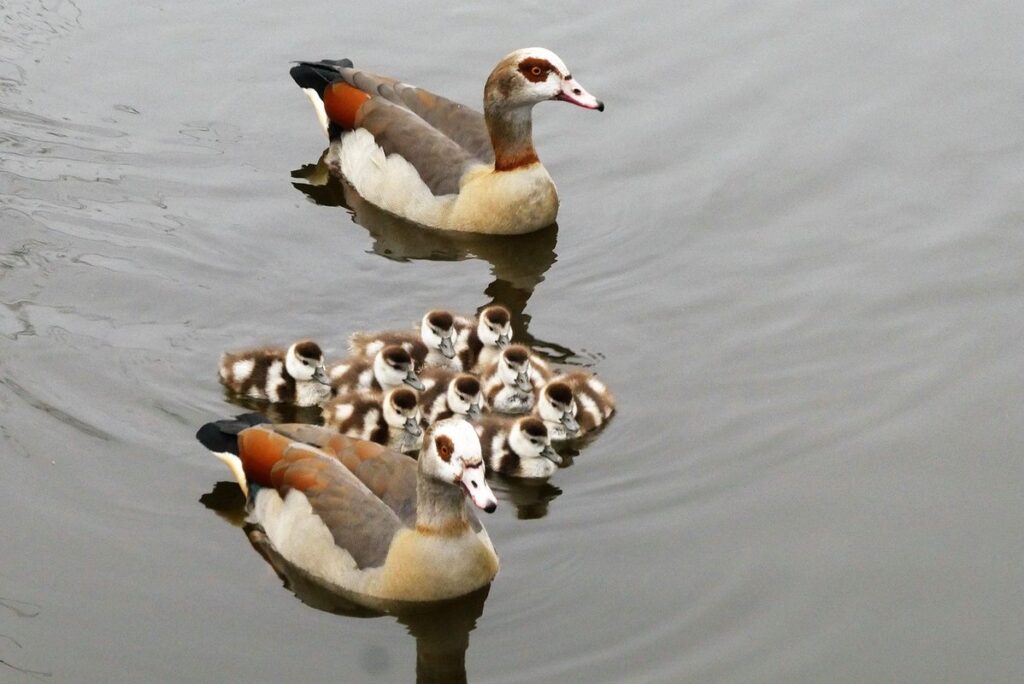
The Importance of Guardian Geese in Flock Protection
Guardian geese are vigilant protectors, playing a crucial role in safeguarding your flock from predators, and their importance cannot be overstated. Let’s explore why they’re essential to any flock’s security.
History and Cultural Significance of Using Geese for Guard Duty
For centuries, geese have been employed as guard animals to protect flocks from predators. In ancient Rome and Greece, geese were highly valued for their alertness and loud honking ability, which would sound the alarm when danger approached. These birds were often kept near temples and palaces to safeguard against intruders.
In modern times, geese have been used in various industries, including agriculture and security. Farmers have long recognized the effectiveness of geese as natural guardians for their livestock. For instance, a study conducted by the University of California found that farms with goose guard animals experienced significantly lower predation rates compared to those without. This is because geese are naturally aggressive towards predators, such as coyotes and foxes.
Their cultural significance extends beyond practical applications. In many cultures, geese are revered for their loyalty and protective nature. For example, in some Asian traditions, geese are considered symbols of fidelity and faithfulness. By employing geese for guard duty, you’re not only protecting your flock but also tapping into a rich history of using these magnificent birds as natural guardians.
Why Geese Make Effective Guardians
Geese possess several characteristics that make them natural guardians of their flock. Their keen sense of smell allows them to detect potential threats from a distance. For instance, they can sniff out coyotes, foxes, and stray dogs lurking around the perimeter of their territory. This early warning system enables geese to alert other members of the flock, allowing them to take necessary precautions.
When threatened, geese are loud and vocal, honking at an ear-piercing decibel to scare off predators. Their aggressive behavior is another key factor in protecting their flock. If a predator attempts to approach, geese will aggressively defend their territory by charging at it with flapping wings and sharp beaks. This fierce display often sends potential threats fleeing for cover.
It’s essential to remember that not all geese are naturally protective of their surroundings. Some breeds, such as Embdens and Toulouse Geese, have a stronger instinctual drive to guard than others. If you’re considering introducing guardian geese to your flock, choose breeds known for their aggression and loyalty.
Choosing the Right Breed for Flock Protection
When choosing a guardian goose breed, consider factors such as size, temperament, and alertness to ensure you get geese that will effectively protect your flock from predators. This section guides you in selecting the perfect breed for your needs.
Factors to Consider When Selecting a Guardian Goose Breed
When selecting a guardian goose breed for flock protection, several key factors come into play. Size is an essential consideration, as larger geese tend to be more intimidating to predators and can effectively deter attacks. Look for breeds like the Embden or Toulouse, which are known for their impressive stature.
However, size isn’t the only determining factor. Temperament also plays a critical role in a breed’s effectiveness as a guardian. You’ll want geese that are naturally alert and responsive to potential threats, yet not overly aggressive towards humans. The White Chinese breed is often cited for its excellent temperament and strong guarding instincts.
Guarding instincts are also crucial when choosing the right breed. Some breeds, like the African, have an innate instinct to protect their flock from predators. When selecting a guardian goose breed, consider these factors and choose a breed that balances size, temperament, and guarding instincts. This will help ensure your flock remains safe and secure.
Remember, individual personalities can vary within breeds, so it’s essential to get to know the geese you’re considering before making a final decision. Observe their behavior, and interact with them to gauge their temperament and responsiveness to threats.
Popular Breeds Known for Their Guarding Ability
When it comes to choosing guardian geese for flock protection, some breeds stand out from the rest due to their exceptional guarding ability. Two popular breeds that are commonly used as guardians are the Toulouse and Embden geese.
Toulouse geese are known for their friendly and docile nature, which can make them an excellent choice for small farms or homesteads with children or pets. However, they can also be quite loud and assertive when it comes to protecting their flock, making them a great deterrent against predators. On the other hand, Embden geese are often described as more aggressive and vigilant, always on the lookout for potential threats.
Both breeds have their strengths and weaknesses, but with proper training and socialization, either breed can make an excellent guardian. When selecting a breed, it’s essential to consider your specific needs and farm layout. If you’re looking for a breed that’s more laid-back but still effective at guarding, the Toulouse may be the better choice.
Training Your Guardian Geese for Optimal Performance
When it comes to reaping the benefits of your guardian geese, proper training is key to unlocking their full potential as protective sentinels for your flock. Let’s dive into how to train them effectively.
Introduction to Basic Training Techniques
When it comes to preparing your guardian geese for their role, basic training techniques are essential. Socialization is a crucial part of this process, and it starts from an early age. Introduce your goslings to various environments, people, and animals to help them become confident and calm in the presence of potential threats.
Obedience training is also vital to ensure your guardian geese respond promptly to commands. Teach basic commands like “come,” “stay,” and “leave it” using positive reinforcement techniques such as treats and praise. This will not only enhance their responsiveness but also strengthen your bond with them.
As your goslings mature, it’s time for predator exposure training. Start by introducing them to decoy predators or stuffed animals, gradually increasing the intensity of the stimulus. Reward them for remaining calm or displaying defensive behavior. Be patient and consistent, as this process may take several weeks or even months to complete. By following these basic training techniques, you’ll be well on your way to raising effective guardian geese that will protect your flock from predators with confidence.
Advanced Techniques for Enhancing Guarding Ability
When it comes to enhancing the guarding ability of your geese, there are several advanced techniques you can employ. One effective method is positive reinforcement training. By associating desirable behaviors with rewards, you can encourage your geese to take on a more proactive role in defending their flock.
To implement this technique, start by identifying the specific behaviors you want to reinforce, such as alerting or chasing away predators. Reward your geese with treats or praise whenever they exhibit these behaviors. Consistency is key; make sure all family members are using the same commands and rewards to avoid confusing your birds.
Another advanced technique is target training. By teaching your geese to focus on a specific object, such as a ball or a toy, you can improve their alertness and reaction time. This can be especially useful in situations where a predator is approaching from a distance. With patience and practice, you’ll be able to train your geese to become even more vigilant and effective guardians for your flock.
Integrating Guardian Geese into Your Flock Management Strategy
Now that you’ve chosen guardian geese for your flock’s protection, let’s explore how to integrate them seamlessly into your existing management strategy.
Assessing Your Farm’s Specific Needs and Risks
When deciding to integrate guardian geese into your flock management strategy, it’s crucial to assess your farm’s specific needs and risks. This involves evaluating the types of predators that pose a threat to your birds, as well as your available resources for managing these threats.
Start by identifying the most common predators in your area, such as coyotes, foxes, or hawks. Consider factors like terrain, climate, and nearby wildlife habitats when determining which predators are most likely to target your flock. Next, evaluate your farm’s infrastructure and personnel capabilities to determine whether they can provide adequate support for guardian geese.
For example, if you have a small farm with limited staff, you may need to choose guardian goose breeds that require minimal care and supervision. On the other hand, larger farms or those with experienced staff may be able to accommodate more demanding breeds. By carefully assessing your farm’s specific needs and risks, you can make informed decisions about which guardian geese will best protect your flock.
Consider factors like available land, water sources, and shelter when choosing a location for your guardian geese. Also, think about the number of birds you need to protect, as well as any existing fencing or predator-deterrent systems that may be in place. By carefully evaluating these elements, you can ensure that your guardian geese are strategically placed to defend against predators and safeguard your flock.
Strategies for Implementing a Successful Guardian Goose Program
Implementing a successful guardian goose program requires careful planning and execution. One of the most critical steps is creating a schedule for their deployment. This means designating specific areas where the geese will patrol and monitoring them regularly to ensure they’re effectively protecting the flock.
Consider dividing your farm into zones and assigning specific guardian geese to each zone based on their temperament, size, and individual strengths. For example, a larger goose may be more effective at deterring predators from a large pasture area, while a smaller, more agile goose may excel in a smaller garden area.
Regular monitoring is also crucial. Observe your geese’s behavior and adjust their deployment schedule as needed. Take note of any patterns or trends, such as areas where predation is highest or times when the geese seem less vigilant. This will help you refine your guardian goose program and maximize its effectiveness in protecting your flock from predators.
Caring for Your Guardian Geese: Nutrition, Health, and Welfare
To keep your guardian geese healthy and alert, it’s essential to provide them with a balanced diet and regular veterinary check-ups. Proper care will ensure they remain effective predators.
Nutritional Requirements of Guardian Geese
When it comes to feeding your guardian geese, their nutritional requirements are crucial to ensure they remain healthy and alert to protect your flock. A balanced diet is essential for geese, just like with any animal, but specific nutrients are vital for their optimal performance.
A good quality layer feed or a mix specifically formulated for waterfowl should be the mainstay of your geese’s diet. These feeds provide the necessary protein, energy, and other micronutrients to maintain their health and vigor. However, it’s also essential to supplement with fresh fruits and vegetables daily, rich in vitamins A and E, calcium, and other essential minerals.
Don’t forget to provide clean water at all times! Access to a reliable source of clean drinking water is just as important as feeding your geese properly. Geese are particularly susceptible to deficiencies caused by impure or contaminated water, which can lead to issues such as kidney stones and even death.
Poor nutrition can lead to various health problems in guardian geese, including impaired immune function, reduced vigilance, and lower egg production. By providing the right mix of nutrients through a balanced diet, you’ll be ensuring your guardian geese remain at their best – ready to protect your flock from predators.
Health Considerations for Guardian Geese in Flock Protection Roles
When it comes to using guardian geese in flock protection roles, it’s essential to consider their health and well-being. As with any animal, introducing new responsibilities can lead to stress-related illnesses and injuries. One common issue is the development of bumblefoot, a painful condition caused by excessive walking on hard surfaces. This can be particularly problematic for guardian geese who spend long hours patrolling the perimeter of your property.
Other potential health concerns include respiratory problems due to poor air quality or heat stress during warm weather. It’s crucial to provide adequate shelter and ventilation for your guardian geese, as well as access to fresh water at all times. Regular veterinary check-ups can help identify any underlying issues early on, allowing you to take preventative measures.
To mitigate these risks, consider providing a safe and comfortable environment for your guardian geese. Ensure their living quarters are clean, dry, and free from drafts. Also, make sure they have access to a variety of nutritious foods, including fresh fruits and vegetables, to maintain their overall health and resilience.
Troubleshooting Common Issues with Guardian Geese
When you encounter issues with your guardian geese, it’s essential to address them promptly to maintain their effectiveness and overall well-being. This section covers common problems and practical solutions to keep your flock protected.
Identifying and Addressing Potential Issues Early On
When it comes to maintaining a healthy and harmonious flock protected by guardian geese, identifying potential issues early on is crucial. Feather pecking and aggression are two common problems that can arise if left unaddressed. Feather pecking occurs when one bird becomes obsessive about plucking the feathers of another, often due to boredom or stress. Aggression, on the other hand, can be triggered by overcrowding, inadequate nutrition, or improper introduction to new flock members.
To address these issues, start by monitoring your geese’s behavior and body language. If you notice any signs of feather pecking, such as missing feathers or anxiety in a particular bird, separate the birds immediately and introduce enrichment activities like scratching posts or foraging toys. Provide a balanced diet and ensure adequate space per bird to prevent overcrowding.
Regularly inspect your flock’s living conditions and take corrective action if you notice any signs of aggression. This may include rearranging the enclosure layout, increasing foraging opportunities, or introducing stress-reducing elements like music or visual barriers. By catching potential problems early on, you can prevent them from escalating into full-blown issues that compromise the safety and well-being of your flock.
Strategies for Maintaining a Healthy and Harmonious Flock Dynamic
When you bring guardian geese into your flock, it’s not just about their ability to protect against predators – it’s also about creating a harmonious and healthy dynamic within the group. This is especially important when introducing new birds, as they can sometimes cause stress or even aggression among existing members.
One effective strategy for maintaining harmony is to introduce new geese gradually and under close supervision. Start by keeping them separated from the main flock and allowing them to become familiar with each other’s sounds and presence before bringing them together. This can take anywhere from a few days to a week, depending on their individual temperaments.
Another key factor in preventing conflicts is providing enough space for each bird to roam and establish its own territory. A general rule of thumb is to allocate at least 10 square feet per geese outside, as well as adequate shelter and perches within the coop. By prioritizing space and gradual introductions, you can help minimize stress and create a stable environment where your flock – including the guardian geese – can thrive.
Conclusion: Harnessing the Power of Guardian Geese for Flock Protection
Now that you’ve learned how to effectively introduce guardian geese into your flock, let’s wrap up by exploring some final tips on maximizing their protective potential.
Recap of Key Takeaways
In conclusion to our discussion on guardian geese for flock protection, let’s recap some key takeaways that will help you successfully integrate these vigilant birds into your farm. Choosing the right breed is crucial; we discussed how breeds like Embden and Toulouse are popular choices due to their natural protective instincts.
Proper training is also essential in harnessing the full potential of guardian geese. Consistent socialization from an early age, combined with positive reinforcement techniques, will help them bond with your flock and defend against predators effectively.
To ensure a smooth integration, consider introducing one or two geese to your existing flock at first, allowing them to acclimate before adding more. This phased approach helps prevent any potential conflicts between the goose and other birds.
Incorporating guardian geese into your flock management strategy requires patience and dedication, but with the right training and care, they can become invaluable assets in protecting your flock from predators. By following these guidelines, you’ll be well on your way to safeguarding your animals and enjoying a more peaceful farm environment.
Future Directions in Guardian Goose Research and Development
As we conclude our exploration of guardian geese as flock protectors, it’s exciting to consider the future directions this research and development will take. One potential area of advancement is in breeding techniques that prioritize specific traits beneficial for guarding, such as aggressive instinct or high vigilance.
Advances in genetics may allow breeders to select for these characteristics more efficiently, leading to a new generation of guardian geese that are even more effective at safeguarding their flocks. Training techniques will also continue to evolve, incorporating positive reinforcement methods to enhance the protective behaviors exhibited by guardian geese.
For example, researchers have begun exploring the use of operant conditioning to teach guardian geese specific warning calls for different predators. This knowledge can be applied in real-world settings to increase the effectiveness of these birds as early warning systems. By combining advances in breeding and training, we may see even more effective guardian geese that provide unparalleled protection for flocks worldwide.
Frequently Asked Questions
Can I use a single guardian goose to protect my entire flock, or do I need multiple birds?
Yes, it’s possible to use a single guardian goose effectively, but having at least two geese is recommended for optimal protection. With two birds, you’ll have a built-in alarm system and increased defense capabilities when threatened by predators. However, this ultimately depends on your farm’s specific needs and the size of your flock.
How do I introduce new guardian geese to my existing flock without causing conflicts?
When introducing new guardian geese to your flock, start by keeping them in separate enclosures until they’re familiar with each other’s presence and sounds. Gradually increase their interaction time under close supervision, rewarding calm behavior. This controlled introduction process will help prevent conflicts and ensure a smooth transition for both the new birds and your existing flock.
What should I do if my guardian geese are not responding to training or seem uninterested in protecting the flock?
If your guardian geese aren’t responding to training, it may be due to inadequate socialization, poor diet, or insufficient attention from you. Make sure they receive regular exercise, a balanced diet, and sufficient interaction with their environment and handler. You can also consider consulting a professional animal behaviorist for personalized guidance on improving their performance.
How do I balance the needs of my guardian geese with those of the rest of my flock?
To maintain harmony within your flock, ensure that all birds have access to clean water, nutritious food, and adequate shelter. Monitor their health closely, and implement strategies to prevent stressors like overcrowding or predator threats. By prioritizing the well-being of both your guardian geese and the rest of your flock, you can create a balanced and secure environment for everyone.
Can I use guardian geese in small-scale backyard farming operations, or are they best suited for larger commercial farms?
While guardian geese can be beneficial for any size farm, their effectiveness may vary depending on the specific needs and risks of your operation. For smaller-scale backyard farming, consider starting with a single bird and assessing its performance before expanding to multiple guardian geese. With proper selection and training, even small farms can benefit from these vigilant protectors.