
If you’re fascinated by birds, you won’t want to miss learning about the incredible journey of Harlequin ducklings. From the moment they hatch from their eggs, these tiny birds are already facing significant challenges in their early life cycle. As a species of special concern, Harlequin ducklings are vulnerable to habitat loss and human disturbance, making conservation efforts crucial for their survival.
In this article, we’ll take you on a journey through the mating season, incubation period, and eventual fledging of these remarkable birds. We’ll also delve into the threats they face in the wild and discuss the vital work being done by conservationists to protect Harlequin duck populations. By understanding more about these incredible creatures and their life cycle, we can better appreciate the importance of preserving our natural world for future generations.
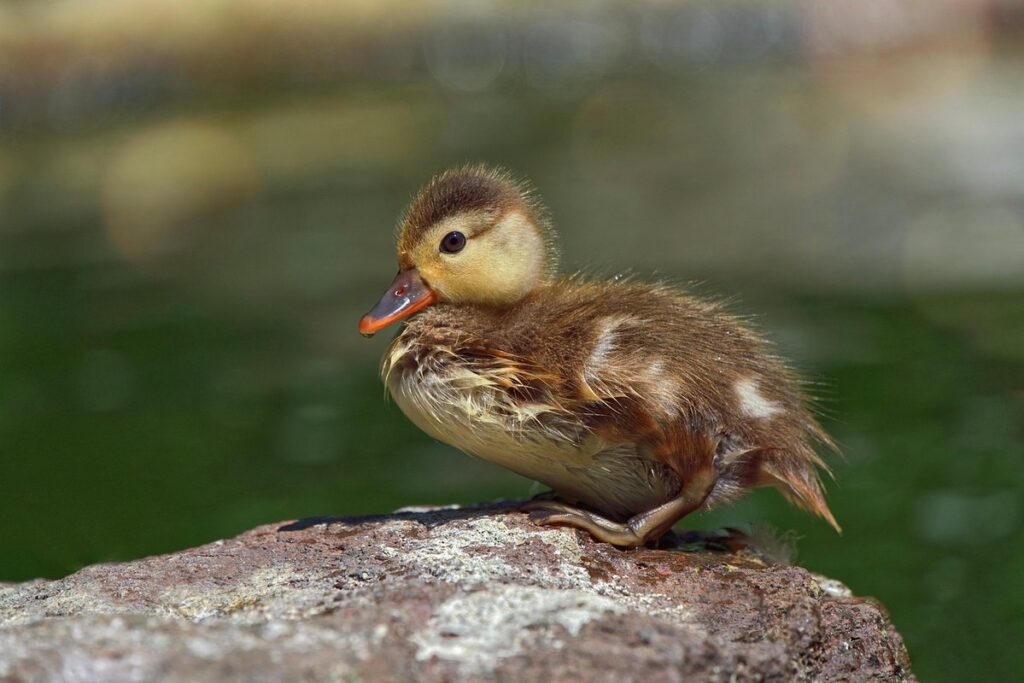
Introduction to Harlequin Ducklings
Let’s dive into the fascinating world of harlequin ducklings, where we’ll explore their tiny size and incredible adaptability from birth. You’ll be amazed at how these miniature wonders thrive in harsh environments!
What are Harlequin Ducklings?
Harlequin ducklings are the adorable offspring of adult harlequin ducks, and they’re quite remarkable from a young age. Born after a gestation period of around 30-40 days, these tiny creatures are already equipped with some remarkable survival skills.
One of the most striking features of harlequin ducklings is their unique color pattern, which resembles that of their parents but in miniature form. They have a distinctive black throat patch, white underbelly, and gray-brown feathers on their back. These markings help them blend in with their surroundings, making it easier for them to hide from predators.
Harlequin ducklings are also incredibly agile and can swim within hours of hatching. In fact, they’re able to dive and forage for food in the water by the time they’re just a few days old. This impressive skillset allows them to thrive in their aquatic environment and sets them up for success as they grow and mature.
It’s worth noting that harlequin ducklings typically leave the nest after about 24 hours, with both parents taking turns to guide and protect them as they explore their surroundings. This early independence is just one of the many fascinating aspects of these remarkable creatures’ life cycle.
Importance of Harlequin Ducklings in the Ecosystem
Harlequin ducklings play a vital role in maintaining the balance of their ecosystems. As an essential component of their aquatic environments, they contribute significantly to the health and resilience of these ecosystems.
One of the primary ways Harlequin ducklings impact their ecosystems is through their feeding behavior. As herbivores, they feed on aquatic plants, algae, and insects, which helps maintain the delicate balance between plant growth and nutrient availability. This, in turn, supports a diverse range of other species that depend on these resources.
Their unique characteristics also make them important indicators of ecosystem health. Harlequin ducklings are sensitive to changes in their environment, making them valuable indicators of water quality and habitat degradation. By monitoring the presence and behavior of Harlequin ducklings, conservationists can gain insights into the overall health of the ecosystem.
In addition, Harlequin ducklings participate in nutrient cycling processes by consuming algae and other plant material that would otherwise deplete oxygen levels in the water. This process helps maintain a stable food web, supporting the long-term sustainability of the ecosystem.
Breeding Habits of Harlequin Ducks
Harlequin duck pairs are monogamous, and females typically lay 3-4 eggs per clutch, which is quite small compared to other waterfowl species. Let’s take a closer look at their unique breeding habits!
Mating Season and Pair Bonding
As the snow melts and the days grow longer, Harlequin ducks prepare for their breeding season. This usually occurs between April and June, with males beginning to establish territories by engaging in loud, high-pitched calls that echo across the landscape. They will also engage in elaborate courtship displays, such as bowing, head-flagging, and presenting rocks or other offerings to females.
Courtship is a crucial aspect of Harlequin duck mating, as it allows males to showcase their strength, health, and quality of breeding territory. Females, on the other hand, will evaluate potential mates based on these displays and choose the most suitable partner. Once paired, Harlequin ducks form strong pair bonds that can last for several years.
In fact, studies have shown that many Harlequin duck pairs remain together for up to 5-7 years, with some even forming long-term monogamous relationships. This commitment is likely due in part to the challenging breeding conditions faced by Harlequin ducks, which require significant investment of time and energy from both parents.
By witnessing this remarkable display of courtship and pair bonding, we can gain a deeper appreciation for the intricate social dynamics at play within Harlequin duck colonies.
Nesting Sites and Egg-Laying
Harlequin ducks are meticulous about selecting their nesting sites, which often involve secluded areas near water. They typically choose spots with dense vegetation, such as willows, alders, and spruces, to conceal the nest from predators. The female duck lines her chosen site with grasses, moss, and other soft materials, carefully shaping them into a shallow cup. This process can take several days, during which time she may abandon the site if disturbed.
The nesting site is usually located in a relatively flat area near the water’s edge, often in a small indentation or depression. Harlequin ducks are known to reuse nests from previous breeding seasons if they remain undisturbed. Female harlequins can lay up to 9 eggs per clutch, with an average of 7-8 eggs being hatched. The eggs themselves are pale blue-green and measure around 2.5 inches in length.
It’s worth noting that human disturbance near nesting sites can be detrimental to the breeding success of Harlequin ducks. If you’re lucky enough to spot one of these remarkable birds, it’s essential to maintain a safe distance and avoid disrupting their natural behavior.
Parental Care of Ducklings
When it comes to raising their ducklings, both male and female Harlequin ducks play an essential role. In fact, these adorable birds are known for their unique cooperative breeding behavior.
Male Harlequin ducks take on a significant portion of the parental care responsibilities, often incubating eggs in a nest while the female is out foraging for food or protecting them from predators. This remarkable display of male parental care is relatively rare among duck species and highlights the complexity and adaptability of Harlequin duck breeding habits.
Female Harlequin ducks also contribute significantly to the care of their young, providing crucial nutrition and protection during the early stages of development. They will often lead their brood to suitable foraging areas and teach them essential survival skills.
If you’re interested in observing this remarkable parental care in action, consider visiting a protected area or sanctuary that offers breeding programs for Harlequin ducks. With patience and dedication, you may even catch a glimpse of these devoted parents tending to their adorable ducklings.
Life Cycle Stages of Harlequin Ducklings
From eggs to independence, let’s dive into the fascinating stages of growth that harlequin ducklings go through. Here’s a peek at their remarkable life cycle progression.
Hatching to Fledging
As harlequin ducklings emerge from their eggs, they enter a critical period of growth and development known as hatching to fledging. This stage typically lasts around 7-10 weeks, during which the ducklings will face numerous challenges that will test their strength, resilience, and adaptability.
At first, the ducklings are blind and helpless, relying on their mother’s care for warmth, protection, and nutrition. Within a few days of hatching, they start to grow feathers, and their eyes begin to open, gradually adjusting to the world outside the eggshell. As they develop, the ducklings become increasingly mobile, venturing further away from the nest with each passing day.
One of the most critical milestones during this stage is learning to swim. Harlequin ducklings need to master swimming skills quickly, as their habitat often involves navigating fast-moving streams and rivers. To encourage your ducklings’ aquatic abilities, make sure they have access to a safe and shallow water source where they can practice paddling and diving. Provide plenty of opportunities for them to exercise and play in the water, and be patient with their learning process – it’s not uncommon for young harlequin ducklings to take a few attempts before becoming confident swimmers.
Growth Rates and Developmental Milestones
During their first few weeks of life, Harlequin ducklings undergo an astonishing transformation. By the time they’re just 14 days old, they’ve already doubled in size and are starting to resemble small adults. But what’s truly remarkable is how quickly they develop physically and behaviorally.
Within the first week, new-born Harlequin ducklings weigh around 2-3 ounces (50-80 grams) and measure about 5 inches (13 cm) long. However, by day 14, their weight has more than tripled to a whopping 10-12 ounces (280-340 grams), while their length increases to approximately 7 inches (18 cm). This rapid growth rate is essential for their survival, as it allows them to adapt quickly to their environment and evade predators.
As they grow, Harlequin ducklings also develop important survival skills. They begin to forage for food on their own, practicing essential behaviors like diving and swimming. By around day 28, most ducklings are fully independent, with some even attempting to breed at a remarkably young age. This accelerated development cycle is a testament to the remarkable adaptability of Harlequin ducklings and sets them up for success in the wild.
Threats Facing Harlequin Ducklings
Harlequin ducklings face numerous threats as they grow and develop, from predators lurking in their habitats to human activities that disrupt their ecosystems. Let’s take a closer look at some of these dangers.
Habitat Destruction and Fragmentation
As we explore the life cycle of harlequin ducklings, it’s essential to consider the significant threats they face due to human activities. Habitat destruction and fragmentation are two critical concerns that impact these tiny birds’ survival.
Human actions such as deforestation, urbanization, and infrastructure development lead to habitat loss, forcing Harlequin ducks to adapt to smaller areas or move to alternative habitats. This can be particularly challenging for females, who rely on stable water sources for breeding. The remaining patches of undisturbed land often become isolated, resulting in reduced genetic diversity and making the population more vulnerable to extinction.
The effects of habitat fragmentation are multifaceted: loss of food resources, increased competition with other species, and diminished shelter options. This can be observed in areas where dams have altered water flow patterns or where mining activities have contaminated water sources. Understanding these consequences is crucial for developing targeted conservation strategies that address the root causes of habitat destruction and fragmentation.
Climate Change and Sea-Level Rise
As we delve into the life cycle of harlequin ducklings, it’s essential to consider the impact of climate change on their survival. Rising sea levels and altered ecosystems pose significant threats to these tiny birds. The availability of food and breeding sites is crucial for harlequin duckling development, and climate change is disrupting this delicate balance.
Warmer temperatures are causing glaciers and snowfields to melt at an alarming rate, reducing the number of suitable habitats for harlequin ducks. This loss of habitat is particularly concerning in areas like the Rocky Mountains, where these birds rely on steep mountain slopes and glacial-fed streams for food and shelter. Furthermore, changing precipitation patterns are altering the timing of plant growth and insect emergence, making it challenging for harlequin ducklings to find adequate nutrition.
To mitigate these effects, conservation efforts should focus on preserving and restoring natural habitats, such as wetlands and riparian zones. These ecosystems provide essential breeding and feeding grounds for harlequin ducks, and protecting them can help ensure the long-term survival of this species. By taking action to address climate change, we can give harlequin ducklings a fighting chance at thriving in their rapidly changing environment.
Predation and Other Threats
Harlequin ducklings face numerous threats beyond the immediate dangers of predation and harsh environmental conditions. One significant threat is human disturbance, particularly near breeding grounds and habitats. Humans can inadvertently disrupt the natural behavior of adult Harlequins, causing them to abandon their nests or young. This disturbance can be caused by increased boat traffic, noise pollution from construction or recreational activities, or even simply being too close to their habitat.
Other predators that threaten Harlequin ducklings include mammals such as coyotes and mountain lions, birds of prey like hawks and owls, and even domesticated pets that may wander into their territory. To minimize the impact of human disturbance on Harlequin duck populations, it’s essential for us to be aware of our surroundings when in areas known to be used by these ducks.
When enjoying outdoor activities near potential Harlequin habitats, keep a safe distance from any nesting sites or feeding grounds, and refrain from making loud noises. Additionally, consider supporting conservation efforts that work to protect and restore natural habitats for these amazing birds.
Conservation Efforts for Harlequin Ducklings
As harlequin ducklings grow and thrive, it’s essential to protect their habitats and populations through conservation efforts that prioritize their survival. Let’s dive into some exciting initiatives making a real difference for these tiny waterfowl.
Habitat Restoration and Protection
Restoring and protecting the natural habitats of Harlequin ducks is crucial for their survival. These birds rely on specific river environments with fast-moving water and surrounding vegetation to breed and raise their young. Efforts are underway to restore degraded habitats, including removing invasive species that compete with native plants.
One notable example is the restoration project in Washington’s Olympic National Park, where park rangers and volunteers worked together to remove over 100 tons of debris from riverbeds. This not only improved water quality but also created more suitable nesting sites for Harlequin ducks. Another approach is protecting existing habitats by implementing sustainable forestry practices that minimize the impact of logging on rivers.
You can contribute to habitat restoration efforts by supporting organizations dedicated to this cause or volunteering in local clean-up initiatives. When hiking near rivers, follow guidelines for responsible trail use and avoid disturbing natural habitats. Every action counts in preserving these unique environments essential to Harlequin ducklings’ survival.
Research and Monitoring Programs
Research and monitoring programs play a vital role in understanding the needs of Harlequin ducklings. These programs allow scientists to gather crucial data on various aspects of the ducklings’ lives, from their habitats and feeding patterns to their population dynamics and migration routes.
For instance, researchers have used camera traps and drones to monitor Harlequin duckling behavior in remote areas, providing valuable insights into their daily routines and social interactions. By analyzing this data, scientists can identify potential threats to the ducklings’ survival, such as habitat degradation or predation by other animals.
One notable example of a research program that has significantly contributed to our understanding of Harlequin ducklings is the “Harlequin Duck Project” conducted by the Cornell Lab of Ornithology. This project used GPS tracking and satellite imaging to monitor the migration patterns of Harlequin ducks, revealing new information on their breeding grounds and wintering habitats.
By participating in research programs or supporting conservation organizations that conduct such studies, you can contribute to a better understanding of Harlequin ducklings’ needs and help inform effective conservation strategies.
Community Engagement and Education
As a community comes together to support the conservation efforts for harlequin ducklings, it’s essential to engage and educate each other on the importance of protecting these tiny creatures. One way to get involved is by participating in citizen science projects, where volunteers can help monitor the ducks’ habitats and populations.
For example, organizations like the Harlequin Duck Working Group offer training programs for community members to learn how to identify harlequin ducklings and report any sightings to scientists. This information helps researchers better understand the ducks’ behavior and habitat needs.
You can also volunteer your time at local wildlife refuges or conservation centers that provide care for injured or orphaned harlequin ducklings. Many organizations, such as the Wildfowl Trust, offer educational programs and workshops on duckling biology and conservation.
To make a meaningful impact, you can start by spreading awareness about the challenges facing harlequin ducklings through social media campaigns or community events. Share what you’ve learned with friends and family, and encourage others to get involved in these vital efforts.
Conclusion: Protecting the Future of Harlequin Ducklings
As we’ve explored the incredible life cycle of harlequin ducklings, it’s essential to consider their future. These tiny birds face numerous challenges in the wild, from harsh weather conditions to habitat destruction. As a result, conservation efforts are crucial to ensure their survival.
To make a positive impact, you can start by supporting organizations dedicated to protecting harlequin habitats and combating pollution. For instance, the Audubon Society offers volunteer opportunities for citizens to participate in wetland restoration projects.
Additionally, spreading awareness about these remarkable birds is equally important. Share your knowledge with friends and family, and consider participating in citizen science initiatives that help monitor harlequin populations. By working together, we can safeguard the future of this extraordinary species.
Frequently Asked Questions
What are some signs that Harlequin ducklings are struggling to survive in the wild?
Harlequin ducklings often struggle with survival due to habitat loss, human disturbance, and predation. Look for signs like abandoned nests, missing eggs or ducklings, or adults acting stressed or aggressive around their nesting sites. If you suspect Harlequin ducklings are facing challenges, report your observations to local conservation organizations.
How can I help support Harlequin duck conservation efforts in my community?
You can start by spreading awareness about the importance of preserving natural habitats and reducing human impact on these environments. Partner with local birding groups or conservation organizations to participate in habitat restoration projects, citizen science initiatives, or educational programs that promote Harlequin duck conservation.
What are some ways to create a safe environment for Harlequin ducklings during their fledging process?
When creating artificial nesting sites or rehabilitation areas, ensure they mimic the natural habitats of Harlequin ducks. Incorporate rocks, vegetation, and water features that provide shelter and camouflage for the fledgling birds. Consider consulting with wildlife experts to design these environments safely.
Are there any effective ways to reduce human disturbance around Harlequin duck nesting sites?
Yes. Minimize noise pollution by avoiding areas where Harlequin ducks are known to nest. Keep dogs on leashes, and do not litter or leave food waste near water sources. Installing signage or educational materials about the importance of preserving these habitats can also help deter humans from disturbing the areas.
How long does it take for a Harlequin duckling to fully grow and become independent?
The growth rate of Harlequin ducklings varies depending on factors like nutrition, habitat quality, and predation. Generally, they begin fledging around 4-6 weeks after hatching, but may not reach full independence until around 8-12 months old. Monitor their development closely to ensure they receive proper care during this crucial period.