
Are you a backyard chicken keeper who loves your garden almost as much as your feathered friends? If so, you’re not alone in wondering how to balance their scratching behavior with plant protection. Chickens are natural foragers and love to scratch at soil and plants, but left unchecked, this can quickly become a problem for your garden beds. On one hand, chickens can help control pests and aerate the soil with their digging. But on the other, they can also damage or destroy tender shoots and roots if not managed properly. In this article, we’ll explore how to strike a balance between giving your chickens free rein in the garden and protecting your precious plants.
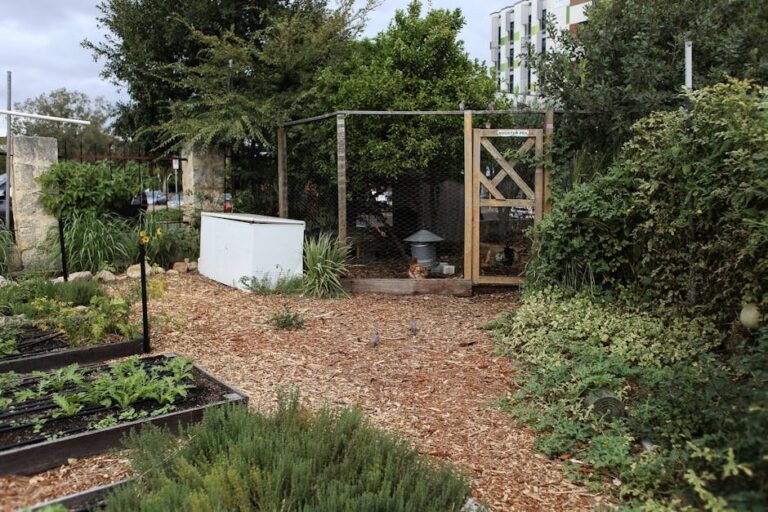
Understanding Chicken Behavior and Their Impact on Gardens
To truly appreciate how chickens interact with your garden beds, it’s essential to grasp their natural behaviors and instincts that drive them to scratch. This understanding will help you predict and prepare for potential issues.
Why Chickens Scratch in the First Place
Chickens scratch for a multitude of reasons that are deeply rooted in their natural behavior and instincts. One primary reason is to forage for food. Chickens have an innate desire to peck at the ground, uncover seeds, insects, and other invertebrates that live beneath the surface. This instinctual behavior is essential for their survival, as it allows them to supplement their diet with a variety of nutrients.
In addition to foraging, chickens also scratch to exercise their muscles and maintain mobility. Scratching helps them stretch their legs, loosen up their joints, and get some much-needed physical activity. Without adequate scratching opportunities, chickens can become restless, stressed, and prone to health issues.
If you’re considering raising chickens in your garden beds, it’s essential to understand these natural behaviors and needs. By providing your flock with suitable scratching areas, you can redirect their energy away from your prized plants and towards more beneficial activities. This might involve setting aside specific zones for chicken scratching or incorporating features like raised beds or covered runs to minimize damage.
Identifying High-Risk Areas in Your Garden
When it comes to introducing chickens into your garden ecosystem, understanding where they’ll scratch and peck can be just as important as providing them with a coop and run. Newly planted seedlings and delicate flowers are usually the first casualties of enthusiastic chicken scratching. These areas require extra attention, especially if you’re planning to grow fragile or high-value crops.
Take note of any newly seeded beds or recently transplanted plants – these will likely be on your chickens’ radar. Observe how they move through their enclosure and which spots seem most appealing for scratching. You might notice that certain areas with looser soil or abundant grass attract more attention.
If you have a garden filled with edible flowers, herbs, or succulents, be aware that chickens often favor these types of plants due to their texture and scent. Regular monitoring and proactive steps can minimize damage in these zones. Consider covering sensitive seedlings with row covers or placing them behind physical barriers until they’re more robust.
When planning your garden layout, take into account the potential impact of chicken scratching on different areas. By being mindful of these high-risk spots and taking preventative measures, you can maintain a harmonious relationship between your chickens and garden beds.
The Role of Soil Quality in Chicken Scratching Behavior
Soil quality plays a significant role in chicken scratching behavior, and it’s essential to understand this relationship if you’re considering raising chickens in your backyard garden. Chickens are natural foragers, and they’ll scratch the soil instinctively to find food, shelter, and even exercise. However, different types of soil can either encourage or discourage scratching.
For instance, loose, well-draining soils tend to promote scratching behavior, as chickens can easily dig and peck at the surface. This type of soil is often found in areas with high sand content, such as beaches or desert regions. On the other hand, dense, clay-based soils are less conducive to scratching, as they’re more challenging for chickens to penetrate.
To encourage healthy scratching behavior in your garden, consider creating a designated scratching area with loose, well-draining soil. You can also supplement this area with nutritious treats and minerals, which will attract your chickens to the spot and reduce damage to other areas of the garden.
Benefits of Chickens for Garden Beds
Chickens can actually bring numerous benefits to your garden beds, from pest control to nutrient-rich fertilizer. Let’s explore these advantages up close.
Nutrient-Rich Manure: A Natural Fertilizer
When it comes to using chicken manure as a natural fertilizer, there’s no denying its incredible benefits for your garden beds. This nutrient-rich resource is packed with high nitrogen content, making it an excellent way to boost soil fertility and promote healthy plant growth.
One of the most significant advantages of using chicken manure is its ability to improve soil structure. As chickens scratch through the soil, their waste breaks down into a rich compost that increases water retention, aeration, and overall soil health. This means your plants will receive exactly what they need to thrive – and you’ll enjoy an abundance of fresh produce as a result.
To harness the power of chicken manure effectively, consider incorporating it into your compost pile or using it as a top dressing for specific areas of your garden. Mix it with other organic materials like leaves, straw, and kitchen scraps to create a balanced blend that will provide your plants with a steady supply of essential nutrients.
When applied correctly, chicken manure can be a game-changer for your garden’s productivity and overall health.
Pest Control: Chickens as a Natural Defense Mechanism
Chickens can be a valuable asset to your garden bed when it comes to pest control. These birds have an innate ability to detect and devour slugs, snails, and insects that can damage your plants. By introducing chickens into your garden ecosystem, you can significantly reduce the need for chemical pesticides.
As chickens roam freely in their enclosure, they will naturally forage for food, including pests. Their keen sense of smell and taste allows them to sniff out and devour slugs, snails, and insects that are hiding in the soil or on plants. This process is not only efficient but also cost-effective, as you won’t need to spend money on pesticides.
To make the most of your chickens’ pest control abilities, consider the following tips: provide a diverse range of plants for them to forage, ensure their enclosure is large enough for them to roam freely, and monitor their eating habits to understand what types of pests they are targeting. By working together with your chickens, you can create a balanced and healthy garden ecosystem that minimizes the need for chemical pesticides.
Increased Biodiversity through Chicken-Encouraged Foraging
When it comes to maintaining healthy garden beds, biodiversity is key. A diverse array of plants and microorganisms creates a robust ecosystem that can withstand pests and diseases, ensuring a bountiful harvest year after year. Chicken scratching can actually promote this biodiversity by creating an environment conducive to the growth of beneficial plants and microorganisms.
As chickens forage through your garden bed, they inadvertently spread seeds from berries, fruits, and vegetables, allowing these species to germinate and thrive in new areas. This process is known as “scatter-hoarding.” Moreover, chicken manure acts as a natural fertilizer, rich in nutrients that support the growth of beneficial microorganisms like mycorrhizal fungi.
To encourage this beneficial foraging behavior, consider incorporating plants with berries or fruits into your garden bed, such as strawberries, blueberries, or sunflowers. These will not only provide a tasty snack for your chickens but also create an opportunity for scatter-hoarding to occur. By embracing the role of chickens in your garden ecosystem and intentionally designing a biodiverse landscape, you can reap the rewards of a thriving, resilient garden bed that’s better equipped to handle pests and diseases.
Strategies for Minimizing Damage from Chickens
To keep those feathered friends from turning your garden beds into dust, you’ll want to learn some effective strategies for minimizing damage. From fencing to mulching, we’ve got you covered.
Providing Adequate Shelter and Protection for Plants
When it comes to integrating chickens into your garden, one of the most critical considerations is providing adequate shelter and protection for plants. Chickens can be notorious scratchers, but with a little creativity, you can create a harmonious balance between their needs and the preservation of your precious plantings.
One effective way to protect your plants from chicken damage is by setting up sheltered areas using row covers or creating a covered run. Row covers are lightweight fabrics that filter sunlight while preventing birds and pests from accessing your crops. You can drape them over individual beds or entire sections of your garden, ensuring a clear view for chickens to roam while keeping your produce safe.
Another approach is building a covered chicken run adjacent to your garden beds. This will give your flock an enclosed area where they can exercise freely without causing damage to your plants. Simply add some perches and nesting boxes to make it a comfortable space for them.
Using Barriers and Fencing to Contain Chicken Scratching
When it comes to containing chicken scratching to specific areas of the garden, using barriers and fencing is an effective solution. There are several types of barriers and fencing that you can use, depending on your specific needs and the layout of your garden.
For example, a simple chicken wire mesh enclosure around the affected area can be an easy and affordable solution. You can also use hardware cloth, which has smaller openings to prevent chickens from poking their heads through. Another option is to use plastic or metal fencing panels, which can provide a more sturdy barrier against curious chickens.
In addition to physical barriers, you can also use creative solutions like mulching or covering the area with landscape fabric. This will not only contain scratching but also help retain moisture and suppress weeds. It’s essential to consider your garden’s unique layout and chicken behavior when choosing the right barrier system for you. By doing so, you’ll be able to direct their energy towards areas where it’s most beneficial while minimizing damage elsewhere in the garden.
Training Chickens to Scratch in Designated Areas
Training chickens to scratch in designated areas can make all the difference between a thriving garden bed and one that’s been decimated by eager beaks. Positive reinforcement techniques are a great place to start. Try sprinkling treats like sunflower seeds or mealworms on the ground where you want your chickens to scratch, encouraging them to dig and forage in those areas instead of elsewhere.
Another approach is to create obstacle courses using items like cardboard boxes, plastic bottles, or even old tires filled with gravel. These can provide a safe outlet for your chicken’s natural scratching behavior while keeping them away from sensitive plants. Make sure to rotate the obstacles regularly so your chickens don’t get bored and start looking for other scratching spots.
Consider incorporating some vertical elements into their designated area as well – like a raised planter or a trellis – which can provide an attractive alternative to digging up your prized rose bushes. By providing a clear distinction between acceptable and unacceptable scratching areas, you’ll be amazed at how quickly your flock adapts to the new routine.
Frequently Asked Questions
Can I raise chickens with a small garden, or is it better to start with a larger space?
If you’re planning to keep chickens on a smaller property, don’t worry! You can still raise them successfully alongside a modest-sized garden. The key is to manage their scratching behavior effectively, using techniques like training them to scratch in designated areas and providing adequate shelter for your plants.
How do I know which plants are most vulnerable to chicken damage?
Identifying high-risk areas in your garden is crucial for protecting your precious plants. Pay attention to tender shoots, seedlings, and crops that are particularly susceptible to scratching damage. If you notice your chickens consistently targeting specific areas, consider implementing barriers or fencing to contain their scratching.
Can I let my chickens roam free-range if I have a large garden?
While free-ranging can be beneficial for your chickens’ exercise and mental health, it’s not always the best option for large gardens. Free-ranging chickens may over-forage certain areas, leading to soil depletion and damage to plants. Instead, consider designating specific scratching areas or using fencing to control their movement.
How do I balance my chickens’ need for exercise with protecting my garden beds?
Strike a balance between your chickens’ physical needs and plant protection by creating designated exercise areas outside of sensitive plant zones. This can be as simple as providing a large enclosure or clearing a section of the yard specifically for scratching and foraging activities.
What’s the ideal chicken-to-garden ratio, and how do I adjust based on my property size?
The ideal ratio varies depending on your specific situation, but as a general rule, aim to allocate about 1-2 square feet per bird. If you have a small garden, consider reducing the number of chickens or adjusting their enclosure sizes to accommodate both their needs and your plant protection requirements.