
Hatch day is an exciting time for any chicken keeper, but it can also be a nerve-wracking experience. As your precious eggs begin to hatch, you’ll want to know that everything is going smoothly and your chicks are healthy and thriving. However, problems can arise on this crucial day, causing anxiety and stress. Respiratory distress, yolk sac retention, and beak abnormalities are just a few common issues that may occur during hatch day.
In this article, we’ll take you through the most common hatch day problems and provide expert guidance on how to troubleshoot them. We’ll cover everything from identifying the signs of trouble to taking corrective action to ensure your chicks get off to a strong start in life. With our help, you can rest assured that you’re equipped with the knowledge to handle any challenges that come your way and give your flock the best possible chance at a happy and healthy life.
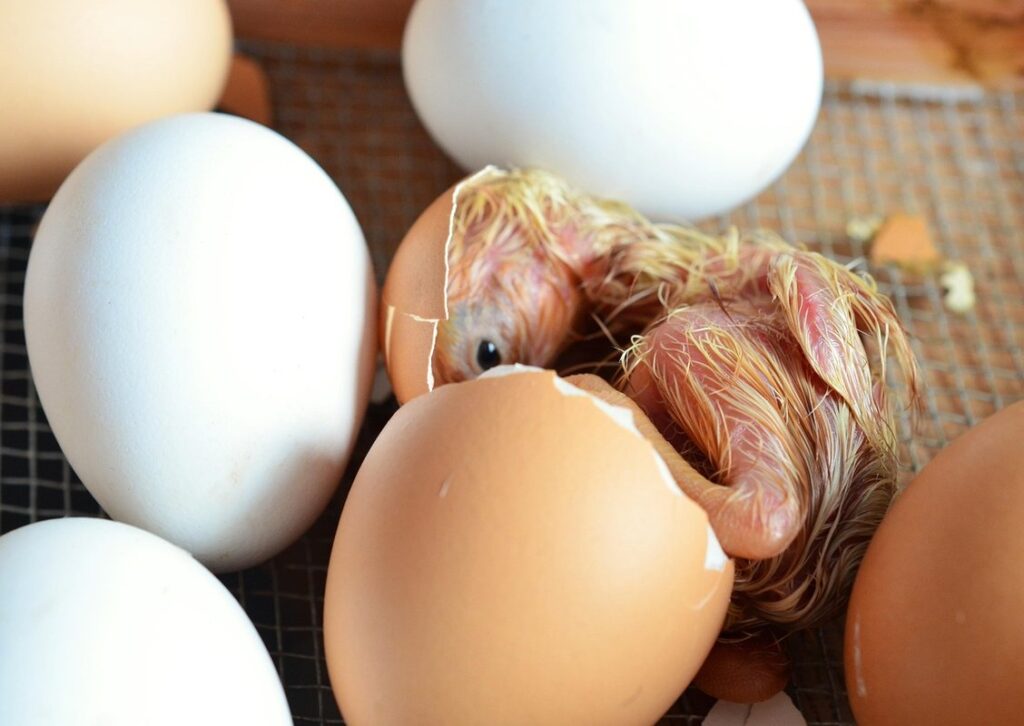
Understanding Hatch Day Complications
When a complication arises on hatch day, it can be stressful and overwhelming for both new and experienced breeders. This section will explore common hatch day complications and provide guidance to help you troubleshoot and resolve issues.
Common Issues to Expect on Hatch Day
As you wait with bated breath for hatch day to arrive, it’s essential to be prepared for potential complications that may arise. Unfortunately, even with the best care and equipment, issues can still occur on this critical day. One common problem is respiratory distress, which can be caused by a variety of factors such as inadequate humidity levels or poor air quality in the incubator.
Another issue you might encounter is yolk sac retention, where the yolk sac fails to dry out properly after hatching, leading to digestive problems and potentially even death. This can often be prevented by monitoring temperature and humidity levels closely during the last stages of incubation.
You should also keep an eye out for abnormal beak or leg development, which can be caused by genetic factors or improper nutrition. In severe cases, this can lead to mobility issues or difficulties with feeding. If you notice any of these issues, it’s crucial to act quickly and seek advice from a qualified breeder or veterinarian.
It’s worth noting that even experienced breeders encounter complications on hatch day, so don’t panic if something goes wrong. Instead, focus on resolving the issue as quickly as possible to give your chicks the best chance of survival.
Factors Contributing to Hatch Day Problems
When it comes to hatch day complications, external factors can play a significant role in determining the success of the hatching process. One critical factor is incubation temperature fluctuations. Even slight changes in temperature can impact embryonic development and increase the risk of hatch day problems.
For instance, if the incubator’s thermostat fails or is not calibrated correctly, this can cause temperature swings that are detrimental to the developing embryo. According to a study by the University of California, Davis, optimal temperatures for chicken embryos range from 99°F to 100°F. However, even small deviations from these parameters can lead to hatch day issues.
Another critical external factor is humidity levels. If the incubator’s humidity settings are not properly adjusted or monitored, this can cause excessive moisture buildup within the eggs, leading to fungal growth and increasing the risk of bacterial contamination. It’s essential for breeders to maintain a consistent humidity level between 45% and 55%.
Egg handling practices also contribute significantly to hatch day problems. Rough handling, improper storage, or exposure to extreme temperatures can cause significant stress to the developing embryo. By following proper egg-handling techniques and maintaining accurate incubation parameters, breeders can minimize these risks and increase the chances of successful hatching outcomes.
Red Flags to Watch for During the Hatching Process
As you observe your chick’s hatching process, it’s essential to recognize potential warning signs that may indicate complications. Abnormal pip behavior is one such red flag – if the beak or claws aren’t properly aligned for hatching, it can lead to prolonged and painful struggling.
Look out for labored breathing: chicks breathe rapidly during hatching due to their oxygen consumption needs; however, if the breathing becomes strained or irregular, it’s a cause for concern. Similarly, excessive bleeding around the vent or beak area is another critical sign that warrants immediate attention. This can often be a result of inadequate incubation temperature or improper handling.
If you notice any of these red flags during hatching, it’s crucial to intervene promptly. Gently assist the chick by carefully prying its beak open and ensuring proper alignment. If bleeding persists, it may be necessary to administer an antiseptic solution to prevent infection. In severe cases, it might be wise to consult a veterinarian for further guidance.
Monitor your chick closely during this critical phase to catch any potential issues early on.
Respiratory Distress: Causes, Symptoms, and Treatment Options
Respiratory distress can be a frightening sign of something amiss on hatch day, but understanding its causes, symptoms, and treatment options will help you act swiftly to save your vulnerable chicks. Let’s break it down.
Understanding Respiratory Distress in Hatchlings
Respiratory distress is one of the most critical concerns for hatchling owners on hatch day. It’s essential to understand that respiratory issues can arise from various causes, including air sac damage, yolk sac retention, and secondary bacterial infections. Air sac damage occurs when the embryo doesn’t have enough space to develop properly, causing the air sacs to rupture during hatching.
Yolk sac retention happens when a significant portion of the yolk remains within the hatchling’s body after it emerges from its shell. This can lead to respiratory distress as the retained yolk can cause an overproduction of mucus, blocking the airways and making breathing difficult. Secondary bacterial infections often result from weakened immune systems due to improper incubation conditions or handling.
Monitor your hatchlings closely during the first few days post-hatching for signs of respiratory distress, such as labored breathing, wheezing, or a failure to feed properly. If you notice any of these symptoms, consult with an experienced breeder or veterinarian immediately. Proper care and handling can go a long way in preventing these issues, but being aware of the potential causes is crucial in addressing them effectively.
Recognizing the Signs of Respiratory Distress
As you monitor your hatchlings on hatch day, it’s essential to recognize the signs of respiratory distress. This is a critical issue that can arise due to various reasons such as temperature fluctuations, humidity levels, or bacterial infections. Keep an eye out for rapid breathing rates, labored respiration, and cyanosis – these are telltale symptoms that indicate your hatchlings may be struggling.
Rapid breathing rates can range from 100-200 breaths per minute, significantly higher than the normal rate of around 40-60 breaths per minute. If you notice this increased frequency, it’s essential to act swiftly. Labored respiration, on the other hand, is characterized by deep and strained gasps for air, often accompanied by a slight retraction of the chest wall.
Cyanosis is another alarming symptom – look out for bluish discoloration around the beak or lips. This indicates that your hatchling’s oxygen levels are critically low. In such cases, it’s crucial to provide supplemental oxygen and seek immediate veterinary attention. Regular monitoring, a clean environment, and proper temperature control can help minimize the risk of respiratory distress in your hatchlings.
Treatment and Support for Respiration Issues
When a hatchling experiences respiratory distress on hatch day, it’s essential to provide supportive care to help them recover quickly. Humidification is a crucial aspect of treatment, as dry air can exacerbate respiratory issues. You can use a humidifier specifically designed for reptile or amphibian use to maintain a suitable humidity level around 50-60%. Mist the enclosure lightly with water daily to ensure the air remains humid.
Oxygen supplementation may be necessary if your hatchling is having trouble breathing. A veterinarian can prescribe an oxygen tank, which should only be used under their guidance. You’ll need to monitor the oxygen levels closely and adjust as needed. Some breeders also use foggers or misting systems for optimal humidity control.
If bacterial infections are suspected, antibiotic therapy may be prescribed by a veterinarian. Ensure you administer the medication exactly as instructed to avoid under- or over-dosing. Monitor your hatchling’s condition closely, taking note of any changes in behavior or respiration.
In severe cases, hospitalization at a reptile-savvy vet clinic may be necessary for close monitoring and treatment. If you’re unsure about the severity of the issue or how to proceed with supportive care, consult with a veterinarian as soon as possible.
Yolk Sac Retention: Causes, Symptoms, and Remedies
One common issue breeders face is yolk sac retention, where the developing chick fails to absorb its nutrient-rich yolk sac, potentially leading to serious health problems. We’ll explore the causes and symptoms of this issue in more detail below.
What is Yolk Sac Retention?
When it comes to hatch day troubleshooting, understanding yolk sac retention is crucial for ensuring the health and well-being of your newly hatched chicks. So, what exactly is yolk sac retention? Simply put, it’s a condition where the chick fails to completely absorb its yolk sac after emerging from the egg.
This may seem like a minor issue, but it can actually have significant consequences for hatchling health. Normally, the yolk sac provides nutrients and energy to the developing chick before hatching. However, once the chick is born, it should be able to regulate its own food intake and no longer rely on the yolk sac.
If your chick retains its yolk sac, it can lead to a range of problems, including bloating, lethargy, and even death if left untreated. In fact, according to some studies, up to 10% of hatchlings may experience yolk sac retention, making it an important issue for breeders and new pet owners to be aware of.
If you suspect your chick is experiencing yolk sac retention, look out for signs such as a swollen abdomen or lethargy. In this case, seek veterinary advice immediately. Your vet can provide guidance on the best course of treatment, which may involve administering medication or performing surgery in severe cases.
Recognizing the Signs of Yolk Sac Retention
As you observe your hatchlings on their first day out of the egg, it’s essential to recognize the signs of yolk sac retention. This condition can be a serious issue, and prompt identification is crucial for providing timely care.
One of the most common symptoms of retained yolks in hatchlings is lethargy. They may appear sluggish or reluctant to move around their enclosure. Be on the lookout for this behavior, as it’s often accompanied by other concerning signs.
Abdominal distension is another red flag – if your chick’s belly appears swollen or bulging, this could be a sign that the yolk sac isn’t being absorbed properly. Failure to thrive is also a common indicator of retained yolks; hatchlings may not be gaining weight at the expected rate or appear underdeveloped.
If you suspect any of these symptoms in your hatchlings, it’s crucial to intervene quickly. Monitor their condition closely and seek advice from an experienced breeder if needed. With prompt attention, many cases of yolk sac retention can be successfully treated, but neglecting this issue can lead to severe health complications or even mortality.
Treatment and Prevention Strategies for Yolk Sac Retention
When dealing with yolk sac retention, early intervention is key to ensuring the hatchling’s survival. Preventing this condition altogether is possible by maintaining optimal incubation conditions. This includes keeping the eggs at a consistent temperature between 99.5°F and 100.5°F (37.7°C to 38°C), maintaining high humidity levels, and ensuring proper ventilation.
If you do encounter a hatchling with yolk sac retention, surgical intervention may be necessary to remove excess yolk material. This procedure should only be performed by an experienced veterinarian or breeder who has the necessary expertise. Before surgery, it’s essential to carefully examine the egg contents for any signs of infection or contamination.
In some cases, antibiotics can help clear up bacterial infections that may have contributed to the condition. However, antibiotic treatment is not a substitute for proper surgical removal of the retained yolk material. In severe instances, yolk sac retention can lead to the hatchling’s demise, making prompt and professional intervention crucial. If you’re unsure about how to proceed with a potentially affected hatchling, consult with an expert in avian healthcare or reproductive biology.
Beak and Leg Abnormalities: Causes and Intervention Options
When it comes to beak and leg abnormalities, identifying their causes is crucial for providing the right intervention options, whether it’s a genetic issue or environmental factor affecting your hatchlings. We’ll break down what you need to know.
Understanding Beak Development
As you carefully observe your young parrot’s development on hatch day, it’s essential to understand normal beak development and potential causes of abnormalities. Beaks play a crucial role in foraging, preening, and even communication, so identifying any irregularities is vital for the bird’s overall health.
In most species, beaks develop from small, vestigial buds present on the upper mandible (upper jaw) by around 10-14 days post-hatch. As the chick grows, the bud gradually elongates, and new tissue forms to create a distinctive shape. However, this process can sometimes go awry due to genetic predisposition or environmental factors.
Some common beak abnormalities include misaligned or asymmetrical growth, overgrown or underdeveloped beaks, or even complete absence of the upper mandible in rare cases. If you notice any irregularities during your hatch day examination, consult with a qualified avian veterinarian for proper guidance and treatment. They may recommend surgical intervention or other corrective measures to ensure the bird’s comfort and well-being.
In many species, beak abnormalities are hereditary, so it’s crucial to work with reputable breeders who conduct thorough genetic testing on their birds. This knowledge can help you anticipate potential issues in your young parrot’s development. By being aware of these risks and taking proactive steps, you can provide the best possible care for your feathered companion.
Recognizing the Signs of Beak Abnormalities
Recognizing abnormal beaks in hatchlings can be a daunting task for new pet owners. Beak abnormalities often manifest through visible symptoms that are difficult to miss. For instance, hatchlings with deformed beaks may struggle with preening, leaving their feathers ruffled and disheveled. This can lead to further complications like skin irritation and secondary infections.
Another sign of abnormal beaks is impaired vision. Hatchlings rely heavily on their sense of sight for navigation and hunting. A distorted or misshapen beak can cause visual distortions, making it challenging for the hatchling to focus or detect prey. Inability to eat is also a telltale symptom of beak abnormalities.
Keep an eye out for these signs, especially if your hatchlings seem listless or lethargic. Check their beaks regularly for any unusual growths or deformities. If you suspect that your hatchling’s beak is abnormal, consult with a veterinarian as soon as possible to determine the best course of action and prevent further complications. Early detection is key in addressing these issues effectively.
Treatment and Support for Beak-Related Issues
When it comes to beak-related issues on hatch day, supportive care is crucial for the long-term health and well-being of your birds. Beak abnormalities can range from minor deformities to more severe conditions that may require surgical intervention.
In some cases, surgery may be necessary to correct a severely deformed or overgrown beak. This should only be performed by an experienced avian veterinarian who has the necessary equipment and expertise to do so safely. Your vet will assess the extent of the abnormality and recommend the best course of treatment.
Prosthetic devices can also be used to support the beak in certain cases, particularly if surgery is not possible or has been unsuccessful. These devices should be custom-made for your bird’s specific needs and carefully monitored by a veterinarian to ensure proper fit and function.
For birds with difficulty preening or eating due to beak abnormalities, adaptive feeding techniques may be necessary. This can include using specialized feeders or dishes that allow the bird to eat comfortably, as well as providing additional support during meal times.
In addition to these more invasive interventions, supportive care at home is also essential for ensuring your bird’s comfort and health. Providing a safe and stress-free environment with plenty of space to move around and exercise can go a long way in supporting your bird’s overall recovery.
Best Practices for Incubation and Hatchling Care
Now that you’ve successfully navigated hatch day, it’s essential to know how to properly care for your new hatchlings. Here are some crucial best practices to ensure a healthy start for your little ones.
Optimizing Incubation Conditions
Optimizing incubation conditions is crucial to ensure healthy hatchlings. A temperature of 99-100°F (37-38°C) for most bird species is considered optimal. However, some breeds require slightly higher temperatures, such as parrots, which thrive at 101-102°F (39-40°C). Humidity levels should be maintained between 50-60%. Excessive humidity can lead to mold growth and bacterial contamination.
Proper egg handling practices are also essential. Eggs must be turned regularly to prevent adhesion to the incubation tray and promote even development. A 90-degree turn every hour is recommended, but you can also use an automatic turner if available. Ensure that eggs are placed in a single layer, not stacked, to allow for adequate air circulation.
Maintain precise temperature control by using a reliable thermometer and ensuring the incubator’s heating element is functioning correctly. Regularly check for any signs of malfunction or blockages that could impact temperature stability. By optimizing these conditions, you can minimize complications on hatch day and increase the chances of successful hatching.
Creating a Safe Environment for Hatchlings
Creating a safe environment for hatchlings is crucial on hatch day. It involves several essential components that contribute to their overall health and well-being. Proper ventilation is key to maintaining optimal humidity levels, which are vital for the hatchlings’ development.
When setting up the incubation room or area, ensure good airflow by placing the egg containers at least 6-8 inches apart and away from any walls. You can also use a gentle fan on low speed to promote air circulation without causing drafts that might chill the eggs. This will prevent moisture buildup, reducing the risk of respiratory issues.
Sanitation is another critical aspect to focus on when creating a healthy environment for hatchlings. Ensure all equipment and surfaces are thoroughly cleaned with a pet-safe disinfectant before introducing the eggs or newly hatched chicks. This includes the egg containers, waterers, feeders, and any other accessories you’ll be using.
Socialization is equally important in the first few days after hatch. Allow the hatchlings to move freely around their enclosure under close supervision. Avoid handling them excessively, as this can cause stress and make them more susceptible to diseases. Provide enough space for the chicks to stretch, exercise, and interact with each other naturally.
Essential Supplies for Hatchling Care
When bringing home new hatchlings, it’s essential to be prepared with the right equipment and supplies. This will ensure their health and well-being, reducing the risk of complications during this critical period.
First and foremost, you’ll need a proper brooder or incubation unit specifically designed for hatchlings. This should have adequate ventilation, temperature control, and humidity management features. A good brooder can range from $50 to over $200, depending on its features and capacity. Some popular options include the Brinsea Mini II and the Zilla Pet Brooder.
In addition to the brooder, you’ll need heat sources, such as heat lamps or ceramic heat emitters. These should be placed at a safe distance to avoid overheating or burning your hatchlings’ delicate skin. A thermometer and hygrometer are also crucial for monitoring temperature and humidity levels.
Other necessary supplies include food, water, and a starter kit with a vitamin supplement specifically designed for young animals. Be sure to choose a high-quality starter feed that meets the nutritional needs of your hatchlings during this critical growth period. A clean, shallow dish for water is essential to prevent drowning risks.
Lastly, be prepared for emergencies by having a first aid kit on hand, including supplies like tweezers, Q-tips, and antibiotic ointment. Proper care and equipment will significantly reduce the risk of hatchling mortality and ensure they thrive in their new environment.
Conclusion: Navigating the Complexities of Hatch Day Troubleshooting
As you reach the end of our troubleshooting guide, let’s take a moment to summarize key takeaways and practical advice for successfully navigating hatch day challenges. This final section distills essential insights into actionable next steps.
Recap of Key Takeaways
As we conclude our exploration of hatch day troubleshooting, let’s recap the key takeaways to help you navigate this critical phase with confidence. You can expect common issues on hatch day, including respiratory distress caused by fungal infections, bacterial contamination, or improper incubation temperatures.
Be aware of the symptoms of yolk sac retention, which can be a sign of internal injuries or genetic defects. Monitor your chicks’ behavior and physical condition closely to catch these issues early. Preventing beak abnormalities is also crucial, as they can lead to stress, infection, and even death.
To address these challenges, implement best practices for incubation, such as maintaining precise temperature control (between 99-100°F), ensuring adequate humidity levels, and avoiding over-handling of eggs. For hatchlings, prioritize a stress-free environment with plenty of ventilation, gentle lighting, and optimal feeding conditions.
By applying the expert guidance outlined in this article, you’ll be well-equipped to identify potential problems on hatch day and take prompt action to ensure a healthy start for your chicks.
Final Thoughts: Overcoming Challenges with Expert Guidance
As you’ve navigated the intricacies of hatch day troubleshooting, it’s essential to acknowledge that not every situation can be resolved through self-research and trial-and-error. When faced with challenging circumstances during this critical period, seeking expert guidance is a sign of strength, not weakness.
If you’re experiencing difficulties with incubation temperatures, humidity levels, or embryonic development, don’t hesitate to reach out to experienced breeders or veterinarians for support. They can provide valuable insights and personalized advice tailored to your specific situation.
Remember, every hatch day is unique, and a single misstep can have far-reaching consequences. By acknowledging the limitations of online resources and seeking expert guidance when needed, you’ll be better equipped to overcome obstacles and ensure the well-being of your hatchlings.
Don’t let uncertainty or frustration get the best of you – take proactive steps towards ensuring the success of your breeding program by leveraging the expertise of those who have navigated similar challenges.
Frequently Asked Questions
How do I identify the underlying cause of my hatchlings’ respiratory distress?
When troubleshooting respiratory issues, it’s essential to look for signs like labored breathing, wheezing, or gasping for air. Consider factors such as incubation temperature, humidity, and airflow, as well as potential bacterial or viral infections.
What are some preventative measures I can take to minimize the risk of yolk sac retention?
To reduce the likelihood of yolk sac retention, ensure that your eggs are fertile and incubated correctly. Regularly monitor egg temperature, humidity, and turning to avoid any disruptions during the hatching process. A well-ventilated brooder with adequate space for hatchlings can also help prevent this issue.
How long after hatching should I expect my chicks to be able to eat on their own?
Chicks typically begin pecking at food within 24 hours of hatching, but it’s crucial not to stress them by introducing solid foods too soon. Wait until they’re actively exploring and showing interest in their surroundings before offering starter feed.
What are some common mistakes that can lead to beak abnormalities in hatchlings?
Beak deformities often result from improper egg handling, incubation conditions, or excessive moisture in the brooder. Ensure eggs are not cracked during transportation or handling, maintain a consistent incubation temperature, and keep the brooder clean and dry to minimize risks.
Can I still raise healthy chicks if I notice any of these complications on hatch day?
While it’s true that some hatchlings may exhibit signs of distress or abnormalities at hatching, many can still recover and thrive with proper care and attention. Be prepared to provide extra support, and don’t hesitate to consult a veterinarian for guidance if you’re unsure about the best course of action.