
If you’re considering adding some feathered friends to your backyard or expanding your agricultural operation, you might want to learn more about the wonderful world of hatched ducks. Not only are they an excellent source of fresh eggs and meat, but they also play a significant role in maintaining healthy ecosystems. With so many breeds to choose from, it’s essential to understand the care and management requirements for raising happy and healthy hatched ducklings.
In this article, we’ll dive into the importance of hatched ducks, exploring their significance in agriculture and providing expert advice on caring for them. You’ll discover popular breeds suitable for both backyard flocks and commercial production, as well as tips for ensuring your hatched ducklings thrive from day one. Whether you’re a seasoned farmer or a beginner, this guide will provide everything you need to know about raising healthy hatched ducks.
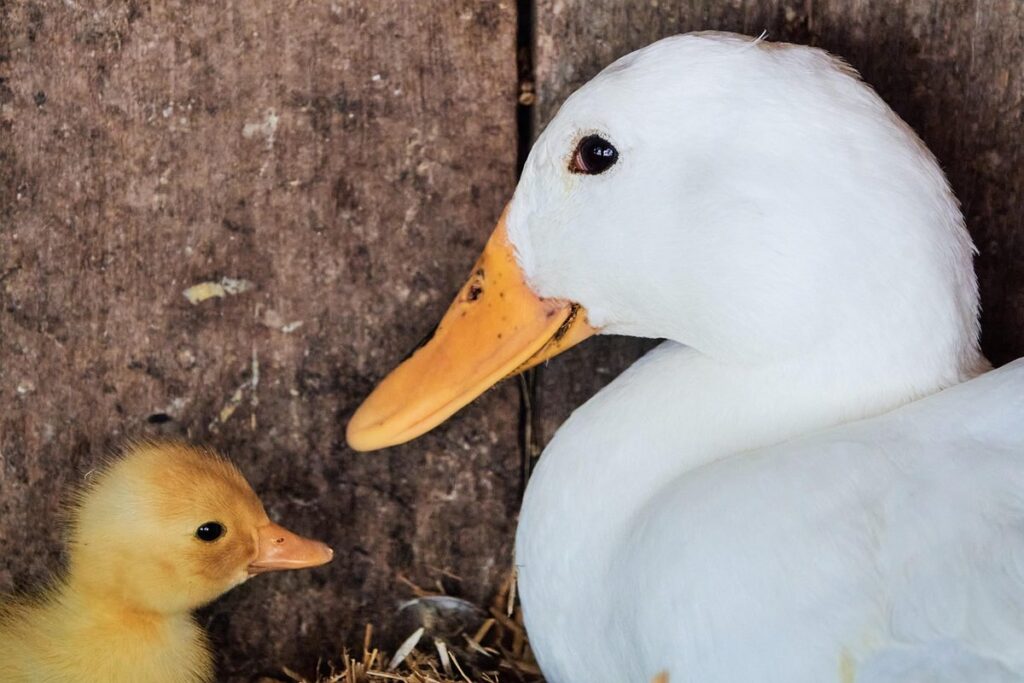
Introduction to Hatched Ducks
Let’s start our journey into the world of hatched ducks, and get a basic understanding of what these adorable creatures entail. We’ll explore their characteristics and behaviors from day one.
What are Hatched Ducks?
Hatched ducks are young ducklings that have successfully emerged from their eggs after a process of incubation. This remarkable journey begins when a mother duck lays her eggs and carefully covers them with down feathers to regulate the temperature and keep them safe. The eggs then undergo a period of dormancy, during which the duckling’s growth is fueled by a nutrient-rich yolk sac.
As the embryo develops, it absorbs the necessary nutrients from the yolk, allowing it to grow strong enough to break through the shell. This process typically takes around 28 days for most breeds of ducks, although some larger species may take up to 30 days. During this time, the duckling’s internal development is remarkable – its heart starts beating, its lungs expand, and its limbs begin to form.
When the day arrives, the duckling pushes through the shell with incredible force, usually breaking it in half or even pushing out one end before fully emerging. It takes a bit of effort, but eventually, the little ball of fluff tumbles onto its new surroundings, chirping and quacking excitedly as it begins its first moments of life outside the egg.
Importance of Hatched Ducks in Agriculture
Hatched ducks play a vital role in agriculture beyond just being raised for meat and eggs. They contribute significantly to crop pollination, which is often overlooked but crucial for the production of many fruits and vegetables. Bees are commonly associated with pollination, but did you know that hatched ducks can also transfer pollen between plants? This process is especially important for crops like strawberries, blueberries, and apples.
Moreover, hatched ducks help control pests in agricultural settings by consuming insects and other small animals that might harm crops. By introducing hatched ducks to your farm or backyard garden, you’ll not only reduce the need for pesticides but also create a more balanced ecosystem. This is achieved through their natural grazing habits, which allow them to selectively feed on unwanted pests while leaving beneficial insects intact.
To incorporate hatched ducks into your agricultural practices, consider creating a small pond or water feature that can serve as a habitat for these birds. Provide them with adequate shelter and food sources to ensure they thrive in their new environment. By doing so, you’ll be supporting not only the local ecosystem but also enhancing your crop yields and reducing pest-related problems.
Characteristics of Healthy Hatched Ducklings
When it comes to raising healthy hatched ducklings, there are several characteristics that you should look out for to ensure they’re thriving. These include a plump appearance, shiny eyes, and an overall energetic demeanor.
Physical Development and Growth Stages
When it comes to healthy hatched ducklings, their physical development and growth stages are crucial indicators of their overall well-being. At birth, new ducklings typically weigh around 1-2 ounces (28-57 grams) and are covered in a thin layer of down feathers. They grow rapidly, doubling their weight within the first week.
By day 10-14, you can expect to see noticeable changes in their feather development. Downy feathers start to replace soft, fluffy ones, giving them a more compact appearance. The beak shape also begins to take form, gradually developing into its adult size and coloration.
Weight gain is an essential indicator of healthy growth; a duckling typically grows around 10-15 grams per day during the first few weeks. Monitor their daily weight gain by weighing them regularly. Feather development and beak shape can be assessed by observing changes in plumage and beak curvature, respectively.
Behavioral Traits and Socialization
As hatched ducklings grow and mature, they begin to develop essential behavioral traits that will serve them well throughout their lives. One of the most impressive developments is their ability to swim. At first, it may seem like a struggle as they tentatively dip their feet into the water. However, with encouragement from their mother or caregiver, they quickly learn to paddle and dive.
Foraging is another critical skill that hatched ducklings need to master. They begin by watching their mother scratch for food on land and gradually work up the courage to join her. As they grow more confident, they start to venture further afield in search of tasty bugs, seeds, and aquatic plants. Encourage your ducklings to forage by providing them with a varied diet that includes fruits, vegetables, and grains.
Social interaction is also an important aspect of hatched duckling development. They learn essential social skills like pecking order, communication, and cooperation from their mother and other ducks. To promote healthy socialization in your backyard flock, ensure they have enough space to move around freely and interact with each other. By providing a nurturing environment that fosters growth and exploration, you’ll be well on your way to raising happy, confident ducklings.
Care and Management of Hatched Ducklings
Now that your adorable ducklings have hatched, it’s time to learn the basics of caring for them, from feeding to keeping their enclosure clean. Let’s dive into the details.
Housing and Environment Requirements
When it comes to raising hatched ducklings, providing them with a suitable environment is crucial for their health and development. First and foremost, you’ll want to ensure that the enclosure has adequate ventilation to prevent the buildup of ammonia from droppings. A well-ventilated area will also help maintain a comfortable temperature range between 90°F to 95°F (32°C to 35°C) during the first week.
Lighting is another essential aspect to consider. Ducklings require a photoperiod of around 24 hours to help regulate their metabolism and growth. Use LED or heat lamps to provide a balanced spectrum, as direct sunlight can be too intense for young ducklings. When it comes to sanitation, make sure to clean the enclosure daily by removing soiled bedding, disinfecting feeding and watering equipment, and replacing any wet bedding with dry material.
By meeting these basic housing requirements, you’ll be providing your hatched ducklings with a solid foundation for growth and development. Remember, the environment plays a significant role in shaping their health, behavior, and overall well-being. By being attentive to their needs, you’ll be one step closer to raising happy, healthy ducks.
Nutrition and Feeding Practices
When it comes to feeding and nutrition for hatched ducklings, providing them with the right mix of nutrients is crucial for their growth and development. From day one, ducklings have high energy requirements, needing to double their birth weight within the first week alone. To meet this demand, they need a diet rich in protein, vitamins, and minerals.
A good quality commercial starter feed should be the main staple in their diet, but it’s essential to supplement with fresh vegetables like leafy greens, broccoli, and carrots. You can also offer mealworms or chopped hard-boiled eggs as an occasional treat. Fresh water should always be available, and it’s a good idea to add a pinch of salt to help them absorb essential minerals.
To ensure proper feeding practices, make sure to provide feeders that allow the ducklings to eat comfortably without having to compete for space. Also, clean and disinfect their feeding area regularly to prevent disease transmission. With proper nutrition and regular cleaning, your hatched ducklings will thrive under your care, growing strong and healthy before your eyes.
Common Health Issues in Hatched Ducklings
As a duck breeder, it’s essential to be aware of common health issues that can affect hatched ducklings, from respiratory problems to bacterial infections. We’ll explore these challenges together in this section.
Diseases and Disorders Affecting Hatched Ducks
Hatched ducklings are susceptible to various health issues that can be detrimental to their growth and survival. Respiratory infections are a common problem, often caused by viruses such as Newcastle disease or bacteria like E. coli. These infections can lead to symptoms like labored breathing, sneezing, and coughing.
Another significant concern is parasites, including mites, lice, and fleas. These external parasites can cause anemia, skin irritation, and poor feather development in ducklings. Regular cleaning of the brooder and monitoring for signs of infestation are crucial to prevent parasite-related issues.
Nutritional deficiencies can also impact the health of hatched ducklings. A diet lacking essential vitamins and minerals can lead to stunted growth, weakened immune systems, and increased susceptibility to diseases. Ensure you’re providing a balanced feed that meets the nutritional needs of your ducklings, supplemented with fresh vegetables and fruits as needed.
Keep an eye out for early signs of illness in your hatched ducklings, such as lethargy, loss of appetite, or changes in droppings. Consult with a veterinarian if you suspect any health issues to prevent further complications and ensure the well-being of your feathered friends.
Prevention and Treatment Strategies
Preventing health issues in hatched ducklings requires a multi-faceted approach. Vaccination programs are crucial to protect against common diseases such as Marek’s disease and avian influenza. Consult with a veterinarian to develop an effective vaccination schedule for your flock.
In addition to vaccinations, maintaining strict biosecurity measures is essential to prevent the introduction of new pathogens into your duckling’s environment. This includes washing hands thoroughly before handling ducklings, disinfecting equipment and surfaces regularly, and isolating new additions to the flock until they’ve completed a quarantine period.
First aid techniques are also vital for treating common health issues in hatched ducklings. Knowing how to identify and treat conditions such as respiratory distress, diarrhea, and injuries is crucial. For example, if a duckling is experiencing difficulty breathing, it’s essential to provide oxygen supplementation immediately. Consult with a veterinarian or experienced breeder for guidance on first aid techniques.
Regular monitoring of your ducklings’ health and behavior can help you identify potential issues early on, allowing for prompt treatment and preventing the spread of disease within the flock.
Breeds of Hatched Ducklings and Their Characteristics
Let’s dive into the fascinating world of hatched duck breeds, where you’ll discover unique characteristics that set each breed apart in terms of looks and temperament.
Popular Breeds for Backyard Flocks and Commercial Production
When it comes to choosing duck breeds for your backyard flock or commercial production, there are several popular options to consider. For a small-scale operation or homestead, the Khaki Campbell is an excellent choice. These ducks are prolific egg layers, producing around 300 eggs per year, making them perfect for families who want fresh eggs from their own yard. They’re also relatively low-maintenance and easy to care for.
For commercial production, the Muscovy duck is a popular breed due to its fast growth rate and high-quality meat. These ducks are native to South America and can reach maturity in as little as 10 weeks, making them an ideal choice for large-scale operations. Another advantage of Muscovies is their resistance to disease, which reduces the need for antibiotics and other chemicals.
Other popular breeds include the Indian Runner, Pekin, and Golden 300 Hybrid. Each has its own unique characteristics and advantages, but they all share one thing in common: high-quality eggs or meat production. When choosing a breed, consider your specific needs and goals to ensure you’re selecting the best fit for your operation. Researching different breeds and their characteristics will help you make an informed decision and get started on building a thriving backyard flock or commercial duck farm.
Rare and Heritage Breeds
In addition to the more common breeds of hatched ducklings, there are many rare and heritage breeds that offer unique characteristics and benefits. These breeds have been developed over centuries for specific purposes such as egg production, meat, and even ornamental value. The historical significance of these breeds cannot be overstated, as they often reflect the cultural and agricultural practices of their regions.
Some examples of rare and heritage breeds include the Muscovy duck from South America, which is prized for its vibrant plumage and hardiness in hot climates. The Silver Appleyard duck from England is another example, known for its gentle nature and high egg production. Heritage breed conservation efforts are underway to protect these birds from extinction.
If you’re interested in raising rare or heritage breeds on your farm or homestead, consider niche applications such as providing eggs for specialty markets or breeding ducks for meat. These birds can also serve as ambassadors for sustainable agriculture and wildlife conservation. By incorporating heritage breeds into your operations, you’ll not only be preserving a piece of history but also contributing to the diversity of our world’s poultry populations.
Conclusion: The Rewards of Raising Hatched Ducklings
As you’ve reached the end of your journey into the amazing world of hatched ducks, let’s reflect on the rewards that come from raising these adorable ducklings. You’ll discover just how fulfilling this experience can be!
Tips for Success and Best Practices
Raising hatched ducklings can be a rewarding experience, but it requires careful attention to their needs. To ensure they grow into healthy and happy adult ducks, follow these essential tips and best practices.
First and foremost, provide proper nutrition for your ducklings. A balanced starter feed should be the main staple of their diet, supplemented with fresh fruits and vegetables. For example, you can add leafy greens like kale or spinach to their feed to boost their immune system. However, avoid giving them avocado or onions as they can cause harm.
A clean and well-ventilated environment is also crucial for ducklings’ health. Ensure their brooder is kept at a comfortable temperature (around 90°F to 95°F) and humidity level. Clean the brooder regularly, removing any soiled bedding and disinfecting it with a pet-safe cleaner.
Proper management of your duckling’s water is also essential. Change the water frequently to prevent bacterial growth, which can lead to disease. You should also provide a shallow dish for them to bathe in.
Regular health checks are vital to prevent disease outbreaks. Monitor your ducklings’ behavior and watch out for any signs of illness, such as lethargy, diarrhea, or labored breathing. Keep a record of their weights and measurements to track their growth.
To promote good flock dynamics, ensure each duckling has enough space (around 2-3 square feet per bird) and adequate access to feeders and waterers. Separating new additions from the existing flock can also help prevent disease transmission.
By following these tips and best practices, you’ll be well on your way to raising happy and healthy hatched ducklings that will bring joy and entertainment to your backyard farm.
Frequently Asked Questions
What is the ideal age for introducing hatched ducklings to water?
Yes, it’s essential to wait until your hatched ducklings are around 3-4 weeks old before introducing them to water. This allows their feathers and down to dry properly, reducing the risk of chilling or pneumonia. Make sure the water is calm and shallow, with a gentle slope for easy entry.
How can I ensure my backyard flock doesn’t overgraze the land?
To prevent overgrazing, it’s crucial to rotate your hatched ducklings regularly. Divide your property into smaller sections, allowing each area to rest while the others are grazed. This technique not only maintains healthy pastures but also encourages foraging and exercise among your ducks.
What’s the best way to handle common health issues in hatched ducklings?
Common health issues like respiratory problems or parasites can be managed through proper nutrition, sanitation, and parasite control. Ensure a balanced diet rich in essential nutrients, maintain clean living conditions, and monitor your flock regularly for signs of illness. Consult with a veterinarian if you suspect any health issues.
Can I raise hatched ducklings without prior experience in animal care?
While experience is helpful, it’s not necessary to have prior knowledge when raising hatched ducklings. With proper guidance and research, you can develop the skills needed to care for your flock. Start by learning about the specific needs of your chosen breed and gradually gain hands-on experience.
How often should I inspect my hatched ducklings’ living quarters for signs of disease or pests?
Regular inspections are crucial in maintaining a healthy environment for your hatched ducklings. Aim to check their living quarters at least twice a week, looking for signs of illness, parasites, or damage from predators. Clean and disinfect areas as needed, taking prompt action if you discover any issues.