
As a chicken enthusiast, you’re probably no stranger to the excitement of waiting for your chicks to arrive. But have you ever considered where those little fluffballs come from? Do you opt for the convenience of buying them from a hatchery or take matters into your own hands by hatching them at home? The choice between hatchery and home hatching can be a tough one, with pros and cons on both sides. In this article, we’ll delve into the world of hatchery vs home hatching, exploring the costs, health considerations, and expert tips to help you make an informed decision. Whether you’re a seasoned farmer or a backyard enthusiast, understanding the differences between these two options can make all the difference in your poultry-keeping journey.
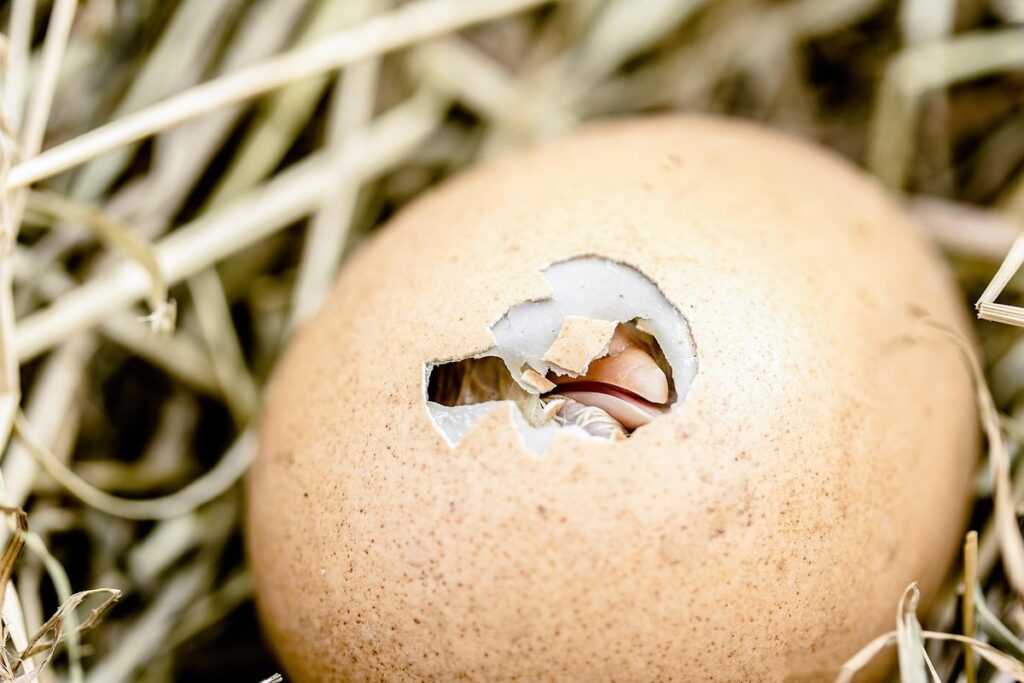
Choosing Between a Hatchery and Home Hatching
When it comes time to choose how to hatch your eggs, one of the biggest decisions is whether to go with a reputable hatchery or attempt home hatching. This section helps you weigh your options.
Benefits of Using a Commercial Hatchery
When you choose to use a commercial hatchery for hatching eggs, you can expect numerous benefits that contribute to the success of your project. One major advantage is their high success rates, often exceeding 90%. This is due to their specialized equipment and expertise, which ensure optimal conditions for incubation. Commercial hatcheries invest heavily in technology and trained staff, allowing them to closely monitor and control temperature, humidity, and other critical factors.
Their facilities are designed with egg hatching in mind, providing a controlled environment that minimizes the risk of disease or accidents. This is particularly important when working with delicate species or large quantities of eggs. Furthermore, commercial hatcheries often have established protocols for handling and processing eggs, which can help streamline your process and reduce labor costs.
By leveraging these resources, you can focus on other aspects of your project, such as breeding and rearing the young birds. This is especially useful if you’re new to hatching or want to ensure the best possible start for your flock.
Pros and Cons of Home Hatching
Home hatching can be a cost-effective option for backyard chicken enthusiasts, allowing you to raise chickens from fertile eggs at home. The initial investment may seem high, but once the infrastructure is set up, breeding and rearing chicks can become a lucrative hobby or even a small business venture. With home hatching, you have complete control over every aspect of your birds’ lives, giving you a hands-on experience that’s hard to match with commercial hatcheries.
However, home hatching also comes with its share of challenges and risks. One major drawback is the potential for disease transmission and egg contamination, which can be detrimental to both human health and chicken well-being. You’ll need to invest time in researching and implementing proper biosecurity measures to mitigate these risks.
Another con of home hatching is the variable success rate – not every fertile egg will hatch successfully, and you may experience losses due to embryo mortality or other unforeseen factors. To overcome this, it’s essential to research reputable breeders and purchase high-quality eggs from them.
Understanding Hatchery Operations
Behind every bag of fertile eggs is a well-oiled machine: the hatchery. Let’s take a closer look at how these operations work and what makes them tick.
Behind-the-Scenes at a Commercial Hatchery
At a commercial hatchery, the day-to-day operations are meticulously planned and executed to ensure high-quality chicks. Let’s take a closer look at what happens behind the scenes.
Egg collection is a critical step, where fertile eggs from breeders or other sources are gathered and transported to the hatchery. The eggs are then stored in incubators, where they undergo temperature-controlled incubation. This process typically lasts between 21-28 days, depending on the species and desired outcome.
Once incubation is complete, chicks begin to pip (break out of their shells). At this stage, humidity levels need to be maintained at around 50-60%. After pipping, chicks take about another 24 hours to fully emerge. Hatchery staff then carefully transfer the healthy chicks into specialized chick boxes or trays for transportation.
The delivery process is equally important, as chicks must be handled gently and efficiently to prevent stress or damage. Some hatcheries may also offer specialized services like vaccination, weighing, or sexing (distinguishing male from female chicks) at this stage. Whether you’re a seasoned farmer or just starting out, understanding these processes can help you appreciate the complexity involved in commercial hatchery operations.
Quality Control Measures in Hatcheries
Commercial hatcheries have rigorous quality control measures in place to ensure that the chicks they produce are healthy and robust. One of the most critical aspects is sanitation procedures. Hatcheries maintain strict cleanliness protocols, including daily disinfection of equipment, facilities, and personnel. This ensures that any potential pathogens or contaminants are eliminated, reducing the risk of disease transmission.
Temperature monitoring is another essential quality control measure in hatcheries. Chicks require a precise temperature range to develop properly, typically between 99°F and 102°F (37°C to 39°C) for the first few weeks after hatching. Hatcheries use advanced climate control systems to maintain optimal temperatures throughout the incubation process.
Hatchery staff also conduct regular health checks on chicks, monitoring their weight, appearance, and behavior. Any signs of illness or distress are promptly addressed through targeted interventions. By adhering to these quality control measures, commercial hatcheries can guarantee a high level of chick quality and consistency, which is essential for the poultry industry’s supply chain.
In home hatching situations, however, it can be more challenging to replicate these standards due to limited resources and expertise. Nevertheless, by learning from hatchery best practices, backyard breeders can implement their own basic sanitation protocols and temperature monitoring systems to improve chick health outcomes.
Home Hatching: The Prospective Parent’s Guide
For prospective parents considering home hatching, navigating the process can be overwhelming due to the many factors at play. Let’s break down what you need to know to make an informed decision.
Setting Up a Safe and Suitable Environment
When setting up a home hatching environment, it’s essential to prioritize creating a safe and suitable space for your eggs. The ideal location is quiet, free from drafts, and at a consistent temperature between 37-38°C (98-100°F). Ensure the area is clean, dry, and well-lit with indirect sunlight.
For optimal results, you’ll need specific equipment such as an incubator or a homemade alternative, like a fish tank or a Styrofoam box. These should be equipped with temperature control, humidity gauges, and ventilation systems to mimic natural conditions. It’s also crucial to maintain proper hygiene by washing your hands before handling eggs, wearing gloves, and disinfecting surfaces.
Consider the space requirements for your setup: you’ll need about 1-2 square feet (0.09-0.18 square meters) per dozen eggs. Avoid placing the incubator near windows or doors to prevent temperature fluctuations and drafts. Regularly monitoring humidity levels between 50-60% is vital to maintain a healthy environment.
Managing the Hatching Process
Managing the hatching process can be both exciting and challenging for prospective parents. It’s essential to understand that every step, from candling to chick care, requires attention to detail and a willingness to adapt. Candling, or observing eggs under light, is crucial for monitoring embryo development and detecting any potential issues.
Begin by gently placing the egg in an egg carton, with the pointed end facing up. Next, shine a bright light through the egg, looking for signs of movement, such as veins or the beginnings of feathers. This process typically starts around 7-10 days before hatching and can be done daily to track progress.
As you near the actual hatch date (usually between 21-24 days), observe your eggs closely for any signs of weakness in the shell or unusual swelling. Some common issues include cracked shells, stuck-down chicks, or internal pipping problems. To minimize risks, maintain a consistent temperature range (around 99-100°F) and humidity level (50-60%) during this period.
When the first crack appears, move quickly to gently help the chick free itself from the shell. Provide a safe environment with adequate ventilation, heat, and nutrition for your newly hatched chicks. Keep an eye out for signs of illness or stress, such as labored breathing, lethargy, or loss of appetite.
Comparing Hatchery and Home Hatching Costs
When it comes to choosing between hatchery-hatched chicks and home-hatched ones, one of the key factors is cost. Let’s break down the expenses associated with each option.
Initial Investment for Home Hatching Equipment
When starting a home hatching operation, one of the most significant expenses you’ll encounter is the initial investment for equipment and infrastructure. The cost can vary widely depending on the size of your setup, the breed of birds you’re working with, and the level of automation you desire.
For a basic setup, you can expect to spend around $500-$1,000 on essential items such as an incubator, thermometer, hygrometer, turner, and egg trays. More advanced equipment like automatic turners, temperature control systems, or larger capacity incubators can easily double or triple this amount.
It’s also crucial to consider the cost of infrastructure, including a dedicated room for your hatchery, ventilation system, and lighting. Depending on your location and local building codes, you may need to invest in insulation, windows, or other features to ensure a safe and healthy environment for your birds.
When budgeting for your initial investment, it’s essential to remember that these costs are one-time expenses. Over time, the cost savings from home hatching can be substantial compared to purchasing day-old chicks from a hatchery.
Long-Term Savings with Commercial Hatcheries
Using a commercial hatchery can be a cost-effective option for long-term savings. One of the primary advantages is the economies of scale that come with large-scale operations. Commercial hatcheries have the capacity to produce massive numbers of chicks, which translates to lower costs per unit due to reduced overhead expenses.
In contrast, home hatching often involves smaller batches and higher individual costs due to fixed overheads such as equipment, labor, and utilities. According to industry estimates, commercial hatcheries can achieve economies of scale by reducing costs by up to 30% compared to home hatching operations.
To give you a better idea, let’s consider the following example: a small-scale home hatcher might need to pay $1 per chick for equipment and overheads, whereas a commercial hatchery can reduce this cost to around $0.70 per chick due to its larger scale. While initial setup costs may seem daunting, long-term savings with commercial hatcheries can be substantial, making them an attractive option for large-scale or frequent hatching operations.
Health Considerations in Hatchery vs Home Hatching
When choosing between hatchery and home hatching, one of the most important factors to consider is the health implications for your flock. How do you ensure healthy chicks regardless of where they’re hatched?
Reducing the Risk of Disease Transmission
When choosing between hatchery and home hatching, it’s essential to consider the risk of disease transmission. A healthy chick is a happy chick, after all! To minimize this risk, many hatcheries implement vaccination protocols for their birds.
For instance, some hatcheries may administer vaccinations against diseases such as Marek’s or Newcastle. These vaccines can provide crucial protection against these serious health issues. However, it’s also important to note that not all hatcheries follow the same vaccination protocols.
If you’re planning to home hatch, implementing quarantine procedures is a must. This involves isolating your newly hatched chicks from the rest of your flock for an extended period (usually 2-4 weeks) to prevent disease transmission. It may seem inconvenient, but trust us, it’s worth it!
To make this process easier, you can set up a separate area in your home or coop specifically for quarantining new birds. This will not only help reduce the risk of disease transmission but also give you peace of mind knowing that your flock is healthy and thriving.
Identifying Potential Health Issues
When it comes to choosing between hatchery-bred chicks and those hatched at home, one crucial factor is identifying potential health issues. Commercial hatcheries can be breeding grounds for disease due to unsanitary conditions or biosecurity breaches.
For instance, Salmonella outbreaks have been linked to contaminated feed and water sources in large-scale operations. Similarly, poor ventilation systems or inadequate cleaning protocols can lead to a buildup of pathogens, putting your flock at risk. To mitigate these risks, research reputable hatcheries that adhere to strict biosecurity measures and follow proper handling procedures.
On the other hand, home hatching allows you to have greater control over your birds’ environment and health. By maintaining a clean and well-ventilated incubation area, you can significantly reduce the likelihood of disease transmission. However, this also means being mindful of personal hygiene practices, such as washing hands thoroughly before handling eggs or chicks.
To ensure the health and well-being of your flock, make sure to:
* Research reputable hatcheries that prioritize biosecurity
* Follow proper handling procedures when receiving chicks from a hatchery
* Maintain a clean and well-ventilated incubation area if home hatching
* Practice good personal hygiene when handling eggs or chicks
Tips for Choosing the Right Hatchery
When choosing a hatchery, it’s essential to consider several key factors that ensure you receive healthy and viable chicks. Let’s explore these crucial tips together in this section.
Researching Reputable Commercial Hatcheries
When researching reputable commercial hatcheries, it’s essential to dig beyond their marketing claims and evaluate them based on concrete facts. Start by looking for customer reviews from multiple sources, such as online forums, social media groups, and review websites. Check the overall ratings and read through individual comments to get a sense of the hatchery’s strengths and weaknesses.
Next, investigate the hatchery’s success rates by asking about their live chick rate (LCR) percentage. A reputable hatchery should be able to provide this information, which indicates the number of chicks that hatch from fertile eggs. Look for LCRs above 95% as a general benchmark.
Additionally, check if the hatchery is certified by organizations such as the National Poultry Board or the American Association of Avian Veterinarians (AAAV). These certifications ensure that the hatchery adheres to industry standards and best practices in animal welfare and biosecurity. You can also verify if the hatchery has a good reputation within the poultry community by asking breeders for their recommendations.
Considering Factors Beyond Cost
When choosing a hatchery, it’s easy to get caught up in comparing prices and selecting the cheapest option. However, there are several other factors beyond cost that you should consider to ensure you’re getting high-quality chicks.
First and foremost, research the hatchery’s reputation and experience in breeding your desired breed or type of bird. Look for reviews and testimonials from other customers who have had positive experiences with their chicks. You can also check with local poultry associations or clubs to see if they have any recommendations for reputable hatcheries.
Another important factor is disease testing and biosecurity measures the hatchery has in place to prevent contamination and ensure healthy chicks. Ask about their vaccination protocols, sanitation procedures, and isolation policies. A reputable hatchery will be transparent about their health measures and willing to provide documentation or tours of their facilities upon request.
Additionally, consider the shipping process and how it affects your chicks’ arrival at home. Look for hatcheries that use reputable shippers, trackable packaging, and temperature-controlled transport to ensure your chicks arrive safe and healthy.
Additional Considerations for Home Hatching Success
When choosing to hatch at home, it’s essential to consider several factors that can impact the success of your endeavors. One key consideration is ensuring a clean and safe environment for the incubation process. This includes maintaining proper ventilation, managing humidity levels, and keeping the area free from drafts and extreme temperatures.
Another crucial aspect to address is temperature control, as this can greatly affect embryonic development. A dedicated thermostat or temperature controller will help you maintain a consistent temperature between 99-100°F (37.2-37.8°C), which is critical for successful hatching.
Additionally, home hatchers need to be prepared to monitor and record temperature fluctuations regularly, as even slight changes can impact the health of the chicks. It’s also essential to have a plan in place for emergency situations, such as power outages or equipment failure, to prevent any potential setbacks.
To mitigate these risks, consider investing in a backup power source, like a generator or UPS system, and maintaining a communication network with fellow hatchers for support and advice.
Frequently Asked Questions
What are the minimum equipment requirements for home hatching, and how can I ensure a safe environment?
To start home hatching, you’ll need a reliable incubator, a brooder or separate area for the chicks, and adequate ventilation. Ensure your incubator is specifically designed for poultry eggs (usually 100-200 eggs) and has temperature control and humidity monitoring capabilities. Keep the brooder clean, dry, and well-ventilated, with adequate lighting and heat sources.
Can I use a hatchery’s services to supplement my home hatching efforts?
Yes, you can use a commercial hatchery for some eggs and keep others at home. This mixed approach can help balance your initial investment and potential health risks associated with home hatching. Research the hatchery’s policies on mixed orders and discuss your specific needs with their customer service.
How do I handle a failed hatch, whether it’s from a hatchery or my own home hatching attempt?
A failed hatch is an unfortunate but common occurrence in both commercial and home settings. If you experience a low hatch rate (less than 70%), check the incubator’s temperature, humidity, and rotation. Consider consulting with experts to identify potential causes and implement corrective measures.
What are some key differences between automatic vs manual incubators for home hatching?
When choosing an incubator, consider factors like egg capacity, temperature accuracy, and ease of use. Automatic incubators often feature advanced technology and higher success rates but can be more expensive than manual models. Manual incubators require regular monitoring but offer greater flexibility and customization.
Can I order a mixed breed or heritage chicken from a hatchery for home hatching?
Yes, many reputable hatcheries specialize in rare breeds and heritage chickens. Research their selection to find the breed you’re interested in and ensure it’s available as a sexed chick or straight-run (unsexed). Keep in mind that some breeds may require specialized care or equipment.