
Hatching day is one of the most exciting moments in any backyard chicken keeper’s journey. However, it can also be a time of worry and stress when unexpected issues arise. Whether you’re an experienced breeder or just starting out, understanding how to troubleshoot common problems during hatching day is crucial for raising healthy chicks.
In this article, we’ll explore the most common issues that can occur on hatching day, including incubator problems, infertile eggs, and chick health concerns. You’ll learn expert tips and solutions to help you identify and address these issues, ensuring a successful hatch and happy, thriving chicks. We’ll cover everything from identifying potential problems early on to taking action to prevent them, so you can confidently navigate the hatching process and enjoy watching your chicks grow and flourish.
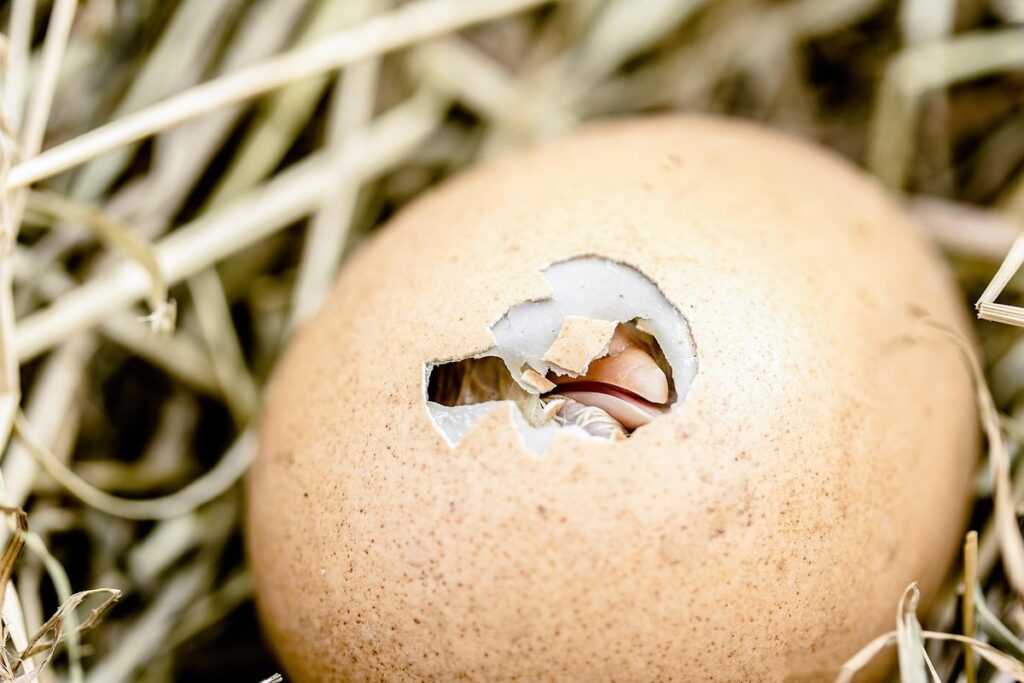
Common Issues Before and After Hatching
As you prepare for hatching day, it’s essential to know what potential issues may arise before and after those precious eggs start pecking at the light. Let’s dive into some common challenges.
Signs of Incubator Problems
Identifying potential issues with the incubator is crucial to ensuring healthy chicks. Temperature fluctuations and humidity imbalances are common problems that can significantly affect hatch rates.
A temperature range of 99.5°F to 100.5°F (37.7°C to 38°C) is ideal for hatching, but variations within this range can still impact the developing embryo. A sudden drop or rise in temperature can cause chicks to pip too early or too late, leading to respiratory issues and low hatch rates.
Humidity levels should be maintained between 50-60%. If humidity drops below 40%, eggs may dry out, while excessively high humidity (above 70%) can encourage mold growth. Monitor the incubator’s temperature and humidity gauges regularly and adjust settings as needed.
Be aware of unusual sounds or vibrations coming from the incubator, which could indicate issues with the heating element, fan, or motor. Regularly clean the incubator to prevent bacterial growth and ensure proper air circulation. By staying vigilant and making adjustments promptly, you can minimize the risk of incubator problems and increase your chances of a successful hatch.
Identifying Infertile Eggs
Identifying infertile eggs is crucial for determining whether an egg will hatch successfully. During candling, you may notice signs that indicate an egg is unlikely to produce a chick. One of the most obvious indicators is no embryonic development whatsoever – you won’t see any movement or signs of life inside the egg.
Another sign of infertile eggs is visible cracks, which can occur due to mishandling during transportation or storage. If you notice even small cracks, it’s best to err on the side of caution and discard the egg.
Blood spots are another common issue. These can appear as a small red dot or patch inside the egg. While sometimes harmless, blood spots often indicate that the embryo didn’t develop properly. In such cases, it’s better to dispose of the egg safely rather than risking contamination.
To handle infertile eggs, carefully place them in a sealed container or bag and then discard them in your regular trash. This will prevent any potential health risks associated with cracked or contaminated eggs. Remember, safe handling practices are essential for maintaining a healthy and disease-free flock.
Symptoms of Fading Chicks
As you carefully monitor your hatching process, you may notice some chicks showing signs of weakness or lethargy. This is often referred to as “fading,” and it’s a critical issue that requires immediate attention. Common reasons for chick fading include respiratory infections, hypothermia, or inadequate nutrition.
To identify these conditions early on, look out for symptoms such as labored breathing, ruffled feathers, or reluctance to move. If you notice any of these signs in your chicks, act quickly by providing a warm and humid environment to prevent further stress. Keep the brooder temperature between 90-95°F (32-35°C) and ensure good ventilation to reduce the risk of respiratory infections.
Another crucial factor is nutrition. Make sure you’re offering high-quality starter feed that’s specifically formulated for young chicks. Provide fresh water at all times, and consider supplementing with electrolyte-rich foods like crushed oyster shells or cuttlebone to help maintain their hydration levels. By recognizing these early warning signs and taking prompt action, you can significantly increase the chances of saving your affected chicks.
Troubleshooting During Hatching
As you carefully monitor your eggs on hatching day, it’s not uncommon for issues to arise – let’s dive into common problems that can occur during this critical time. We’ll tackle solutions together.
Delayed or Stuck Hatch
Delayed hatching is often a sign of something amiss in your incubation setup. One common culprit is temperature fluctuations, which can cause chicks to stall or even die in the shell. Aim for a stable temperature between 99°F and 100°F (37°C to 38°C) during the last stages of incubation. Even minor variations can affect the chick’s development.
Humidity levels also play a crucial role, especially during hatching. A drop in humidity can cause the membranes around the beak to dry out, making it harder for the chick to pip and break free. Monitor your humidity gauge closely, maintaining a level between 50% and 60%.
Poor egg quality is another factor that might lead to delayed or stuck hatching. If you’re using store-bought eggs, check their internal temperature before incubation – it should be around 99°F (37°C). Freshness matters, too; use eggs within 7-10 days of laying for best results.
To prevent these issues, maintain a stable environment by minimizing disruptions to your incubator. Monitor chick development closely during critical stages, like the final 48 hours before hatching, when temperature and humidity are most crucial.
Abnormal Pip or Zipping Sounds
As you wait for your chicks to hatch, it’s not uncommon to hear unusual sounds coming from the incubator. While a gentle “pip-pip” sound is usually a sign that a chick is about to emerge, other noises can indicate problems. One such issue is respiratory distress, which can cause a struggling or labored breathing sound.
Another concern is internal injuries, often resulting in loud zipping or hissing sounds as the chick tries to free itself from the shell. These situations require attention, but it’s essential not to intervene unless absolutely necessary.
If you suspect a respiratory problem, carefully observe the chick for signs of distress, such as rapid breathing or struggling to move. You can also check if the humidity level in the incubator is adequate, as this can exacerbate respiratory issues. If you do need to assist, gently mist the area with water to help loosen the eggshell.
However, internal injuries are usually irreparable and require immediate removal from the incubator to prevent further distress. In either case, prioritize caution and avoid intervening unless absolutely necessary, allowing the natural hatching process to unfold as much as possible.
Chick Emergence Issues
One of the most critical moments during hatching is when chicks emerge from their shells. However, difficulties can arise due to various reasons, such as membrane attachments. These are remnants of the chorion, a protective layer surrounding the embryo, that may still be attached to the chick’s legs or other parts of its body.
Another potential issue is related to eggshell strength. Weak eggs can cause chicks to struggle while breaking out, leading to injuries or even death. Maternal nutrition deficiencies during incubation can also affect the chick’s ability to emerge successfully.
To create a supportive environment and aid in successful hatch, it’s essential to maintain proper humidity levels and temperature control during hatching. Ensure that your incubator or brooder is at 90-95°F (32-35°C) with 50-60% relative humidity. This will help the chick’s beak break through the eggshell more easily.
Keep an eye on the chicks as they emerge, gently assisting them if needed to prevent injury. Gently pecking the eggshell around the vent area can also aid in breaking it open. By creating a supportive environment and providing proper care, you can help ensure that your chicks emerge healthy and strong.
Post-Hatch Care and Common Health Concerns
Once your chicks have hatched, it’s essential to provide proper care and attention to ensure their health and well-being. This includes recognizing common issues that may arise in the first few weeks of life.
First Aid for Newborn Chicks
When those precious eggs finally hatch, it’s essential to be prepared for the first moments with your newborn chicks. This is a critical period where attention to detail can make all the difference in their health and well-being.
First things first, drying off the chicks. Gently lift them from the incubator or hatcher and place them on a clean towel or paper-based material. You’ll want to focus on drying the vent area, wings, and tail feathers. A clean cloth or cotton ball can help gently pat dry these areas. Be cautious not to rub too hard, as this can cause irritation.
Next up is warming. Newborn chicks are unable to regulate their body temperature, so they need a bit of extra TLC. Place them in a brooder with a heat source (ideally around 90-100°F for the first week) and ensure there’s adequate ventilation. It’s also crucial to keep the brooder clean to prevent bacterial growth.
Lastly, feeding your newborn chicks is a delicate process. For the first few days, they’ll rely on their yolk sac for sustenance, but you can start offering a shallow dish of electrolyte-rich water within 24 hours. Once feathered, they’ll be ready for starter feed. Keep in mind that overfeeding at this stage can lead to digestive issues and other health problems.
Respiratory Issues in Newly Hatched Chicks
Newly hatched chicks are susceptible to various respiratory issues that can be devastating if left unchecked. Among these, pasty butt syndrome, coryza, and bronchitis are the most common problems you may encounter.
Pasty butt syndrome occurs when a chick’s droppings become stuck to its vent, causing dehydration and potentially life-threatening complications. To prevent this, ensure the brooder is kept at optimal temperatures (around 90-95°F) and maintain a clean environment by removing any debris or waste regularly. Monitor your chicks closely for signs of pasty butt syndrome, such as lethargy, labored breathing, or failure to move from their nest.
Early warning signs of respiratory issues like coryza include sneezing, coughing, and discharge around the eyes and beak. To create a healthy environment, ensure good ventilation in your brooder by providing adequate airflow and avoiding overcrowding. Keep the temperature consistent between 90-95°F for the first week and gradually decrease it as the chicks grow.
Keep an eye out for any signs of illness and provide supportive care immediately if you notice any symptoms. Provide a humidifier to help ease congestion, offer electrolyte-rich foods or supplements, and maintain strict cleanliness in the brooder area. Consult your veterinarian for advice on medication or further treatment if necessary.
Nutrition and Weight Gain Concerns
Adequate nutrition is crucial for young chicks to achieve rapid growth and weight gain. Chicks need a balanced diet that includes essential nutrients like protein, calcium, phosphorus, and vitamins A, D, and E. Without these nutrients, they may develop stunted growth, softening of the bones (rickets), or other health problems.
Common nutritional deficiencies in young chicks include inadequate protein intake, which can lead to poor feather development, weakened immune systems, and stunted growth. Chicks also require adequate calcium and phosphorus for strong bone development. Without sufficient calcium, they may develop leg weakness or deformities.
If you suspect that your chicks are not receiving a balanced diet, check their feed and make sure it’s specifically formulated for young birds. You can also supplement with crushed oyster shells to provide additional calcium. Additionally, ensure access to fresh water at all times to prevent dehydration. Monitor your chicks’ growth and health closely, and seek veterinary advice if you notice any signs of nutritional deficiencies or related health problems.
Long-Term Health Challenges
As you navigate the ups and downs of raising your new chicks, it’s essential to be aware of long-term health challenges that may arise, such as respiratory issues or nutrient deficiencies. These problems can be costly if left unchecked.
Beak Trimming and Feather Pecking Disorders
Beak Trimming and Feather Pecking Disorders can be distressing for any backyard chicken owner. These conditions often arise due to inadequate nutrition, stress, or lack of stimulation. Beak trimming is usually required when the chick’s beak has grown too long, causing discomfort while eating and drinking. On the other hand, feather pecking occurs when birds peck at each other’s feathers due to boredom, stress, or competition for resources.
To identify these issues early on, monitor your chicks’ behavior closely. Look out for signs such as uneven beak growth, excessive feather loss, or changes in appetite. For prevention, provide a balanced and nutritious diet rich in calcium and protein, which will promote healthy beak growth. Offer an assortment of toys and activities to keep them stimulated and engaged.
To manage Beak Trimming and Feather Pecking Disorders effectively:
* Trim your chicks’ beaks only when necessary, as excessive trimming can lead to infection or pain.
* Provide adequate space for exercise and social interaction among birds.
* Rotate toys regularly to maintain novelty and excitement.
* Ensure a stress-free environment by maintaining a consistent daily routine.
Nutritional Deficiencies and Obesity
As you care for your newly hatched chicks, it’s essential to ensure they receive a well-balanced diet to prevent nutritional deficiencies and excesses. Vitamin D3 deficiency is common in young birds, as it’s crucial for calcium absorption and bone growth. A lack of vitamin D3 can lead to softening of the bones, or rickets, which can be debilitating and even fatal.
To avoid this issue, provide your chicks with a high-quality starter feed that contains adequate amounts of vitamin D3. You can also supplement their diet with calcium-rich foods like crushed eggshells or dark leafy greens. However, overfeeding can lead to obesity in growing chicks, making them more susceptible to health problems.
Be mindful of the feeding schedule and stick to recommended guidelines to avoid overfeeding. A general rule of thumb is to provide 20-25% protein content for starter feed, gradually decreasing it as your chicks mature. Monitor their growth and adjust their diet accordingly to ensure optimal health and well-being.
Prevention is Key: Tips for Reducing Troubleshooting
By implementing these prevention tips, you’ll be able to reduce the stress of hatching day and increase your chances of raising healthy chicks from the start. It all begins with a solid foundation.
Optimal Incubation Environment
When it comes to hatching day troubleshooting, maintaining an optimal incubation environment is crucial for successful hatching and healthy chick development. This means paying close attention to three critical factors: precise temperature control, adequate ventilation, and humidity levels.
Temperature control is the most critical aspect of incubation. A consistent temperature between 99-100°F (37-38°C) is essential for normal embryonic development. Even slight deviations from this range can lead to issues such as delayed hatching or weak chicks. To achieve precise temperature control, use a reliable thermometer and adjust your incubator’s settings accordingly.
Adequate ventilation is also vital to remove excess moisture and prevent the buildup of carbon dioxide. Ensure that your incubator has adequate airflow by checking the ventilation system regularly. A general rule of thumb is to provide 1-2 inches (2.5-5 cm) of space between the eggs and the incubator’s walls for air circulation.
Maintaining optimal humidity levels is equally important. Aim for a relative humidity of 50-60% during the first 18 days and then reduce it to around 30-40% for the remaining time. This will help prevent dehydration in the embryos while allowing them to absorb excess moisture as needed.
Proper Handling and Sanitation Practices
When transferring eggs from one location to another, it’s crucial to handle them carefully to prevent any potential damage that could compromise their development. Eggs are fragile and can be easily cracked, which can lead to bacterial contamination and affect the hatching process. To minimize this risk, gently pick up eggs by supporting their long axis, rather than their rounded ends, where the shell is thinner.
Maintaining a clean and hygienic incubator environment is equally important. This includes regular cleaning and disinfection of equipment and surfaces, as well as proper waste management to prevent bacterial buildup. Aim for a routine that involves daily cleaning of any visible debris or spills, followed by a weekly deep clean with gentle soap and water. Disinfect high-touch areas such as the incubator’s controls, shelves, and other surfaces using a solution specifically designed for this purpose.
When it comes to disinfection, focus on removing all organic matter first before applying any cleaning products. Use a 1:10 dilution ratio of bleach to water for a general-purpose cleaning agent or opt for an alternative sanitizer like hydrogen peroxide if you prefer a gentler approach. Always rinse surfaces thoroughly with clean water after disinfecting to prevent residue buildup.
Clean air quality is also essential in maintaining a healthy incubation environment. Ensure that your ventilation system is working efficiently, and consider investing in a HEPA air purifier to remove airborne bacteria and dust particles.
Frequently Asked Questions
What if I suspect a problem with my incubator, but I’m not sure where to start troubleshooting?
If you’re experiencing issues with your incubator, begin by checking the temperature and humidity levels. Ensure that the thermometer is calibrated correctly and placed accurately within the incubator. Consult your user manual for troubleshooting guides specific to your model.
Can I use a homemade incubation setup instead of purchasing a commercial one?
While it’s possible to create a DIY incubator, it’s essential to note that commercial incubators are designed with precise temperature and humidity control in mind. Homemade setups can be unpredictable, which may lead to inconsistent hatch rates or chick health issues.
How do I handle chicks that are slow to emerge after pipping, but show no signs of distress?
Yes, some chicks naturally take longer to pip and emerge from their shells due to the shape or size of the egg. As long as they appear healthy and active, it’s best to give them time without intervening. However, closely monitor their behavior, and if you notice any signs of distress or slow movement, seek advice from a veterinarian.
What should I do with unviable eggs that don’t hatch, even after extending the incubation period?
No, it’s not recommended to continue incubating an egg beyond 28 days. At this point, the embryo has likely stopped developing. Dispose of unviable eggs properly and maintain a clean environment for healthy eggs.
How can I prioritize chick health during hatching day, when everything seems to be going smoothly?
Prioritize maintaining optimal incubation conditions (temperature between 99.5°F to 100.5°F, humidity around 50-60%), ensuring proper ventilation within the incubator, and keeping a clean environment free from contamination. Regularly inspect your chicks for any signs of distress or illness.