
If you’re like many backyard duck enthusiasts, there’s nothing quite as thrilling as watching a precious duck egg hatch. But have you ever wondered what happens inside that egg before it cracks open? From the initial fertilization to the delicate process of embryonic development, every stage is crucial for successful hatching. Creating the right environment and providing proper care are essential for your ducklings to thrive after they emerge from their shells. In this article, we’ll take you through the miraculous process of duck egg hatching, covering everything from preparing the nesting box to addressing common issues that may arise during this critical time. With expert tips and guidance, you’ll be well-equipped to welcome new additions to your backyard flock with confidence and care.
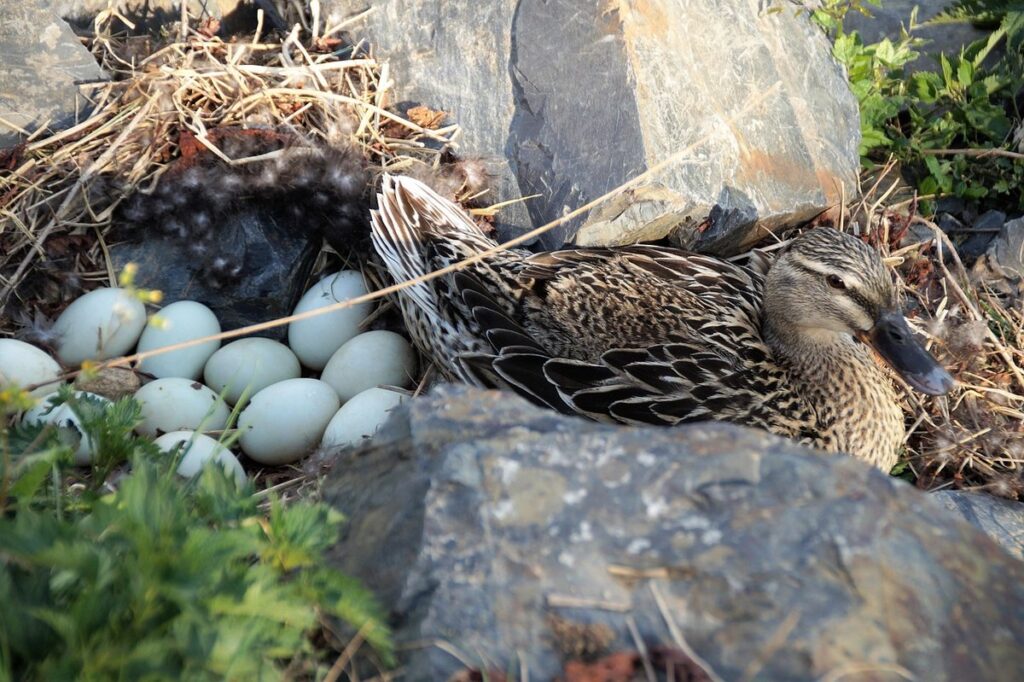
Understanding Duck Egg Development
As duck eggs incubate, it’s essential to understand how they develop and what factors contribute to a healthy hatch. This section breaks down the intricate process of embryonic growth.
Embryonic Stages and Incubation Period
As we delve into the wonders of duck egg development, it’s essential to understand the various stages that take place within those tiny, oval wonders. The journey begins with the morula stage, where the embryo is still a cluster of cells and hasn’t yet started to differentiate. This stage occurs around 5-6 days after fertilization.
As the morula stage progresses, we see the formation of the blastoderm, which is essentially a disc-shaped structure that will eventually give rise to the duckling’s organs and tissues. This crucial step happens around 7-8 days post-fertilization.
At this point, you might be wondering how long it takes for these tiny embryos to develop into fully formed ducklings. The incubation period for duck eggs typically lasts around 28 days, with the first signs of hatching occurring around day 26. However, factors such as temperature, humidity, and even the breed of duck can affect this timeline.
To ensure a healthy incubation process, make sure to maintain a consistent environment within your brooder or incubator. This includes keeping the temperature at around 99°F (37°C) for the first 24 days, followed by a slight decrease to around 98°F (36°C) for the remaining four days.
Environmental Factors Influencing Hatching Success
Creating an ideal environment for duck eggs to hatch requires attention to three crucial factors: temperature, humidity, and turning. Temperature plays a significant role in the hatching process. A consistent temperature between 99°F (37°C) and 100°F (38°C) is essential for successful hatching.
Maintaining proper humidity levels is equally important. The incubator should maintain a relative humidity of around 50-60%. This range allows for optimal moisture levels, preventing both dehydration and fungal growth.
Turning the eggs regularly is also vital for even development. A gentle turn every hour or two helps prevent the embryo from adhering to one side of the eggshell. Automated turners can simplify this process and minimize human error.
When creating a suitable environment, it’s essential to choose an incubator that suits your needs. Some models come with built-in temperature control, while others require manual adjustments. Ensure you understand how to use your chosen incubator to avoid any mistakes that might affect hatching success. Regularly monitoring temperature and humidity levels will also help you maintain an optimal environment for successful duck egg hatching.
Choosing Healthy Duck Eggs for Hatching
When selecting duck eggs for hatching, it’s essential to choose ones that are fresh and show clear signs of fertility. Check the egg yolk and white for any visible damage or abnormalities.
Evaluating Egg Quality and Fertility
When it comes to choosing healthy duck eggs for hatching, evaluating egg quality is a crucial step. To do this effectively, you’ll want to consider three key factors: appearance, weight, and cleanliness.
Start by giving the egg a good look-over. A high-quality duck egg should have a clean, smooth shell with no visible cracks or chips. The color may vary depending on the breed, but it should be even and consistent. Check for any signs of damage to the shell, such as dents or scratches, which can compromise the integrity of the egg.
Next, pick up the egg and give it a gentle weight check. A healthy duck egg should feel substantial and heavy, but not overly so. If it feels too light or too dense, it may be an indication of low fertility or poor quality.
Candling is another effective method for determining fertility. This involves shining a bright light through the egg to see if you can detect any signs of development, such as the presence of a heartbeat or blood vessels. This process requires some practice, but with patience and persistence, you’ll be able to gauge the viability of your duck eggs in no time.
It’s worth noting that fertility rates can vary depending on factors like breed, nutrition, and environmental conditions. To get an accurate picture of fertility, it’s a good idea to keep track of your egg-laying hens’ reproductive cycles and observe any patterns or trends that emerge. By combining these methods with regular observation and record-keeping, you’ll be well-equipped to make informed decisions about which eggs to incubate for optimal results.
Selecting the Right Breed for Beginners
When it comes to selecting the right breed for backyard hatching, there are many factors to consider. Temperament is a crucial aspect, as you’ll want ducks that are friendly and docile around people. Some popular breeds for beginners include Khaki Campbells, which are known for their gentle nature and high egg production.
Size is also an important consideration, as you’ll want ducks that fit comfortably in your backyard space. Bantam ducks, such as the Silver Appleyard, are a great option for small spaces, while larger breeds like Muscovy or Pekin can thrive in larger areas.
Egg-laying capacity is another key factor to consider, especially if you plan on collecting eggs regularly. Khaki Campbells and Silver Appleyards are known to lay around 200-300 eggs per year, making them ideal for small-scale egg production.
Ultimately, the best breed for you will depend on your individual circumstances and preferences. Research different breeds, read reviews from other backyard duck owners, and consider factors like noise level, messiness, and feather maintenance before making a decision.
Preparing the Incubator and Hatchery
Before we get started on the actual incubation process, it’s crucial to prepare a clean and safe environment for your duck eggs to hatch. This section will walk you through setting up your incubator and hatchery.
Setting Up a Homemade or Commercial Incubator
Setting up an incubator is a crucial step in ensuring that your duck eggs hatch successfully. The first thing to consider is temperature control, as it plays a vital role in the development of the embryo. Most modern incubators come with automatic temperature control systems, which maintain a consistent temperature within 1-2 degrees Fahrenheit. However, if you’re setting up a homemade or commercial incubator from scratch, you’ll need to ensure that your temperature control system is accurate and reliable.
A good turning mechanism is also essential for even egg development. Some incubators come with automated turning systems, while others require manual turning every 12-24 hours. Regardless of the type of incubator, it’s essential to turn the eggs regularly to prevent sticking and promote even air cell formation. Monitoring systems are another critical component of an incubator setup. These can include humidity sensors, temperature gauges, and egg weight monitoring devices that help you track the progress of your duck eggs.
When setting up your incubator, consider investing in a data logger or thermometer probe to ensure accurate temperature readings. You should also calibrate your turning mechanism and monitoring systems regularly to prevent any issues during the hatching process.
Creating a Safe and Sanitary Hatchery Environment
Creating a safe and sanitary hatchery environment is crucial for successful duck egg hatching. Before you start incubating your precious eggs, make sure you have a clean and well-ventilated area dedicated to the process. This means regularly disinfecting all surfaces with a solution of 1 part bleach to 10 parts water, paying particular attention to areas around feeders, drinkers, and nesting boxes.
Good ventilation is also essential to prevent the buildup of ammonia from droppings and moisture. Install a reliable ventilation system that can exchange the air at least five times per hour. This will not only keep your birds healthy but also reduce odors and pests. As for equipment needs, you’ll require a reliable thermometer, hygrometer, and egg turner to ensure precise temperature control (around 99-100°F) and humidity levels (50-60%).
Remember, cleanliness is key when it comes to incubation success. Set aside time each day to clean up after your birds, including removing soiled bedding, disinfecting equipment, and restocking feeders. By establishing a strict cleaning routine, you’ll be well on your way to creating a safe and sanitary hatchery environment that will support the miracle of duck eggs hatching.
Monitoring and Managing Duck Egg Hatching
Now that you’ve successfully hatched your duck eggs, it’s time to monitor their progress and ensure a healthy start for your new ducklings. This crucial stage requires attention to temperature, humidity, and movement.
Recognizing Signs of Fertility and Development
Monitoring and managing duck egg hatching involves recognizing early signs of fertility and embryonic development. One key indicator is the air cell, which can be detected using a non-invasive technique like candling. A healthy air cell will appear as a dark spot with a clear outline, while an infertile egg or one that has not developed properly will have no visible air sac.
As the embryo develops, it forms a yolk sac, also known as the chalaza, which can be seen as a white or opaque mass attached to the shell membrane. The size and shape of the yolk sac provide insight into embryonic development; for example, its appearance can indicate whether the embryo is experiencing difficulties with growth.
To recognize these signs, it’s essential to observe your eggs closely during the first few days after incubation begins. Keep in mind that a slight delay in development does not necessarily mean an egg will never hatch successfully. Look for consistency and overall health when evaluating embryonic development.
Addressing Common Issues During Incubation
As you carefully monitor and manage the incubation process, it’s essential to be aware of common issues that may arise. Humidity fluctuations can be a significant problem, as duck eggs require a consistent level of moisture to develop properly. If the humidity drops too low, the egg may not hatch successfully, while excessively high humidity can lead to mold growth.
Temperature drops are another critical issue during incubation. Even small fluctuations in temperature can affect the embryo’s development and potentially cause it to die. To avoid this, make sure your incubator is calibrated correctly and maintain a consistent temperature between 99°F and 100°F (37°C to 38°C).
Fungal growth can also occur if the incubation environment becomes too humid or contaminated with bacteria. Regular cleaning of the incubator and maintaining good ventilation can help prevent fungal growth. In addition, monitor your eggs regularly for any signs of mold or mildew.
By being vigilant and addressing these common issues promptly, you’ll increase the chances of successful hatching and enjoy the miracle of watching ducklings emerge from their eggs.
Hatching Day: Preparing for Success
As we approach hatching day, it’s essential to ensure your duck eggs are prepared for a smooth and healthy transition into their new life outside the shell. This section will guide you through critical preparations for a successful hatch.
Recognizing Hatching Signs and Timing
Recognizing hatching signs is crucial to ensuring a safe and successful duck egg hatch. As you observe the egg closely, keep an eye out for these key indicators:
Pip marking: A small puncture or crater appears on the shell as the chick starts breaking through. This usually occurs around 24-48 hours before full pip.
Beak emergence: You might notice a tiny beak or nostril visible through the pip, indicating the chick’s progress. Be careful not to disturb the egg at this stage, as it can lead to injury or even abandonment of the nest.
Full pip: When the pip has grown significantly, and you can see the outline of the chick’s head and shoulders, it’s a sign that hatching is imminent – usually within 12-24 hours. At this point, be prepared for the chick to break free from the shell soon.
Keep in mind that every duck egg hatch is unique, so patience and vigilance are essential. Observe your eggs closely, and don’t hesitate to seek advice if you’re unsure about any aspect of the process.
Post-Hatch Care and Raising Ducklings
Now that you’ve welcomed these adorable ducklings into the world, it’s time to focus on their post-hatch care and raising. The first few weeks are crucial for their development, so make sure you’re providing them with a safe, nurturing environment.
Start by setting up a brooder specifically designed for ducklings – a warm, draft-free space with adequate ventilation. Maintain a temperature range of 90-95°F (32-35°C) during the first week and gradually decrease it to around 70-75°F (21-24°C) as they grow.
Supply your ducklings with high-quality starter feed, formulated for their specific needs, and ensure access to clean water at all times. A shallow dish or pool is ideal for bathing and keeping them hydrated. Monitor their health closely and be prepared to intervene in case of any issues.
Remember, the initial weeks are also an excellent opportunity to imprint your ducklings on you. Handle them gently but frequently to help them become tame and trusting. Be patient and attentive, as proper care during this period will set the stage for a healthy, thriving adult duck.
Tips for Successful Backyard Duck Keeping
If you’re considering bringing a few feathered friends into your backyard, here are some essential tips to ensure a thriving and enjoyable duck-keeping experience. A little planning upfront can make all the difference!
Providing a Suitable Environment for Growing Ducks
When you finally see those duck eggs hatching into adorable ducklings, it’s essential to provide them with an environment that fosters their growth and development. A suitable shelter is the first step towards a happy and healthy flock. Ensure the coop has adequate ventilation and insulation to regulate temperatures and keep predators out.
Ducks require access to clean water for drinking and swimming. Install a reliable watering system, such as a trough or fountain, and maintain it regularly to prevent contamination. You’ll also need to provide a shallow pool of water (about 2-3 inches deep) where your ducklings can bathe and exercise.
In terms of feeding, you should offer a balanced commercial starter feed specifically formulated for young ducks. Supplement this with fresh veggies and fruits like leafy greens, berries, and vegetables. Limit the amount of protein-rich foods, as excessive consumption can lead to health problems.
Lastly, introduce your ducklings to their new environment gradually, allowing them to adjust to their surroundings without stress. By providing a nurturing environment, you’ll set the stage for successful growth and development in your feathered friends.
Managing Health Issues in Backyard Flocks
As you embark on the journey of raising backyard ducks, it’s essential to acknowledge that these birds can be prone to certain health issues. Managing health issues in your flock is crucial for their well-being and productivity. Regularly inspecting your ducks’ living environment can help prevent problems like respiratory infections, mites, and lice.
A clean coop with adequate ventilation is vital to maintaining a healthy flock. Remove any debris or droppings regularly, and ensure good airflow by installing windows or vents. This will help reduce the risk of disease-carrying bacteria and parasites.
Monitor your ducks’ behavior and watch for signs of illness such as lethargy, labored breathing, or changes in appetite. If you notice any unusual symptoms, consult with a veterinarian experienced in treating waterfowl.
To maintain optimal health, also focus on providing a balanced diet that includes a mix of grains, fruits, and vegetables. Fresh water should always be available, and a clean source for drinking is essential to prevent bacterial contamination.
Conclusion: The Rewarding Experience of Duck Egg Hatching
As we’ve witnessed the incredible journey of duck eggs hatching, now it’s time to reflect on the rewarding experience that comes with watching these tiny miracles unfold. This final section wraps up our exploration of the process.
Recapitulating the Hatching Process and Challenges
Now that you’ve successfully guided your duck eggs through the incubation process and they’re finally hatching, it’s essential to recapitulate the entire process. This will help solidify the knowledge you’ve gained and prepare you for future endeavors.
The journey of duck egg hatching begins with selecting high-quality eggs from a reputable breeder or supplier. These eggs should be clean, dry, and have no visible cracks. Next, it’s crucial to store them in a cool, dark place until they’re ready for incubation. Once you’ve transferred the eggs to your incubator, ensure that the temperature is maintained between 99°F and 100°F (37°C to 38°C) and humidity levels are around 50-60%.
During this period, it’s vital to monitor temperature fluctuations and maintain proper ventilation in your incubator. You should also keep an eye out for any signs of infection or stress, which can impact the hatching process.
Once you reach day 28 (for most duck breeds), it’s time to prepare your eggs for hatching. Gently move them from the turner to a tray or basket, where they’ll rest until pipping occurs. Be aware that some duck breeds may take longer than others to hatch. It’s also common for ducks to experience complications such as crossed beaks or delayed hatching.
Common challenges faced by beginners include temperature fluctuations, improper incubator maintenance, and inadequate egg handling. To avoid these pitfalls, it’s essential to research the specific needs of your breed and invest in a reliable incubator. Additionally, practice makes perfect – don’t be discouraged if you experience setbacks along the way.
Frequently Asked Questions
How Long Does It Take to See Signs of Fertilization in a Duck Egg?
It’s essential to wait at least 7-10 days after incubation begins to observe signs of fertilization. Before this period, it’s normal for eggs to appear dormant or unresponsive. Look for the formation of air cells and the appearance of veins on the egg white.
What If I Notice a Delay in Egg Development? Should I Intervene?
Don’t panic if you notice delays in egg development! Factors like temperature fluctuations, humidity levels, or stress can impact progress. However, unless extreme conditions prevail (e.g., prolonged incubator malfunctions), it’s usually best to let nature take its course.
Can I Hatch Duck Eggs Using a Regular Oven or Microwave?
While creative solutions are often discussed online, using conventional ovens or microwaves for hatching duck eggs is not recommended. These methods lack precise temperature control and air circulation, which can cause uneven heating, poor ventilation, and reduced hatch rates.
How Do I Store Duck Eggs Before Incubation to Ensure Fertility?
Proper storage before incubation is crucial! Keep eggs in a cool, dry place (around 50-60°F or 10-15°C) with moderate humidity. Avoid storing them near strong-smelling substances, as these can affect fertility.
What Are Common Causes of Failed Hatches and How Can I Prevent Them?
The most common reasons for failed hatches include poor incubation conditions, incorrect temperature settings, inadequate turning, and bacterial contamination. To minimize risks, ensure precise temperature control (99-100°F or 37-38°C), maintain a clean environment, and follow recommended turning schedules.