
Are you ready to join the ranks of backyard farmers who successfully hatch their own goslings? With the right guidance, you can bring new life into your yard and enjoy the rewards of raising geese from egg to adulthood. Hatching goose eggs at home requires careful consideration of breed selection, as different types have varying incubation periods and care requirements.
In this step-by-step guide, we’ll walk you through the process of hatching goose eggs in your own backyard. From selecting the right breed to successfully incubating eggs and caring for your new goslings, we’ve got you covered. Whether you’re a seasoned farmer or just starting out, our comprehensive guide will provide you with all the information you need to raise healthy, thriving geese.
Choosing the Right Breeds for Backyard Hatching
When deciding which breeds are best suited for backyard hatching, consider factors such as climate, available space, and desired egg production. This will help you choose breeds that thrive in your specific environment.
Factors to Consider When Selecting a Breed
When selecting a breed for backyard hatching, it’s essential to consider several key factors. First and foremost, think about egg-laying capacity. Some breeds are prolific layers, producing up to 100 eggs per year, while others may lay only 20-30 eggs annually. If you’re planning to hatch multiple broods, choose a breed with a high egg production.
Temperament is also crucial. Goslings require human interaction and socialization from an early age, so a friendly and docile breed is ideal for beginners. Avoid breeds known for their aggression or territorial behavior. Adaptability is another vital factor. Consider the climate and space constraints of your backyard before choosing a breed that thrives in extreme temperatures or requires extensive roaming.
Some popular breeds suitable for beginners include Embden, Toulouse, and Sebastopol geese. These breeds are known for their gentle nature, high egg production, and relatively low maintenance requirements. However, always research the specific needs and characteristics of a breed before making a decision. By choosing a breed that fits your lifestyle and resources, you’ll be well on your way to raising happy and healthy goslings at home.
Understanding Goose Egg Laying Habits
When it comes to choosing breeds for backyard hatching, understanding goose egg laying habits is crucial. Unlike chickens, geese have distinct breeding seasons and patterns of egg production. In most temperate climates, geese typically begin laying eggs in late spring or early summer, with peak production occurring between May and July.
On average, a healthy adult goose will lay around 10-15 eggs per year, although some breeds can produce up to 20 eggs annually. Factors such as genetics, nutrition, and environmental conditions all influence egg-laying capacity. For example, Muscovy geese are known for their prolific breeding habits and high egg production, while Toulouse geese tend to lay fewer eggs but have a more consistent rate of production.
It’s essential to research the specific breed you’re interested in hatching and understand its average egg-laying capacity. This will help you plan accordingly and make informed decisions about your backyard flock’s needs. Keep in mind that some breeds are better suited for small-scale backyard flocks, while others require more space and resources.
Preparing Your Home for Gosling Arrival
Before bringing home those adorable goslings, you need to prepare a safe and suitable environment, including setting up their enclosure, providing adequate space, and stockpiling essential supplies. This section covers all the must-haves for your new feathered friends.
Creating a Safe and Healthy Environment
Creating a safe and healthy environment for your goslings is crucial for their growth and development. Before they arrive, ensure that their enclosure is ready to meet their needs. The ideal housing for goslings should provide enough space for them to move around comfortably, with adequate ventilation to prevent the buildup of ammonia from their droppings.
Aim for a minimum floor area of 2-3 square feet per gosling, and consider a larger enclosure as they grow. Divide the space into sections for feeding, brooding, and sanitation to maintain hygiene. Install nesting boxes or perches for adults to roost on, keeping them elevated from the goslings’ area.
Proper ventilation is also essential; ensure that windows are open during warm weather, and consider installing a fan for improved airflow. Maintain cleanliness by removing droppings daily and disinfecting feeding and watering equipment regularly. Implement this strict sanitation routine before bringing home your goslings to prevent the risk of disease transmission.
Essential Equipment and Supplies Needed
To welcome healthy and happy goslings into your home, you’ll need to prepare their environment with essential equipment and supplies. When it comes to feeding, you’ll require a sturdy feeder that’s easy for the goslings to access. A hanging feeder is ideal as it reduces waste and keeps the area clean. You’ll also need a waterer that provides fresh water at all times – consider an automated waterer to minimize daily maintenance.
A brooder will be your goslings’ temporary home, providing a safe space for them to grow and develop. Choose one with adequate ventilation and a heat source, such as a lamp or heat plate, to maintain a stable temperature. A thermometer is crucial in monitoring the brooder’s temperature – aim for 90-100°F (32-38°C) during the first week.
In addition to these basics, veterinary care will be essential for your goslings’ health. Research local vets experienced in caring for waterfowl and maintain a list of emergency contact numbers. Keep a first aid kit on hand, including items such as antibiotic ointment, tweezers, and a syringe for administering medication.
Remember to also have a supply of bedding material like straw or pine shavings to line the brooder and prevent ammonia buildup. With these essential equipment and supplies in place, you’ll be well-prepared to care for your goslings’ every need.
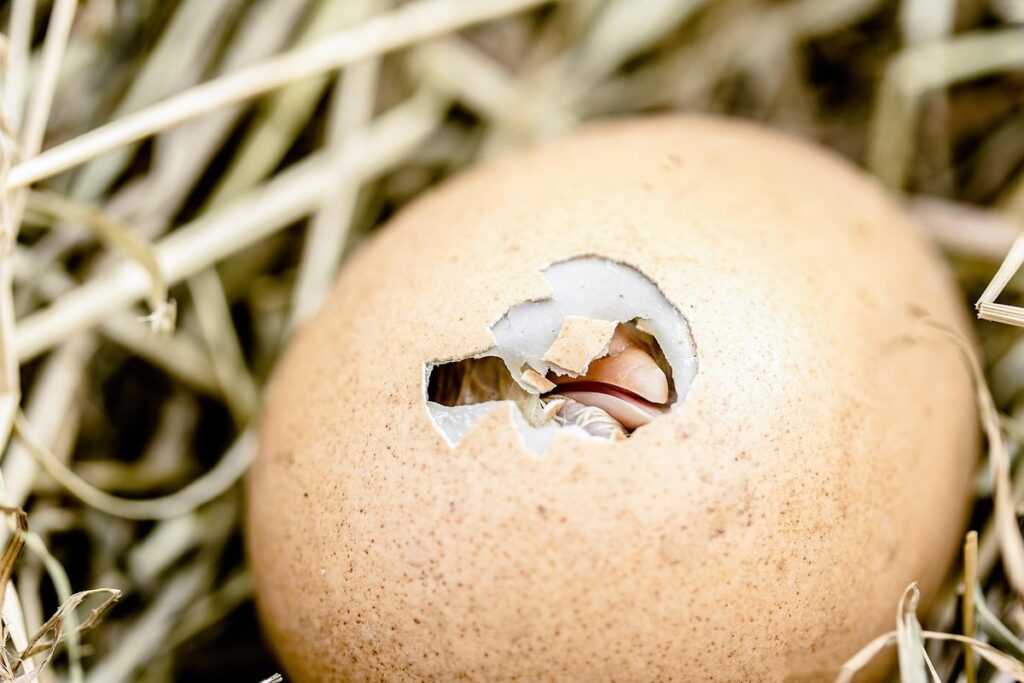
Hatching Goose Eggs: The Process Explained
Now that you’ve successfully incubated your goose eggs, let’s move on to the exciting part – hatching! This process requires a gentle touch and careful observation.
Choosing the Right Incubation Method
When it comes to hatching goose eggs at home, choosing the right incubation method is crucial for successful gosling development. There are several options available, each with its own set of advantages and disadvantages.
Still-air incubators are a popular choice among backyard poultry enthusiasts. They work on the principle of maintaining a consistent temperature and humidity level within the incubator using natural convection currents. This type of incubator is relatively inexpensive to purchase and can be used for both goose and duck eggs. However, they require frequent monitoring and may not maintain uniform temperatures throughout.
Forced-draft incubators, on the other hand, use a fan to circulate warm air within the incubator, ensuring consistent temperature and humidity levels. This method is more expensive than still-air incubators but provides greater accuracy in temperature control, which can improve gosling development rates. Hatching cabinets are also available, often combining features of both still-air and forced-draft incubators.
When selecting an incubation method, consider your budget, the size of your operation, and your level of comfort with technology. Research each option thoroughly to determine which one best suits your needs.
Monitoring Temperature and Humidity Levels
Maintaining accurate temperature and humidity levels is crucial during the incubation period to ensure that your goose eggs hatch successfully. A temperature fluctuation of just 1-2°C can be detrimental to the developing embryo, while inconsistent humidity can cause issues with eggshell development.
To monitor these levels effectively, you’ll need a reliable thermometer and hygrometer specifically designed for incubation use. These tools will allow you to track temperatures between 99°F (37°C) and 100°F (38°C), which is ideal for goose eggs. For humidity, maintain a level of around 50-60% relative humidity during the first 28 days.
Check your thermometer and hygrometer regularly, ideally every hour or two, to ensure that they’re calibrated correctly. You can also invest in an incubation cabinet with built-in temperature control to make monitoring easier. By closely monitoring these levels, you’ll increase your chances of successful hatching and give your goslings a strong start in life.
Gosling Care: Nutrition, Hygiene, and Health Check
Now that your goslings have hatched, it’s essential to prioritize their nutrition, maintain good hygiene, and schedule regular health checks to ensure they thrive under your care. Proper attention in these areas is crucial for happy, healthy development.
Nutritional Requirements for Growing Goslings
When it comes to feeding your growing goslings, providing them with the right nutrients is crucial for their development and overall health. Goslings need a diet rich in protein, calcium, and vitamins A and D to support healthy growth.
A good quality starter feed should be formulated specifically for waterfowl and contain at least 20% protein. You can offer starter feed ad-lib, but make sure to provide fresh water at all times. It’s also essential to supplement their diet with a source of calcium, such as crushed oyster shells or cuttlebone, to support strong bone growth.
As goslings grow and mature, you’ll need to introduce new types of feed into their diet. At around 6-8 weeks old, start introducing a grower feed that contains slightly less protein than the starter feed. You can also offer leafy greens such as kale and spinach as treats, but make sure not to overdo it – goslings have sensitive digestive systems.
Remember to monitor your goslings’ weight and adjust their diet accordingly. A general rule of thumb is to provide 2-3% of their body weight in feed per day. With proper nutrition and care, your growing goslings will thrive and grow into healthy, happy geese.
Maintaining Good Hygiene Practices
Maintaining good hygiene practices is crucial when caring for goslings to prevent the spread of diseases and keep them healthy. One of the most critical areas to focus on is cleaning their living environment. Goslings can easily pick up bacteria and pathogens from contaminated surfaces, which can lead to infections.
To maintain a clean living area, start by washing all feeders and water containers regularly with soap and warm water. Rinse thoroughly and dry completely before refilling them with fresh food and water. It’s also essential to disinfect the goslings’ brooder or enclosure at least once a week. Use a pet-safe disinfectant and follow the manufacturer’s instructions.
Don’t forget about your hands! Wash them frequently, especially after handling feeders, water containers, or the goslings themselves. This will help prevent the transfer of bacteria and pathogens to the goslings. By following these simple hygiene practices, you’ll create a clean and healthy environment for your goslings to thrive in.
Keep their living area free from manure and uneaten food by removing soiled bedding regularly and replacing it with fresh material. This will help reduce odors and prevent pest infestations. Remember, maintaining good hygiene is an ongoing process that requires attention and effort, but the payoff is well worth it – happy and healthy goslings!
Common Challenges Faced by Backyard Goose Keepers
While raising happy and healthy goslings is rewarding, backyard goose keepers often encounter common challenges that can be frustrating to navigate. Let’s explore some of these obstacles together.
Identifying and Managing Common Health Issues
As a backyard goose keeper, it’s essential to be aware of common health issues that can affect your feathered friends. Respiratory problems are one of the most prevalent issues faced by geese, especially during cold weather and drafty areas. You may notice symptoms such as coughing, wheezing, or labored breathing in your geese.
Parasites like mites, lice, and ticks can also infest your geese, causing discomfort and skin irritation. Regular checks for these pests and prompt treatment with over-the-counter medications or consulting a veterinarian are crucial to prevent infestation.
Bacterial infections like Avian Chlamydophila psittaci (Psittacosis) and E. coli are another concern in backyard flocks. These bacteria can be transmitted through contaminated water, feed, or direct contact between geese.
To identify these issues early on, keep an eye out for changes in your geese’s behavior, appetite, and droppings. Consult a veterinarian if you notice any unusual symptoms to get your flock treated promptly.
Handling Gosling Emergencies and Accidents
Handling emergencies and accidents is an unfortunate reality of raising goslings at home. But don’t worry, with a solid emergency plan in place, you’ll be better equipped to handle unexpected situations. First and foremost, have a backup power source for your brooder, such as a portable generator or a battery-powered option. This will ensure that the temperature inside the brooder remains stable during a power outage.
In case of a malfunction, inspect the heating element and thermostat regularly to prevent overheating or underheating issues. Also, keep a thermometer handy to monitor the temperature at all times. If you do experience a malfunction, act quickly by switching off the power source and relocating the goslings to a safe area with adequate ventilation.
As for accidents, be prepared for unexpected events like a gosling escaping from its enclosure or getting injured. Keep a first-aid kit on hand and have a plan in place for containment and rehabilitation if needed. Remember, prevention is key: ensure that your goslings’ living space is escape-proof and secure to prevent accidents from happening in the first place.
Integrating Your New Goslings into Your Family
Now that you’ve successfully hatched your goose eggs, it’s time to introduce your adorable goslings to their new family environment and start teaching them essential behaviors. This section will guide you through a smooth transition for both humans and birds.
Teaching Children How to Handle Goslings Safely
Teaching children how to handle goslings safely is an essential part of integrating them into your family. It’s crucial to instill good habits and respect for these young birds from the beginning. To start, teach your child the proper way to hold a gosling. Hold the bird gently but firmly around its wings and body, supporting its weight with one hand under its chest. Make sure not to pick up the gosling by its legs or tail, as this can cause injury.
Another crucial aspect of safe handling is cleanliness. Wash your hands thoroughly before and after handling goslings, and make sure any surfaces they come into contact with are clean. This will help prevent the transfer of bacteria and diseases.
Supervise children when they’re interacting with goslings to ensure they’re following proper handling techniques. You can also set up a safe area where your child can observe and learn from the goslings without direct interaction. By teaching children how to handle goslings safely, you’ll create a positive and responsible relationship between them and these beautiful birds.
Tips for Gradually Introducing Goslings to the Backyard Ecosystem
When introducing new goslings to your backyard ecosystem, it’s essential to do so gradually to minimize stress and promote a harmonious relationship between humans and animals. Start by keeping the goslings separate from the rest of the flock for the first few weeks. This allows them to bond with you and get accustomed to their surroundings without feeling overwhelmed.
As they grow stronger, begin introducing them to specific areas of your backyard under close supervision. Start with small steps, such as allowing them to explore a single fenced-off section while keeping an eye on them from a distance. Observe their behavior and adjust the introduction process accordingly. It’s also crucial to ensure their enclosure is escape-proof and safe.
Some additional tips for a smooth transition include:
* Providing plenty of fresh water and nutritious feed
* Making sure they have enough space to roam around without feeling confined
* Allowing them to interact with their mother or a companion gosling, if possible
* Gradually increasing exposure to weather conditions, such as sunlight and wind
Conclusion: Bringing Joy and Wonder Home with Your Hatched Goslings
Now that you’ve successfully hatched your goslings, it’s time to bring their unique personalities and antics into your home. Here are some tips for incorporating them seamlessly into your daily life.
Recap of Key Takeaways and Final Advice
As you’ve made it through this comprehensive guide on raising happy and healthy goslings at home, we hope you’re feeling more confident and excited about embarking on this rewarding journey. Remember that hatching goose eggs at home requires patience, dedication, and a willingness to learn as you go.
Here are the key takeaways from our article:
* Provide a suitable incubation environment with precise temperature and humidity control.
* Maintain a clean and sanitized brooder to prevent health issues in your goslings.
* Monitor their growth and adjust feeding schedules accordingly.
* Handle them gently and frequently to ensure they become tame and trusting of humans.
It’s essential to remember that raising goslings is not just about providing food, water, and shelter; it’s also about creating a nurturing environment where they can grow and thrive. By following our step-by-step guide, you’ve already taken the first steps towards creating this ideal environment.
As you welcome your new additions to the family, keep in mind that every day is an opportunity to learn and improve your care techniques. Observe their behavior, note any changes in appetite or energy levels, and make adjustments accordingly. Don’t be afraid to reach out for advice from more experienced breeders or join online communities where you can share knowledge and experiences with fellow goose enthusiasts.
Remember, the journey of raising happy and healthy goslings at home is a long-term commitment that requires attention to detail, patience, and love. With dedication and persistence, you’ll be rewarded with a lifetime of joy and wonder from these incredible creatures.
Frequently Asked Questions
Can I hatch goose eggs that have been stored for an extended period?
Yes, it is possible to hatch goose eggs that have been stored properly, but the success rate may be lower than with fresh eggs. Ensure the eggs are stored at 55-60°F (13-15°C) and in a humid environment, and check for any visible damage or cracks before incubation.
How often should I clean my incubator during the hatching process?
It’s essential to maintain good hygiene practices when hatching goose eggs. Clean your incubator daily with a gentle detergent, paying attention to areas around vents, drains, and where the goslings will exit the eggs. This will help prevent bacterial growth and reduce the risk of disease.
What should I do if my gosling has a deformed or missing wing?
If you notice any deformities in your gosling’s wings during hatching or shortly after emergence, consult with a veterinarian experienced in avian care as soon as possible. They can assess the situation and provide guidance on whether the gosling will be able to survive and thrive.
Can I mix different breeds of geese when hatching eggs?
Mixing different breeds can lead to unpredictable results, especially if you’re new to backyard goose keeping. Consider starting with a single breed to get familiar with their specific needs and characteristics before experimenting with hybrids or crossbreeds.
How long does it take for goslings to become independent of human care?
Goslings typically begin to wean off human care around 6-8 weeks old, but this can vary depending on the breed and individual growth rate. At around 12 weeks, most goslings are fully feathered and ready to integrate into your backyard ecosystem.