
Are you ready to embark on an exciting adventure in backyard farming? Raising healthy turkeys can be a rewarding experience, but successfully hatching turkey eggs at home requires careful planning and attention to detail. With so many breeds to choose from, selecting the right one for your needs is crucial, whether you’re looking for meat or egg production. But it’s not just about choosing the right breed – incubation and chick care are equally important aspects of the process.
In this comprehensive guide, we’ll walk you through every step of hatching turkey eggs at home, from selecting a reliable breeder to caring for your newborn chicks. We’ll cover essential tips on breed selection, incubation techniques, and chick development, ensuring that your birds grow into strong, healthy adults. Whether you’re an experienced farmer or just starting out, our expert advice will help you successfully hatch turkey eggs at home and raise thriving turkeys in your backyard.
Choosing the Right Turkey Breed
When it comes time to choose a breed, you’ll want to consider factors such as your climate, available space, and personal preferences for egg laying and meat production.
Selecting a Suitable Egg-Laying Breed
When selecting a turkey breed for egg-laying and hatching purposes, it’s essential to consider fertility rates, egg production, and growth rates. You’ll want breeds that are known for their excellent reproductive performance, as this will directly impact the success of your hatch.
Look for breeds with high fertility rates, typically above 80%. Some popular options include the Narragansett, Slate, and Black Spanish breeds. These birds have a history of strong reproduction and are well-suited for small-scale egg production and hatching.
In addition to fertility, consider the breed’s egg-laying capacity. If you’re planning to sell eggs or use them for personal consumption, choose breeds that produce a steady supply throughout the year. Some breeds, like the Bourbon Red, can lay up to 120 large brown eggs per year, while others may produce only 40-50.
Lastly, consider the growth rate of your chosen breed. Faster-growing birds may be more suitable for commercial production, but slower-growing breeds can be better suited for small-scale farming or backyard flocks. Research different breeds and their characteristics to find the perfect fit for your needs and resources.
Researching Local Regulations and Laws
Before you start hatching turkey eggs at home, it’s essential to research and understand the local regulations and laws regarding backyard farming. This includes zoning restrictions, health department requirements, and permits needed to raise turkeys in your area.
Zoning restrictions vary from town to town, so make sure to check with your local government or homeowners association (if you have one) to see if there are any specific rules about raising poultry in your neighborhood. Some areas may require a special permit or license to keep turkeys on your property, while others might prohibit it altogether.
Contact your local health department to inquire about any health requirements for backyard farming. This might include vaccinations for your birds, sanitation guidelines, and regulations around manure disposal. Additionally, you’ll want to find out if there are any specific zoning classifications or areas where poultry farming is allowed.
Be sure to obtain the necessary permits before bringing home those precious turkey eggs. A quick phone call or online search can help you avoid costly fines or even worse – having your birds confiscated.
Preparing the Breeding Stock
Before you start collecting turkey eggs, it’s crucial to ensure your breeding stock is healthy and free of genetic disorders that can lead to issues during incubation. Selecting strong, robust birds will increase your chances of a successful hatch.
Selecting Healthy Breeder Turkeys
When selecting healthy breeder turkeys for hatching, it’s essential to consider several key factors. First and foremost, age is crucial. You’ll want to choose birds that are at least 12-18 months old, but not yet past their prime breeding years. This ensures they have reached physical maturity and are ready to breed.
Weight is another critical factor. Healthy breeder turkeys should weigh between 10-15 pounds for males and 8-12 pounds for females. Look for birds with a well-muscled body and a smooth, even coat.
In addition to age and weight, inspect the bird’s overall physical condition. Check for signs of disease or injury, such as labored breathing, discharge from the eyes or nostrils, or visible wounds. The feet should be clean and free of any cracks or lesions.
When evaluating potential breeders, consider their temperament as well. A calm and docile nature is essential to ensure a smooth breeding process.
Quarantine and Health Testing
When introducing new birds to your flock, it’s crucial to prioritize their health and well-being. Quarantining new turkeys is an essential step in preventing the spread of diseases such as avian influenza and Salmonella. This process involves isolating the new birds from the rest of the flock for a period of 30-60 days before integrating them.
During this time, monitor the new birds closely for any signs of illness or stress. Keep their living quarters clean and disinfected regularly. You can also perform health testing on the new birds to identify potential issues early on. This typically includes blood tests and fecal examinations to detect diseases like avian influenza and Salmonella.
It’s also essential to ensure that your existing flock is up-to-date with vaccinations and boosters against common turkey diseases. Regular health checks should be performed on all birds, including temperature monitoring and checking for signs of stress or illness.
By following these steps, you can significantly reduce the risk of disease transmission within your flock and help create a healthier environment for your turkeys to grow and thrive.
Incubation Basics
To successfully hatch turkey eggs, you’ll need a solid understanding of incubation basics, including setting up and maintaining a healthy environment for your developing embryos. This is where it all starts!
Understanding Turkey Egg Anatomy
Understanding turkey egg anatomy is crucial for successful hatching. At first glance, it may seem overwhelming to identify the various parts of a turkey egg. However, once you know what to look for, it’s actually quite straightforward.
The air cell is located at one end of the egg, and its size can indicate the age of the embryo. A larger air cell typically means the egg has been incubated for longer than desired, while a smaller one may indicate that the egg is still fresh. The yolk sac is the yellowish part attached to the center of the egg, providing essential nutrients to the growing embryo.
The embryo itself develops within the white of the egg, with the head and beak visible as it matures. Look for the dark spot or ‘pip’ at one end of the egg, which is the initial hole pierced by the chick’s beak during hatching. Understanding these key features will help you monitor your turkey eggs throughout the incubation process. Keep in mind that a well-formed embryo typically appears as a small mass with distinct head and tail ends.
Choosing the Right Incubator
When it comes to hatching turkey eggs at home, choosing the right incubator is crucial for successful breeding. With various types of incubators available, selecting one that suits your needs can be overwhelming. Here are some common options:
One popular choice is a digital incubator, which offers precise temperature control and automatic egg turning. These machines often come with built-in humidity control and can accommodate up to 120 eggs at once. However, they tend to be more expensive, ranging from $200 to over $1,000.
Another option is a manual or “hobby” incubator, designed for small-scale breeding. These units are typically more affordable (around $50 to $150) but require manual temperature and humidity adjustments, which can be time-consuming and less precise. They usually have smaller capacities, holding between 10 to 20 eggs.
Some beginners may also consider a DIY or homemade incubator kit. While these options can be cost-effective (less than $100), they often lack the precision and reliability of commercial machines.
It’s essential to consider your specific needs, space constraints, and budget when selecting an incubator. Be sure to research each type thoroughly and read reviews from other users to make an informed decision.
Fertile Egg Acquisition
To successfully raise healthy turkeys, you’ll first need to acquire fertile turkey eggs from a reputable breeder or hatchery that offers high-quality stock. You can also consider buying from local farmers who specialize in heritage breeds.
Buying or Collecting Fertile Turkey Eggs
When it comes to acquiring fertile turkey eggs for hatching, you have two primary options: buying from a reputable breeder or collecting eggs from your own flock. Before making a decision, consider the advantages and disadvantages of each method.
Buying fertile turkey eggs from a reputable breeder is a popular option, especially if you’re new to raising turkeys. This ensures that the eggs are collected from healthy birds, increasing the chances of successful hatching. Look for breeders who specialize in the type of turkey you want to raise and ask about their egg collection process. Some breeders may also offer additional services like sexing or shipping.
Collecting fertile turkey eggs from your own flock can be a more cost-effective option if you already have a established flock. Make sure to handle the eggs gently, as rough handling can damage the embryo. It’s essential to monitor your flock’s health and ensure they’re free of diseases that could affect the fertility of their eggs.
When collecting eggs from your own flock, it’s crucial to identify which eggs are fertile by candling them regularly. This helps you determine which eggs to set in the incubator for hatching.
Handling and Storage of Fertile Eggs
Proper handling and storage of fertile eggs are crucial for maintaining their viability before incubation. When collecting fertile eggs from a reliable breeder or supplier, ensure they are handled gently to avoid damage.
To prevent cracking, it’s essential to store the eggs in a carton specifically designed for shipping and storing eggs. These cartons usually have individual compartments that cushion each egg, minimizing movement during transit.
Keep the carton away from direct sunlight, moisture, and extreme temperatures (below 40°F or above 70°F). Store them in a cool, dry place with consistent humidity levels to maintain optimal conditions for fertilization.
When transporting fertile eggs, keep the carton upright to prevent eggs from shifting and potentially cracking. If you’re unable to store the eggs immediately after receipt, consider storing them in the refrigerator at a temperature of 35°F – 40°F (2°C-4°C). This will help slow down the embryo’s development, preserving fertility until incubation.
Monitor the carton regularly for signs of moisture or contamination, and replace any compromised eggs to prevent the spread of bacteria.
Incubating the Turkey Eggs
Now that you’ve carefully selected and stored your turkey eggs, it’s time to create a safe and stable incubation environment for them to hatch. This section will walk you through the process of incubating turkey eggs at home.
Setting Up the Incubator for Turkey Eggs
When setting up the incubator for turkey eggs, it’s essential to prioritize specific temperature and humidity requirements. For hatching turkey eggs, a consistent temperature between 99°F (37°C) and 100°F (38°C) is crucial during the first 24 hours after setting. After this initial period, maintain a temperature of around 98-99°F (36-37°C) until day 26.
Humidity levels are also critical; aim for 50-60% relative humidity throughout the incubation process. To achieve this, you can use a humidifier or spray water into the incubator gently but thoroughly. It’s essential to monitor both temperature and humidity daily using a digital thermometer and hygrometer.
Don’t forget to program the incubator’s turning mechanism, as turkey eggs require regular rotation to prevent embryonic development issues. Most modern incubators come with automatic turning features, so ensure you understand how to set this up correctly according to your device’s manufacturer instructions. A gentle turn of 90-180 degrees every hour is recommended for optimal hatching results. By adhering to these settings and regularly checking on the incubator’s performance, you’ll increase the chances of successful hatching for your turkey eggs.
Monitoring Embryo Development
Monitoring embryo development is crucial for successful hatching. Candling, a process of shining light through the egg to observe the embryo’s growth, is an effective way to monitor progress. You’ll need a good quality lamp specifically designed for candling eggs. Hold the lamp close to the large end of the egg, adjusting the brightness as needed.
As you begin candling around day 7-10 of incubation, you should start seeing blood vessels and a small heart rate in a healthy embryo. On days 12-14, you’ll notice more defined features like eyes, beak, and limbs. Around day 18-20, the embryo will appear larger with visible feathers.
Keep track of your observations using a notebook or spreadsheet to monitor progress over time. Note any irregularities, as they may indicate potential issues with hatching. Be aware that candling can also reveal problems like dead embryos or improper development.
Hatching Day and Beyond
Now that you’ve successfully hatched your turkey eggs, it’s time to care for your new additions – ensuring they thrive from hatch day onwards is crucial. This section will guide you through their initial needs.
Signs of Imminent Hatching
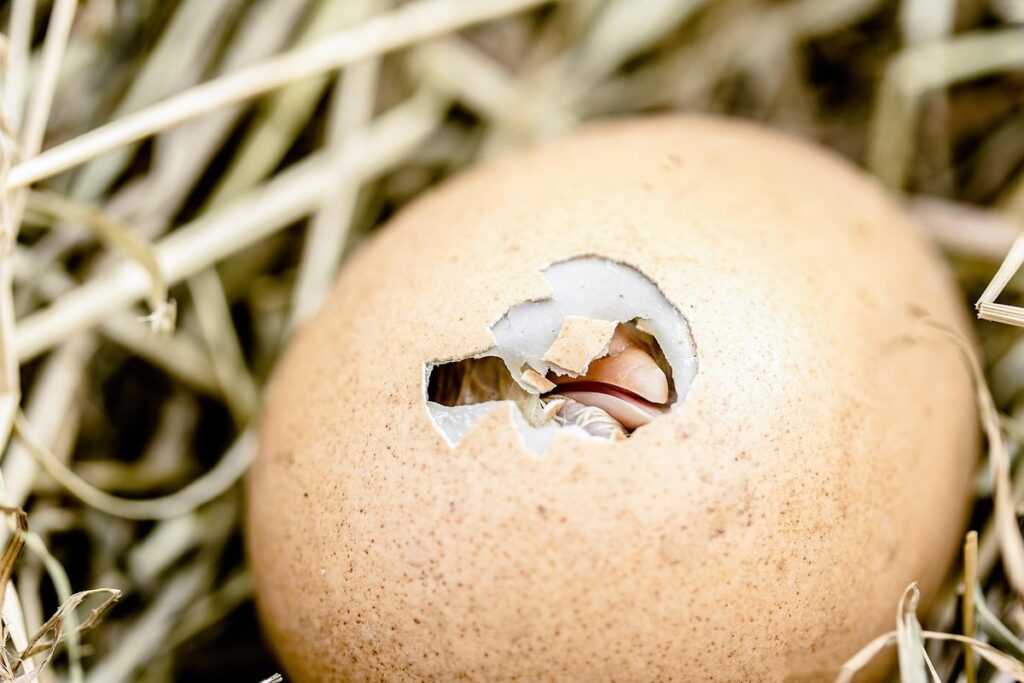
As hatching day approaches, you’ll start to notice signs that the turkey chick is getting ready to emerge. One of the most obvious indicators is pecking at the shell. You may hear a faint scratching sound coming from inside the egg as the chick begins to break through the outer layer. This can be a gentle tapping or a more vigorous scratching, depending on how close hatching day is.
Another sign that the turkey chick is almost ready to hatch is making high-pitched sounds. Some people describe it as chirping or cheeping, while others claim it’s more like a tiny whistling noise. These vocalizations are usually a good indication that the chick is preparing to pip (break through the shell).
If you’re attentive to these cues, you can be prepared for hatching day. Keep in mind that some chicks may not exhibit these behaviors as strongly or at all, so it’s essential to stay vigilant and monitor the egg closely.
Caring for Newborn Turkey Chicks
Newborn turkey chicks require special care and attention in their first few weeks of life. When it comes to nutrition, a starter feed specifically formulated for young poultry is essential. This feed should be available at all times, and you may also supplement with cracked egg yolks or finely chopped vegetables like carrots and sweet potatoes.
Shelter is also crucial for newborn turkey chicks. They need to stay warm and protected from drafts and predators. A brooder with a heat lamp or heat mat will help maintain a consistent temperature between 90-100°F (32-38°C). You can line the brooder with soft bedding like pine shavings or straw, but be sure to keep it clean and dry.
Socialization is another vital aspect of caring for newborn turkey chicks. Young turkeys need interaction with their flock members to develop good behavior and avoid aggression later on. Introduce them to their flock at about 4-5 weeks of age, but make sure they have a safe space to retreat if needed. With proper care and attention, your newborn turkey chicks will grow strong and healthy under your watchful eye.
Frequently Asked Questions
Can I hatch turkey eggs at home if I don’t have a lot of space?
Yes, there are several breeds that are well-suited for small spaces, such as the Slate or Narragansett. However, it’s essential to research the specific needs of your chosen breed and ensure you can provide enough room for them to roam.
What is the average fertility rate for turkey eggs, and how does it affect my chances of successful hatching?
The average fertility rate for turkey eggs ranges from 50% to 90%, depending on factors such as breeder quality, egg handling, and incubation techniques. To improve fertility rates, make sure to handle fertile eggs carefully and store them in a controlled environment.
How long does it take for turkey chicks to grow into adult birds?
Turkeys typically take around 20-24 weeks to reach maturity. However, this can vary depending on factors such as breed, nutrition, and health conditions. Plan accordingly and research the specific growth rate of your chosen breed.
Can I incubate turkey eggs at home using a standard chicken egg incubator?
While some turkey breeds may be compatible with standard chicken egg incubators, it’s generally recommended to use an incubator specifically designed for turkeys or one that can handle their larger eggs. Consult your incubator manufacturer for guidance on compatibility.
What are the most common health issues I should be aware of when raising turkeys at home?
Common health issues in turkeys include respiratory problems, internal parasites, and bacterial infections. Regularly monitor your birds’ behavior and health, provide a clean living environment, and maintain good hygiene practices to minimize the risk of disease. Consult with a veterinarian experienced in poultry care for specific advice on maintaining healthy flocks.