
Are you ready to take your backyard chicken coop to the next level? Hatching turkey eggs can be a fun and rewarding experience, but it requires careful planning and attention to detail. Whether you’re a seasoned farmer or a curious beginner, successfully hatching turkey eggs can add a whole new dimension to your homestead. But let’s face it: hatching turkeys is no easy feat – it takes the right breed selection, proper incubation environment setup, and a deep understanding of embryonic development and fertility testing.
In this comprehensive guide, we’ll walk you through everything you need to know about hatching turkey eggs. From choosing the perfect breed to ensuring optimal post-hatch care, we’ve got you covered. We’ll explore common mistakes to avoid, tips for increasing your chances of success, and provide expert advice on creating an ideal environment for your turkey embryos to thrive.
Choosing the Right Breeds and Eggs
When it comes to hatching turkey eggs, choosing the right breeds is crucial for a successful incubation. You’ll want to select breeds that are known for their fertility and hatchability rates.
Understanding Turkey Egg Characteristics
When it comes to hatching turkey eggs, understanding their characteristics is crucial for success. Let’s dive into the essential traits of turkey eggs.
Turkey eggs are larger than chicken eggs, with an average weight of 80-120 grams and a length of about 5-6 centimeters. The shape can vary slightly between breeds, but most have a rounded or oval shape. Shell quality is also an important factor to consider, as it directly affects the egg’s fertility and hatchability. Look for eggs with strong, unblemished shells that are free from cracks or soft spots.
When choosing breeds for hatching, consider factors like egg size, shell quality, and overall health of the birds. Some popular breeds for hatching, such as Narragansett and Bourbon Red, produce larger eggs with stronger shells. On the other hand, smaller breeds like White Holland may have smaller eggs but are still suitable for hatching.
To ensure you’re getting healthy, fertile eggs, look for breeders who prioritize egg quality and fertility. A good rule of thumb is to choose eggs that are at least 5-7 days old, as this allows for more reliable fertility testing. By understanding turkey egg characteristics and selecting the right breeds, you’ll be well on your way to successfully hatching your own turkeys.
Selecting Healthy Eggs from Reliable Sources
When selecting healthy turkey eggs for hatching, it’s crucial to source them from reliable suppliers or breeders. A good starting point is to inspect the egg appearance carefully. Look for eggs that are clean, free of debris, and have no visible cracks or damage. Cracks can be a sign of breakage during handling or shipping, which may compromise the embryo’s viability.
Understand your supplier’s vaccination protocols as well. Some breeders vaccinate their turkeys against certain diseases, while others choose not to. Ensure that you’re aware of any vaccinations and whether they are suitable for your needs. If you’re a backyard breeder, it’s essential to understand the risks associated with disease transmission.
When evaluating suppliers or breeders, also consider factors such as egg production rates, chick livability, and genetic diversity. This can give you an idea of their overall health and well-being practices.
Preparing the Breeder Stock and Incubation Environment
To successfully hatch turkey eggs, it’s essential that you prepare your breeder stock and incubation environment correctly to minimize stress on the embryos. This involves providing a healthy flock and setting up an optimal incubation space.
Setting Up a Suitable Brooder
Setting up a suitable brooder is crucial for hatching turkey eggs successfully. A brooder is essentially a temporary enclosure that mimics the natural environment of a mother hen to help young turkeys grow and develop. The ideal brooder setup should consider several key factors.
In terms of size, it’s essential to provide enough space for the turkeys to move around comfortably. A general rule of thumb is to allocate about 1-2 square feet per turkey. This will prevent overcrowding, which can lead to stress, disease, and even death.
Temperature control is also vital in a brooder. Turkey poults (young turkeys) require a warm environment, especially during the first few weeks of life. Aim for temperatures between 90°F to 100°F (32°C to 38°C) during the first week, gradually decreasing by 5-10°F every few days as they grow.
Ventilation is another critical aspect to consider in brooder setup. Adequate airflow helps prevent ammonia buildup from droppings and keeps the air clean and fresh for the turkeys. You can use windows or vents to provide natural ventilation or install a fan to circulate the air. Sanitation requirements are equally important – keep the brooder spotlessly clean, disinfect any equipment regularly, and ensure proper waste disposal.
Remember, it’s not just about setting up a space; it’s also about creating a healthy environment for your turkey poults to thrive in their early stages of development.
Creating an Optimal Incubation Environment
Creating an optimal incubation environment is crucial for successful hatching. When it comes to temperature ranges, turkeys require a consistent temperature between 99°F (37°C) and 100°F (38°C). It’s essential to maintain this narrow range throughout the incubation period, as fluctuations can lead to poor hatch rates or embryo deaths.
Maintaining optimal humidity levels is also vital for healthy hatching. Aim for a relative humidity of 50-60% during the first 18 days, and then gradually increase it to 70-80% in the last three days before hatching. You can achieve this by using a humidifier or misting the incubator with water.
A turning mechanism is also crucial for preventing the embryo from developing deformities due to uneven development. Manual turning is recommended every 6 hours, but automated turners are an excellent alternative if you’re short on time or want more precise control.
Fertility Testing and Hand-Setting Eggs
Now that you have your fertile eggs, it’s time to determine their viability through fertility testing, ensuring only healthy embryos make it to hatching. We’ll walk you through this crucial step together.
Performing Fertility Tests on Turkey Breeder Stock
Fertility testing is a crucial step in ensuring the success of your turkey breeding program. It’s essential to determine which eggs are fertile and should be set for hatching and which are infertile and can be culled. The process typically begins with collecting a sample of breeder stock eggs, usually around 100-200 eggs per flock.
To perform fertility testing on turkey breeder stock, you’ll need specialized equipment such as an incubator or a candling device. You can use the “candle test” to visually inspect the eggs for signs of development. Fertile eggs will have a visible embryo and blood vessels, while infertile eggs will be empty.
When interpreting test results, consider the following factors: egg age, storage conditions, and breeder stock health. Even with optimal conditions, fertility rates may not exceed 90%. However, consistently low fertility rates can indicate issues with your breeding program. Regular fertility testing helps you identify problems early on, allowing you to make adjustments before they impact your overall production.
Keep in mind that fertility testing is a process that requires patience and attention to detail. It’s essential to follow proper procedures and maintain accurate records to ensure reliable results.
Hand-Setting Eggs in a Controlled Environment
When it’s time to hand-set turkey eggs into the incubator or brooder, precision and care are crucial to ensure their safe development. Begin by gently picking up an egg between your thumb and index finger, taking note of its position – with the pointed end facing upwards.
Next, carefully place the egg in a designated tray or compartment within the incubator or brooder. Make sure it’s not touching any other eggs or surfaces, as this can lead to damage or contamination. A general rule of thumb is to leave about 1-2 inches (2.5-5 cm) of space between each egg.
To prevent cracking during handling, consider placing a paper towel or cloth underneath the egg before transferring it to the incubator. This will provide a cushion and help absorb any shocks that might occur during placement. It’s also essential to avoid jostling the eggs excessively while setting them in place – gentle, smooth movements are key.
Embryonic Development and Monitoring
As you prepare for the hatching process, it’s essential to understand the embryonic development stages and how to monitor your turkey eggs’ progress to ensure a healthy start. Let’s take a closer look at what happens inside those eggs!
Understanding Turkey Embryo Development Stages
Understanding turkey embryo development stages is crucial for successful hatching. From fertilization to pipping, the journey of a turkey egg takes about 28 days. Let’s break down the key milestones:
During the first two weeks, the embryo undergoes rapid growth and differentiation. The blastoderm forms on day 2-3, followed by the formation of the germ layers (ectoderm, endoderm, and mesoderm) around day 5-6. By day 7-8, the embryonic disc is fully formed, and the organs start to develop.
Around days 14-16, the embryo undergoes a dramatic transformation called “pip,” where it begins to move out of the shell membrane. This is an essential step in preparing for hatching. Around day 22-23, the beak starts to emerge, and the chick’s body begins to take shape.
By day 25-26, the pip hole becomes larger, allowing more oxygen to reach the embryo. Finally, around day 28, the turkey egg is fully pipped, and the chick emerges from the shell. Monitoring for these critical milestones ensures that you’re on track for successful hatching.
Monitoring Incubation Progress and Troubleshooting Common Issues
Monitoring incubation progress is crucial to ensure healthy hatching. You should regularly check temperature and humidity levels in the incubator, as these factors are essential for proper development. A temperature fluctuation of even 1 degree can affect embryonic growth, so maintaining a consistent temperature between 99-100°F (37.2-37.8°C) is vital.
Humidity levels should be kept at around 50-60% during the first 18 days and then increase to 70-80% for the remaining time. You can use an hygrometer to monitor humidity, but it’s also essential to visually inspect the eggs daily. Check for any visible signs of cracking or movement.
If you notice any issues, such as temperature drops or unusual noises from the incubator, investigate promptly and make necessary adjustments. Common problems that may arise during hatching include delayed development, stuck embryos, and poor ventilation. To troubleshoot these issues, gently candle the eggs to check for embryo growth and look for any signs of blockages in the air cell. Remember, regular checks and prompt action can prevent many common problems and ensure a successful hatching process.
Hatching and Post-Hatch Care
Now that your turkey eggs have hatched, it’s essential to provide proper care for the young poults as they grow into healthy adult turkeys. We’ll walk you through the necessary steps for post-hatch care.
Recognizing Signs of Imminent Hatching
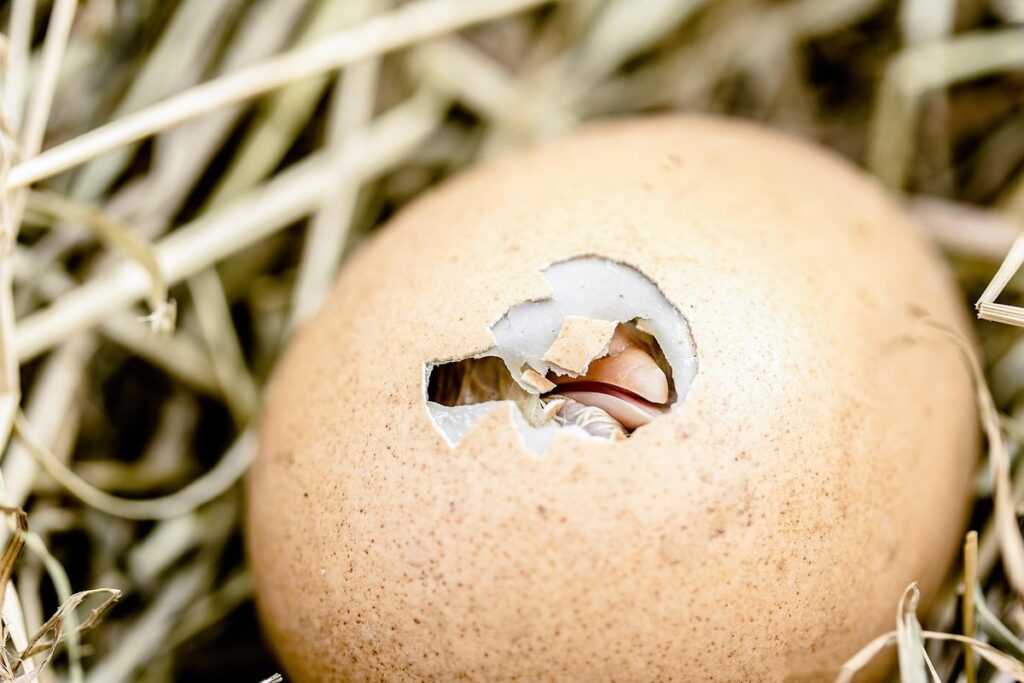
As you approach the final stages of incubation, it’s essential to recognize the signs that indicate imminent hatching. This can be a thrilling and nerve-wracking time for new hatchers. Turkey eggs typically begin to pip (break through the shell) between 24-36 hours before complete emergence.
Look for slight swelling or puffiness around the air cell end of the egg, which can be an indication that the chick is preparing to break free. You may also notice a faint, but growing, lightening of the color on the top surface near the pointed end of the egg, often referred to as “pipping.”
Increased pecking and scratching sounds within the egg are also signs that the chick is making its way out. As hatching approaches, you might observe more frequent or vigorous pipping attempts, which can sometimes be followed by a small hole.
Keep in mind that not all eggs will exhibit these behaviors at the same rate, so stay attentive to your flock’s specific needs and development.
Providing Adequate Care for Newly Hatched Turkey Poults
Providing adequate care for newly hatched turkey poults is crucial to ensure their health and survival. As a turkey breeder, you’ll want to focus on three main areas: nutrition, hydration, and environmental considerations.
Nutritionally speaking, turkey poults need a high-quality starter feed that’s specifically formulated for young birds. This feed should contain the right balance of protein, energy, and other essential nutrients for optimal growth and development. Aim to offer starter feed within the first few hours of hatching, as this will help stimulate their digestive system.
Hydration is also vital, especially during the first few days of life when poults are most susceptible to dehydration. Ensure access to fresh, clean water at all times, and make sure the waterer is easy for them to access. A good rule of thumb is to provide one quart of water per poult in the first week.
Environmental considerations should also be top-notch. Provide a warm and draft-free area with adequate ventilation to prevent ammonia buildup from droppings. Maintain a temperature range of 90-100°F (32-38°C) for the first few days, gradually decreasing it as they grow. Also, ensure adequate space per poult, around 1 square foot or more, to prevent overcrowding and stress.
Health Considerations and Preventative Measures
To ensure a healthy hatch, it’s essential to consider the factors that can affect your turkey eggs’ incubation process and take preventative measures from the very beginning. Let’s discuss some key considerations.
Common Health Issues Affecting Turkey Poults
As you’re about to welcome new turkey poults into your flock, it’s essential to be aware of common health issues that may arise. Bacterial infections such as Newcastle disease and infectious coryza are prevalent among young turkeys, often transmitted through contaminated feed or water.
Respiratory problems like bronchitis and pneumonia can also affect turkey poults, particularly in damp environments. Symptoms include labored breathing, sneezing, and a decrease in appetite.
Nutritional deficiencies can also impact the health of your poults. For example, a lack of vitamin D3 or adequate calcium intake can lead to softening of bones (rickets) or impaired growth.
To mitigate these issues, ensure that your incubator and hatching environment are clean and well-ventilated. Provide fresh water and feed at all times, and keep the brooder area draft-free. Monitor your poults closely for signs of illness, consulting a veterinarian if necessary. Regular vaccinations and health checks can also help prevent common health issues.
Implementing Preventative Measures to Ensure Flock Health
As you work towards successfully hatching turkey eggs, it’s essential to remember that maintaining a healthy flock is crucial for a successful hatch rate. Implementing preventative measures early on can make all the difference in ensuring the health and well-being of your turkeys.
Firstly, vaccination protocols should be considered, especially if you’re introducing new birds to your existing flock. Consult with a veterinarian to determine the best vaccination schedule for your region and flock size. Additionally, ensure that all vaccinations are administered correctly and on time.
Sanitation practices are also vital in maintaining a healthy flock. This includes regular cleaning of coops, runs, and feeding areas. Make sure to disinfect all surfaces with a poultry-safe disinfectant, paying particular attention to areas around feeders, waterers, and nesting boxes. Biosecurity measures should be taken seriously as well; this includes controlling visitors, implementing a quarantine period for new birds, and monitoring your flock regularly for signs of illness or stress.
By incorporating these preventative measures into your daily routine, you’ll be well on your way to maintaining a healthy and thriving turkey flock. Remember, it’s always better to be proactive than reactive when it comes to flock health!
Frequently Asked Questions
Can I hatch turkey eggs using a standard chicken incubator?
You can, but it’s essential to ensure your chicken incubator is specifically designed for larger birds like turkeys, which require more precise temperature and humidity control. Consult the manufacturer’s guidelines or consider investing in an incubator designed exclusively for turkeys.
How long does it take for turkey embryos to develop?
Embryonic development in turkey eggs typically takes around 28 days, with significant growth milestones occurring within the first week. Fertilized eggs start developing rapidly after 4-5 days and continue to grow until hatching day.
What’s the best way to store unhatched eggs beyond the incubation period?
Store unhatched eggs at a consistent refrigerator temperature (around 39°F/4°C) with minimal humidity fluctuations. This will slow down embryonic development without causing damage, but it’s essential to remove any developing embryos before they consume too much energy.
Can I hatch turkey eggs in a backyard setting or is specialized equipment required?
While basic incubation and brooding equipment are necessary for successful hatching, you can start with simple DIY solutions if you’re on a budget. However, be aware that large-scale or commercial operations often require more sophisticated setups to ensure optimal results.
What are some common health issues affecting newly hatched turkey poults?
Common problems include respiratory issues (dyspnea), vitamin E deficiency, and Marek’s disease. Maintain proper hygiene, provide adequate ventilation, and ensure a well-balanced diet to minimize the risk of these conditions.