
Raising healthy ducklings requires more than just providing food and shelter. One of the most critical aspects is ensuring they have access to clean, fresh water from an early age. Duckling drinking habits can be a concern for many new owners, as it’s easy to overlook this essential need during those first few weeks. If you’re wondering how to introduce your ducklings to water or are dealing with common issues like dehydration or swimming pool syndrome, you’ve come to the right place. In this comprehensive guide, we’ll walk through everything you need to know about raising healthy ducklings, including optimal conditions for drinking and troubleshooting common problems. By following these tips, you can rest assured your new feathered friends will thrive under your care.
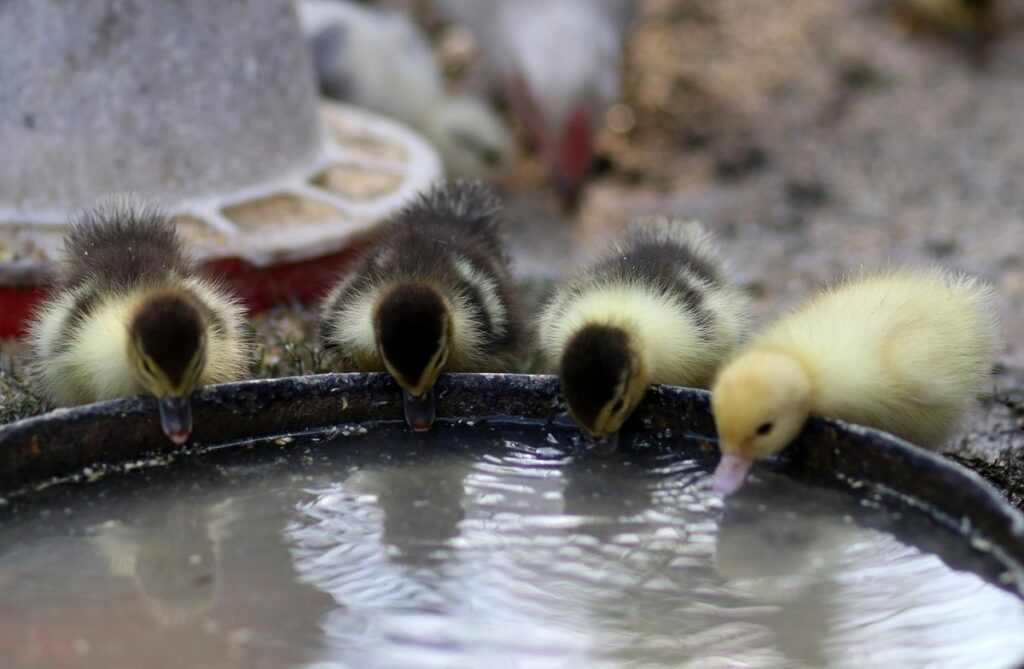
Understanding Duckling Development and Water Intake
Let’s dive into the critical topic of duckling development and water intake, where we’ll explore how hydration affects growth and health in young ducks. Proper water consumption is essential for their well-being.
The Importance of Early Water Introduction
Introducing water to ducklings is one of the most crucial aspects of their development. When they hatch, ducklings are entirely dependent on their yolk sac for nutrients and hydration. However, this source of sustenance only lasts for about 24 hours after hatching. After that, it’s essential to introduce them to clean drinking water.
Water plays a vital role in the digestive system of ducklings. It helps them pass solid waste, which is rich in nutrients, back into their digestive tract where they can be absorbed. Failure to provide sufficient water can lead to constipation and other health issues. A study by the Poultry Science Journal found that ducklings who had access to clean water had improved gut health compared to those without.
To ensure your ducklings get the water they need, make sure to place a shallow dish of clean water near their nesting box or brooder. Change the water frequently to keep it fresh and prevent bacterial growth. It’s also essential to monitor your ducklings’ water intake to prevent overhydration or dehydration.
Factors Influencing Duckling Water Intake
When it comes to duckling water intake, several factors come into play that can significantly impact their ability and willingness to drink. Temperature and humidity levels are two critical environmental factors that influence a duckling’s water consumption. In hot weather, ducklings tend to drink more frequently as they lose moisture through panting, whereas in cold temperatures, they may take longer to start drinking due to sluggish metabolism.
Diet also plays a crucial role in shaping a duckling’s water intake. A nutrient-rich diet is essential for encouraging proper hydration and minimizing the risk of dehydration. For instance, ducklings fed a balanced starter feed with adequate moisture content are more likely to drink within 24-48 hours after hatching compared to those on low-moisture feeds.
To ensure your ducklings start drinking water promptly, maintain a stable temperature range between 90°F and 100°F (32°C to 38°C) during the first week. Also, keep the humidity levels consistent, ideally between 50-60%. This will help create an optimal environment for them to develop good drinking habits from an early age.
Signaling When a Duckling is Ready to Drink
As you watch your ducklings grow and develop, it’s essential to know when they’re ready for water intake. A crucial milestone in their development is learning to drink water on their own. So, how can you determine if your duckling is signaling readiness to drink? Look for visual cues and behavioral changes that indicate they’re developmentally prepared.
A few days after hatching, start observing your ducklings for signs of interest in the water dish. Do they lean towards it or try to peck at it? If they show curiosity but seem hesitant, don’t worry! This is normal. Instead, gently place their beaks into the water to encourage them. You’ll know they’re ready when they start drinking without hesitation.
Other signs of readiness include a more upright posture and increased movement towards the water dish. Be patient and attentive, as each duckling develops at its own pace. Some may take longer than others to get used to drinking water.
Providing Optimal Water Conditions for Ducklings
When it comes to raising healthy ducklings, providing a reliable source of clean water is essential, and creating optimal water conditions will make all the difference. Let’s take a closer look at how you can ensure your duckling’s water needs are met.
Water Quality and Safety
Providing clean and safe water is crucial for ducklings to grow and thrive. One of the primary concerns with duckling water is bacterial contamination. E. coli, Salmonella, and Campylobacter are common pathogens that can be present in water sources. These bacteria can cause illness, diarrhea, and even death in young ducklings. To avoid this risk, it’s essential to change the water frequently, ideally every 6-8 hours, or more often if you notice signs of contamination.
Water temperature is another critical factor to consider when providing drinking water for ducklings. Their optimal drinking temperature range is between 70°F and 90°F (21°C and 32°C). If the water is too cold, ducklings may not drink enough, leading to dehydration. Conversely, if it’s too warm, they might be more susceptible to bacterial growth.
Maintaining a suitable pH level is also vital. The ideal pH range for duckling drinking water is between 6.5 and 7.5. A higher or lower pH can lead to digestive issues and stress in the young birds. You can test your water using pH strips or kits available at pet stores or online.
Water Depth and Accessibility
When it comes to providing optimal water conditions for ducklings, ensuring the right depth and accessibility is crucial. Young ducks need shallow water to enter and exit safely, reducing the risk of drowning. A good rule of thumb is to start with a water depth of around 1-2 inches (2.5-5 cm) in the entrance area. This allows them to get their beaks wet and begin drinking without feeling overwhelmed.
As ducklings grow, you can gradually increase the water depth over time. For example, at 2-3 weeks old, they may need around 4-6 inches (10-15 cm) of water. However, always make sure there’s a shallow area for them to access and exit the pool easily.
To facilitate safe entry and exit, consider adding ramps or steps made from materials like wood or plastic. These can be attached to the side of the pool or built into the surrounding environment. By providing a gradual incline, you’ll encourage your ducklings to use them instinctively, reducing the risk of drowning and creating a comfortable drinking experience.
Basking and Pooling Areas for Ducklings
Providing separate areas for basking and pooling is crucial for ducklings’ overall well-being. As they grow and develop, their needs change, and these designated zones cater to those specific requirements. Basking areas allow ducklings to regulate their body temperature, which is essential, especially during cold weather or after a swim.
A basking area with shallow water and gentle slope is ideal for this purpose. It should be placed in a spot that receives direct sunlight, ideally south-facing, to maximize heat absorption. This will help the ducklings absorb vital nutrients and regulate their body temperature without excessive energy expenditure.
On the other hand, pooling areas provide an essential source of fresh water for drinking, bathing, and swimming. These areas should have deeper water than basking zones and be equipped with a gradual slope or ramp to facilitate easy entry and exit. Pooling areas also serve as social hubs where ducklings can interact and engage in natural behaviors like preening and splashing.
It’s essential to place both basking and pooling areas close to each other, so the ducklings don’t have to travel far between them. This proximity promotes flexibility and allows the birds to adapt to changing weather conditions or individual needs.
Common Issues with Duckling Drinking and Troubleshooting
Some duckling owners may encounter problems when it comes to their feathered friends drinking, so let’s explore some common issues and troubleshoot together. We’ll dive into potential solutions for a happy and hydrated flock.
Refusal to Drink or Vomiting After Water Introduction
When introducing water to ducklings for the first time, it’s not uncommon for some of them to refuse to drink or exhibit vomiting after being presented with it. This can be a worrisome sight for new duck parents, but there are often underlying reasons behind this behavior.
One possible cause is that the water temperature is too cold or too hot for their sensitive taste buds. Ducklings prefer water at room temperature (around 70-80°F), so make sure to adjust the temperature accordingly. You can also try placing a thermometer in the water to ensure it’s at an optimal level.
Another reason could be that the duckling is not accustomed to drinking from a cup or bowl, so try offering shallow dishes and soft, rounded edges for easier access. A more serious concern is dehydration, which can cause vomiting in severe cases. Keep a close eye on your ducklings’ behavior and watch for signs of dehydration such as dryness around the beak, eyes, and nostrils.
If you notice any of these symptoms, make sure to provide an electrolyte-rich solution like Pedialyte or Gatorade to help replenish lost salts and minerals. It’s also crucial to ensure that your ducklings are receiving enough hydration by monitoring their urine output – if it’s pale yellow or clear, they’re doing well; dark yellow or concentrated urine is a sign of dehydration.
Overconsumption of Water and Potential Dangers
When it comes to duckling drinking, one potential pitfall is overconsumption of water. It’s essential to be aware of the risks associated with excessive watering and take steps to monitor and regulate their intake.
Drowning is a serious risk when ducklings drink too much water. Even if they’re able to swim to safety, overwatering can cause them to become lethargic and vulnerable to disease. Additionally, an electrolyte imbalance can occur due to the dilution of essential minerals in their body. This can lead to weak wings, poor feather growth, and even organ failure.
So, how do you know if your ducklings are drinking too much water? Look for signs such as swimming difficulties, lethargy, or a decrease in appetite. Monitor their water intake closely and adjust it according to their needs. A general rule of thumb is to provide about 1/4 cup of water per duckling per day, divided into several small sips throughout the day. Keep an eye on your ducklings’ overall health and adjust their water allowance as needed to prevent overwatering.
Supporting Ducklings With Special Needs
When it comes to ducklings with special needs or those that require extra assistance with drinking water, providing a supportive environment is crucial for their well-being. Some ducklings may have physical limitations, such as leg or wing deformities, while others might need help due to developmental delays.
To adapt the environment and support these ducklings, consider the following strategies:
* Provide an elevated feeder or a specialized watering system with large openings to make it easier for them to drink
* Use a shallow dish or a dish with a non-slip surface to prevent spills and ensure stability while drinking
* Keep the water area clean and free of obstacles to minimize stress and encourage exploration
* Offer a quiet, safe space for these ducklings to drink without feeling overwhelmed or intimidated by their littermates
By implementing these adaptations, you can help your special needs ducklings feel more comfortable and confident when drinking.
Advanced Tips and Considerations for Raising Healthy Ducklings
As you’re getting more comfortable caring for your duckling’s drinking needs, it’s time to explore some advanced strategies for ensuring their health and happiness. Let’s dive into some expert tips on optimizing their water intake.
Nutritional Supplements and Dietary Recommendations
When it comes to raising healthy ducklings, providing optimal nutrition is crucial for their growth and development. A well-balanced diet will support a strong immune system, promote healthy feathering, and ensure proper bone formation.
First, let’s talk about the basics: a starter crumb specifically formulated for ducklings should be their main staple food source. However, you may want to consider adding some supplements to their diet, especially if they’re facing health issues or have specific breed requirements. For example, some breeds like Khaki Campbells and Rouens require more calcium in their diet to support strong bone growth.
A good quality duckling pellet should contain a mix of grains, proteins, and essential vitamins and minerals. You can also offer chopped vegetables like leafy greens, carrots, and sweet potatoes as treats. For specific breed recommendations, consider the following: Khaki Campbells thrive on a 16-18% protein diet, while Rouens do well with a slightly higher protein content of around 20%.
Remember to provide fresh water at all times, and make sure your ducklings’ feeders are clean and easily accessible. A healthy digestive system is key to proper growth and development in ducklings.
Environmental Factors Affecting Water Quality and Availability
When it comes to raising healthy ducklings, providing them with clean and accessible water is crucial for their survival. However, environmental factors can greatly impact the quality and availability of water, making it essential to be prepared for potential challenges.
Temperature fluctuations are a significant concern when it comes to water quality. Extreme temperatures can cause water to evaporate quickly, leading to dehydration in ducklings. In addition, temperature changes can also affect the growth of bacteria and other microorganisms that can contaminate the water. For instance, during hot summer months, you may need to change the water multiple times a day to prevent bacterial growth.
Seasonal changes can also impact water quality. Heavy rainfall or snowmelt can lead to flooding, which can contaminate the water with soil and debris. Conversely, droughts can cause water scarcity, making it essential to provide an alternative source of water for your ducklings. To prepare for these challenges, consider investing in a rainwater harvesting system or installing a backup water supply to ensure that your ducklings always have access to clean drinking water.
Monitoring Progress and Adjusting Strategies
As you continue to care for your ducklings, it’s essential to monitor their progress and adjust strategies accordingly. A healthy duckling will grow at a rate of about 0.5-1 inch per day, with their weight doubling every two weeks. To track their growth, weigh them weekly using a digital kitchen scale, and note down any changes in appetite, energy levels, or stool quality.
Keep an eye out for potential issues like runny eyes, nasal discharge, or lethargy, which can indicate respiratory problems, parasites, or other health concerns. If you notice any of these signs, consult with your veterinarian to determine the cause and adjust your care practices accordingly.
Adjusting strategies may involve tweaking their environment, such as providing more space, enrichment activities, or a different water temperature. You might also need to fine-tune their diet by introducing new foods or changing the proportion of grains to vegetables. Remember that every duckling is unique, so be prepared to make adjustments based on individual responses and needs. By staying vigilant and adapting your approach, you’ll be able to provide the best possible care for your growing ducklings.
Frequently Asked Questions
Can I use a waterer with an ant moat to prevent ducklings from drowning?
Yes, using a waterer with an ant moat is a great way to protect your ducklings from drowning while also preventing ants from getting into the water. However, make sure the ant moat is not too deep for the ducklings to access safely. You can start by filling the moat with shallow water and gradually increase the depth as they grow.
How often should I change the water in my duckling’s pool?
It’s essential to change the water in your duckling’s pool daily, especially during hot weather or if you have a large number of ducks. Change about 25-50% of the water each day to maintain optimal cleanliness and prevent bacterial growth.
What signs should I look for to determine if my ducklings are drinking enough water?
Monitor your ducklings’ droppings, urine output, and overall activity level. If their stools are soft and well-formed, they’re likely drinking enough water. However, if you notice dark or hard stools, decreased urine production, or lethargy, it may be a sign that they need more access to clean drinking water.
Can I use a kiddie pool as a temporary basking area for my ducklings?
Yes, a kiddie pool can make an excellent temporary basking area for your ducklings. Just ensure the water is at least 1-2 inches deep and provide adequate shade to prevent overheating. However, be prepared to replace the water frequently and monitor the ducklings’ behavior to avoid any potential health issues.
How do I handle a situation where some of my ducklings are hesitant to drink from a new waterer?
If you notice some ducklings are hesitant to drink from a new waterer, try placing a few drops of water on their beaks or gently encouraging them with a soft brush. You can also offer a shallow dish for the hesitant ones to start with. Be patient and gradually introduce the new water source while monitoring their behavior to ensure they adjust smoothly.