
As a backyard chicken enthusiast, you’ve likely experienced the thrill of waiting for your eggs to hatch. But let’s face it – not all chicks make it to their first wobbly steps. In fact, chick hatching risks are more common than you might think, affecting up to 20% of healthy eggs. From genetic predispositions that can affect broodiness to environmental factors like temperature and humidity fluctuations, there are many potential pitfalls for your precious eggs.
In this article, we’ll delve into the most significant risks associated with chick hatching, exploring both internal and external factors. We’ll discuss best practices for creating a healthy brooding environment, including optimal temperature ranges, ventilation, and humidity control. By understanding these critical elements, you can increase the chances of successful hatch rates and raise healthier, more robust chicks.
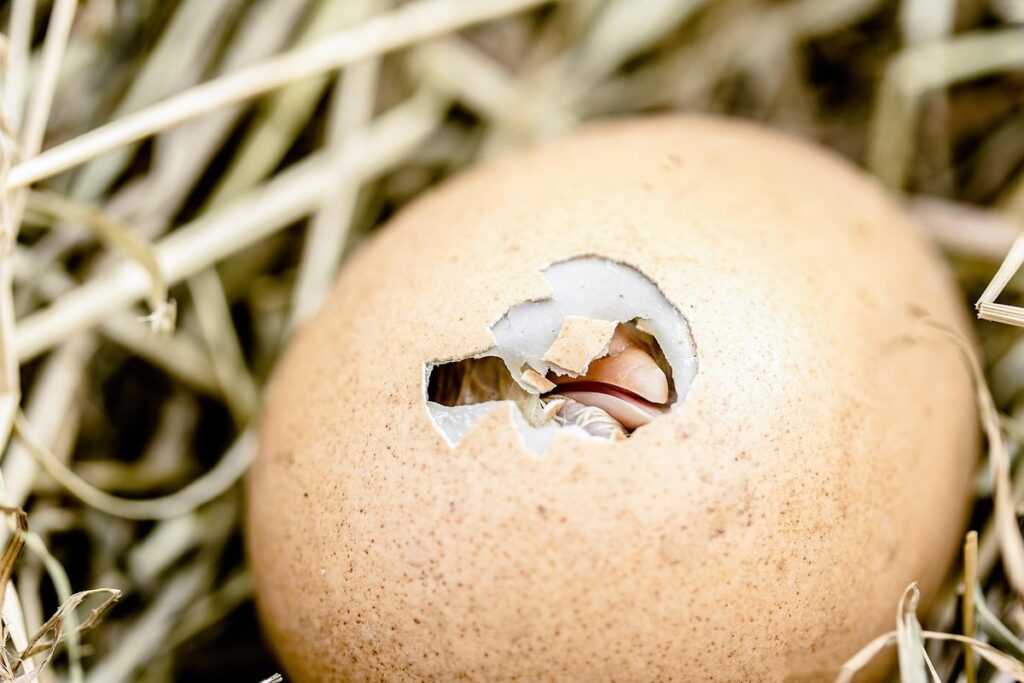
Assessing Your Chicks’ Health Before Hatching
Before your chicks hatch, it’s crucial to assess their health and well-being from inside the egg. This will help you identify any potential issues that may affect their development.
Identifying Potential Issues in the Brooder Environment
When it comes to creating an optimal brooder environment for your chicks, several common issues can arise that may impact their health and development. Temperature fluctuations are one of the most significant concerns, as they can cause stress and discomfort for the chicks. A temperature range of 90-100°F (32-38°C) is ideal for the first few days after hatching, but it’s crucial to ensure consistency in temperature throughout the brooder.
Humidity problems are another issue that should not be ignored. If the air is too dry, your chicks may develop respiratory issues or even die from dehydration. On the other hand, if the humidity level is too high, it can lead to fungal growth and further compromise their health. Maintaining a relative humidity of 50-60% is recommended.
Proper ventilation is also essential in preventing ammonia buildup, which can be toxic to your chicks. Ensure that there are adequate air inlets and outlets in the brooder to promote airflow and maintain healthy living conditions for your new arrivals.
Monitoring Chick Development and Behavior
As you await the hatching of your chicks, monitoring their development is crucial to ensure their health and well-being. Start by observing your eggs through candling, usually around 7-10 days before the expected hatch date. This process involves shining a bright light through the eggshell to check for air sac movement, yolk position, and any visible signs of pip or crack.
Weight checks are another essential aspect of monitoring chick development. Weigh your eggs regularly, ideally every other day, to track their growth and detect any sudden changes in weight gain or loss. Typically, a healthy egg will gain about 1-2 grams per day until the last week before hatching.
Pay attention to behavioral changes, such as reduced movement or lethargy, which can be indicative of potential health issues like hypoxia (oxygen deficiency) or bacterial infections. Keep an eye out for signs like labored breathing, bloody stools or yolk sacs, and decreased egg turning. If you notice any unusual patterns or behaviors, consult a veterinarian experienced in poultry care immediately to prevent any life-threatening complications.
Risk Factors Associated with Hatching
As you help a chick hatch, it’s crucial to understand the potential risks involved, including factors that can cause difficulties during incubation and emergence. We’ll explore these common risk factors in more detail below.
Genetic Predispositions to Health Issues
When it comes to hatching chicks, genetics play a significant role in determining their overall health and resilience. Some breeds are more prone to certain health issues due to their genetic makeup, which can be a concern for breeders and backyard farmers. For instance, Leghorns are known to be susceptible to Marek’s disease, a viral condition that affects the nervous system.
On the other hand, Orpingtons and Plymouth Rocks are often more prone to obesity, which can lead to various health problems if not managed properly. Knowing your breed’s genetic predispositions is essential in providing the right care and attention to your chicks. Look for warning signs such as slow growth rates, lethargy, or unusual feathering patterns.
By being aware of these potential issues, you can take proactive steps to mitigate their effects. This may involve adjusting your diet, ensuring adequate ventilation, or even considering genetic testing to identify specific health risks. With this knowledge, you’ll be better equipped to support your chicks and give them the best chance at a healthy start in life.
Environmental Risks Affecting Hatching Success
Extreme temperatures can have a devastating impact on hatching success. Temperatures that are too high or too low can disrupt the delicate process of embryonic development, leading to failed hatch rates and weak or deformed chicks. Ideally, the incubation temperature should be maintained between 99°F and 100°F (37°C to 38°C), but even slight variations can make a difference.
Poor lighting in the brooder area can also compromise hatching success. Chicks need bright light to regulate their circadian rhythms, which are essential for successful development and hatching. Low-intensity lighting can lead to delayed or incomplete hatch, while high-intensity lighting can cause chicks to become disoriented and stressed.
Inadequate brooder space is another environmental risk factor that should not be overlooked. Brooders must provide a safe, comfortable area for chicks to develop without overcrowding, which can lead to increased stress levels, disease transmission, and reduced hatching success. A good rule of thumb is to allocate at least 1-2 square feet (0.1-0.2 square meters) of space per chick in the brooder.
It’s essential to monitor temperature, lighting, and brooder space closely to ensure optimal conditions for successful hatch.
Common Health Issues Affecting Chicks at Hatching
Chick hatching can be a high-risk period, and some chicks are more susceptible to health issues than others. Let’s take a closer look at common problems that may arise during this critical time.
Respiratory Problems in Newly Hatched Chicks
Respiratory problems are one of the most common health issues affecting newly hatched chicks. As soon as they emerge from their shells, chicks begin to breathe air for the first time, making them vulnerable to respiratory infections.
Causes of Respiratory Issues:
• Hatching too quickly: Chicks that hatch too rapidly may not have fully developed lungs or air sacs, leading to breathing difficulties.
• Poor brooding conditions: Inadequate ventilation, temperature fluctuations, and poor hygiene can create an environment conducive to respiratory infections.
• Bacterial contamination: Exposure to bacteria like E. coli, Salmonella, and Pasteurella can cause pneumonia in chicks.
Symptoms of Respiratory Problems:
* Labored breathing
* Wheezing or coughing
* Loss of appetite
* Lethargy
Treatment Options:
If you suspect a chick has respiratory issues, isolate it immediately to prevent the spread of infection. Keep the brooder at a comfortable temperature (around 90-95°F) and ensure adequate ventilation. Administer antibiotics according to the vet’s advice, and provide plenty of fresh water and a balanced diet.
Other Health Concerns in Newborn Chicks
Newborn chicks are vulnerable to various health concerns that can impact their survival and growth. One critical issue is hypothermia, which occurs when a chick’s body temperature drops below normal levels. This can happen if the brooder is too cold or if the chick has become wet, causing its feathers to lose insulating properties. Chilling, on the other hand, happens when a chick’s body temperature rises above normal due to excessive heat. Both conditions require immediate attention to prevent long-term damage.
Other potential health concerns for newborn chicks include improper feeding and digestive issues. A chick that is not fed enough or receives spoiled food can suffer from malnutrition, weight loss, and lethargy. Improper brooding temperatures, inadequate ventilation, and overcrowding can also contribute to a range of health problems, including respiratory infections and stress.
Regular monitoring of your chicks’ behavior, feeding habits, and environment can help you identify potential issues before they escalate into major problems. Be sure to maintain a clean and well-ventilated brooder, monitor the temperature closely, and provide adequate feed and water for each chick. Regular health checks and weighing can also alert you to any deviations from normal development.
Managing Risks During the Hatching Process
As you help a chick hatch, there are several risks and complications that can arise, from delayed pip to internal pipping and beyond. In this crucial stage, being aware of potential issues is key.
Creating a Safe and Healthy Brooding Environment
Creating a safe and healthy brooding environment is crucial to minimize risks during the hatching process. Temperature control is vital, as chicks need a consistent temperature between 99°F (37°C) and 100°F (38°C) for optimal development. A temperature fluctuation of more than 2-3 degrees can be detrimental, so invest in a reliable heat source and thermostat to maintain a stable environment.
Humidity management is also essential, with the ideal range being between 40-60%. High humidity can lead to respiratory problems, while low humidity may cause dehydration. Use a humidifier or misting system to maintain an optimal level of moisture. Adequate ventilation is equally important, ensuring fresh air circulation and preventing the buildup of carbon dioxide.
For example, you can place your brooder in a well-ventilated area or use a ventilation fan to keep the air circulating. Make sure the brooder is clean and free from drafts, which can cause chilling or overheating. By controlling temperature, humidity, and ventilation, you’ll create an optimal environment for healthy chick development and minimize risks during the hatching process.
Providing Proper Nutrition for Chicks at Hatching
As a responsible breeder or farmer, providing proper nutrition for chicks at hatching is crucial for their optimal growth and development. The first few hours of life are critical, and the nutrients they receive during this period will set the stage for their overall health and well-being.
Chicks need a diet rich in protein, carbohydrates, and fats to support their rapid growth and energy demands. A starter feed specifically formulated for chicks is essential, as it contains the right balance of nutrients for their needs at this stage. Look for feeds that are high in protein (around 20%) and contain essential vitamins and minerals like vitamin E and calcium.
In addition to a balanced starter feed, ensure access to fresh water and a clean, draft-free environment. This will help prevent dehydration and promote healthy growth. Monitor your chicks’ feed intake closely, as overeating can lead to digestive issues. Aim for a gentle introduction of food and water to avoid shocking their system.
A good rule of thumb is to provide starter feed at 18-20% protein from the moment they pip (break out of their shells) until they’re about two weeks old. As they grow, gradually transition them to a grower feed with lower protein levels.
Emergency Response: Dealing with Health Issues in Chicks
If you notice any health issues during hatching, it’s crucial to identify the problem quickly and take corrective action to ensure your chick receives proper care. This can help prevent the issue from becoming more serious.
Recognizing Early Signs of Illness or Infection
Recognizing early signs of illness or infection is crucial when it comes to helping a chick hatch. Chicks are vulnerable to diseases and infections due to their weak immune system, making it essential for you to be vigilant about their health.
Some common symptoms of illness or infection include lethargy, runny eyes, and changes in droppings. For example, if your chick is not moving around as much as usual or seems disinterested in food and water, it may be a sign that something is wrong. Runny eyes can be caused by various factors such as respiratory infections, while changes in droppings can indicate a bacterial or fungal infection.
Be on the lookout for these signs and take immediate action if you notice any of them. If your chick’s symptoms worsen or persist, consult with a veterinarian or experienced breeder for guidance. Some common causes of illness or infection in chicks include bacteria such as E. coli and Salmonella, viruses like Newcastle disease, and parasites like mites.
Monitor your chick’s behavior and health closely, taking note of any changes. By recognizing early signs of illness or infection, you can provide timely treatment and increase the chances of a successful hatch.
Treating Common Health Issues in Newly Hatched Chicks
As a chick hatcher, it’s essential to be prepared for common health issues that can arise in newly hatched chicks. Respiratory problems and hypothermia are two critical concerns you should know how to identify and treat.
To address respiratory problems, keep an eye out for labored breathing, wheezing, or the chick’s inability to breathe properly. This can be caused by a number of factors, including bacterial or viral infections, poor ventilation, or even stress from handling. If you suspect respiratory issues, place the chick in a warm, draft-free area and provide oxygen using a candle flame or a small oxygen tank.
Hypothermia is another significant risk for newly hatched chicks. It’s characterized by lethargy, loss of coordination, and failure to move around. To prevent hypothermia, maintain an optimal temperature range between 90°F-95°F (32°C-35°C). If you do notice symptoms, gently place the chick in a warm water bath at around 90°F-100°F (32°C-38°C) for 10-15 minutes to raise its body temperature.
In both cases, it’s crucial to monitor your chicks’ health closely and act quickly if you notice any signs of distress. By knowing how to identify and treat these common issues, you’ll be better equipped to handle emergencies that may arise during the hatching process.
Long-Term Consequences of Poor Hatching Practices
As a breeder, it’s crucial to consider the long-term consequences of poor hatching practices on your flock’s health and productivity over time. This can have far-reaching effects that impact future generations.
Impact on Chick Growth and Development
When chicks hatch with health issues caused by poor hatching practices, it can have far-reaching consequences for their growth and development. These early problems can set them up for a lifetime of struggles, impacting not just their individual well-being but also their overall productivity.
For instance, chicks that experience respiratory issues during the critical first few days may develop chronic health problems as adults. This could manifest in reduced egg-laying capabilities, increased susceptibility to disease, or even premature mortality. Similarly, malnutrition at this stage can lead to stunted growth and impaired immune function, making it more challenging for the birds to thrive.
As a responsible hatchery owner or poultry breeder, it’s essential to recognize these risks and take proactive measures to ensure optimal hatching conditions. Regularly monitoring incubation temperature, humidity levels, and turning schedules can significantly reduce the likelihood of early health issues. Additionally, providing adequate nutrition during this critical period is crucial for healthy growth and development.
Chicks that receive proper care from the outset are more likely to reach their full potential, producing better quality eggs or meat as adults. By prioritizing best practices in hatching, you’re investing in a healthier, more resilient flock that will reward your efforts with improved productivity and reduced disease pressure over time.
Economic Implications of Health Issues in Chicks
When health issues arise in chicks, the economic implications can be significant. Lower egg production is often a direct result of poor hatching practices, leading to lost revenue for farmers and backyard chicken keepers alike. For example, a study found that broiler chicks with respiratory problems experienced a 20% decrease in growth rate, resulting in reduced weight gain and lower market value.
Furthermore, health issues can also lead to reduced lifespan in chicks, forcing farmers to cull their flocks earlier than expected. This not only results in financial losses but also impacts the overall sustainability of the farm. In some cases, the cost of treating sick chicks can be prohibitively expensive, leading to a significant decrease in profitability.
To mitigate these economic implications, it’s essential to prioritize proper hatching and chick-rearing practices. This includes maintaining clean and well-ventilated environments, ensuring adequate nutrition, and monitoring for signs of illness or stress. By taking proactive steps to promote healthy development, farmers and backyard chicken keepers can reduce the risk of health issues and associated economic losses.
Conclusion: Minimizing Risks for Healthy Hatchings
As you’ve learned throughout this process, helping a chick hatch comes with its own set of challenges and risks. But don’t worry, with the right knowledge and precautions, you can minimize these risks and ensure a healthy hatching. Remember to maintain a clean and safe incubation environment, free from any contaminants or drafts that could compromise the eggs. Make sure the temperature is consistent and within the optimal range for chick development.
Regularly check on the eggs, observing their shape, color, and movement for signs of life. And when it’s time to pip, be gentle and patient as you assist the chick out of its shell. By being proactive and attentive, you can significantly reduce the likelihood of complications or harm to the hatchling.
Frequently Asked Questions
How can I identify potential health issues in my chicks before they hatch?
You should be observing the egg for signs of abnormal development, such as unusual movement or a lack of movement altogether. Also, check the egg’s appearance and weight to ensure it is developing normally.
What are some common environmental risks that can affect hatching success, and how do I mitigate them?
Common environmental risks include temperature fluctuations, humidity control issues, and poor ventilation. To minimize these risks, maintain a consistent temperature range (90-100°F), use a humidistat to regulate moisture levels, and ensure proper ventilation in the brooder.
Can I still raise healthy chicks if I notice some health issues during hatching?
Yes, prompt intervention can significantly improve hatch rates and chick survival. If you detect any health issues, such as respiratory problems or lethargy, address them immediately by adjusting the environment or providing supportive care.
How often should I check on my brooding environment to ensure optimal conditions for healthy hatching?
Regular checks (at least once daily) are crucial to maintaining a safe and healthy environment. Monitor temperature, humidity levels, ventilation, and egg position in the incubator to catch any potential issues before they affect hatch rates or chick development.
What should I do if my chicks experience respiratory problems after hatching?
If you notice signs of respiratory distress (such as labored breathing, wheezing, or coughing), separate affected chicks from the rest of the flock and seek veterinary advice. Provide a warm, draft-free environment with plenty of fresh air to aid in their recovery.