
As a chicken keeper, you’re probably no stranger to the joys of collecting fresh eggs from your backyard coop. But have you ever wondered what affects your hens’ egg laying performance? Maybe you’ve noticed that some girls seem to be producing fewer eggs than others, or maybe you’re struggling to get them started in the first place. Whatever the issue, it’s likely linked to a combination of nutrition, health considerations, breeding, and environmental factors. In this article, we’ll dive into the world of hens egg laying, exploring the key influences on production and providing expert advice on how to boost your girls’ output. Whether you’re a seasoned breeder or just starting out, our tips will help you get the most from your flock and enjoy those delicious, homegrown eggs all year round.
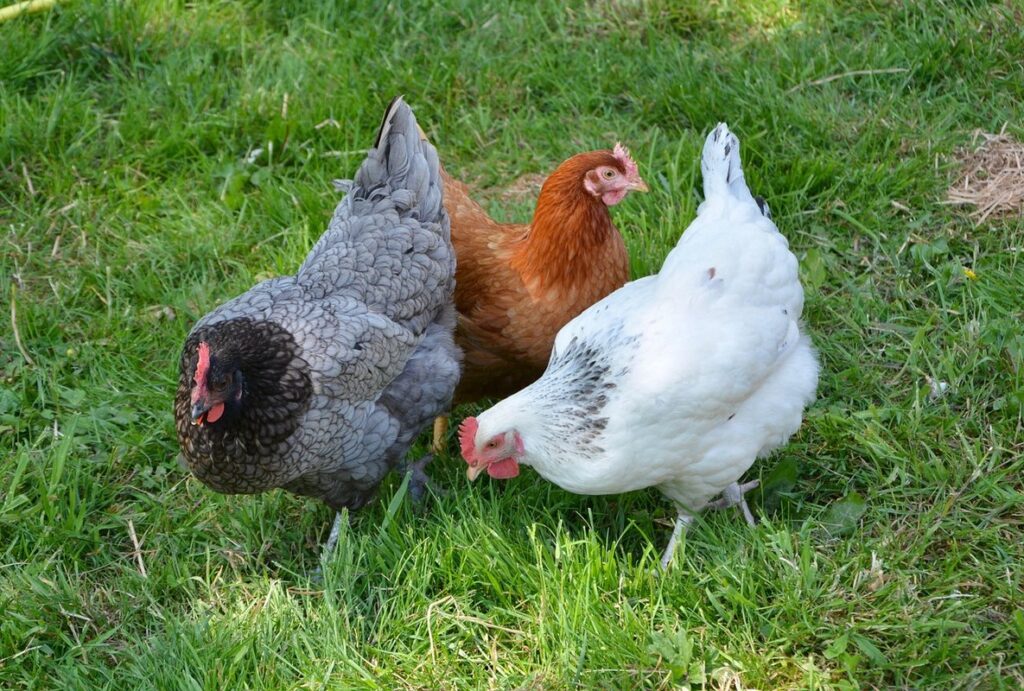
Understanding Hen Behavior and Physiology
To understand why some hens lay more eggs than others, let’s dive into their fascinating behavior and physiology to uncover the secrets behind egg production.
Factors Influencing Egg Laying
A hen’s egg-laying ability is influenced by several key factors that you should be aware of as a responsible chicken keeper. First and foremost, breed plays a significant role, with some breeds laying more eggs than others. For example, Leghorns are known to lay up to 300 eggs per year, while Orpingtons may only manage around 200. Age is another crucial factor, with most hens reaching their peak egg-laying potential between 18 and 24 months old.
Nutrition also has a significant impact on egg production. A balanced diet that includes plenty of protein, calcium, and other essential nutrients will support healthy egg-laying. However, overfeeding can lead to reduced laying efficiency, so it’s essential to monitor your hens’ food intake carefully. Lighting is another critical factor, with adequate daylight stimulating the production of hormones that regulate egg-laying. And finally, stress levels should be kept in check, as chronic stress can suppress egg production and lead to other health issues.
A hen’s environment also plays a crucial role in her ability to lay eggs efficiently. Providing ample space, fresh air, and clean living conditions will help minimize stress and promote optimal laying performance. Consider implementing strategies like rotational grazing or creating a stimulating foraging area to keep your hens engaged and active.
Normal vs. Abnormal Egg Production
Normal egg production in hens typically follows a predictable pattern. Healthy hens usually lay around 280-300 eggs per year, with most breeds peaking at this rate between 18 and 24 months of age. As they reach the end of their laying cycle, which is usually around four to five years, egg production will gradually decrease.
Abnormal egg production, on the other hand, can manifest in several ways. One common sign is a significant drop in egg numbers or complete cessation of laying. This could be due to various health issues such as calcium deficiencies, malnutrition, or stress caused by environmental changes like extreme temperatures or overcrowding. Other signs include excessive molting, where hens shed feathers more frequently than usual, leading to a decrease in egg production.
Identifying the root cause is crucial to addressing abnormal egg production. For instance, if you suspect nutritional deficiencies are the issue, adding supplements rich in calcium and protein can help alleviate the problem. In cases of stress-induced reduced laying, providing enrichment activities or modifying the coop environment may be necessary. Regular monitoring of your hens’ behavior, health, and living conditions is essential to ensure optimal egg production.
Factors Affecting Egg Laying
When it comes to egg laying, you want to know what affects your hens’ production so you can support them and maximize their output. Let’s explore some key factors that influence their egg-laying abilities.
Nutrition and Diet
A balanced diet is crucial for optimal egg laying in hens. A well-planned nutritional regimen ensures that your flock receives all the necessary nutrients to maintain their overall health and reproductive performance.
Essential nutrients such as protein, calcium, phosphorus, and vitamins play a vital role in egg production. Calcium is particularly important, making up approximately 95% of an eggshell’s composition. Include high-calcium feed, dark leafy greens like kale and spinach, or crushed oyster shells in their diet to meet this requirement.
Supplements can also contribute to a hen’s overall health and egg-laying abilities. Omega-3 fatty acids, often found in flaxseed or fish oil, support heart health and promote the production of healthy eggs. Probiotics help maintain gut health, which is essential for nutrient absorption and immune function.
Treats like fruits, vegetables, and herbs can add variety to their diet while providing essential vitamins and minerals. However, ensure that treats are fed in moderation due to high sugar content and calorie intake. Consider adding a treat like mealworms or sunflower seeds as an occasional reward.
Health Considerations
Maintaining good health is crucial for hens to produce high-quality eggs consistently. Common health issues in backyard flocks include respiratory problems, parasites, and reproductive disorders. To prevent these issues, provide a clean and spacious coop with adequate ventilation, ensure access to fresh water and nutritious feed, and maintain a balanced calcium intake through oyster shells or crushed eggshells.
Monitor your hens regularly for signs of illness or injury, such as labored breathing, lethargy, or changes in appetite. Watch for early indicators like droopy wings, pale combs, or excessive scratching. Promptly treat any health issues to prevent the spread of disease and promote recovery. For example, if you notice a hen’s egg production slowing down, check for signs of reproductive disorders, such as soft-shelled eggs or bloody yolk.
Some key preventative measures include keeping your coop clean by regularly removing soiled bedding, maintaining a balanced vitamin and mineral diet, and providing regular access to fresh air and sunlight. Ensure your hens receive adequate calcium through oyster shells or crushed eggshells to promote strong eggshell production.
Egg Laying Cycles and Phases
As you work on understanding your hens’ egg-laying habits, it’s essential to grasp the different cycles and phases that govern their reproductive process. Let’s break down these natural ebbs and flows together.
The First-Year Cycle
As a new flock owner, it’s exciting to watch your pullets transform into laying hens. The first-year cycle is a critical period, and understanding what to expect can help you better care for your girls. Typically, pullets start laying eggs between 16 to 24 weeks of age, with the average age being around 18-20 weeks.
During this time, egg production rates are usually lower than they will be in subsequent years. You can expect about 280-300 eggs per year from a healthy hen during her first year, which translates to around 5-6 eggs per week. It’s essential to remember that individual hens may vary, and some might lay more or less than this average.
Some challenges you might encounter include pullet stress, heat stress, and nutritional deficiencies. To ensure your girls thrive, provide a balanced diet rich in protein and calcium. Make sure their coop is well-ventilated and maintained at a comfortable temperature. By being attentive to these details, you’ll set your hens up for success and help them reach their full egg-laying potential.
Mature Hen Egg Laying Patterns
As hens mature and reach their prime egg-laying years, their egg-laying patterns become more predictable. On average, a healthy mature hen will lay around 280-300 eggs per year, with some breeds laying up to 320 or more. However, factors such as nutrition, health, and breed can significantly impact an individual hen’s egg production.
Proper nutrition is essential for maintaining optimal egg-laying performance. A diet rich in protein, calcium, and vitamins will help support a hen’s reproductive system and ensure consistent egg production. Many commercial layer feeds are formulated to meet these nutritional needs, but supplementing with fresh fruits and vegetables can provide additional benefits.
In addition to nutrition, health issues such as molting, respiratory problems, and parasites can also affect egg-laying frequency and quantity. Regular monitoring of your flock’s overall health and prompt treatment of any health issues will help minimize the impact on egg production. By providing a balanced diet, maintaining good health practices, and managing potential stressors, you can help your mature hens reach their full egg-laying potential.
Tips for Improving Egg Production
To boost your hens’ egg-laying capabilities, focus on providing a balanced diet rich in calcium and protein, as well as ensuring access to fresh water at all times.
Breeding and Selection
When it comes to egg production, choosing the right breed of hen is crucial. Not all breeds are created equal when it comes to laying eggs, and some thrive better in certain climates than others. For example, Leghorns are known for their high egg-laying capacity but may not do as well in cold temperatures. On the other hand, Orpingtons are good layers and can tolerate cooler climates.
To select a breed that suits your needs, consider your climate and the number of eggs you want to produce per year. If you live in an area with extreme temperatures or have limited space, look for breeds that are heat-tolerant or cold-hardy. Research different breeds and their characteristics to make an informed decision.
Once you’ve chosen a breed, selecting high-performing individuals is just as important. Look for hens with good egg-laying records, vigor, and temperament. Many breeders will share information about the health and performance of their birds. Ask questions and do your research before purchasing new additions to your flock.
Environmental Considerations
When it comes to egg laying, environmental factors play a significant role in determining your hens’ productivity. The space provided for your flock has a direct impact on their comfort and ability to lay eggs. Make sure to provide at least 2-4 square feet of floor space per hen inside the coop, with adequate ventilation to prevent ammonia buildup from droppings.
Lighting is another crucial aspect to consider, as hens require around 14 hours of daylight or artificial lighting to stimulate egg production. Ensure that your coop is well-lit, either through natural light during the day or using specialized LED lights at night. Maintain a consistent temperature range between 40°F and 80°F (4°C-27°C) within the coop, avoiding extreme temperatures that can stress your hens.
To optimize these conditions, consider implementing enrichment activities such as scratching posts, foraging toys, or rotating perches to keep your flock engaged and stimulated. By providing a comfortable environment that meets their physical and psychological needs, you’ll be rewarded with healthier, happier hens that consistently lay eggs.
Common Issues and Troubleshooting
If you’re experiencing issues with your hens’ egg laying, this section is here to help you identify common problems and find solutions to get your girls back on track. Let’s tackle these challenges together!
Recognizing Red Flags
As you monitor your hens’ egg laying habits, it’s essential to be aware of early warning signs that may indicate health issues or stressors impacting production. These “red flags” can help you catch problems before they escalate and take action to prevent a decline in egg output.
Look out for changes in behavior, such as increased dust-bathing, vocalization, or excessive preening. A decrease in water intake or changes in droppings consistency may also be indicative of underlying health concerns. Be mindful of sudden fluctuations in egg size, color, or shell quality.
For example, if you notice a significant drop in egg production over a short period, it could signal the presence of internal parasites like worms or lice. Similarly, if your hens are consistently producing eggs with unusual characteristics, such as soft shells or misshapen yolks, it may be a sign of nutritional deficiencies or health issues.
If you identify any red flags, take immediate action by conducting a thorough examination of your flock’s living conditions and feeding habits. Consult with a veterinarian to rule out underlying health concerns and make necessary adjustments to prevent further decline in egg production.
Solutions for Low Egg Production
If you’ve noticed a decline in egg production from your hens, there are several strategies to help address this issue. Dietary adjustments can play a significant role in stimulating egg laying. Adding calcium-rich foods such as oyster shells or crushed eggshells to their feed will provide essential nutrients for strong eggshell production.
Consider changing the environment where your hens live. Ensure they have enough space and adequate ventilation to maintain optimal health. Provide dust baths and scratching posts to reduce stress. A well-maintained coop with proper lighting, temperature, and hygiene can make a significant difference in their egg-laying abilities.
In some cases, medical interventions may be necessary if the reduced laying persists. Consult a veterinarian specializing in poultry care to determine if any underlying health issues are contributing to the problem. They can provide guidance on treatments or supplements that might be necessary. Implementing these solutions in conjunction with good management practices will help your hens return to their optimal egg-laying potential.
Conclusion
So, you’ve learned all the tips and tricks for encouraging your hens to lay eggs at their best. Now it’s time to put these insights into practice.
Recap of Key Points
When you’re done reading this comprehensive guide on hens egg laying, you’ll have a solid understanding of what drives their behavior and lays the foundation for maximizing egg production. Here’s a recap of key points to keep in mind as you embark on improving the health and productivity of your flock.
Key Factors Affecting Hen Behavior: The nutrition, living conditions, and management practices play a critical role in influencing hen behavior. Adequate access to clean water, nutritious feed, and sufficient space can significantly impact egg laying patterns. Research has shown that hens kept in enriched environments tend to exhibit reduced stress levels and improved overall health.
Understanding Egg Laying Patterns: Every breed of chicken lays eggs at its own pace, but factors such as age, nutrition, and light exposure can impact production. For example, most commercial breeds reach peak egg production between 18-24 weeks, but this may vary depending on the specific breed. Some hens will lay consistently throughout their lives, while others will experience periods of increased or decreased production.
Putting It All Together: To optimize egg laying in your flock, it’s essential to consider these key factors and create a supportive environment for your birds. This includes providing adequate nutrition, maintaining clean living conditions, ensuring sufficient light exposure, and establishing a routine management plan. With careful attention to these elements, you can help reduce stress levels and promote optimal health in your hens.
To ensure the long-term success of your flock, make it a point to regularly monitor their behavior and adjust your management strategies accordingly. By doing so, you’ll be well on your way to maximizing egg production while fostering a happy and healthy environment for your birds.
Frequently Asked Questions
How can I determine if a new hen’s low egg production is due to breed or age?
A new hen may take time to adjust to her surroundings, which can impact her initial egg-laying performance. To determine whether breed or age is the issue, consider monitoring her behavior and keeping track of her progress over several weeks. If she seems healthy but still struggles to produce eggs, it’s possible that breed plays a role in her lower egg count.
What signs should I look out for if my hens’ egg production drops significantly?
Keep an eye on your hens’ overall health and behavior. Look for changes in appetite, droppings quality, or feather condition. A sudden drop in egg production could be a sign of stress, illness, or nutritional deficiencies. Monitor their living conditions, ensuring they have access to clean water, balanced nutrition, and adequate space.
Can I improve my hens’ egg laying performance by changing their environment?
Yes, providing an enriching environment can boost your hens’ overall well-being and stimulate egg production. Consider adding new perches, toys, or plants to create a stimulating atmosphere. Ensure sufficient light exposure, especially for breeds that thrive in sunny conditions.
What’s the optimal space requirement for each hen, considering factors like breed and age?
The ideal space allowance varies depending on breed and age. As a general guideline, provide at least 3-4 square feet of floor space per adult hen inside the coop and 8-10 square feet of outdoor run space per bird. Adjust these estimates based on your flock’s specific needs, taking into account factors like climate, health conditions, and individual personalities.
How often should I collect eggs to maintain optimal hens’ egg laying performance?
Collecting eggs regularly will help prevent breakage and stress on the hens’ backs. Remove eggs at least once a day, but ideally every 12-24 hours for optimal freshness and hens’ comfort. Consider installing an automatic egg collector or implementing a regular collection schedule to streamline this process.