
When it comes to backyard chickens or farm flocks, understanding the basics is crucial for success. Many people use the terms “hen” and “chicken” interchangeably, but they refer to distinct stages of a chicken’s life cycle. In this article, we’ll delve into the fascinating world of chickens, exploring the characteristics that set hens apart from their younger counterparts. From egg-laying capabilities to social interactions, breeding, care, and management practices will be examined. Whether you’re a seasoned farmer or just starting out with your first flock, it’s essential to know what to expect when raising hens versus keeping young chickens. By the end of this article, you’ll have a solid grasp on the differences between these two stages of chicken development, allowing you to make informed decisions about breeding and care.
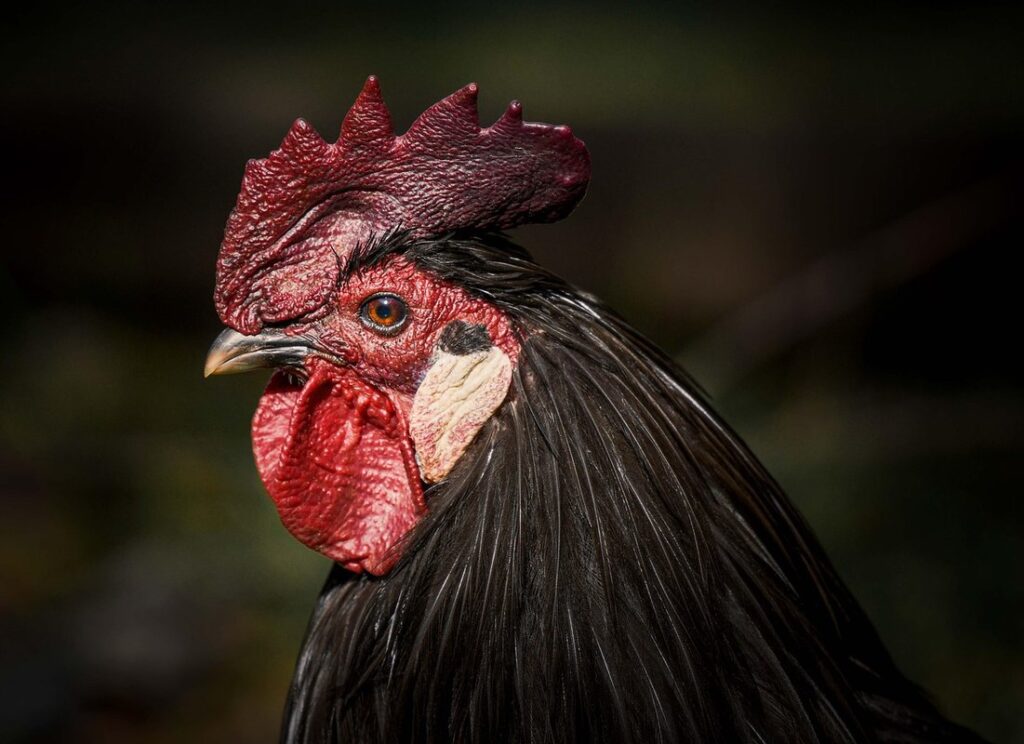
What is a Chicken?
So, you’re wondering what exactly makes a chicken a chicken? Let’s start at the beginning and explore the definition of a chicken.
Definition and Classification
A chicken is perhaps one of the most widely consumed and versatile domesticated birds globally. It belongs to the family Phasianidae and the order Galliformes. Chickens are primarily classified as a type of bird that has undergone significant changes through selective breeding over centuries, resulting in numerous breeds with distinct physical characteristics.
One key characteristic that distinguishes chickens from other fowl is their compact body size, typically ranging between 20-40 pounds (9-18 kg) in weight and measuring up to 3 feet (90 cm) in height. Chickens also have a broad range of plumage colors and patterns, making them easily distinguishable.
Chickens can be broadly categorized into two types: hens and roosters. Hens are female chickens that are capable of laying eggs, whereas roosters are male chickens known for their distinctive crowing sound and aggressive behavior during mating season. Both these categories share a common origin as domesticated birds, developed from the wild jungle fowl (Gallus gallus) species.
In conclusion, understanding the basic characteristics and classification of a chicken is essential in comprehending the differences between hens and chickens. By recognizing their physical traits and behaviors, you can make informed decisions about your backyard flock or even choose between buying eggs from local farms versus store-bought eggs.
Evolutionary History
Chickens have a rich and fascinating evolutionary history that spans thousands of years. Their wild ancestors date back to the theropod dinosaurs of the Mesozoic Era, with the modern chicken’s closest relative being the dromaeosaurid Velociraptor. Over time, these feathered carnivores evolved into larger, more omnivorous birds such as the Archaeopteryx and later, the Gallus gallus, which is the wild jungle fowl.
These early bird ancestors were domesticated around 8,000 years ago in Southeast Asia, marking the beginning of a significant shift in their evolutionary trajectory. As humans began to select for desirable traits, chickens underwent rapid changes, developing unique characteristics such as docility and increased egg-laying capacity. Interestingly, archaeological evidence suggests that chickens were initially valued not just for their meat and eggs but also for their feathers, which were used in rituals and ceremonies.
The domestication of wild fowl is a testament to the ingenuity and adaptability of our ancestors. By understanding the evolutionary history of chickens, we can appreciate the incredible journey these birds have undertaken to become the diverse range of breeds we see today.
What is a Hen?
So, you might be wondering, what exactly makes a bird a hen as opposed to just any old chicken? Let’s break down the key characteristics of hens.
Female Chicken Characteristics
When it comes to female chickens, also known as hens, there are several distinct physical and behavioral characteristics that set them apart from their male counterparts. One of the most noticeable features is their plumage, which is often longer and more vibrant than that of roosters. Hens typically have a more rounded body shape, with a slightly smaller comb on top of their head.
In terms of beak shape, hens tend to have a straight or slightly curved beak, which is ideal for scratching and pecking at the ground in search of food. This feature is essential for hens as they rely heavily on foraging to gather nutrients necessary for laying eggs. Speaking of egg-laying, hens are also distinguished by their reproductive traits, including a cloaca that’s specifically designed for egg production.
Hens’ unique characteristics play a crucial role in their ability to lay eggs and care for chicks. For example, they use their strong beaks to break open seeds and grains, while their powerful legs enable them to scratch up food from the ground. If you’re raising hens for egg-laying purposes, understanding these physical and behavioral traits will help you create an optimal environment that meets their needs.
Roles of Hens in the Flock
When you have a flock of chickens, it’s fascinating to observe the social hierarchy at play. Hens, being the females, often take on prominent roles within the group. As mothers, they provide nurturing care for their own chicks, teaching them essential survival skills and keeping them safe from harm. But hens’ caregiving extends beyond just their own offspring – they also look out for each other’s young.
In many cases, a dominant hen will assume a leadership role, setting the tone for the rest of the flock. She’ll establish routines, alert others to potential threats, and maintain order within the group. Her behavior contributes significantly to the overall health and well-being of the flock. For instance, if you notice a new chicken joining your flock, observe how the dominant hen interacts with her – she may even take on a mentorship role, teaching the newcomer important pecking order rules.
By recognizing the roles hens play within their flocks, you can better understand and appreciate these intelligent birds. By creating a safe and nurturing environment for them, you’ll be rewarded with a harmonious and thriving flock.
Hen vs Chicken: What’s the Difference?
When it comes to egg-laying birds, you might be wondering what sets hens apart from chickens. Let’s explore the differences between these two terms in more detail.
Biological Differences
When it comes to understanding the difference between hens and chickens, it’s essential to consider their biological makeup. While often used interchangeably, hens and chickens are not the same thing. A key distinction lies in their reproductive capabilities. Hens, specifically mature females, have a unique physiological adaptation that sets them apart from roosters and younger hens. They have fully developed ovaries capable of producing eggs, whereas roosters and immature hens do not.
In fact, it’s estimated that only about 50% of female chickens will develop into egg-laying hens, with the remaining 50% either being infertile or developing into sterile roasters. This distinction highlights the importance of considering a chicken’s age and sex when trying to determine its purpose on your farm or homestead. For example, if you’re planning to keep chickens for eggs, it’s crucial to ensure you have enough mature hens in your flock.
In addition to reproductive capabilities, lifespan also varies between hens and chickens. On average, a hen will live around 5-7 years, whereas some breeds of chickens can live up to 10-15 years.
Practical Implications
In everyday life, understanding the difference between hens and chickens can have significant implications for various industries and individuals. For farmers and agricultural professionals, misidentifying a bird as either a hen or a chicken can lead to incorrect breeding strategies and reduced egg production. This, in turn, can result in financial losses and affect food security.
In backyard chicken-keeping, the distinction between hens and chickens is crucial for ensuring the well-being of both humans and birds. If a bird is incorrectly identified as a hen, it may not receive the necessary care or be provided with suitable living conditions, leading to stress and potential health issues. On the other hand, recognizing a bird as a chicken can help backyard farmers prioritize their needs and provide appropriate housing and nutrition.
To avoid these consequences, it’s essential for individuals involved in agriculture and backyard chicken-keeping to educate themselves on the characteristics that distinguish hens from chickens. By doing so, they can make informed decisions and take necessary steps to ensure the health and productivity of their birds.
Hen Behavior: Understanding Their Traits
Let’s take a closer look at hens, specifically their behavior and traits that set them apart from chickens. You’ll discover the unique characteristics that make each breed stand out in its own way.
Maternal Instincts
When it comes to understanding hen behavior, one of the most fascinating aspects is their maternal instincts. Mother hens are incredibly devoted and nurturing caregivers, taking on multiple responsibilities to ensure the survival and well-being of their chicks.
As soon as a mother hen senses that her eggs are fertile, she begins to exhibit brooding behavior. This involves settling into a comfortable position on the nest, where she will sit for extended periods, rotating between eggs to keep them warm and secure. She also takes turns incubating each egg for 24-hour stretches, showcasing remarkable endurance.
One of the most impressive aspects of mother hen behavior is their ability to feed and protect their chicks. From the moment they hatch, the mother hen begins to teach her young ones essential survival skills, including pecking at grain and finding food sources. She also aggressively defends her brood against potential threats, making sure that each chick receives equal attention and care.
To encourage successful chick rearing in your flock, it’s essential to provide a safe and nurturing environment for mother hens to raise their young. This includes offering ample space for nesting, a reliable food source, and protection from predators. By supporting these natural instincts, you can help ensure the overall health and well-being of your flock.
Social Interactions
When it comes to social interactions within a flock of chickens, hens tend to dominate the scene. A single rooster may have multiple hens vying for his attention, but hens themselves are highly social creatures that thrive on interaction with their fellow females.
In a typical flock, you’ll often see hens establishing pecking orders, with more dominant birds taking charge and asserting their position through assertive posturing and vocalizations. This can be observed in how they approach food and water sources, with dominant hens claiming prime spots and subordinate ones deferring to them.
Interestingly, hens have been known to form close bonds with one another, often engaging in activities like preening, where they’ll gently groom each other’s feathers using their strong beaks. This behavior not only helps maintain plumage but also reinforces social connections within the group.
If you’re raising backyard chickens, encouraging these social interactions is crucial for a harmonious and healthy flock. By providing multiple perches, dust baths, and designated areas for foraging and resting, you can foster an environment that allows hens to express their natural social behaviors.
Chicken vs Hen: Common Misconceptions
Let’s get straight into common misconceptions surrounding chickens and hens, debunking what you thought was true about these two bird types. We’ll clear up some surprising facts along the way.
Debunking Myths and Stereotypes
Many people assume that all chickens are hens and that a hen is simply an older chicken. However, this couldn’t be further from the truth. The terms “chicken” and “hen” have distinct meanings, which are often misinterpreted.
From a biological perspective, both males and females are referred to as chickens. This encompasses over 300 breeds of domesticated fowl that fall under the category of Gallus gallus domesticus. In other words, any bird that is a member of this species is considered a chicken, regardless of its sex.
The term “hen,” on the other hand, specifically refers to an adult female chicken that has begun laying eggs. So, not all chickens are hens, but rather only those females who have reached reproductive maturity and start producing eggs regularly. Conversely, it’s also incorrect to assume that a hen is simply an older chicken; age does not determine whether a bird is a hen or not. What matters is its biological sex and reproductive capabilities.
It’s essential to understand these distinctions to avoid perpetuating myths and stereotypes. By accurately identifying the differences between chickens and hens, you can improve your knowledge and appreciation for these fascinating birds.
Implications of Misidentification
Misidentifying birds as either hens or chickens can have far-reaching consequences on their health and well-being. For instance, if you mistakenly believe a bird is a chicken, you may not provide it with the proper care and attention that a hen requires. Hens are often more mature than chickens and require specialized nutrition to maintain their reproductive health.
If left unattended, this can lead to poor management practices such as inadequate space allocation or incorrect feeding schedules. As a result, hens may develop behavioral problems like excessive pecking or egg-laying disorders due to stress and nutritional deficiencies. Flock health is also negatively impacted when misidentification occurs, leading to the spread of diseases through contaminated feed, water, and environments.
To avoid such consequences, it’s essential to understand the difference between hens and chickens at various stages of their lives. For example, a hen typically lays eggs after reaching maturity (around 18-24 weeks), while a chicken may still be developing its reproductive organs during this period. By being aware of these distinctions, you can provide your birds with the right care and attention they need to thrive, ensuring a healthier and more harmonious flock.
Choosing the Right Chicken Breed
When it comes to raising chickens, choosing the right breed is crucial for your needs and lifestyle. With over 300 breeds to select from, making an informed decision can be overwhelming.
Selecting for Hen Characteristics
When selecting breeds for their desirable hen characteristics, it’s essential to prioritize traits that align with your needs and preferences. If you’re an avid baker or cook, look for breeds known for high egg production, such as Leghorns, which can lay up to 280 eggs per year.
On the other hand, if you have young children or live in a small backyard, consider docile breeds like Orpingtons or Plymouth Rock. These gentle giants are perfect for families and will provide plenty of entertainment with their friendly nature.
Impressive plumage is another desirable trait, especially for those who appreciate a breed’s aesthetic appeal. Consider show-stopping breeds like Araucanas or Ameraucanas, known for their vibrant blue eggs and stunning feathers.
When identifying breeds that meet specific needs and preferences, consider the following factors:
• Climate: If you live in a hot climate, look for heat-tolerant breeds like Australorps or Sussex.
• Space: For small backyard enthusiasts, consider compact breeds like Polish or Campines.
• Purpose: Determine whether you’re raising chickens primarily for eggs, meat, or ornamental purposes.
Ultimately, the right breed will depend on your unique circumstances and priorities. Take your time to research and select a breed that meets your needs, ensuring a harmonious and rewarding experience with your feathered friends.
Integrating Chickens into Your Life
Introducing chickens to your backyard can be a delightful experience, but it’s essential to consider their needs and requirements. Before bringing home your feathered friends, think about the space you have available for them to roam. A general rule of thumb is to provide at least 2-4 square feet of space per bird inside the coop, and 8-10 square feet per bird in the run or outdoor area.
In addition to space, ensure you’re prepared to feed your chickens a balanced diet that includes a mix of grains, proteins, and vegetables. Chickens are social animals, so consider their behavior and biology when creating a happy and healthy flock. For instance, they have a natural pecking order, so introduce new birds slowly and under close supervision.
Develop a deeper understanding of chicken behavior by observing their body language and vocal cues. Pay attention to signs of stress or anxiety, such as excessive feather plucking or aggression towards other birds. By being attentive to your flock’s needs and taking the time to learn about their unique characteristics, you’ll be well on your way to creating a harmonious and thriving backyard chicken community.
Conclusion: Embracing the Diversity of Chickens
In conclusion, understanding the difference between hens and chickens is essential for backyard flock enthusiasts and poultry farmers alike. By embracing the diversity of chickens, we can appreciate the unique characteristics that set each breed apart. Whether you’re raising Leghorns for their high egg production or Orpingtons for their gentle nature, recognizing the individual traits of your birds will help you provide the best care possible. Consider keeping a flock journal to track feeding habits, laying patterns, and personality quirks – it’s a great way to get to know each bird on a personal level. By doing so, you’ll not only enjoy watching your chickens thrive but also build a deeper connection with these fascinating creatures.
Frequently Asked Questions
How do I determine the sex of my chicken?
To determine the sex of your chicken, observe their behavior, physical characteristics, and comb development. Males typically have larger combs, louder calls, and more aggressive behavior than females. By around 16-20 weeks of age, you can usually identify males based on these traits.
Can I keep both hens and young chickens together in the same flock?
It’s best to introduce older hens to younger chickens gradually, allowing them to become familiar with each other. Younger chickens may be too energetic or curious for older hens, so monitor their interactions closely to ensure a harmonious flock dynamic.
How often should I expect my hen to lay eggs?
The frequency of egg-laying depends on various factors such as breed, nutrition, and age. A healthy laying hen can produce around 280-300 eggs per year. Monitor your hen’s production and adjust her diet or living conditions accordingly to optimize egg output.
What are some common signs that a hen is transitioning into an older stage of life?
As hens age, you may notice a decrease in egg-laying frequency, changes in plumage or feather condition, or a more laid-back demeanor. Ensure they receive proper nutrition and care during this transition period to maintain their overall health.
Can I breed chickens specifically for desired traits like docility or high egg production?
Yes, responsible breeding practices involve selecting individuals with desirable characteristics and then interbreeding them to pass on those traits to future generations. This process requires careful record-keeping, genetic understanding, and attention to factors such as linebreeding and outbreeding.