
If you’re anything like me, the idea of cracking open an egg and watching a bright green yolk ooze out is both fascinating and intimidating. But have you ever wondered why some hens lay eggs that defy the norm? It’s not just a matter of food coloring or dye – the green egg-laying trait is a unique characteristic found in certain breeds, and it’s got science behind it. In this article, we’ll delve into the world of green eggs, exploring the genetics and biology behind this phenomenon. We’ll also identify some of the most popular breeds that lay these unusual eggs, as well as discuss their nutritional benefits – after all, are they really as healthy as they seem?
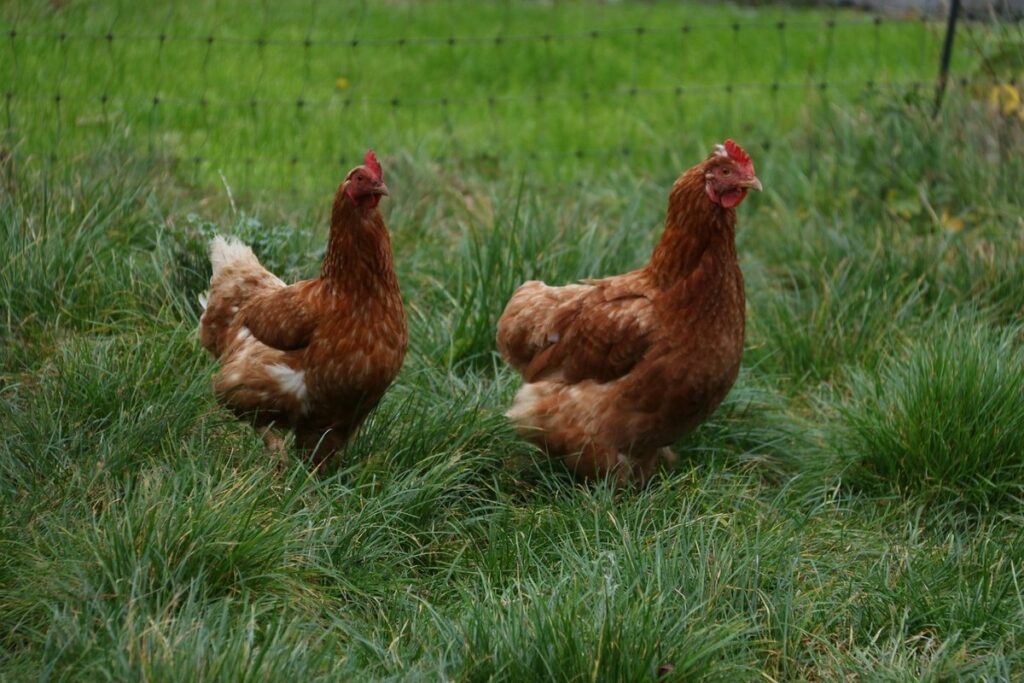
What Are Green Eggs?
So, you’re curious about what makes green eggs truly special? Let’s dive into the fascinating world of genetics and learn why some hens lay those gorgeous emerald ova.
Understanding the Science Behind Green Eggshell Coloration
So you’ve heard that some hens produce eggs with an emerald glow, but have you ever wondered what makes this magic happen? It all comes down to the science behind green eggshell coloration. To start, it’s essential to understand the role of pigments in egg production.
Pigments are responsible for giving eggs their distinctive colors and shades. The two main pigments involved in eggshell coloration are porphyrins and biliverdin. While these pigments can produce a range of colors, including pink, yellow, and brown, it’s the interaction between them that creates the green hue.
Now, you might be wondering why some hens have this genetic predisposition to lay green eggs. It turns out that genetics play a significant role in determining eggshell coloration. The specific combination of genes inherited from a hen’s parents can result in the production of unique pigments, leading to the stunning green color we see.
Interestingly, breeding programs aimed at cultivating green-egged hens have shown that genetics alone aren’t enough – environmental factors also come into play.
Identifying Hens That Lay Green Eggs
When it comes to identifying hens that lay green eggs, you’ll want to focus on specific breeds and characteristics. The Araucana is a popular choice among backyard chicken enthusiasts, known for laying blue or blue-green eggs due to a genetic trait called “oculate” or “ocelli.” This breed’s unique characteristic causes the pigment in their eggs to reflect light, giving them an otherworldly appearance.
Another notable mention is the Ameraucana, another heritage breed that shares similarities with the Araucana. While not exclusively laying green eggs, some Ameraucanas can produce blue-green ova due to their genetic makeup. Some hatcheries even specialize in breeding these birds specifically for their egg-laying abilities.
When selecting a hen for its potential to lay green eggs, consider factors such as genetics, diet, and overall health. A balanced feed with adequate protein content will help support the bird’s natural pigment production. Keep in mind that even within breeds known for laying green eggs, individual results may vary.
History of Green-Egg-Laying Hens
For centuries, green-egg-laying hens have been a prized treasure among backyard chicken enthusiasts, and their fascinating history is full of surprises. Let’s dive into where these unique birds originated.
Ancient Origins and Cultural Significance
Green egg-laying hens have been a source of fascination for centuries, and their history is deeply rooted in ancient cultures. Let’s take a step back in time to explore the significance of these emerald ova in civilizations such as ancient Rome and China.
In ancient Rome, green eggs were considered a luxury food item, often served at special occasions like banquets and feasts. The Roman naturalist Pliny the Elder noted that green egg-laying hens were prized for their unique trait, which was believed to be a sign of good luck and prosperity. Roman cooks would carefully prepare these eggs as a delicacy, often serving them with herbs and spices.
In China, green eggs have been cherished for centuries, particularly during the Qing dynasty. Chinese legend has it that the emerald ova were considered a symbol of fertility and good fortune. Many farmers in ancient China bred their hens specifically to produce these coveted eggs, which were then sold at high prices to discerning customers.
Interestingly, both cultures revered green egg-laying hens for their rarity and nutritional value. These eggs are rich in antioxidants and have been linked to several health benefits, including improved eye health and reduced inflammation. While we can’t travel back in time to taste these ancient delicacies, we can still appreciate the cultural significance of green eggs and strive to raise our own green egg-laying hens with care and attention to detail.
Breeds and Bloodlines
As we explore the history of green egg-laying hens, it’s fascinating to see how specific breeds and bloodlines have been developed over time. One key milestone was the introduction of the Araucana breed, originating from South America in the 16th century. This hardy bird was prized for its unique ability to lay blue eggs, but through selective breeding, some lines began to produce green or even purple eggs.
In the mid-20th century, breeders began experimenting with crossing different Araucana bloodlines with other breeds, such as Marans and Ameraucanas, to create green egg-laying offspring. This led to the development of new breeds like the Olive Egger and the Blue/Green Ameraucana. Today, these birds are highly sought after by backyard chicken keepers looking to add some excitement to their flock.
When selecting a breed or bloodline for green eggs, consider factors such as egg production rate, temperament, and climate adaptability. For example, if you live in an area with cold winters, look for breeds that are resistant to frostbite. By understanding the genetic history of these birds and choosing the right combination for your needs, you can enjoy a steady supply of green eggs from your backyard flock.
The Benefits of Green Eggs
So, you’re eager to learn about all the amazing advantages of having green eggs in your life – let’s dive into the benefits! From improved nutrition to unique gifts for friends and family.
Nutritional Value and Health Properties
Eggs from hens that lay green eggs are not only a delight to cook with, but they also boast a unique nutritional profile that sets them apart from their brown-egg-laying counterparts. The pigments responsible for the green coloration, biliverdin and other carotenoids, have been shown to have potent antioxidant properties. This means that consuming green eggs can help reduce oxidative stress in the body, which is linked to various chronic diseases.
Research has also indicated that the higher levels of certain vitamins and minerals found in green eggs may contribute to improved heart health and immune function. For example, studies have found that green egg yolks are rich in lutein and zeaxanthin, antioxidants that protect the eyes from damage and reduce the risk of age-related macular degeneration.
While more research is needed to fully understand the health benefits of green eggs, incorporating them into a balanced diet may provide an added nutritional boost. Consider pairing green eggs with whole grain toast or vegetables for a nutritious breakfast or snack.
Cooking and Recipe Ideas
Green eggs are incredibly versatile and can be incorporated into various meals beyond just breakfast. When it comes to cooking with green eggs, one of the most significant considerations is their distinct flavor profile. Since these eggs have a richer, more earthy taste compared to regular eggs, they pair well with ingredients that complement this character.
For breakfast enthusiasts, consider adding green eggs to an omelette or frittata with roasted vegetables like asparagus and bell peppers. This combination not only showcases the unique flavor of the green eggs but also adds a pop of color to the dish. Alternatively, serve them scrambled with sautéed spinach and cherry tomatoes for a nutrient-packed meal.
When it comes to using green eggs in recipes, don’t be afraid to experiment with different cuisines. For instance, incorporate them into a Japanese-inspired sushi roll or use them as a topping for an Indian-style breakfast dish like masala omelette. The possibilities are endless when working with green eggs, and their distinctive taste will add a new dimension to your cooking repertoire.
To get the most out of your green eggs, remember that they can be used interchangeably in many recipes. However, since they have a stronger flavor, use them sparingly if you’re unsure how they’ll pair with other ingredients.
Raising Hens That Lay Green Eggs
Now that you know what green eggs are all about, let’s dive into raising hens that can lay these stunning emerald ova. We’ll cover the special care and needs of these unique birds.
Starting Your Own Flock
Starting your own flock of green egg-laying hens can be an exciting and rewarding experience. Before you begin, it’s essential to set up a coop that will provide a safe and healthy environment for your birds. Consider building or purchasing a coop with adequate ventilation, nesting boxes, and space for your hens to roam. You’ll also want to ensure the coop is predator-proofed to protect your flock from potential threats.
When choosing breeds, look for those known to lay green eggs, such as Araucanas, Ameraucanas, or Easter Eggers. These birds are often hardy and adaptable, making them a great choice for backyard flocks. Research each breed’s specific needs and characteristics to determine which one will thrive in your climate and environment.
Begin by purchasing 3-4 pullets (young hens) from a reputable breeder or hatchery. Introduce them to their new coop gradually, allowing them time to adjust to their surroundings. Provide plenty of fresh food, water, and supplements to promote healthy laying habits. As you get to know your flock, you’ll be able to tailor their care to meet their unique needs, ensuring a bountiful harvest of green eggs for years to come.
Keep in mind that starting small will allow you to fine-tune your management skills and ensure the health and well-being of your birds.
Care and Management Tips
To ensure your green egg-laying hens thrive and continue to produce their precious emerald ova, proper care and management are crucial. A balanced diet is essential for these hens, as it directly affects the quality and quantity of their eggs. Include a variety of leafy greens, such as kale, spinach, and collard greens, in their feed to provide a rich source of iron and other essential minerals.
Regular health monitoring is also vital to detect any potential issues early on. Check your hens’ droppings regularly for signs of infection or parasites, and maintain a clean living environment by removing soiled bedding and manure daily. Ensure they have access to fresh water at all times, and provide a calcium supplement to support strong eggshell production.
Aim to collect eggs from the coop twice daily, as green eggs are highly sought after and can spoil quickly in warm temperatures. This will not only prevent any potential losses but also ensure that your customers or family members get to enjoy these rare treats. By implementing these simple care practices, you’ll be well on your way to raising happy, healthy hens that consistently lay those coveted green eggs.
The Future of Green Eggs
As we’ve explored the unique characteristics and benefits of green egg-laying hens, let’s now delve into the exciting possibilities for the future of these special birds. What new breeds and innovations can we expect?
Trends in Sustainable and Local Food Systems
As the demand for sustainable food systems continues to rise, it’s no surprise that green egg-laying hens are becoming increasingly popular. Consumers are waking up to the fact that their food choices have a significant impact on the environment, and they’re seeking out options that not only taste great but also do good. By choosing to raise or purchase eggs from green egg-laying hens, consumers can support this growing movement towards sustainability.
These birds offer a unique opportunity for small-scale farmers and backyard enthusiasts alike to produce high-quality, nutritious eggs while minimizing their carbon footprint. For instance, many green egg varieties require less feed and water than traditional breeds, making them an attractive choice for eco-conscious producers. By adopting these hens into their operations, farmers can reduce waste, lower emissions, and create a more closed-loop system that benefits both the environment and their customers.
Incorporating green egg-laying hens into your food system is easier than you think – simply research local breeders or suppliers in your area to start building a sustainable flock.
Potential Applications and Innovations
As we delve into the world of green eggs, it’s exciting to consider the numerous potential applications and innovations that this unique trait could inspire. Imagine being able to use these emerald ova as a natural food coloring, reducing the need for synthetic dyes in our kitchen creations. Food manufacturers can tap into this trend by developing products with green egg yolks or using them as a sustainable alternative to artificial colorants.
Another area of exploration is breeding new varieties of hens that lay green eggs. By selectively breeding these birds, farmers and backyard enthusiasts alike can produce eggs in various shades of green, from pale lime to deep emerald. This could open doors for artisanal producers to create signature egg products with unique colors and flavor profiles.
To get started with experimenting with green eggs as a natural food coloring, try substituting them into your favorite recipes or baking projects. For example, you can use the yolks as a vibrant addition to homemade mayonnaise or deviled eggs.
Frequently Asked Questions
Can I raise green egg-laying hens at home if I don’t have experience with chickens?
Yes, raising hens that lay green eggs can be a rewarding hobby for those new to chicken-keeping. Start by researching breeds suitable for beginners and investing in proper coop and run setup. Join online communities or consult local experts to get advice on caring for your flock.
Are all green egg-laying breeds the same in terms of nutritional value?
While many breeds lay eggs with similar nutritional profiles, some may have distinct advantages due to their unique genetics and feeding habits. For example, Araucana hens are known for producing eggs high in protein and low in cholesterol. Research specific breed characteristics to choose the best option for your needs.
Can I cross-breed my existing flock to produce green egg-laying offspring?
Yes, certain breeds can be crossed with others to create green egg-laying offspring. However, this requires careful selection of parent stock, understanding of genetics, and knowledge of potential breeding complications. Consult experts in poultry science or experienced breeders before attempting to create a green egg-laying flock through cross-breeding.
How do I know if the eggs I buy from a local farm are truly green?
When purchasing green eggs, look for certifications like “Pasture-Raised” or “Free-Range,” which indicate better living conditions and potentially higher nutritional value. Also, check with the farmer directly to confirm the breed of their hens and whether they’re using any additives or dyes.
What are some common health issues associated with green egg-laying hens?
While generally hardy birds, green egg-layers can be prone to certain health issues due to their unique genetics. Common concerns include hypothyroidism, calcium deficiency, and feather pecking. Regular veterinary check-ups, proper nutrition, and a safe living environment can help mitigate these risks.