
Heritage breed chickens are more than just a nostalgic reminder of farming past, they’re an essential part of preserving our agricultural history. These unique birds have been around for centuries, and their characteristics, temperaments, and purposes are as varied as they are fascinating. If you’re considering adding some heritage breeds to your backyard flock, you’ll want to know about the benefits of raising these special birds.
From improving egg production to providing entertainment and education, heritage breed chickens can be a valuable addition to any homestead or small farm. But where do you start? This article will cover the history behind heritage breed chickens, selection tips for choosing the right breeds for your flock, and the numerous benefits of incorporating them into your backyard chicken keeping routine.
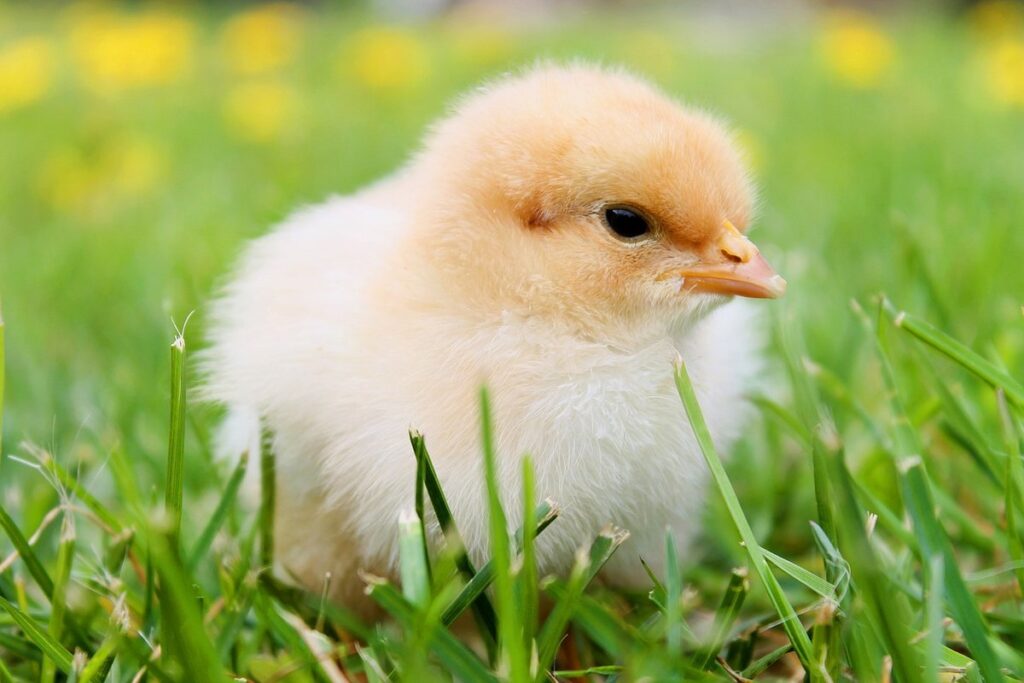
What Are Heritage Breed Chickens?
Heritage breed chickens are a unique and fascinating group of birds, carrying on centuries-old traditions and characteristics that set them apart from modern commercial breeds. Let’s take a closer look at what makes these special birds so valuable.
Importance of Heritage Breeds
Preserving heritage breed chickens is crucial for maintaining genetic diversity and preventing the loss of valuable poultry traits. These breeds have been developed over centuries to suit specific climates, diets, and management systems, making them incredibly resilient and adaptable. By preserving these breeds, you’re not only safeguarding their unique characteristics but also ensuring that they continue to thrive in backyard flocks.
In fact, heritage breed chickens are often more resistant to disease due to their diverse genetic makeup. For instance, the Barred Plymouth Rock is known for its cold hardiness, making it an excellent choice for farmers in harsh climates. Similarly, the Leghorn excels in hot temperatures, producing an impressive amount of eggs per year.
To incorporate heritage breeds into your flock, consider starting with a few individuals from reputable breeders or hatcheries. Be prepared to provide them with specialized care and management, as they may have different dietary needs or require unique housing arrangements. By making the effort to preserve these remarkable birds, you’ll be contributing to the rich history and cultural significance of poultry keeping.
Characteristics of Heritage Breeds
Heritage breeds are distinct from commercial chicken breeds due to their unique characteristics. Their origins often date back centuries, and they have been developed over time through careful selection by farmers and breeders. This selective breeding has resulted in variations in growth rates, egg-laying capacities, and feather patterns.
For example, the Barred Plymouth Rock is a fast-growing heritage breed that can reach maturity in as little as 16 weeks, whereas the Brahma takes around 24-26 weeks to mature. In terms of egg production, some heritage breeds like the Marans lay fewer eggs but with a rich, dark-brown color and larger size. Others, such as the Buff Orpington, are prolific layers.
Feather patterns also vary greatly among heritage breeds. Some have beautiful, intricate plumage like the Silkie, while others have simple yet striking patterns like the Leghorn. Understanding these characteristics can help backyard flock owners make informed decisions about which breed to add to their collection and how best to manage them.
History and Origin of Popular Heritage Breeds
Let’s take a step back in time and explore how some of these heritage breeds came to be, tracing their roots back centuries to their origins on farms and homesteads around the world. From Europe to Asia, each breed has its own fascinating story.
Ancient Origins: Egyptian Fayoumi and Indian Game Chickens
The ancient origins of heritage breeds are steeped in history and purpose. Two such breeds that showcase this unique development are the Egyptian Fayoumi and Indian Game Chickens.
Originating over 3,000 years ago in Egypt, the Fayoumi breed was first bred for fighting, prized for its ferocity and agility in cockfighting arenas. Its distinctive appearance, with a sturdy build and crested comb, made it a formidable opponent in battle. This early use for entertainment purposes highlights the complex relationship between humans and chickens throughout history.
In contrast, the Indian Game Chicken was developed over 2,000 years ago specifically for egg production. With its impressive size and robust frame, this breed thrived on Indian farms, providing eggs for local markets. Its rich history reflects the importance of heritage breeds in feeding communities worldwide.
Both breeds’ ancient origins demonstrate the adaptability and diversity of chickens, shaped by their unique purposes and environments.
European Heritage Breeds: Sussex, Orpingtons, and more
Many heritage breeds have their roots in Europe, where they were highly valued for their unique characteristics and contributions to agriculture. Take, for instance, the Sussex breed, which originated in England in the 19th century. This hardy and docile bird was prized for its rich eggs and robust constitution, making it an ideal choice for small-scale farmers.
Another European heritage breed is the Orpington, which emerged in the late 1800s in Britain. Known for their gentle nature and impressive egg-laying abilities, these birds quickly gained popularity as both farmhands and family pets. The Orpington’s rich history has been shaped by its use as a dual-purpose bird, providing eggs and meat for families.
When considering adding European heritage breeds to your backyard flock, it’s essential to research their specific needs and characteristics. For example, Sussex chickens are known to be friendly but may require extra space due to their energetic nature. By understanding the history and uses of these breeds, you can better appreciate their value in preserving genetic diversity within your flock.
Selecting a Heritage Breed for Your Flock
When choosing a heritage breed for your flock, you’ll want to consider factors such as temperament, egg-laying ability, and adaptability. This will help ensure a successful and enjoyable experience.
Choosing Between Egg-Layers and Meat Birds
When choosing between egg-layers and meat birds for your heritage breed flock, it’s essential to consider your specific needs and circumstances. If you’re looking to produce eggs regularly, you’ll want to focus on breeds that are prolific layers. For example, the Plymouth Rock and Barred Plymouth Rock are popular choices among backyard chicken keepers due to their high egg production (280-300 brown eggs per year).
On the other hand, if you’re interested in raising birds for meat, consider breeds like the Freedom Ranger or the Jersey Giant. These heritage breeds are known for their robust growth rates and meaty conformation. However, keep in mind that meat birds typically require more space to roam and can be noisier than egg-layers.
When deciding between these two options, also think about your climate. Some breeds, such as the Polish or the Sultan, are well-suited for hot climates due to their heat tolerance, while others like the Australorp or the Wyandotte prefer cooler temperatures.
Ultimately, it’s crucial to research and understand the specific needs of each breed before making a decision that suits your lifestyle and preferences.
Factors to Consider When Selecting a Breed
When selecting a heritage breed for your flock, it’s essential to consider several factors beyond their rich history and unique characteristics. One crucial aspect is egg-laying capacity – some breeds excel at producing large numbers of eggs, while others may be more suited to small-scale or specialty egg production.
For example, the Barred Plymouth Rock and Australorp are both prolific layers, with average annual egg productions ranging from 200-300 eggs per hen. On the other hand, breeds like the Silkie and Polish are valued for their gentle nature and ornamental feathers, but may lay only 100-150 eggs per year.
Another factor to consider is growth rate – some heritage breeds mature quickly, while others take longer to reach full size. This can impact your decision if you’re looking to replace layers or have a specific market in mind.
Health issues are also an important consideration when selecting a heritage breed. Some breeds may be more prone to certain health problems due to their genetic makeup or historical selection for specific traits. For instance, the Cornish Cross is known for its rapid growth rate, but can be susceptible to conditions like breast cancer and heart disease if not managed properly.
Ultimately, it’s crucial to research and understand the unique needs and characteristics of each heritage breed before making a decision. By considering factors such as egg-laying capacity, growth rates, and potential health issues, you’ll be better equipped to find the perfect fit for your backyard flock.
Tips for Raising Heritage Breeds Successfully
When it comes to raising heritage breeds, there are several key considerations to keep in mind to ensure their health and well-being thrive under your care. Let’s explore some essential tips for success.
Housing and Nutrition Requirements
When it comes to raising heritage breeds successfully, providing suitable living conditions and nutrition is crucial for their health and well-being. Heritage breeds require more space than commercial breeds, so make sure you have at least 2-4 square feet of space per bird inside the coop and 8-10 square feet outside in the run.
When it comes to feeding your heritage breed chickens, a balanced diet that includes a mix of grains, proteins, and vegetables is essential. Consider providing them with a high-quality layer feed as their main staple, supplemented with fresh fruits and vegetables daily. You can also offer them mealworms or crickets for a tasty protein boost.
Some heritage breeds are prone to certain health issues due to their specific characteristics. For example, Silkies can be prone to respiratory problems if they don’t have enough space to move around. Meanwhile, Plymouth Rock chickens may be more susceptible to obesity if overfed. By understanding these potential health concerns and taking proactive steps to prevent them, you can keep your heritage breed flock healthy and thriving.
To ensure the nutritional needs of your heritage breeds are met, consider keeping a nutrient-rich feed on hand that’s specifically formulated for egg-laying birds. This will help provide the necessary nutrients for strong egg production and overall health.
Integrating Heritage Birds into Your Existing Flock
When introducing new heritage birds to an existing flock, it’s essential to consider their individual temperaments and personalities. This will help you anticipate potential dominance issues and compatibility problems. For instance, some breeds like the Silkie are known for being docile and friendly, while others like the Brahma can be more assertive.
To integrate new birds smoothly, start by introducing them to each other in a neutral area outside of the coop or run. Monitor their behavior and body language closely, watching for signs of aggression or submission. If you notice any issues, separate the birds immediately and reintroduce them gradually under close supervision. It’s also crucial to ensure that your existing flock is healthy and well-fed before introducing new birds, as stress can exacerbate any underlying health issues.
By taking these steps, you can minimize conflicts and create a harmonious coexistence among all members of your flock.
Benefits of Raising Heritage Chickens
Raising heritage chickens can bring a multitude of benefits, from unique egg colors to improved disease resistance and richer flavor profiles. Let’s explore some of these advantages in more detail.
Flavorful Meat and Eggs
When you raise heritage breed chickens, you’re not just getting eggs and meat – you’re also experiencing a depth of flavor and texture that’s often missing from commercial breeds. One of the most exciting aspects of heritage breeds is their unique flavor profiles. For example, the rich, buttery taste of an Araucana egg or the gaminess of a Muscovy duck breast are just a few examples of what you can expect.
But why do heritage breed chickens offer such distinct flavors? It all comes down to genetics and environment. Heritage breeds have been bred over centuries for their unique characteristics, including flavor and texture. As a result, they’re often more robust and complex than commercial breeds. And because they’re raised on smaller farms or in backyard flocks, they tend to be fed a more varied diet that includes bugs, seeds, and other treats. This results in a more nuanced flavor profile that’s simply not found in commercial eggs and meat.
Try pairing your heritage chicken eggs with a spinach omelette or a homemade breakfast sausage made from pasture-raised heritage pork. The result is a dish that’s both delicious and deeply satisfying – and it’s all thanks to the unique flavors of heritage breed chickens!
Supporting Sustainable Agriculture
Raising heritage breed chickens is not just about preserving history and diversity; it’s also a crucial step towards supporting sustainable agriculture. These breeds have been developed over centuries to thrive in specific environments, making them ideal for small-scale, locally focused farming practices.
One of the most significant benefits of raising heritage breeds is their ability to forage efficiently. Unlike commercial birds that rely heavily on grain-based diets, heritage chickens are adept at finding and eating insects, seeds, and other edible plants. This reduces the need for synthetic fertilizers and pesticides, promoting soil health and biodiversity in your backyard flock.
In addition to their foraging abilities, many heritage breeds are naturally resistant to disease, eliminating the need for antibiotics and other chemicals that can harm both humans and the environment. By choosing a heritage breed, you’re supporting a more eco-friendly approach to poultry farming that prioritizes environmental stewardship and community involvement.
Where to Find Heritage Breed Chicks and Hatching Eggs
You can find heritage breed chicks and hatching eggs through various reputable sources, such as breed associations and online marketplaces that specialize in rare poultry. These resources will help you locate your desired breeds for a diverse backyard flock.
Online Resources and Breeders
When searching for heritage breed chicks and hatching eggs online, it’s essential to rely on reputable suppliers. One of the most effective ways to find reliable breeders is through online marketplaces and forums dedicated to heritage poultry. Websites like MyPetChicken.com, Meyer Hatchery, and Metzer Farms offer a wide selection of heritage breeds from trusted breeders.
Another valuable resource is the American Poultry Association (APA) website, which provides a directory of recognized breeds, including many heritage varieties. Breed associations like the APA also maintain a list of certified breeders who have met rigorous standards for breeding and selling poultry. Additionally, online forums like BackYard Chickens and Chicken Forum provide a platform to connect with experienced breeders and learn about reputable suppliers in your area.
When searching online, be cautious of sellers claiming to offer “rare” or “heritage” breeds without proper documentation or certification. Always research the breeder’s reputation, ask for health guarantees, and ensure they are transparent about their breeding practices.
Local Shows and Auctions
When scouring for heritage breed chicks and hatching eggs, it’s easy to get caught up in online listings and auctions. However, there’s a world of opportunities waiting just outside your doorstep – local shows and auctions. These events not only provide a chance to meet fellow enthusiasts but also offer hands-on experience with the birds you’re interested in.
Attend local poultry shows to network with breeders, learn about their breeding programs, and get an up-close look at the heritage breeds on display. Ask questions, take notes, and don’t be afraid to share your own experiences and knowledge. Many show organizers also host breed-specific meetings and events throughout the year, which can be a great way to connect with others who share your interests.
Local auctions are another valuable resource for finding heritage breed birds in person. These events often feature a wide range of breeds and ages, from chicks to mature hens, and can be an excellent opportunity to find rare or hard-to-find breeds. Be sure to arrive early to inspect the birds, ask questions, and negotiate prices with vendors.
Conclusion: Preserving Heritage Breeds in Your Backyard Flock
Now that you’ve learned about these incredible heritage breeds, it’s time to think about how to bring their unique qualities into your own backyard flock.
Encouraging Readers to Take Action
As we conclude our journey through the world of heritage breed chickens, it’s essential to remember that every flock, no matter how small, plays a vital role in preserving history and diversity. You’ve now gained valuable knowledge about these incredible birds, their unique characteristics, and the importance of incorporating them into your backyard flock.
By adopting heritage breeds, you’re not only adding a touch of personality to your farm but also contributing to the preservation of genetic material that would otherwise be lost. With over 300 recognized breeds worldwide, it’s crucial we take action to safeguard these incredible birds for future generations.
As you begin planning your own flock, remember that every step counts – from selecting the perfect breed to providing a suitable environment. Consider starting with a few hardy breeds like the Ayam Cemani or Silkie, which are known for their unique characteristics and adaptability. Be prepared to invest time in researching and understanding the needs of these birds, as well as the local regulations governing backyard flocks.
As you embark on this journey, keep in mind that preserving heritage breeds is not just about aesthetics – it’s about safeguarding a piece of history. By choosing to raise these incredible birds, you’re helping to maintain genetic diversity, which ensures the health and resilience of your flock.
To get started, we recommend:
* Researching local regulations and zoning laws
* Selecting breeds that suit your climate and experience level
* Investing in quality feed and equipment specifically designed for heritage breeds
* Joining online communities or local organizations dedicated to preserving heritage flocks
Remember, every small step counts, and by working together, we can ensure the continued existence of these incredible birds.
Frequently Asked Questions
How do I integrate heritage breed chickens with my existing flock?
Integrating heritage breeds with your existing flock can be a bit tricky, but it’s not impossible. Start by introducing them slowly to prevent stress on both birds. Provide separate housing and nutrition for the heritage breeds until they’re established in their new environment. Monitor behavior and health closely during this transition period.
What are some common challenges when raising heritage breed chickens?
Some common challenges include finding suitable space, adapting to different climates, and managing nutritional needs. Research specific requirements for your chosen breed and plan accordingly. Consider consulting with experienced breeders or joining a local poultry club for support and guidance.
How can I ensure I’m getting authentic heritage breed chicks or hatching eggs?
When purchasing from online resources or breeders, ask about their breeding programs and certification processes. Look for documentation or proof of genetic purity. Some reputable sources may also offer DNA testing to verify heritage status. Be cautious of claims without supporting evidence.
Can I raise heritage breeds in a small backyard flock?
Yes, many heritage breeds are well-suited for smaller flocks due to their docile nature and manageable sizes. Consider factors like space requirements, forage needs, and climate adaptability when selecting breeds suitable for your backyard. Research specific breed recommendations for small-scale production.
What’s the best way to store and preserve eggs from my heritage chickens?
Store eggs in a cool, dry place or refrigerate them to maintain freshness. For longer-term preservation, consider freezing or dehydrating eggs using proper techniques to minimize flavor and texture loss. Proper handling and storage will help retain the unique characteristics of your heritage breed eggs.