
Are you looking to boost your backyard egg production? Do you want to know which chicken breeds are laying more eggs than others? You’re in luck! We’ve got the inside scoop on the highest egg producing chicken breeds, and we’re sharing them with you today.
From the iconic Leghorn to the beloved Orpington, these high-egg-laying birds are perfect for serious backyard chicken keepers. But which one is right for you? Let’s dive into the details of each breed, including their unique characteristics, egg-laying abilities, and care requirements. Whether you’re a seasoned farmer or just starting out with your first flock, this guide will help you choose the best breed to meet your egg needs and learn how to care for them effectively.
In this article, we’ll explore the top egg producing chicken breeds and provide expert tips on selecting and caring for these high-egg-laying birds.
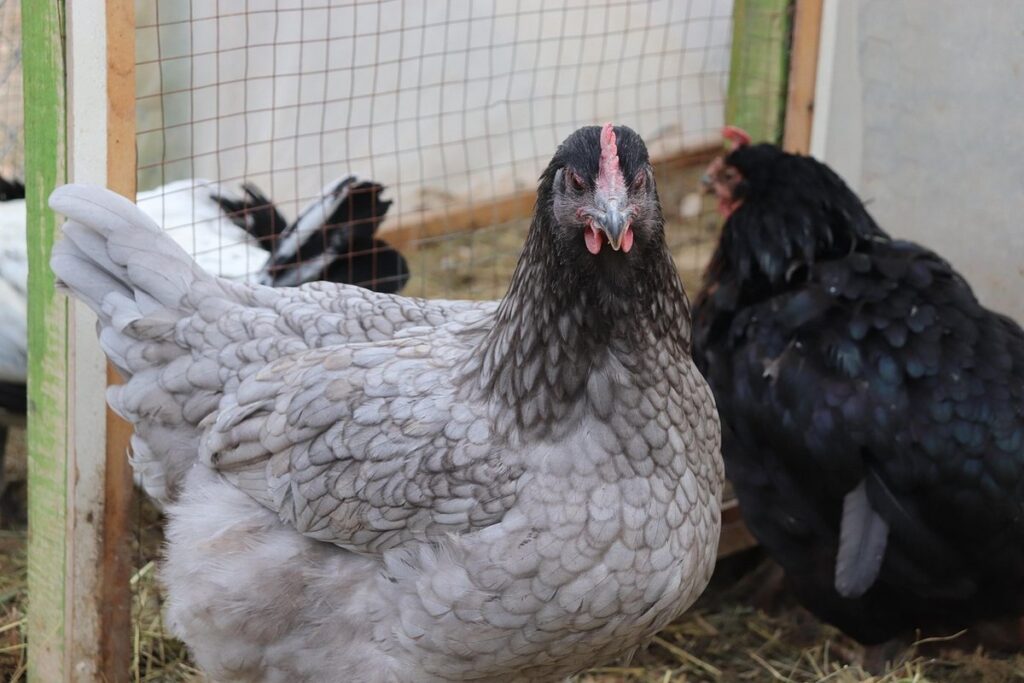
Introduction to High-Egg-Laying Chicken Breeds
If you’re new to backyard chicken keeping, it’s essential to know which breeds are most likely to reward you with a steady supply of fresh eggs. Let’s take a closer look at some high-egg-laying varieties that’ll make your flock stand out.
What Makes a Breed Produce More Eggs?
When it comes to high-egg-laying chicken breeds, several key factors come into play that can significantly influence their egg production. Genetics is a crucial factor, as some breeds are bred specifically for their ability to lay large numbers of eggs. For example, Leghorns and Rhode Island Reds are renowned for their prolific egg-laying abilities, with some individuals producing up to 300 eggs per year.
Nutrition also plays a vital role in determining an individual chicken’s egg production. A balanced diet rich in protein, calcium, and other essential nutrients is crucial for maintaining optimal egg production. Providing your chickens with access to a variety of fresh fruits and vegetables can help support their nutritional needs.
Environmental conditions also have an impact on egg production. Chickens need adequate space to roam and exercise, as well as protection from extreme temperatures and weather conditions. A chicken coop with good ventilation, insulation, and natural light can help promote optimal egg production. By understanding these key factors and taking steps to optimize your flock’s environment, you can encourage your high-egg-laying breeds to reach their full potential.
Importance of Selecting the Right Breed for Your Needs
Choosing the right breed for your needs is crucial when it comes to raising chickens. The wrong breed can lead to disappointment and frustration, while a well-suited breed will make the experience enjoyable and rewarding. For instance, if you’re looking for high egg production, some breeds like Leghorns or Rhode Island Reds are excellent choices, producing up to 300 eggs per year. On the other hand, if you have limited space, smaller breeds such as Bantams or Polish may be a better fit.
When selecting a breed, consider your lifestyle and preferences. Think about how much time you can dedicate to caring for your chickens, including feeding, cleaning, and monitoring their health. If you’re an inexperienced chicken keeper, a hardy and easy-to-care-for breed like the Plymouth Rock is a great option. Additionally, research the specific needs of the breed you’re interested in, such as climate tolerance or dietary requirements.
Ultimately, selecting the right breed for your needs will ensure that you get the most out of your egg-laying chickens and have a positive poultry-keeping experience.
Top 10 Highest Egg Producing Chicken Breeds
If you’re looking to boost your egg production, look no further than these top 10 chicken breeds that are renowned for laying large quantities of eggs. Let’s dive into each breed!
1. Leghorn
The Leghorn breed is one of the most popular and high-performing chicken breeds when it comes to egg production. Originating from Italy in the late 19th century, this light-boned bird was bred specifically for its ability to lay large numbers of eggs.
Leghorns are known for their friendly and outgoing personalities, making them a great choice for backyard flocks. They’re highly social birds that thrive on interaction, so be prepared to spend time with your Leghorns if you plan on keeping them as pets or laying hens.
In terms of egg production, Leghorns consistently lay between 280-300 large brown eggs per year. This is significantly higher than many other breeds, making them an excellent choice for small-scale farmers and backyard enthusiasts looking to maximize their egg yields.
To get the most out of your Leghorns, be sure to provide them with a balanced diet rich in protein, calcium, and other essential nutrients. Also, make sure they have plenty of space to roam and exercise – this will help keep them healthy and productive throughout the year. With proper care and management, your Leghorns should reward you with a steady stream of fresh eggs all season long.
2. Rhode Island Red
The Rhode Island Red is another exceptional layer that consistently delivers on its promise of high egg production. With an average lay rate of 200-220 brown eggs per year, this breed is a popular choice among backyard chicken enthusiasts and commercial farmers alike.
One of the key characteristics of the Rhode Island Red is its friendly and docile nature, making it an excellent choice for families with children or those who are new to raising chickens. They are also relatively low-maintenance birds that can thrive in a variety of environments, from small backyards to larger farms.
In terms of egg-laying capabilities, Rhode Island Reds tend to start producing eggs at around 18-20 weeks of age and will continue to lay throughout their lifespan of around 10-12 years. While they may not be the most prolific layers during the first year, they will eventually settle into a steady production pattern that will reward you with a consistent supply of fresh eggs.
It’s worth noting that some owners have reported egg production rates as high as 250-300 per year, although this is less common. With proper care and management, however, the Rhode Island Red is more than capable of delivering on its promise of high-quality eggs in large quantities.
3. Barred Plymouth Rock
The Barred Plymouth Rock is another popular choice among backyard chicken enthusiasts and commercial farmers alike. Known for their exceptional egg-laying abilities, these birds are a favorite among many. In fact, they can produce up to 300 large brown eggs per year.
One of the reasons why the Barred Plymouth Rock excels in terms of egg production is its robust build and high feed conversion rate. This means that they can thrive on a variety of diets and convert their food into eggs efficiently. As a result, they are relatively low maintenance compared to some other breeds.
In addition to their impressive egg-laying abilities, Barred Plymouth Rocks are also friendly and docile birds. They make great additions to small farms or backyards, as they are easy to handle and can be trusted around children. Their temperaments also make them a popular choice for 4-H projects and school programs.
If you’re looking to raise Barred Plymouth Rocks for eggs, it’s essential to provide them with adequate space and nutrition. A good rule of thumb is to allocate at least 3-4 square feet per bird inside the coop, and 8-10 square feet in the run. This will ensure that they have enough room to move around and exercise freely.
Breeds That Excel in Cold Climates
While many chicken breeds thrive in warmer climates, some excel in cold temperatures and can produce an impressive number of eggs to boot. Let’s explore these hardy birds next.
1. Orpington
The Orpington breed is an excellent choice for cold climates due to its exceptional hardiness and ability to thrive in frigid temperatures. Originating from England, this large-sized chicken breed was specifically developed to withstand harsh winters and produce a high volume of eggs.
Orpingtons are known for their robust build, which helps them endure the cold weather with ease. Their thick feathers provide excellent insulation, keeping them warm even in sub-zero temperatures. In fact, studies have shown that Orpingtons can tolerate temperatures as low as -20°F (-29°C) without any issues.
In addition to their hardiness, Orpingtons are also prolific egg layers. Hens can produce up to 280 brown eggs per year, making them an excellent choice for backyard chicken keepers who want a reliable source of fresh eggs. With proper care and management, Orpingtons can thrive in cold climates, providing both eggs and entertainment for the family.
When keeping Orpingtons in cold climates, it’s essential to provide them with adequate shelter, feed, and water. A well-insulated coop or barn will help protect them from harsh winds and freezing temperatures. Ensure that your Orpingtons have access to plenty of fresh vegetables and fruits to keep their immune system strong and healthy.
2. Australorp
The Australorp breed is renowned for its exceptional cold-hardiness and impressive egg-laying capacity. Native to Australia, this breed has adapted remarkably well to cooler temperatures, making it an ideal choice for chicken enthusiasts living in regions with harsh winters.
Australorps can thrive in temperatures as low as 32°F (0°C) without experiencing significant discomfort or reduced egg production. In fact, they tend to perform better than many other breeds under these conditions, producing around 200-220 eggs per year. Their robust constitution and compact body size enable them to conserve heat effectively.
To maintain optimal performance in cold climates, it’s essential to provide your Australorps with adequate shelter and insulation. A well-built coop with sufficient ventilation will help regulate their internal temperature while protecting them from harsh winds and precipitation. Additionally, ensure they have access to a reliable source of protein-rich feed and fresh water at all times to support their egg-laying capacity.
By understanding the unique characteristics and needs of Australorps, you can successfully raise these remarkable birds in cold climates while enjoying an abundance of delicious eggs throughout the year.
Breeds for Small-Scale and Backyard Flocks
For backyard chicken keepers, breeds that thrive on limited space are a must. We’ll explore some top choices perfect for small-scale flocks in this section.
1. Easter Egger
The Easter Egger breed is a delightful choice for small-scale and backyard flocks due to its unique characteristics and impressive egg production potential. As an American Bantam variety, the Easter Egger hails from the Araucana family, known for its ability to produce blue eggs.
One of the defining features of the Easter Egger is its exceptional egg-laying capacity, with some hens producing up to 300 large brown or tinted eggs per year. This breed’s high production rate makes it an excellent choice for backyard flocks seeking a reliable and consistent source of fresh eggs.
To maximize your Easter Egger’s potential, ensure you provide them with a balanced diet rich in calcium to support strong eggshell production. Provide adequate space for exercise, social interaction, and dust bathing opportunities, as these activities help maintain their overall health and well-being.
When choosing an Easter Egger for your flock, select individuals from reputable breeders who prioritize genetic diversity and robust immunity traits. With proper care and management, the Easter Egger can thrive in small-scale environments, offering a bountiful harvest of fresh eggs throughout the year.
2. Ameraucana
The Ameraucana breed is another high-producing egg layer that’s well-suited for small-scale and backyard flocks. Known for their striking blue-tinged eggs, these birds are a favorite among chicken enthusiasts.
Originating from the United States, Ameraucanas are a cold-hardy breed that thrives in climates with moderate temperatures. They’re relatively small in size, making them an ideal choice for smaller coops and backyards. As for egg production, Ameraucana hens can lay around 200-220 brown or blue eggs per year.
One of the benefits of keeping Ameraucanas is their docile nature. They’re friendly, curious birds that get along well with other breeds. However, they do require regular exercise to stay healthy and happy. To encourage egg-laying, provide your Ameraucana hens with a balanced diet rich in calcium and protein.
When selecting an Ameraucana for your flock, look for birds with good feather coverage and a well-proportioned build. This breed is generally quiet, but some may have a tendency to vocalize if they feel neglected or bored. With proper care and attention, Ameraucanas can make wonderful additions to any small-scale or backyard flock.
Nutrition and Health Considerations for High-Egg-Laying Breeds
When choosing high-egg-laying breeds, it’s essential to consider their nutritional needs and potential health risks that come with producing an abundance of eggs. Proper care can help prevent common issues associated with prolific egg production.
Key Nutrients for Optimal Egg Production
When it comes to high-egg-laying breeds, nutrition plays a critical role in maintaining optimal egg production. A balanced diet that includes essential nutrients is vital for supporting healthy reproductive functions in hens.
Key among these are protein-rich ingredients such as alfalfa meal and soybean meal. These provide the necessary building blocks for egg production, ensuring that hens have enough amino acids to construct high-quality eggs. Calcium, a crucial mineral for bone health, also plays a vital role in maintaining eggshell integrity.
Vitamin D3 is another essential nutrient, responsible for regulating calcium metabolism and bone growth. A deficiency can lead to weakened bones and reduced fertility, resulting in lower egg production. Omega-3 fatty acids, particularly alpha-linolenic acid (ALA), have been shown to improve reproductive health in hens, reducing inflammation and supporting healthy egg-laying.
To support optimal egg production, it’s essential to ensure that your high-producing breed is receiving a balanced diet rich in these key nutrients. Consider adding supplements or adjusting the nutrient profile of their feed to meet their specific needs.
Managing Stress and Disease in Your Flock
Managing stress and disease in your flock is crucial for maintaining optimal egg production. When chickens are subjected to prolonged stress, it can lead to decreased egg laying, increased susceptibility to diseases, and even mortality. To prevent this, ensure your birds have a safe and healthy living environment.
Provide enough space for your hens to move around comfortably, with adequate perches and nesting boxes. A good rule of thumb is to allocate at least 2-3 square feet of space per bird inside the coop, and about 8-10 square feet per bird in an outdoor run. Also, make sure the coop is well-ventilated, dry, and protected from harsh weather conditions.
In terms of disease management, maintain good hygiene practices by regularly cleaning the coop and feeders with a solution of one part white vinegar to nine parts water. Keep your birds’ living area free from litter and debris, as this can harbor bacteria and parasites.
Additionally, keep an eye out for signs of disease such as labored breathing, lethargy, or changes in appetite. Consult a veterinarian if you suspect any issues with your flock’s health. By prioritizing stress-free and healthy living conditions, you can help optimize egg production and maintain the overall well-being of your birds.
Tips for Selecting and Raising High-Egg-Laying Breeds
When it comes to choosing a breed that will meet your egg-laying needs, selecting the right birds can make all the difference in terms of productivity. This section provides guidance on making informed decisions about high-egg-laying breeds.
Choosing a Reputable Breeder or Hatchery
When it comes to selecting high-egg-laying breeds, finding a reputable breeder or hatchery is crucial. A reputable source can provide you with healthy, high-quality chickens that will thrive and produce eggs consistently. On the other hand, acquiring birds from an untrustworthy source can lead to disappointment and even health issues for your flock.
Look for breeders or hatcheries that are registered with reputable organizations such as the American Poultry Association (APA) or the United States Department of Agriculture (USDA). These organizations have strict standards in place to ensure that breeding stock is healthy, well-cared for, and meets certain production standards. Check online reviews, ask for referrals from other poultry enthusiasts, and visit the breeder’s facility in person to get a sense of their operations.
Some red flags to watch out for include breeders who sell chickens at extremely low prices or those who claim that their birds are “hybrid” or “designer” breeds. Be wary of sellers who are pushy or evasive about providing health guarantees or breeding information.
Best Practices for Housing and Feeding Your Flock
When it comes to maximizing egg production from your high-egg-laying breed hens, providing them with optimal housing and nutrition is crucial. A well-designed coop with adequate ventilation, lighting, and space will help keep your girls healthy and happy.
Aim for at least 3-4 square feet of floor space per bird inside the coop, and ensure there’s enough room outside for exercise. Consider a run or enclosed area where hens can safely roam and engage in natural behaviors. Make sure the coop is predator-proof, dry, and well-maintained to prevent health issues.
In terms of feeding, focus on high-quality layer feed that’s formulated specifically for egg production. You’ll also want to supplement with calcium-rich foods like crushed oyster shells or dark leafy greens to support strong eggshell production. Avoid overfeeding, as this can lead to health problems and decreased egg production.
Provide fresh water at all times, and ensure your hens have access to grit and scratching posts to maintain their overall health. By prioritizing proper housing and nutrition, you’ll be well on your way to maximizing the potential of your high-egg-laying breed flock.
Conclusion: Making the Most of Your High-Egg-Laying Chickens
In conclusion, having high-egg-laying chickens can be a game-changer for backyard farmers and egg enthusiasts alike. To make the most of your birds’ productivity, it’s essential to provide them with the right environment and care. Ensure they have access to fresh water, nutritious feed, and adequate space to roam. Regular health checks and vaccinations will also help keep your flock thriving.
By following these simple tips, you can maximize your chickens’ egg-laying potential and enjoy a steady supply of fresh eggs. Consider implementing a rotation system where older birds are retired and new ones are introduced to maintain peak production levels. With the right approach, you’ll be enjoying plenty of eggs from your high-producing flock in no time!
Frequently Asked Questions
How do I introduce high-egg-laying breeds to my existing flock?
When integrating new birds, it’s essential to ensure a smooth transition to prevent stress and potential health issues. Start by separating the new chickens for a few days before introducing them to your main flock. Monitor their behavior and adjust feeding schedules as needed to prevent competition.
Can I expect high-egg-laying breeds to perform well in extreme temperatures?
While some breeds excel in cold climates, others may struggle with heat stress. Research specific breed requirements for temperature tolerance and consider the local climate when selecting a high-egg-laying breed. Provide adequate shelter and ventilation to keep your flock comfortable.
How often should I collect eggs from my laying hens?
Collecting eggs regularly can help prevent breakage and reduce stress on your birds. A good rule of thumb is to check for eggs at least twice daily, depending on the number of chickens in your flock. Make it a habit to inspect nesting boxes during peak production hours.
What are some common health issues associated with high-egg-laying breeds?
High-egg-laying breeds can be prone to reproductive problems due to intense egg production. Keep an eye out for signs of stress, such as feather pecking or overeating. Regular check-ups and a balanced diet rich in essential nutrients will help mitigate these risks.
Can I raise high-egg-laying breeds on my own property without any prior experience?
While it’s possible to start with high-egg-laying breeds even if you’re new to chicken keeping, having some basic knowledge of flock management is crucial. Research local regulations and consult with experienced breeders or veterinarians to ensure a smooth transition into raising your own backyard chickens.