
If you’re considering adding ducks to your backyard flock, you’re probably wondering how to make it work. Combining chickens and ducks can be a fun and rewarding experience, but it requires some planning and knowledge. When done correctly, housing ducks with chickens can create a harmonious and thriving community of birds. However, it’s essential to consider the specific needs of each species, including space requirements and health considerations. In this article, we’ll cover everything you need to know about integrating ducks and chickens into one flock. We’ll discuss the importance of selecting the right duck breed for your setup and provide tips on creating a safe and healthy environment for both birds. By following these expert guidelines, you can enjoy the benefits of a diverse and thriving backyard flock.
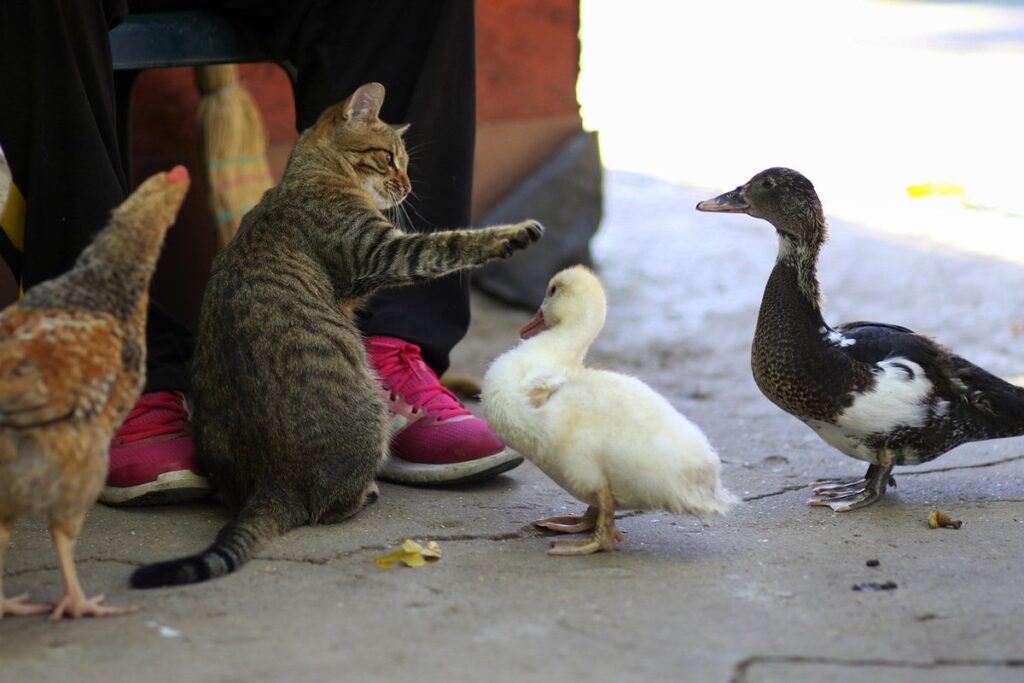
Benefits of Raising Ducks and Chickens Together
Raising ducks and chickens together can bring numerous advantages, from increased egg production to improved pest control and a more diverse backyard ecosystem. Let’s explore these benefits in greater detail.
Advantages of Integrated Flock Management
By integrating duck and chicken management, you can enjoy numerous benefits that enhance their well-being and create a harmonious coop environment. One significant advantage is the improved mental health of both birds. Raising ducks and chickens together allows them to socialize and interact with each other, reducing stress levels and promoting a sense of calm.
In fact, studies have shown that social interaction can reduce anxiety and depression in animals by up to 60%. This can lead to healthier birds overall, as reduced stress contributes to better immune function and disease resistance. Moreover, ducks are natural foragers and can help control pests in the coop, reducing the need for pesticides and maintaining a balanced ecosystem.
To integrate duck and chicken management effectively, make sure to provide enough space for both species to roam freely. Aim for at least 2-3 square feet of space per bird inside the coop and 5-10 square feet outside. This will help reduce competition for resources and prevent fights between birds. Additionally, consider introducing them slowly and under close supervision to ensure a smooth transition.
Space Requirements and Sizing Considerations
When integrating ducks and chickens into a shared housing system, it’s essential to consider their space requirements carefully. Ducks need more room than chickens due to their larger size and energetic nature. A general rule of thumb is to provide at least 10 square feet of outdoor space per duck, compared to 5-7 square feet for each chicken.
In terms of coop size, a good starting point is to allocate about 2-3 cubic feet of interior space per duck, with the ability to expand as needed. This will give them enough room to roost comfortably and move around without feeling cramped. Don’t forget to include access to water sources, such as ponds or pools, which should be at least 1-2 square feet in size per duck.
When designing your run, consider a ratio of about 10:1 for ducks to chickens, ensuring that the larger birds have enough space to move around without feeling confined. Remember to leave some extra room for future additions and flexibility in your design. With careful planning, you can create a harmonious and thriving environment for both your ducks and chickens to enjoy.
Choosing the Right Duck Breed for Your Flock
When deciding how to house ducks with chickens, it’s essential to choose a duck breed that thrives in a mixed flock environment. Some breeds are better suited than others.
Selecting Friendly and Tolerant Duck Breeds
When selecting duck breeds to live harmoniously with chickens, it’s essential to consider their temperament, noise levels, and egg production. Some popular breeds that are known for being friendly and tolerant of other birds are Khaki Campbells and Muscovy ducks.
Khaki Campbells are a good choice due to their calm nature and moderate egg-laying abilities, producing around 300 large white eggs per year. They are also relatively quiet compared to other duck breeds. Muscovy ducks, on the other hand, are known for being low-maintenance and gentle, with females laying around 100 white eggs annually. They produce less noise than other breeds, making them a suitable choice for smaller farms or backyard flocks.
When introducing new duck breeds to your flock, it’s crucial to start with a small group of calm birds to help establish harmony among the group. Ensure that the enclosure provides enough space and resources for all birds to thrive. By choosing friendly and tolerant duck breeds, you can create a peaceful coexistence between ducks and chickens in your backyard or farm.
Avoiding Aggressive or Dominating Duck Breeds
When it comes to housing ducks with chickens, it’s essential to choose duck breeds that get along well with their feathered friends. Unfortunately, some duck breeds can be quite aggressive or dominant, making them unsuitable for cohabitation with chickens.
Ducks like Muscovy and Pekin are notorious for their territorial behavior and may view chickens as intruders, leading to conflicts. Muscovies, in particular, have a strong instinct to defend their territory and may attack chickens if they feel threatened.
On the other hand, breeds like Khaki Campbells and Wood Ducks tend to be more docile and can get along with chickens, but it’s still crucial to introduce them slowly and under close supervision. Remember, every duck is an individual, so even within a breed known for being friendly, there may be exceptions.
If you’re unsure about a particular breed or already have ducks and chickens living together, consider separating them temporarily to assess their behavior before making any decisions about cohabitation.
Integrating Ducks into Your Chicken Flock
When integrating ducks into your existing chicken flock, it’s essential to consider their social needs and adapt your coop setup accordingly. This often involves creating a harmonious living space for both birds.
Acclimating New Ducks to the Coop Environment
When introducing new ducks to your coop environment, it’s essential to do so gradually to prevent stress and potential conflicts with existing birds. One approach is to start by exchanging scents between the two groups. Collect bedding material from each flock’s enclosure and swap them to familiarize both groups with one another’s odors.
Next, conduct a gradual introduction over a period of days or weeks. Start by keeping the new ducks in a separate area of the coop, allowing them to become accustomed to their surroundings without direct contact with the existing chickens. Monitor their behavior closely during this time, watching for signs of aggression or stress such as aggressive posturing, vocalizations, or feather pecking.
As you bring the groups together, begin with visual introductions, where they can see each other but are still separated by a barrier. Once both groups appear calm and non-aggressive, it’s safe to allow them to interact under close supervision.
Establishing a Hierarchical Structure within the Flock
When introducing ducks into your existing chicken flock, it’s essential to establish a clear pecking order to maintain harmony. A well-defined hierarchy ensures that resources are distributed fairly among all birds, reducing stress and aggression.
To create this structure, start by observing your flock’s behavior. Watch which birds take charge of food, water, and nesting areas. You may notice certain chickens dominating these spaces or ducks being particularly assertive. Use this information to separate the dominant birds from each other and the rest of the flock during the initial introduction period.
As you reintroduce the separated birds, ensure they have equal access to resources, such as food, water, and nesting boxes. This can be achieved by providing multiple feeding stations or increasing the number of nesting areas. By establishing a clear pecking order and distributing resources fairly, you’ll help your flock develop a harmonious dynamic.
Monitor your flock’s behavior closely during this time, making adjustments as needed to maintain peace within the group.
Providing for Ducks’ Unique Needs in a Mixed Flock
When housing ducks and chickens together, it’s crucial to consider the specific needs of each species to ensure a harmonious and healthy flock. This section will cover the unique requirements for providing the best life for your feathered friends.
Meeting Dietary Requirements for Both Species
When housing ducks and chickens together, it’s essential to ensure that both species’ dietary needs are met. Ducks require a specific diet rich in protein, vitamins, and minerals, which can be challenging to achieve in a mixed flock setting.
Ducks need access to high-quality commercial duck feed or game bird feed as their primary source of nutrition. However, it’s also crucial to provide supplemental forage options like leafy greens (lettuce, kale, spinach), aquatic plants (duckweed, water lilies), and fruits (berries, apples). You can also offer them mealworms or crickets as a protein-rich treat.
Chickens, on the other hand, require a balanced diet that includes grains, proteins, and calcium for strong eggshell production. Mixing duck feed with chicken feed is not recommended, as it can lead to nutritional imbalances.
To ensure both species’ dietary needs are met, provide separate feeding areas or use feeders designed specifically for ducks. Monitor their water quality closely, as ducks require a deeper water source (at least 2-3 inches deep) and a diet rich in omega-3 fatty acids from aquatic plants or supplements to maintain healthy feathers and skin.
In terms of nutritional supplements, consider adding duck-specific vitamins like vitamin A, D3, and E to their diet. Also, provide grit and oyster shells for both species to support digestive health and strong bone growth. Regularly inspect the flock’s overall health and adjust their diets accordingly based on your observations.
Creating Suitable Roosting and Shelter Areas
When designing roosting bars and shelter areas for ducks and chickens to share, it’s essential to consider their unique needs. For ducks, a sturdy roost with adequate perches is crucial for comfortable sleeping arrangements. Perch heights can vary depending on the breed, but generally, ducks prefer perches between 3-5 feet off the ground.
To cater to both species’ needs, you may want to provide multiple tiers of perching or adjust the height of existing ones. For example, if your flock includes Muscovy ducks, which are larger and require more space, you can dedicate a section of roosting bars specifically for them. Ensure that these areas are easily accessible and allow both species to comfortably roost without interference.
Consider incorporating nesting boxes into the shelter area as well, with duck-specific nesting sites providing adequate space for females to lay eggs safely. Additionally, don’t overlook predator protection – ensure that the shelter is designed or placed in a secure location to safeguard your flock from potential threats.
Health Considerations for a Multi-Species Coop
When housing ducks and chickens together, it’s essential to consider their unique health needs and how they might interact with each other in your coop. Here are some key factors to keep in mind.
Monitoring Water Quality and Preventing Disease Transmission
When housing ducks and chickens together, it’s essential to monitor water quality and prevent disease transmission to maintain a healthy environment for all birds. Regular water testing is crucial to detect any contaminants or bacterial growth that could harm the birds. Schedule regular cleaning of feeders, waterers, and other equipment to prevent bacterial buildup.
To prevent disease transmission, ensure good ventilation in your coop by providing adequate space per bird and maintaining cleanliness. Use a 10:1 ratio of fresh air to coop volume. This will help reduce ammonia levels and prevent respiratory issues.
Implement a disinfection schedule for your coop, using a solution that’s safe for the birds and the environment. Wear gloves when handling cleaning supplies or disinfectants. Clean all surfaces with a gentle scrubber, then rinse thoroughly. Change bedding material regularly to maintain dryness and cleanliness.
Aim to test water quality at least once a month, and more frequently in hot weather or if you notice any changes in bird behavior. A water testing kit can help identify any issues before they become serious health concerns. By following these hygiene practices, you’ll create a safe environment for your feathered friends to thrive.
Maintaining Flock Immunity through Vaccinations and Parasite Control
Maintaining flock immunity is crucial for the health and well-being of both ducks and chickens in your multi-species coop. A robust vaccination program can help prevent common diseases such as Newcastle disease, Avian influenza, and Marek’s disease. Consult with a veterinarian to determine which vaccines are necessary for your flock based on factors like geographic location, breed, and disease prevalence.
Parasite control is also essential in maintaining a healthy flock. External parasites like mites, lice, and fleas can cause significant stress and discomfort for both ducks and chickens. Regular cleaning and disinfection of the coop, as well as treating any infestations promptly, can help mitigate these issues.
In addition to vaccinations and parasite control, implementing good hygiene practices is crucial in maintaining flock immunity. This includes providing clean water and food at all times, removing soiled bedding regularly, and allowing for adequate airflow within the coop. By prioritizing these aspects of flock health, you can create a safe and thriving environment for both ducks and chickens to coexist harmoniously.
Troubleshooting Common Issues in a Mixed-Species Coop
We’ve all been there – a duck is hiding food from its chicken flock-mate, and you’re left wondering what to do. Let’s tackle some of these common mixed-species coop issues together!
Managing Conflicts between Ducks and Chickens
Conflicts between ducks and chickens are inevitable when housing them together. To establish harmony in your mixed-species coop, it’s essential to set clear rules and expectations for both birds. This includes designating separate areas for eating, nesting, and resting to reduce competition and stress.
One way to manage conflicts is by offering separate feeding stations or using feeders that can be refilled without disturbing the birds. You can also use positive reinforcement training to teach your ducks and chickens to coexist peacefully. For instance, you can introduce treats like sunflower seeds or cracked corn to encourage friendly interactions.
Another crucial aspect is reducing competition for resources such as water and nesting boxes. Ensure that each species has its own dedicated water source and consider installing a separate duck pond with adequate water depth. As for nesting boxes, provide one box per 3-4 hens and an additional one for the ducks. By implementing these measures, you can minimize conflicts and create a peaceful coexistence between your feathered friends.
Addressing Unwanted Behaviors or Damage to the Coop
When you combine two very different species like ducks and chickens under one roof, it’s not uncommon for issues to arise. One of the biggest challenges you may face is unwanted behaviors or damage caused by either species to the coop.
Identifying the culprits can be a challenge in itself. Feather pecking, for instance, is often associated with chickens, but ducks have been known to engage in this behavior as well. Similarly, egg eating – which can be detrimental to your flock’s health and productivity – can be caused by either species. To address these issues, it’s essential to monitor your birds closely and identify the root cause.
One possible solution is to separate your ducks and chickens during times when aggression or pecking tends to occur, such as at night or during feeding. You can also try enriching their environment with toys, perches, and other activities that keep them occupied. In terms of coop damage, consider reinforcing any weak spots or adding protective barriers to prevent the birds from damaging wiring, insulation, or other vital components. Keep in mind that prevention is key – take steps early on to establish a harmonious flock dynamic.
Frequently Asked Questions
Can ducks and chickens live together without any issues if I provide enough space?
Yes, with sufficient space (around 3-4 square feet per bird) and proper integration, ducks and chickens can coexist peacefully. However, it’s essential to monitor their behavior and adjust the environment as needed to prevent conflicts.
How do I introduce new ducks to a existing chicken flock without causing stress or aggression?
Gradually introducing new ducks by separating them from the main flock initially and allowing them to get accustomed to each other’s sounds and smells before mixing them. This will help reduce stress and aggression during the introduction process.
What are some common health concerns when housing ducks with chickens, and how can I prevent them?
Common health issues in mixed flocks include respiratory problems, mites, and lice. To prevent these issues, maintain a clean coop environment, provide adequate ventilation, and ensure access to fresh water and a balanced diet that meets the nutritional needs of both species.
Can ducks and chickens share feeders or water sources without risk of disease transmission?
Yes, but it’s crucial to ensure all birds have access to separate feeding areas during peak times to prevent overcrowding. Regularly cleaning feeders and water sources can also help minimize the risk of disease transmission.
What should I do if I notice aggression or dominance issues between ducks and chickens in my flock?
If you notice aggression or dominance issues, try separating the birds temporarily and rearranging their living space to create a more harmonious environment. Providing enough space, resources, and attention can also help reduce competition and stress among flock members.