
Are you a bird enthusiast or a backyard birdwatcher looking to provide a safe haven for your feathered friends? Choosing the right nesting box size is crucial for a successful breeding experience, but with so many variables to consider, it can be overwhelming. You want to ensure that your birds have ample space to lay their eggs and raise their young, while also keeping in mind the available space in your yard or garden. But what’s the ideal size? In this article, we’ll explore how to select the perfect nesting box based on bird species, behavior, and available space. We’ll break down the key factors to consider and provide you with a comprehensive guide to help you make informed decisions when choosing the right nesting box for your backyard birds.
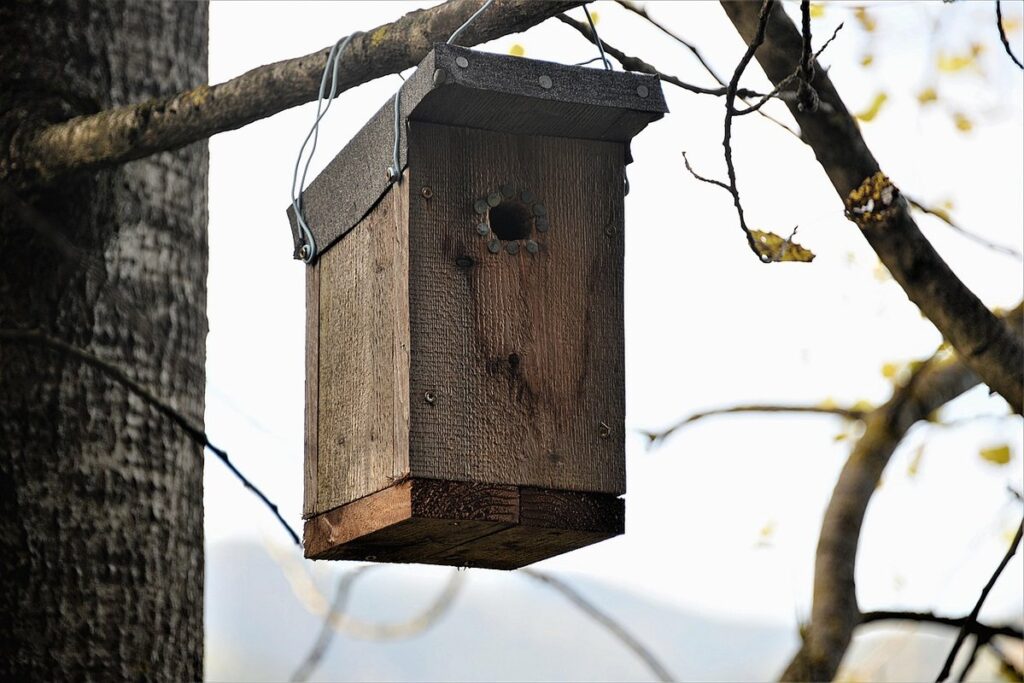
Choosing the Right Size of Nesting Box
So, you’re wondering how big your nesting box should be? This section will walk you through the factors to consider when selecting a size that suits your birds’ needs.
Factors to Consider Before Selecting a Nesting Box Size
When selecting a nesting box size, it’s essential to consider several factors to ensure that you’re providing the best possible environment for your birds. The first factor to consider is the bird species you’re trying to attract. Different species have unique preferences when it comes to nesting box size.
For example, bluebirds prefer smaller boxes with dimensions around 6x6x12 inches, while robin and sparrow species require larger boxes, often measuring around 8-10×8-10×18 inches. Consider the specific needs of your target bird species before making a selection.
Another crucial factor is nesting behavior. Some birds are cavity-nesting, meaning they’ll only nest in enclosed spaces like a nesting box. Others may prefer open nesting sites or even tree cavities. Think about how the birds you’re trying to attract typically build their nests and choose a size that accommodates this behavior.
Lastly, don’t forget to consider the available space on your property. A large nesting box may look impressive, but if it’s not in an optimal location for easy access and maintenance, it won’t be as effective. Balance the needs of your birds with the practicalities of placement and maintenance when selecting a nesting box size.
Common Mistakes When Selecting a Nesting Box Size
When selecting a nesting box size, many bird enthusiasts make common mistakes that can affect the birds’ comfort and reproductive success. One of the most critical errors is choosing a box that is too small for the birds. A box that’s too compact may lead to overcrowding, stress, and even aggression among the birds.
On the other hand, opting for a nesting box that’s excessively large can be just as problematic. Not only does it waste space and resources, but it also increases the likelihood of predators finding their way inside. Moreover, an oversized box might not provide sufficient insulation, leaving the eggs or chicks vulnerable to temperature fluctuations.
To avoid these pitfalls, consider the following: measure your bird species’ average body length and add 2-3 inches for comfort. Also, ensure that the nesting box’s depth is at least 6-8 inches to accommodate eggs comfortably. By choosing a box that strikes the right balance between size and comfort, you can create an ideal environment for your feathered friends to thrive.
Measuring Your Birds to Determine the Perfect Nesting Box Size
To ensure your nesting boxes are just right for your feathered friends, you’ll need to measure their birds carefully before deciding on a box size. Take note of each bird’s length and wing span for accurate results.
How to Measure Your Bird’s Height and Wing Span
To determine the ideal nesting box size for your birds, you’ll need to measure their height and wing span. Start by measuring the length of your bird’s body from the top of its head to the tip of its tail. This will give you a good idea of how much space it needs to stand comfortably inside the nesting box. To do this, simply place a ruler or measuring tape along the bird’s back, starting at the crown and ending at the tail feathers.
Next, measure the distance between your bird’s wings when they’re stretched out to their full extent. This will help you determine how wide the entrance hole should be for easy access in and out of the nesting box. You can use a piece of string or twine tied around the bird’s wing tips as a makeshift measuring device.
Keep in mind that different species have varying body proportions, so it’s essential to consult with a local wildlife expert or check online resources specific to your region’s native birds for guidance on recommended nesting box sizes and entrance hole diameters.
Using Measurement Guidelines from Bird Organizations
When it comes to choosing the perfect nesting box for your birds, measurement guidelines from reputable bird organizations can be incredibly helpful. Many of these organizations have conducted extensive research and developed specific recommendations for nest box sizes based on different bird species.
For example, the British Trust for Ornithology (BTO) provides a detailed guide on optimal nesting box dimensions for various bird species in the UK. Similarly, the Audubon Society has created guidelines for installing bluebird nesting boxes in North America. By consulting these resources, you can ensure that your nesting box meets the specific needs of your birds.
Some key takeaways from these measurement guidelines include: measuring the entrance hole size to 2-3 inches in diameter for small bird species; using a depth of 6-8 inches for bluebirds and swallows; and ensuring adequate ventilation and drainage. By incorporating these recommendations into your nesting box design, you can create a safe and welcoming habitat for your birds.
Nesting Box Size for Different Bird Species
So, which bird species are you trying to attract to your backyard? We’ll cover the recommended nesting box sizes for various birds in different regions.
Small Birds (Sparrows, Finches, and Wrens)
For small bird species like sparrows, finches, and wrens, it’s essential to provide nesting boxes that are specifically tailored to their needs. These birds typically require a smaller entrance hole, around 2-3 inches (5-7.5 cm) in diameter, as they can easily get stuck or injured trying to navigate larger openings.
When it comes to the interior size of the nesting box, consider providing a compartment with dimensions ranging from 6-8 inches (15-20 cm) wide and 6-8 inches deep. This will allow these small birds to comfortably nest and raise their young without feeling cramped. Look for nesting boxes that feature a sloping roof or overhang to protect the entrance hole from harsh weather conditions.
Some popular species, such as house sparrows and tree sparrows, require even more specialized features in their nesting boxes. For example, a nesting box designed specifically for these species might include a narrow, vertical compartment with a small entrance hole and a shallow tray at the bottom for egg-laying. When choosing a nesting box for small birds, be sure to research the specific needs of the species you’re trying to attract to ensure you provide them with the best possible environment for breeding and raising their young.
Medium Birds (Bluebirds, Robins, and Swallows)
When it comes to medium-sized birds, such as bluebirds, robins, and swallows, choosing the right nesting box size is crucial for attracting these species to your garden. Bluebirds, for example, require a slightly larger box with an entrance hole of about 1.5 inches (3.8 cm) in diameter. The box itself should be around 6-7 inches (15-18 cm) long and 4-5 inches (10-13 cm) wide.
Robins, on the other hand, prefer a slightly smaller box with an entrance hole of about 1 inch (2.5 cm) in diameter. A good size for robins is around 6 inches (15 cm) long and 3-4 inches (7.5-10 cm) wide. Swallows are one of the smallest bird species, so their nesting box should be proportionally smaller.
When selecting a nesting box for these birds, consider the following:
* Make sure the entrance hole is not too large to prevent predators from getting in
* Choose a box with a sloping roof to allow water to run off and keep the inside dry
* Consider adding a perch or ledge outside the box to help the birds land comfortably while entering
Large Birds (Owls, Hawks, and Eagles)
Large birds such as owls, hawks, and eagles require spacious nesting boxes that can accommodate their broad wingspans and bulky bodies. These birds need a lot of room to turn around comfortably and feel secure within their nesting box. A general rule of thumb is to provide a nesting box with an interior volume of at least 2-3 cubic feet (56-85 liters) for large bird species.
The entrance hole should be relatively small, about 6-8 inches (15-20 cm) in diameter, to prevent predators from entering while allowing the birds to fit comfortably. The nesting box’s depth and width are also crucial; a minimum of 12-18 inches (30-45 cm) in both dimensions is recommended.
When choosing a nesting box for large bird species, look for features such as sturdy materials, easy cleaning access, and a sloping roof to prevent rain from entering the box. Some popular designs include the “Horned Owl” or “Eagle Nesting Box,” which are specifically designed with these birds’ unique needs in mind. Consider installing multiple nesting boxes to cater to a variety of large bird species in your area.
Building or Purchasing a Nesting Box: What to Consider
When it comes time to set up your nesting box, you’ll need to consider not just its size, but also where to place it and what type of box is right for your bird’s needs. Let’s dive into those key considerations.
DIY Nesting Boxes vs. Store-Bought Options
When it comes to building or purchasing a nesting box for your feathered friends, one of the most important decisions is whether to go DIY or buy from a store. Both options have their pros and cons, which we’ll delve into below.
Building your own nesting box can be a fun and rewarding experience, allowing you to customize the size, design, and materials to suit your specific needs and preferences. You can choose wood types, add ventilation features, and even incorporate decorative elements that reflect your personal style. Moreover, building from scratch can be cost-effective, especially if you have leftover materials or repurpose old items.
However, purchasing a nesting box from a store or online supplier has its advantages as well. Store-bought boxes often come with pre-measured dimensions, ensuring that they meet the recommended sizes for various bird species. They also tend to be more durable and long-lasting due to their commercial-grade construction materials. Plus, many stores offer warranties or guarantees on their products, giving you added peace of mind.
Ultimately, whether to build or buy depends on your DIY skills, budget, and specific needs. If you have the time, patience, and expertise, building a nesting box from scratch can be a great option. However, if you prefer convenience, consistency, and a hassle-free experience, purchasing a store-bought box might be the better choice.
When deciding between these two options, consider factors such as:
* Your bird species’ specific size requirements
* Your available space and location constraints
* Your budget and DIY skills
* The durability and longevity of the nesting box
By weighing these factors and considering your unique situation, you can make an informed decision that ensures a happy and healthy home for your feathered friends.
Features to Look for in a High-Quality Nesting Box
When selecting a nesting box for your feathered friends, it’s essential to look for features that ensure their health and happiness. A high-quality nesting box should be durable enough to withstand the elements and frequent use by birds. Look for nesting boxes made from sturdy materials like wood or recycled plastic, which can withstand harsh weather conditions.
Ventilation is another critical feature to consider. Birds need a safe space to lay their eggs, but they also require airflow to prevent ammonia buildup and keep them healthy. Opt for nesting boxes with proper ventilation systems, such as holes or gaps in the roof and sides. This will help maintain a clean environment and reduce the risk of disease.
Finally, easy cleaning is essential for maintaining your nesting box’s hygiene. Choose a nesting box with a removable roof or tray that allows you to easily collect soiled bedding and droppings. Regular cleaning will help keep your birds healthy and happy, as well as extend the lifespan of your nesting box.
Installing and Maintaining Your Nesting Box
Before you start setting up your nesting box, it’s essential to consider the logistics of installing and maintaining a safe and accessible space for your birds. We’ll walk you through the process step by step.
Placement Strategies for Maximum Success
When placing your nesting box, it’s essential to consider its location to ensure maximum success for your birds. Positioning the box in a spot that receives sunlight is crucial, as most bird species require at least 6-8 hours of direct sunlight daily to maintain their health and reproductive cycles.
However, avoid exposing the nesting box directly to harsh midday sun, which can cause overheating. A north-facing location with dappled shade or partial cover from trees is ideal. Additionally, ensure the nesting box is shielded from strong winds, as this can make it difficult for birds to access and protect their nest.
Place the nesting box close to a food source, such as a bird feeder or fruit tree, but not so close that it creates competition for resources. A general rule of thumb is to install the nesting box 3-5 feet away from any nearby structures or obstacles, allowing easy access for birds while maintaining privacy and reducing potential predators.
Tips for Regular Maintenance and Cleaning
To keep your nesting box in top condition and support healthy bird activity, regular maintenance and cleaning are essential. Clean out the nesting box at least once a month during breeding season, more often if you notice high usage or mess. Remove soiled bedding, old nests, and debris to prevent disease transmission and pest infestation.
When cleaning, wear gloves to avoid transferring bacteria from your skin to the box. Disinfect all surfaces with a mild detergent and water solution, making sure to rinse thoroughly. Replace the bedding material completely every 6-8 weeks or sooner if it becomes soggy or worn out. For example, wood shavings are a popular choice but can become damp quickly, while sawdust is more durable.
In addition to cleaning, inspect your nesting box regularly for signs of damage or wear. Check for loose joints, cracked wood, and torn screens. Address any issues promptly to prevent the nesting box from becoming uninhabitable. By following these simple maintenance tips, you’ll ensure your nesting box remains a safe haven for birds throughout the breeding season.
Conclusion: Finding the Perfect Nesting Box Size for Your Birds
In conclusion, finding the perfect nesting box size for your birds requires careful consideration of their species-specific needs. By considering the size of the bird, its breeding habits, and the available space in your garden or backyard, you can choose a nesting box that will meet the needs of both you and your feathered friends.
A general rule of thumb is to provide at least 2-3 inches of interior height for every inch of nestling depth. This will give your birds enough room to comfortably lay their eggs and raise their young without feeling cramped or stressed. Additionally, ensure that the nesting box has a sturdy roof and secure entrance to protect it from predators and harsh weather conditions.
Ultimately, observing the behavior of your birds in their nesting box can help you determine whether it’s too big or too small for them. If you notice that they’re struggling to access the nest or seem uncomfortable using it, consider adjusting the size or making modifications to make it more appealing to them.
Frequently Asked Questions
How do I measure the available space in my yard or garden for a nesting box installation?
When choosing the right size of nesting box, it’s essential to consider the available space in your yard or garden. Measure the area where you plan to install the nesting box to ensure there is enough room for the birds to fly around and for easy maintenance.
Can I use a single nesting box size for multiple bird species?
While some species can adapt to different nesting box sizes, it’s generally recommended to choose a nesting box that caters to the specific needs of your target bird species. Different species have unique preferences when it comes to nesting box size, so using one size may not be effective.
What if I’m unsure about my bird species’ preferred nesting box size?
If you’re unsure about the preferred nesting box size for your local bird species, consider consulting with a wildlife expert or checking with local bird organizations. They can provide guidance on the best sizes and features to look for in a nesting box for your area.
Can I build my own nesting box, or is it better to purchase one?
Both building and purchasing nesting boxes have their advantages. Building your own nesting box allows for customization and can be a fun DIY project. However, store-bought options are often made from high-quality materials and may come with additional features like predator guards.
How often should I clean and maintain the nesting box?
Regular cleaning and maintenance of the nesting box is crucial to ensure the health and safety of your birds. Clean out the nesting box at least once a year, preferably after the breeding season has ended. Remove any debris or old nests and disinfect the area with a mild detergent.