
Have you ever stopped to think about how ducklings eat and drink? It’s a fascinating process, especially considering their unique beak structure. Ducklings are born with an instinctual drive to find food and water, but how exactly do they go about it? The answer lies in the way their parents care for them and provide for their nutritional needs. In this article, we’ll take a closer look at the feeding habits of ducklings, from the way they use their beaks to grasp food to the role of parental care in their development. We’ll explore why these tiny birds are able to eat and drink so efficiently, and what lessons we can learn from their remarkable abilities. So, let’s dive into the world of duckling feeding habits and discover the secrets behind their adorable eating and drinking behavior.
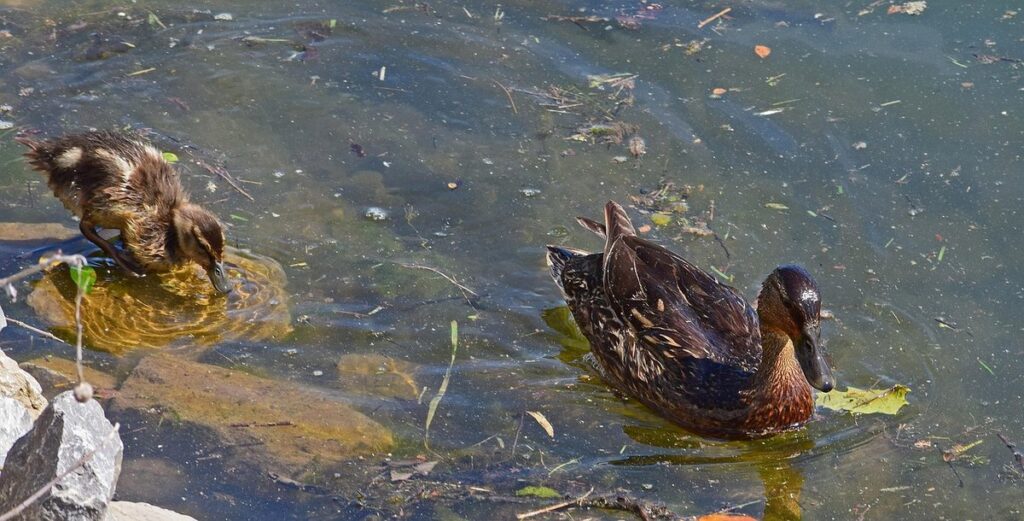
Anatomy of a Duckling’s Digestive System
Let’s take a closer look at how ducklings process their food, starting from the moment they crack open their first seeds to the way their unique digestive system helps them thrive.
Beak Structure and Function
A duckling’s beak is one of its most unique and crucial features when it comes to eating. The shape and size of a duckling’s beak are specifically adapted for its dietary needs. A duckling’s beak is hard, keratin-based, and strong enough to tear into plant material.
The upper mandible (upper jaw) is longer than the lower one, which allows for efficient tearing and grasping of food. The shape of a duckling’s beak also helps it to filter small plants from mud and water. When feeding, a duckling uses its beak to probe the ground for roots and tubers.
The beak’s size varies depending on the age of the duckling, with younger ones having smaller, softer beaks that are gradually hardened as they grow older. This adaptation allows them to feed on different types of food at various stages of development.
Ducklings begin eating within 24 hours after hatching and start pecking at soft foods like insect eggs and larvae. As they mature, their diet expands to include aquatic plants, seeds, and small invertebrates.
Crop and Gizzard Functions
When you watch ducklings pecking at food on the ground, it may seem like they’re eating constantly. But have you ever wondered what’s happening inside their little bodies? Let’s dive into the functions of two key organs: the crop and gizzard.
The crop is a pouch-like structure located in the esophagus that serves as a storage compartment for food. When ducklings eat, the first thing they swallow goes directly to the crop, where it accumulates until the next feeding session. Think of it like a buffer zone – the crop allows the duckling to eat small amounts frequently throughout the day without having to constantly digest food. This unique adaptation helps them thrive in their environment.
The gizzard is another critical organ that plays a crucial role in breaking down food particles. Located between the proventriculus and small intestine, this muscular sac grinds up seeds, insects, and other hard foods into smaller bits using grit or pebbles inside. The gizzard works tirelessly to process these tough materials, allowing the duckling’s digestive system to extract essential nutrients from its diet.
Feeding Habits of Ducklings
Now that we’ve covered how ducklings eat, let’s dive into their unique feeding habits and discover the ways they navigate mealtime with their parents by their side.
Parental Care and Broodiness
When it comes to feeding their young, duck mothers are incredibly dedicated. As soon as ducklings hatch, their mother will start to teach them essential foraging skills and introduce them to various food sources. For the first few weeks of life, ducklings rely almost exclusively on their mother’s milk for nutrition.
However, as they grow and develop, they begin to incorporate plant material into their diet. Duck mothers will often lead their broods to areas with lush vegetation, where the ducklings can learn to peck at grasses, leaves, and aquatic plants. This not only provides essential nutrients but also helps to develop their beak and mouth muscles.
One of the most fascinating aspects of parental care in ducks is broodiness – a natural instinct that drives mothers to protect and nurture their young. Broodiness can last anywhere from 30 days to several months, depending on various factors such as breed, climate, and food availability. During this time, mothers will fiercely guard their ducklings, teaching them important survival skills and social behaviors.
As you care for your own ducklings or observe them in a breeding program, it’s essential to recognize the importance of maternal care. By understanding broodiness and feeding habits, you can better support these incredible birds and help them thrive.
Types of Food Eaten by Ducklings
When they’re just starting out, ducklings have a varied diet that includes everything from insects to aquatic plants. In fact, their first meals are often made up of tiny morsels like aphids, ants, and snails that they peck at on the ground.
As they grow and become more mobile, ducklings begin to explore their surroundings and forage for food in nearby ponds or waterways. Aquatic plants like duckweed, algae, and water lilies are all fair game, and ducklings love to snack on them throughout the day.
In addition to these plant-based foods, ducklings also eat a variety of aquatic insects, including mosquito larvae, midges, and even small fish if they’re lucky enough to catch one. It’s not uncommon for ducklings to spend hours wading in shallow water, searching for tasty treats like leeches or crayfish.
It’s worth noting that as ducklings grow and develop their beaks, they begin to eat more seeds and grains from the ground, which provides them with essential nutrients for growth and development.
Drinking Habits of Ducklings
When it comes to drinking habits, ducklings are quite different from adult ducks and require a specialized approach to ensure they’re getting enough moisture. Let’s take a closer look at how ducklings drink on their own.
Water Intake and Digestion
When it comes to drinking water, ducklings are quite different from their adult counterparts. Unlike ducks that can drink from a pool of water and swallow with their beaks closed, ducklings need to suck up water with their beaks open. This is because they don’t have the same level of coordination and muscle development as adults.
In fact, research has shown that ducklings are able to start drinking water within 24 hours after hatching, but it’s essential for them to have access to clean and fresh water at all times. If their water intake isn’t adequate, it can lead to dehydration and other health problems.
Digestion plays a crucial role in absorbing nutrients from the food and water ducklings consume. A well-balanced diet that includes a mix of grains, vegetables, and proteins is essential for ensuring optimal digestion. You can provide your ducklings with a commercial starter feed or create your own diet using fresh fruits and vegetables like leafy greens, carrots, and sweet potatoes.
To ensure proper digestion, it’s also vital to keep their living area clean and free from debris. Regularly cleaning the enclosure will help prevent bacterial growth that can cause digestive issues in ducklings.
Special Adaptations for Drinking
Ducklings have a unique beak structure that allows them to drink efficiently. Their beaks are small and pointed, making it easier for them to dip into shallow water without filling their mouths with too much water. This adaptation is essential for ducklings, as they need to feed and drink frequently throughout the day.
Another key feature of ducklings’ drinking habits is their leg placement. Unlike adult ducks, which can use their legs to scoop up water, ducklings are unable to do so due to their small size. As a result, they rely on their beaks to bring water to their mouths. This limited mobility actually helps them avoid swallowing too much water, which can lead to drowning.
When it comes to drinking, it’s essential for parents to ensure that the water is shallow enough for ducklings to access comfortably. A good rule of thumb is to provide a dish or pool with water no deeper than 1-2 cm (0.4-0.8 in). This will allow the ducklings to drink without struggling or risking drowning.
By understanding these special adaptations, you can create a safe and nurturing environment for your duckling family to grow and thrive.
Nutritional Needs of Ducklings
When it comes to growing strong and healthy, ducklings have specific nutritional needs that must be met through their diet, which we’ll explore in detail here. Let’s dive into what they need to thrive.
Macronutrients and Micronutrients
When it comes to feeding ducklings, providing the right balance of macronutrients and micronutrients is crucial for their growth and development. Macronutrients are the energy-providing compounds that make up the bulk of a duckling’s diet, while micronutrients play a vital role in maintaining proper bodily functions.
The three main macronutrients necessary for ducklings are carbohydrates, proteins, and fats. Carbohydrates serve as the primary source of energy, with ducklings requiring about 15-20% of their diet to come from carbs. Protein is essential for growth and repair, making up around 25-30% of a duckling’s diet. Fats provide energy and help absorb fat-soluble vitamins, accounting for around 5-10% of the diet.
In terms of micronutrients, ducklings require a range of vitamins and minerals to stay healthy. Vitamin A is crucial for eye health, immune function, and skin integrity, while vitamin D helps regulate calcium levels and bone growth. Other essential vitamins include B complex (for energy metabolism) and E (as an antioxidant). Minerals such as calcium, phosphorus, and potassium are also vital for maintaining strong bones, proper muscle function, and hydration.
To ensure your ducklings receive the necessary nutrients, it’s essential to provide a well-balanced commercial starter feed that meets their nutritional requirements. Supplementing with fresh fruits and vegetables can also provide additional vitamins and minerals, but be sure not to overdo it – too much of these can lead to digestive issues in young ducklings.
Importance of Calcium and Vitamin D3
Calcium and vitamin D3 play a crucial role in a duckling’s diet as they grow and develop their bones. Adequate calcium intake helps build strong skeletons, while vitamin D3 ensures proper bone mineralization and density. A deficiency in these essential nutrients can lead to softening of the beak, feet, and legs, making it challenging for ducklings to move around.
As ducklings begin to eat on their own, usually after 1-2 weeks of age, they need a diet rich in calcium sources like crushed eggshells or dark leafy greens. Vitamin D3 can be supplemented through sunlight exposure or fortified foods such as commercial duckling feed. A good quality duckling feed typically contains the right balance of these essential nutrients.
To ensure your ducklings receive adequate calcium and vitamin D3, provide them with a balanced diet that includes fresh vegetables like kale, spinach, and broccoli, in addition to their regular commercial feed. Also, consider providing access to a shallow pool for sunlight exposure or offer vitamin D3 supplements under the guidance of a veterinarian to avoid over-supplementation.
Developmental Changes in Feeding Habits
As ducklings grow and develop, their feeding habits undergo significant changes, allowing them to transition from relying on their mother’s care to foraging independently. Let’s explore these important developmental milestones together.
Weaning Period and Beyond
As duckling parents begin to wean their babies from breast milk, it’s essential to understand that this transition is a gradual process. Typically, ducklings start eating small amounts of solid foods around 2-3 weeks old, and by the time they’re 4-5 weeks old, they’ll be almost completely weaned. During this period, the mother duck will continue to feed them on the water’s edge or in shallow puddles, making it easier for the ducklings to access the water.
At first, the ducklings may struggle to eat solid foods independently, but with patience and practice, they’ll soon learn how to pick up small twigs, leaves, and aquatic plants. It’s crucial to provide a variety of foods during this stage, including duck pellets or grains, vegetables like lettuce and kale, and fruits such as berries.
To ensure the transition is smooth, it’s vital to continue providing fresh water for the ducklings to drink throughout the day. Make sure to place shallow dishes near their feeding area, and gradually introduce more complex foods, like whole grains and seeds, to help them develop essential eating skills.
Juvenile Stage and Adult Behavior
As ducklings mature into young adults, significant changes occur in their feeding habits. One of the most notable adjustments is the switch from a diet of mother’s milk to solid foods. Around 3-4 weeks old, ducklings begin to wean off breast milk and start eating small amounts of plant-based matter like grasses and aquatic plants.
As they grow into young adults, around 8-10 weeks old, their digestive system matures, allowing them to process a wider variety of foods including grains, fruits, and vegetables. It’s essential for duck owners to provide a balanced diet that includes these nutrients to support optimal growth and health.
At this stage, ducklings can be introduced to adult feeding habits, such as foraging for food in the yard or being fed a mix of grains and vegetables in a feeder. A good rule of thumb is to provide 1/4 inch of water and 2-3 tablespoons of feed per pound of body weight daily.
Keep in mind that every duck is different, and some may have specific dietary needs based on breed or health conditions. It’s crucial for owners to observe their ducks’ behavior and adjust feeding habits accordingly.
Frequently Asked Questions
What if I’m raising ducklings with an irregular beak shape or size, how can I ensure they get the nutrition they need?
If you’re raising ducklings with abnormal beak shapes or sizes, it’s essential to provide a varied diet that includes soft foods and easy-to-grasp items. You may also need to adjust the size of food pellets or offer hand-rearing assistance to ensure they eat adequately. Consult a veterinarian for personalized advice on meeting their nutritional needs.
How can I encourage ducklings to drink from a birdbath or shallow dish, rather than running water?
Ducklings are naturally attracted to moving water, so it’s essential to create a safe and accessible drinking area. Place the birdbath or shallow dish near the pond or pool where they swim, making sure it’s at a comfortable height for them to reach without struggling. You can also try adding rocks or sticks around the edges of the container to create a sense of security.
Can I feed ducklings human food, like vegetables and fruits, as part of their diet?
While ducklings will enjoy occasional treats, their main diet should consist of high-quality commercial pellets specifically formulated for waterfowl. Human foods can be unbalanced and may lead to nutritional deficiencies if fed excessively or as a replacement for regular meals. Stick to a balanced diet that meets their developmental needs.
How long do I need to continue supplementing ducklings with starter feed, and when can they switch to adult pellets?
Ducklings typically require starter feed for the first 4-6 weeks of life, after which you can gradually transition them to adult pellets. Monitor their growth and adjust feeding schedules accordingly, as the exact timing may vary depending on breed, size, and individual development.
What if I notice ducklings struggling to eat or drink due to crop or gizzard issues, what should I do?
If you observe any signs of distress during eating or drinking, such as labored breathing, regurgitation, or difficulty swallowing, it’s crucial to address the issue promptly. Consult a veterinarian for guidance on managing potential crop or gizzard problems, and adjust feeding schedules accordingly to prevent discomfort or injury.