
If you’ve ever watched geese waddling by your pond or park, you might have wondered about their unique mating rituals. But how exactly do geese mate? It’s not just a matter of finding a suitable partner; it involves complex courtship behaviors and specific reproductive anatomy. Environmental factors like habitat quality and human activities such as hunting can also impact the success of goose breeding. In this article, we’ll delve into the fascinating world of geese mating habits, exploring how they choose their mates, build nests, and raise their young. We’ll examine both the natural behaviors that ensure the survival of their species and the effects of external pressures on their reproductive cycles. By understanding these intricate processes, you’ll gain a deeper appreciation for the lives of these remarkable birds.
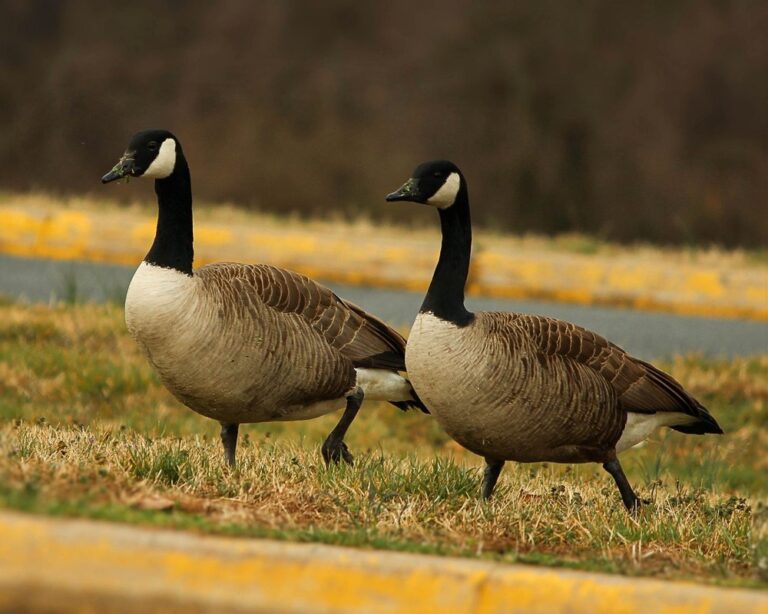
Introduction to Goose Mating
Let’s dive into the fascinating world of goose mating, where we’ll explore the unique behaviors and rituals that bring these birds together. This is where geese get their start!
Physical Characteristics of Geese
When it comes to their physical characteristics, geese are perfectly designed for their mating habits. One of the most noticeable features is their size – both male and female geese can grow up to 20-30 inches in length and weigh between 8-12 pounds. This allows them to effectively defend their territory and establish dominance during courtship.
Their feathers play a crucial role as well, providing insulation and protection from the elements. The soft down under their layer of coarser feathers helps to keep them warm, while also making them appear more attractive to potential mates. Additionally, geese have unique beaks that are perfectly suited for grazing on grasses and aquatic plants.
In terms of specific features, male geese typically have a larger, more vibrant red throat patch than females, which they use to attract attention during mating season. Female geese, on the other hand, tend to have a smaller, more subdued coloration. Overall, these physical characteristics work together to enable geese to successfully find and mate with their ideal partner.
Geese are also known for their distinctive honking calls, which serve as an essential form of communication during courtship. These loud, trumpet-like sounds can be heard from great distances, helping to signal the presence of a potential mate or rival suitor.
Importance of Understanding Goose Mating
Understanding goose mating is crucial for both wildlife enthusiasts and farmers who raise geese. For farmers, knowing when and how geese mate can help optimize egg production and improve the overall efficiency of their operations. Geese typically form long-term monogamous relationships, with pairs staying together for many years.
Wildlife enthusiasts, on the other hand, can benefit from understanding goose mating habits by being able to identify breeding pairs in their natural habitats. This knowledge allows them to appreciate the geese’s behavior and observe these birds up close without disrupting their natural cycle.
Moreover, knowing how geese mate is essential for conservation efforts, as it helps researchers understand population dynamics and make informed decisions about species management. For farmers, understanding goose mating habits can also help identify potential health issues related to breeding, such as reproductive problems or genetic disorders in the flock.
Stages of the Breeding Process
Now that you know how geese find each other, let’s explore the next crucial stage: the stages of their breeding process unfold in a series of fascinating rituals.
Courtship Behavior in Geese
As we explore the stages of the breeding process in geese, it’s essential to understand the courtship behaviors that signal the start of this critical period. For geese, the breeding season is a time of intense social interaction, and their courtship displays are designed to establish dominance, defend territories, and attract potential mates.
When it comes to signaling their readiness to breed, male geese will often engage in loud honking calls to assert their dominance and announce their presence to nearby females. These vocalizations can be heard from great distances and serve as a crucial first step in the courtship process.
In addition to vocal displays, geese also use visual signals to communicate their intentions. For example, males may perform aerial displays, flying high above their territory while performing intricate flight patterns to showcase their agility and strength. This “aerial dance” is an essential component of goose courtship behavior, allowing potential mates to assess a male’s suitability as a partner.
When observing geese in the wild or managing a breeding flock, it’s crucial to recognize these early signs of courtship behavior. By doing so, you’ll be better equipped to manage your flock and ensure successful pairings during the breeding season.
Pair Bonding in Geese
In the world of geese, forming long-term pair bonds is crucial for their reproductive success. This unique bonding process sets them apart from many other bird species. Geese are known to form strong monogamous relationships that can last for many years, even a lifetime.
When it comes to pair bonding, geese exhibit some fascinating behaviors. For instance, they often choose their mates based on compatibility and shared experiences, such as growing up together or living in the same flock. Once paired, geese are extremely devoted to each other, with some pairs staying together for over 20 years.
One of the key indicators of a strong pair bond is the way geese communicate with each other through vocalizations, body language, and visual displays. They will often engage in courtship behaviors like preening, bowing, and honking to strengthen their bond. As they grow older together, geese become increasingly attuned to each other’s needs and emotions, ensuring a harmonious coexistence.
By understanding the pair bonding habits of geese, we can appreciate the complexities of their breeding process and the importance of strong relationships in their lives. By observing these behaviors closely, we can also learn valuable lessons about commitment, loyalty, and the power of long-term partnerships.
Mating Rituals and Behavior
When it comes to attracting a mate, geese have some pretty unique courtship rituals that will fascinate you. In this section, we’ll delve into their mating behavior and the interesting ways they choose their partners.
Pre-Mating Displays and Rituals
Geese engage in elaborate pre-mating displays to establish dominance and attract potential mates. These displays can be quite dramatic and involve a range of behaviors.
One common way geese signal their interest is through vocalizations, such as honking or whistling. Males often use these sounds to announce their presence and challenge rival suitors for mating rights. For instance, during the breeding season, Canada Geese are known to produce high-pitched calls that can be heard from a distance.
Geese also use posturing to convey dominance and attractiveness. They will stand tall, spread their wings, or even raise their feathers to appear more impressive. In some cases, males may even engage in mock battles with other suitors, flapping their wings and making aggressive noises to establish their superiority.
In addition to these displays, geese may also engage in actual attacks on potential competitors. This can be a way for them to assert dominance or defend their mate from rival suitors. However, it’s essential to note that these behaviors are more common among males competing for mating rights, rather than a genuine threat to human safety.
Copulation and Mounting in Geese
When it’s time for geese to mate, their behavior becomes even more fascinating. As we’ve discussed earlier, geese form long-term monogamous relationships, and the actual mating process is a vital part of their breeding habits. So, how do geese mount each other for copulation? The mounting process in geese is quite unique.
During copulation, the male goose will mount the female from behind, with his wings spread wide to provide balance and stability. This position allows him to engage the cloaca, a multi-purpose opening used for reproduction, digestion, and excretion, with the female’s. The male then inserts his penis into the cloaca of the female, and fertilization occurs.
The entire process is relatively quick, lasting only about 10-15 seconds in most cases. However, geese may engage in multiple mounts throughout their breeding season to increase their chances of successful copulation. It’s also worth noting that male geese can store sperm for several months, allowing them to remain fertile even after the initial mating period has passed.
Reproductive Anatomy of Geese
Let’s dive into the fascinating world of geese reproduction and take a closer look at their unique anatomy, which plays a crucial role in their mating habits. Their reproductive system is designed for efficiency and effectiveness.
Male Genitalia and Plumage
Male geese have distinct reproductive anatomy that plays a crucial role in their mating habits. When it comes to their genitalia, male geese possess a cloaca, which is a multi-purpose opening used for reproduction, digestion, and excretion. This unique feature allows them to mate with their female counterparts through copulation.
Their plumage also undergoes significant changes during breeding season. Male geese develop a distinctive set of feathers around the neck and throat area, known as a “gular pouch.” This inflatable structure serves as a visual signal of masculinity and fertility. When inflated, it can make the male appear larger and more robust to potential mates.
During courtship, males will often display their gular pouch by inflating it and vibrating it rapidly to attract females. This impressive display not only showcases their plumage but also signals their reproductive fitness. By understanding these adaptations, you can better appreciate the complexities of goose mating habits and how they contribute to successful pair bonding.
Female Genitalia and Ovarian Structure
Female geese have a unique reproductive system that allows them to produce eggs. At the center of this system are the ovaries, which are responsible for producing eggs and releasing sex hormones. The ovaries are located near the kidneys and are made up of follicles that contain developing eggs. In female geese, there are two types of ovarian follicles: active and inactive. Active follicles produce eggs, while inactive follicles do not.
The oviducts, which connect the ovaries to the cloaca, play a crucial role in egg formation. The oviducts have three distinct sections: the infundibulum, magnum, and isthmus. In the infundibulum, the ovum (egg cell) is released from the follicle and passes through the magnum, where it picks up albumen (egg white). Finally, in the isthmus, the egg receives its shell membranes before entering the cloaca.
The cloaca is a shared opening for the reproductive, urinary, and digestive systems. It’s here that the egg, now fully formed, exits the body. Female geese typically lay 4-6 eggs per clutch, which are then incubated by both parents for about 24-28 days before hatching.
Factors Influencing Goose Mating Success
When it comes to mating success, geese face various challenges that can make all the difference between a successful pair bond and an unsuccessful breeding season. Let’s explore some of these key factors together.
Seasonality and Environmental Factors
Geese are highly influenced by seasonal changes and environmental factors when it comes to mating. In temperate regions, breeding typically occurs during spring and summer months, while in more tropical areas, geese may breed year-round. However, the success of their mating efforts is heavily dependent on temperature and weather conditions.
For example, during periods of cold snaps or extreme heatwaves, geese may delay breeding until conditions become more favorable. Similarly, changes in water levels can also impact mating success, as geese often choose nesting sites near suitable habitats for feeding and brooding.
As a result, it’s essential to consider these environmental factors when creating a goose-friendly habitat. Providing access to shallow water sources, green areas, and protection from harsh weather conditions can significantly improve the chances of successful mating. By understanding the intricate relationships between geese and their environment, we can better support their breeding habits and ensure the long-term health of local populations.
Habitat Quality and Availability of Resources
When it comes to geese mating success, habitat quality and availability of resources play a significant role. Geese are highly dependent on their surroundings, particularly when it comes to finding food and water sources. A goose pair’s ability to secure these essential resources directly affects their breeding habits.
High-quality habitats with an abundance of nutritious food and accessible water can significantly boost a pair’s chances of successful mating. For instance, geese living in wetlands or grasslands tend to have higher reproductive rates than those residing in areas with limited resources. On the other hand, poor habitat quality can lead to stress, which may deter geese from engaging in breeding activities.
Geese require about 2-3 pounds of food per day during the mating season, emphasizing the importance of a reliable food source. To encourage a healthy and thriving environment for your local goose population, consider planting native vegetation that provides an abundance of seeds, fruits, and insects – all essential components of their diet.
Conservation Implications for Geese Breeding
When it comes to conservation, understanding how geese breed is crucial for preserving their populations and protecting their habitats. Let’s explore the conservation implications of geese mating habits in more detail.
Human-Geese Conflicts and Mitigation Strategies
Human activities often disrupt geese breeding habits, leading to conflicts between humans and these magnificent birds. Habitat destruction and fragmentation, caused by human development, urbanization, and agriculture, can isolate geese from their natural habitats and food sources, making it challenging for them to mate successfully.
Additionally, human disturbance, such as noise pollution, recreational activities, and pet ownership, can disrupt the delicate courtship rituals of geese. A study in Canada found that geese breeding success was reduced by 40% when exposed to high levels of human activity. To mitigate these conflicts, consider adopting “goose-friendly” practices:
* Keep pets on a leash during outdoor activities
* Avoid loud noises and disruptions during peak breeding seasons (usually spring)
* Create goose sanctuaries or protected areas for undisturbed mating rituals
* Educate your community about the importance of geese conservation and ways to peacefully coexist with them
By implementing these strategies, we can reduce human-geese conflicts and promote a healthier environment for these incredible birds. By taking small steps, we can make a significant difference in preserving geese breeding habits.
Sustainable Management Practices for Goose Populations
Managing goose populations requires careful consideration of their sustainability. Healthy goose populations are crucial for maintaining ecological balance, but overpopulation can lead to habitat degradation and conflicts with humans. To maintain sustainable management practices, it’s essential to monitor population growth rates and adjust management strategies accordingly.
One effective approach is to adopt a holistic conservation plan that takes into account multiple factors, including breeding habits, habitat quality, and human-goose interactions. This might involve implementing measures such as culling or relocation in areas with overpopulated geese, while also promoting environmental education and awareness campaigns to prevent future conflicts.
Practically speaking, this could involve working closely with local authorities, conservation organizations, and community groups to develop targeted management plans tailored to specific regions and species. For example, in the UK, efforts have been made to control Canada goose populations through culling programs, while also promoting sustainable land-use practices that reduce competition for resources.
By prioritizing sustainable management practices, we can ensure the long-term health and stability of goose populations, as well as minimize negative impacts on their habitats and human communities.
Conclusion: Insights into Geese Mating Habits
Now that you’ve learned the intricacies of geese mating, let’s summarize our findings and explore some valuable insights into their unique courtship rituals.
Recap of Key Findings
In this comprehensive guide, we’ve delved into the fascinating world of geese mating habits. From courtship displays to breeding seasons, we’ve explored it all. To recap, here are the key findings:
Geese typically form long-term monogamous relationships, with some pairs staying together for up to 20 years. During courtship, they engage in elaborate displays, including honking, preening, and synchronized flight patterns. This social bonding is crucial for building trust and establishing a strong pair bond.
Breeding seasons vary depending on the species and geographical location, but generally occur between spring and early summer. Female geese typically lay 2-8 eggs per clutch, with incubation lasting around 28 days. Both parents take turns brooding and caring for their goslings, teaching them essential survival skills.
Understanding these mating habits is crucial for conservation efforts and responsible wildlife management. By recognizing the complexities of geese breeding behaviors, we can better protect and preserve these remarkable birds in their natural habitats.
Future Research Directions
While we’ve delved into the fascinating world of geese mating habits, there’s still much to be discovered. To deepen our understanding of these majestic birds’ breeding behavior, several areas require further investigation.
One crucial area is the role of environmental factors on goose mating success. Research has shown that habitat quality, availability of food resources, and even human disturbance can significantly impact breeding outcomes. For instance, a study in the Netherlands found that geese living in urban areas had lower reproductive success rates compared to those in natural habitats.
Another promising avenue for research is the examination of genetic diversity within goose populations. Understanding how genetic factors influence mate choice, fertility, and offspring viability could provide valuable insights into conservation efforts.
Additionally, more studies are needed on the effects of climate change on geese mating habits. As global temperatures continue to rise, we may see shifts in breeding seasons, habitat distribution, or even changes in population sizes. By exploring these dynamics, scientists can better prepare for the challenges ahead and develop effective strategies to support goose populations.
Finally, continued research into the behavior of individual species within the Anserinae subfamily is essential. Different geese species exhibit unique mating habits, making it crucial to understand their specific needs and preferences.
Frequently Asked Questions
How do I identify a healthy goose pair for mating?
When selecting geese for breeding, look for pairs that demonstrate strong pair bonding and courtship behavior. A healthy pair will exhibit regular displays of affection, such as preening and embracing each other. Consider factors like age, weight, plumage quality, and overall physical condition to ensure the birds are in optimal reproductive health.
What role do environmental factors play in goose mating success?
Environmental factors like habitat quality, food availability, and human activities can significantly impact goose breeding success. For example, poor nesting sites or inadequate food sources may stress geese, reducing their reproductive output. Human activities such as hunting can also disrupt breeding cycles and reduce population numbers.
Can I intervene in the pre-mating displays of my domesticated geese?
While it’s tempting to encourage your geese by mimicking their courtship calls or behaviors, it’s generally best not to intervene. Domesticated geese may develop abnormal behaviors if forced into artificial mating rituals. Instead, provide a suitable environment and let them naturally engage in pre-mating displays.
How do I prevent human-geese conflicts during the breeding season?
To minimize human-geese conflicts, ensure your domesticated geese have adequate space to forage and breed without encroaching on nearby residential areas or agricultural lands. Implement strategies like fencing, noise-deterrent systems, or relocation services to maintain a safe distance between humans and geese.
Can I breed geese in small backyards or gardens?
Breeding geese requires significant space and resources, making it challenging to raise them in small backyards or gardens. Domesticated geese need at least 1-2 acres of land per pair to roam freely and establish a stable food supply. Ensure you have sufficient space before attempting to breed geese.