
Ducks are one of the most recognizable birds in the world, with their distinctive quacks and waddling gaits. But have you ever stopped to think about how they find their perfect match? From the moment a duckling emerges from its egg, it’s clear that finding a mate is a crucial part of its life cycle. In this guide, we’ll dive into the fascinating world of duck mating habits, exploring the intricate courtship displays and rituals that help ducks choose their ideal partner. We’ll also look at the importance of pair bonds in duck society and how they strengthen over time through parental care and shared responsibilities. Whether you’re a seasoned birdwatcher or just curious about our feathered friends, this comprehensive guide has got you covered!
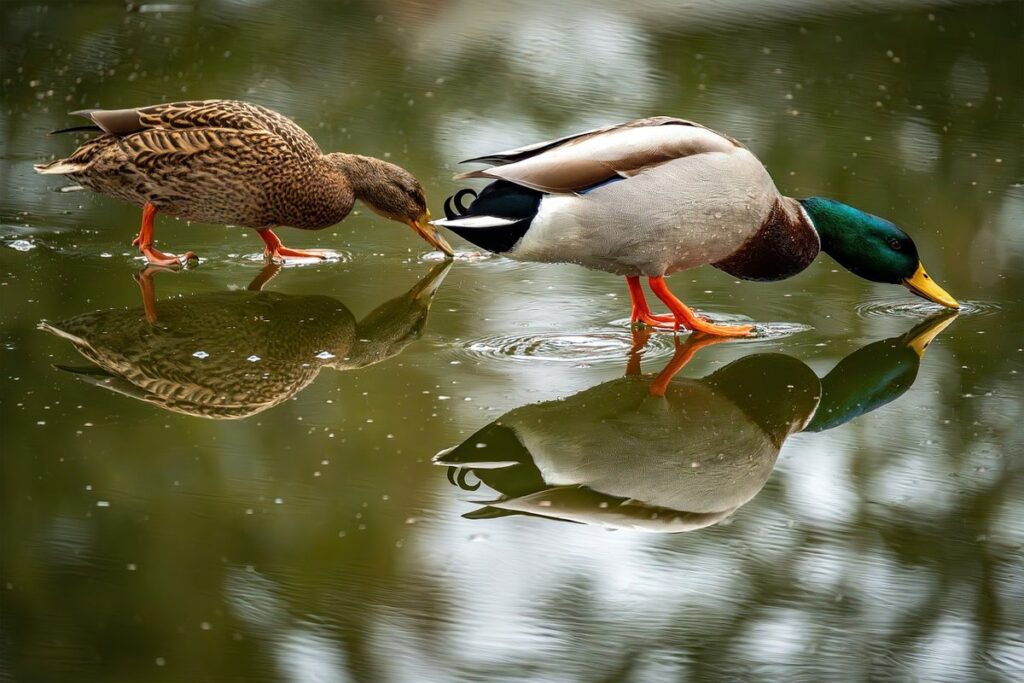
Anatomy and Physiological Preparation for Mating
Before a duck can mate, it needs to be physically prepared, which involves understanding its unique anatomy and physiological adaptations that enable successful mating. Let’s take a closer look at what makes ducks ready for reproduction.
Physical Characteristics Influencing Mating Success
When it comes to attracting a mate, a duck’s physical characteristics play a significant role. The shape and size of its beak are particularly important. For example, males with longer, more curved beaks tend to fare better in the mating game as they can effectively grasp and hold onto twigs for courtship displays. Conversely, females prefer males with shorter, more rounded beaks, which make them more adept at feeding their mates’ offspring.
Plumage is also an essential aspect of a duck’s physical appearance that influences mating success. Males with vibrant, iridescent feathers often outcompete duller-plumed rivals for female attention. This is because bright plumage serves as a visual indicator of a male’s overall health and genetic quality. In contrast, females tend to favor males with shorter, more compact bodies, which suggest better access to food resources.
Another critical physical characteristic influencing mating success is leg length. Males with longer legs have an advantage when it comes to fighting off competitors for mates, as they can stand taller and project a more dominant posture.
Hormonal Changes Leading Up to Mating Season
As we explore the anatomy and physiological preparation for mating in ducks, it’s essential to understand the hormonal changes that signal the start of breeding season. In male ducks, testosterone levels begin to rise significantly around 2-3 weeks before the onset of mating season. This surge in testosterone is responsible for stimulating the development of secondary sex characteristics such as a more prominent comb, longer tail feathers, and an increase in aggressive behavior.
Meanwhile, female ducks experience a similar hormonal shift, but with a twist. Estrogen levels begin to rise in preparation for egg-laying, causing females to become more receptive to mating. As testosterone reaches its peak in males, it triggers the release of pheromones that signal readiness to mate. This subtle yet crucial exchange helps synchronize the breeding cycle and increase the chances of successful mating.
In most duck species, this hormonal rollercoaster is triggered by the shortening daylight hours during winter months. As days get shorter, ducks start preparing for the upcoming breeding season, and their hormone levels adapt accordingly. By understanding these hormonal fluctuations, you can better appreciate the intricate dance of courtship rituals and behaviors exhibited by ducks during mating season.
The Courtship Rituals: Displays and Attraction
When it comes to attracting a mate, ducks have developed some fascinating displays of courtship rituals that are essential for their survival. In this next section, we’ll explore these intriguing behaviors up close.
Display Postures and Behaviors Used by Males
When it comes to attracting females, male ducks employ a variety of display postures and behaviors. One of the most common displays is wing-raising, where the male will spread his wings wide and hold them out to the side. This is often accompanied by neck-stretching, where the duck extends his neck upwards towards the sky.
Vocalizations also play a significant role in courtship rituals for males. They will use various sounds, such as whistles, quacks, and grunts, to communicate with potential mates. For example, the wood duck’s distinctive whistle is often used during courtship displays. To incorporate these behaviors into your own backyard observations, pay attention to the male ducks’ postures and vocalizations.
It’s essential to note that each species of duck has its unique display behaviors. Beavers are known for their elaborate courtship displays, which include a combination of posturing, calling, and visual displays. By recognizing and understanding these differences, you can gain a deeper appreciation for the complex mating habits of ducks.
Female Selection Criteria: What Ducks Look for in a Mate
When it comes to selecting a mate, female ducks are not as straightforward as one might think. They don’t simply choose the most dominant duck on the pond; rather, they use a combination of visual and behavioral cues to assess potential suitors.
Dominance status can indeed play a role in mate selection, but only up to a point. A male duck that is too aggressive or dominant may be seen as more of a threat than an attractive partner. In fact, research has shown that female ducks tend to prefer males with intermediate levels of dominance – those that are confident but not overbearing.
Other important factors include plumage quality and courtship display proficiency. A drake (male duck) with vibrant, well-maintained feathers is likely to catch a female’s eye more quickly than one with dull or disheveled plumage. And as for courtship displays, these can be an essential part of the mating process – a good drake knows how to put on a show!
Mating Behavior: Pre-Copulatory Actions
As we delve into the fascinating world of duck mating habits, let’s take a closer look at the pre-copulatory actions that set the stage for successful pair bonding and copulation. These crucial steps are essential to the entire mating process.
Pre-Mating Displays and Interactions Between Partners
As potential partners begin to interact, ducks often engage in pre-mating displays that showcase their health, strength, and attractiveness. These displays serve as a form of communication, allowing individuals to assess each other’s suitability for mating.
In waterfowl species like ducks, dominance is typically established through vocalizations and visual displays. A dominant individual will often lead the pair bond by initiating interactions, such as quacking or whistling to attract a mate. Submissive birds, on the other hand, may exhibit softer calls or avoid eye contact with the dominant partner.
If you’re interested in observing these pre-mating interactions in ducks, look for pairs that have established dominance-submission dynamics. For instance, watch how a male duck approaches a potential mate, using head-flagging (bobbing his head up and down) to signal interest and friendliness. By understanding these subtle cues, you can gain insight into the mating habits of ducks and appreciate the intricate social behavior involved in their courtship rituals.
Copulation: The Actual Mating Process
Copulation is the final stage of the mating process in ducks, where the male and female engage in reproductive behavior. During this process, the male duck mounts the female from behind, with his tail feathers spread wide to facilitate copulation. The position may vary slightly depending on the breed, but generally, the male’s cloaca (the opening at the base of the tail) comes into contact with the female’s cloaca.
The actual mating process in ducks is brief, lasting only a few seconds. However, this short encounter is crucial for successful reproduction. As the male and female copulate, they may exhibit specific behaviors such as quacking or grunting sounds to signal their pleasure or discomfort.
In many cases, multiple males will compete for access to a single receptive female, leading to intense competition among suitors. This can result in prolonged courtship displays by individual males, showcasing their best plumage and vocalizations in an attempt to impress the female and secure mating rights.
Post-Copulatory Behavior and Bonding
After the male duck has successfully fertilized the female’s eggs, he’ll often engage in post-copulatory behavior to strengthen their bond. This special time is crucial for deepening their connection and ensuring a harmonious partnership.
Strengthening Pair Bonds After Mating
After mating, duck pairs often enter a period of increased bonding and attachment. This strengthened pair bond is essential for the survival and success of their offspring. One key indicator of this strengthening bond is an increase in food sharing between partners.
Studies have shown that during courtship and after mating, ducks tend to engage in cooperative behavior such as mutual preening, which helps to reduce stress and strengthen social bonds. Pairs may also begin to share food sources more frequently, with one duck foraging while the other watches for predators or finds additional resources.
In addition to these behaviors, some pairs may exhibit a notable increase in vocalization and visual displays of affection, such as quacking softly to each other or engaging in gentle neck-twisting. By actively participating in these activities, you can encourage strengthening of your duck pair’s bond after mating.
This cooperative behavior is crucial for the long-term success of the pair and their future broods. By fostering a strong pair bond through food sharing and cooperative activity, you’ll be supporting the overall health and well-being of your ducks.
The Role of Mate Guarding and Territorial Defense
Mate guarding is an essential aspect of pair bonding in ducks. Once a male has successfully attracted a female and they’ve formed a pair bond, he’ll often take on the role of mate guardian to protect his partner from other potential suitors. This behavior serves not only to maintain pair fidelity but also to reinforce their bond through mutual defense.
During this stage, males will often display aggressive behaviors towards other males that approach their territory or female. They may quack loudly, spread their wings, and even engage in physical confrontations with rival males. The goal is clear: to safeguard the bond they’ve formed and ensure the success of their breeding effort.
Territorial defense also plays a crucial role in maintaining pair bonds. Males will fiercely defend their territory from other ducks, as this resource provides essential food, shelter, and protection for their mate. By defending their territory, males demonstrate their commitment to their partner and reinforce their bond through shared activities and experiences.
Incubation and Parental Care
After a successful courtship, ducks focus on building a safe and nurturing environment for their eggs to hatch. Let’s explore how they go about incubating and caring for their precious ducklings.
Egg-Laying and Incubation: A Duck’s Perspective
As ducks prepare to start their families, egg-laying is a crucial aspect of their reproductive cycle. From a duck’s perspective, laying eggs is a natural process that requires minimal effort, but careful consideration must be given to incubation for successful hatching.
Incubation typically begins after the female duck has laid around 8-12 eggs in her nest, which she has carefully constructed using vegetation and feathers. The male duck will often take on a role of providing protection and vigilance over the nest, ensuring that no predators or intruders threaten their young.
To ensure successful hatching, parents must maintain a consistent temperature range within the nest, usually around 99-100°F (37-38°C). They also need to provide adequate humidity by turning the eggs regularly and keeping them moist. In the wild, ducks may even use mud and plant material to line their nests for better insulation.
As incubation progresses, it’s essential for parents to be attentive and monitor the nest closely for any signs of potential issues. With proper care and attention, duck couples can successfully raise a brood of adorable ducklings. By understanding these natural behaviors, you can better appreciate the intricate mating habits of ducks and even support your own backyard flock if you’re raising them for eggs or as pets.
Rearing Chicks: Lessons Learned from Duck Parents
When it comes to rearing their young, duck parents are some of the most diligent and dedicated birds out there. As we’ve learned from observing them, these feathered mothers and fathers teach their chicks essential survival skills that can be applied to our own backyard flocks.
One crucial lesson duck parents impart is how to forage for food effectively. They take their young on hunting expeditions, showing them which plants are safe to eat and where to find the tastiest morsels. For example, did you know that ducks love to feed on aquatic plants like water lilies and cattails? By observing their parents, chicks learn how to navigate their surroundings and exploit available resources.
Another vital skill duck parents pass down is predator avoidance. They teach their young how to recognize potential threats, such as hawks and foxes, and react accordingly. This might involve freezing in place or making a swift escape – either way, the lesson sticks with the chicks for life.
If you’re planning to raise ducks of your own, take note of these parenting skills. By mimicking their behavior, you can help your birds develop essential survival instincts that will serve them well throughout their lives.
Conclusion
As we conclude our exploration of duck mating habits, let’s summarize the key takeaways from their unique courtship rituals and behaviors that play a crucial role in forming lasting pair bonds.
Recap of Key Mating Habits in Ducks
In conclusion to our exploration of duck mating habits, let’s take a moment to recap the key behaviors and rituals that we’ve covered. As you now understand, ducks are monogamous birds that form strong pair bonds during breeding season.
One of the primary characteristics of duck courtship is their use of visual displays to attract mates. This can include elaborate dances, where males will spread their tails and flap their wings in a showy display. We’ve also discussed how male ducks will often present females with gifts, such as aquatic plants or other edible items, as a sign of affection.
In addition to these displays, we’ve touched on the importance of vocalizations in duck mating habits. Males will often use a variety of calls and whistles to establish contact with potential mates, while females will respond with their own unique vocal cues. This language is essential for establishing pair bonds and communicating during the breeding process.
Throughout this article, we’ve highlighted the differences between drakes (male ducks) and hens (female ducks), including their distinct behaviors and roles in courtship rituals. We’ve also explored the factors that influence duck mating habits, such as age, health, and environmental conditions.
As you now understand these key aspects of duck mating habits, you’ll be better equipped to observe and appreciate these fascinating birds. Whether you’re a seasoned duck enthusiast or simply interested in learning more about these remarkable creatures, our exploration has provided valuable insights into the intricate world of duck courtship.
Frequently Asked Questions
How long does it take for a duck pair to form a strong bond after mating?
The formation of a strong pair bond in ducks typically takes several months, with some pairs remaining together for up to two years or more. The bond is strengthened through shared parental care and responsibilities, which helps establish trust and reinforces their partnership.
Can ducks mate multiple times during the breeding season?
Yes, ducks are capable of mating multiple times during a single breeding season. However, the frequency of matings can depend on various factors such as food availability, environmental conditions, and the overall health of the pair.
How do duck parents divide responsibilities during incubation and chick-rearing?
Duck parents typically share incubation duties evenly, taking turns to sit on the eggs or chicks. Once the young ones are hatched, both parents participate in feeding, brooding, and protecting their offspring, demonstrating a remarkable example of cooperation and parental care.
What factors can affect the success of duck mating habits and pair bonding?
Several factors can influence the success of duck mating habits and pair bonding, including predation pressure, food scarcity, habitat quality, and disease outbreaks. Additionally, individual differences in personality traits and mate choice criteria can also impact the stability of pair bonds.
Can ducks recognize and remember their mates from previous breeding seasons?
Yes, research has shown that some duck species exhibit long-term memory and recognition of their mates, which can help strengthen pair bonds and even facilitate reunion after a prolonged separation.