
Geese are often seen as majestic birds waddling around parks and gardens, but have you ever wondered about their mating habits? From forming strong pair bonds to establishing dominance hierarchies, geese have a complex social structure that plays out during breeding season. As it turns out, human activities can significantly impact their behavior, from habitat destruction to hunting. In this article, we’ll delve into the fascinating world of goose mating habits, exploring how they form long-lasting relationships, breed and raise their goslings, and respond to environmental pressures. We’ll also discuss how our actions as humans can influence their behavior and what we can learn from these amazing creatures. Whether you’re a nature enthusiast or simply curious about wildlife, this article will give you a deeper understanding of the intriguing mating habits of geese.
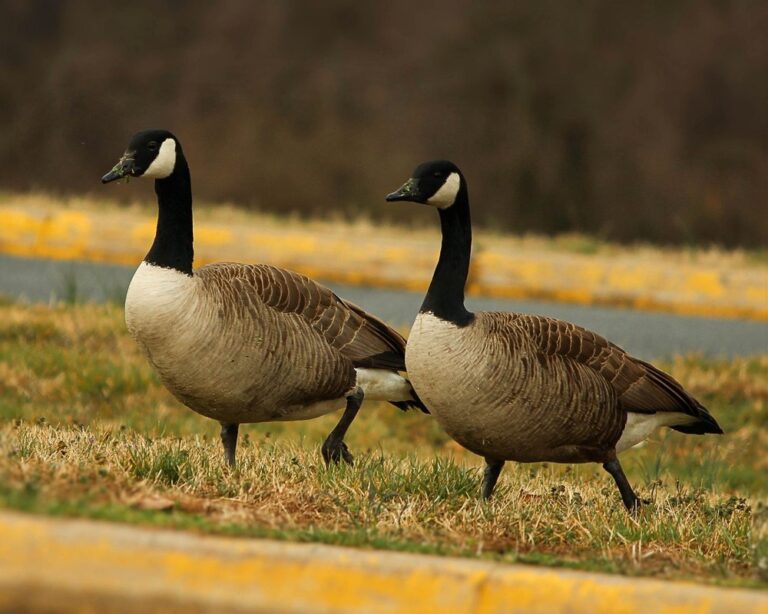
Courtship and Pair Bonding
As you learn more about geese mating habits, it’s essential to understand how they form long-lasting pair bonds and engage in courtship displays that strengthen their relationships. Let’s explore this fascinating process together.
Identifying Potential Partners
When it comes to forming pair bonds, geese are notorious for their elaborate displays of affection and territorial behavior. In fact, a goose’s mating success often depends on its ability to establish a strong connection with a potential partner. So, how do geese go about identifying potential partners?
Geese use a variety of visual displays to attract mates, including courtship rituals like bowing, head-flagging, and wing-spreading. During these displays, male geese will often stand upright, flapping their wings and making loud honking sounds to showcase their fitness and strength. Female geese, on the other hand, are drawn to males who demonstrate strong territorial behavior, such as defending a nesting site or leading a group of followers.
If you’re interested in encouraging your goose’s natural mating habits, try providing a safe and stable environment with plenty of space for them to roam and establish their own territory. You can also encourage courtship displays by introducing potential mates at the right time, typically during breeding season when geese are most receptive.
Establishing Dominance Hierarchy
When it comes to mating rituals, geese establish a dominance hierarchy that plays a crucial role in determining their pair bond. Dominant birds assert their status through aggressive displays of strength and courage, such as loud honking, head-flagging, and wing-flapping. These displays serve as a warning signal to other geese, indicating their dominance and potential threats.
The dominant bird typically assumes the lead position during courtship rituals, while the subordinate bird takes on a more submissive role. This hierarchy is essential for establishing a stable pair bond, as it allows both birds to recognize each other’s status and boundaries. In a natural setting, you might observe a dominant male geese leading a female in a circular dance, with the subordinate bird following closely behind.
By understanding the dominance hierarchy, you can better appreciate the complexities of goose mating rituals. If you’re trying to intervene or observe these behaviors in a controlled environment, keep in mind that introducing an imbalance in the dominance hierarchy can lead to stress and conflict within the group.
Mating Rituals and Displays
Geese are known for their elaborate courtship rituals, which serve as a crucial aspect of their mating habits. One of the most common displays is the bowing ceremony, where the male goose will lower his head and neck to the ground, raising his tail feathers at the same time. This display is often accompanied by a loud honking noise, signaling to potential partners that he’s ready for courtship.
In addition to bowing, geese also engage in preening behaviors as part of their mating ritual. Both males and females will spend time cleaning each other’s feathers, which not only strengthens their bond but also helps to remove parasites and distribute preen oil throughout the plumage. This display is often a precursor to more intimate behavior.
Flying displays are another essential component of geese courtship. Males will perform aerial loops and dives, while females watch from below, assessing his agility and strength. These flying displays can be quite impressive, with some males reaching speeds of up to 60 mph during their acrobatic performances. By observing these behaviors, you can better understand the intricate dance of geese courtship and how it ultimately leads to successful pair bonding.
Breeding Season and Nesting Habits
During breeding season, geese establish long-lasting pair bonds through a complex courtship ritual that involves vocalizations, displays of aggression, and mutual preening. This unique bond is crucial for their successful mating process.
Preparing the Nesting Site
When it comes to selecting and preparing their nesting sites, geese are meticulous creatures. They carefully choose areas with dense vegetation, which provides them with the necessary cover from predators and harsh weather conditions. The importance of vegetation cannot be overstated, as it not only serves as a protective barrier but also helps regulate the microclimate around the nest.
Proximity to water is another crucial factor in geese’s nesting site selection process. They prefer areas where they can easily access shallow waters for bathing, preening, and foraging. This proximity also allows them to maintain their waterfowl habits, which are essential for their survival.
In addition to vegetation and water proximity, geese also look for a relatively flat area with minimal disturbance from humans or other animals. They often choose areas with a mix of tall grasses and shorter plants, creating a sense of security and stability.
As you observe geese in their natural habitat, take note of the effort they put into selecting and preparing their nesting sites. By understanding these habits, you can better appreciate the complexities of their mating rituals and create more effective conservation strategies to protect these remarkable birds.
Female Goose Fertility and Ovulation
Female geese have a unique reproductive biology that plays a crucial role in their mating habits. When it comes to fertility and ovulation, female geese typically experience a short breeding season that coincides with the spring migration. During this time, they are most receptive to mating and can become pregnant even before they arrive at their breeding grounds.
A female goose‘s reproductive cycle is controlled by hormones, specifically estrogen and progesterone. Her ovaries produce eggs in response to increasing daylight hours, which triggers a surge in estrogen levels. As the egg matures, progesterone levels rise, causing the yolk to be released from the ovary and into the oviduct for fertilization.
Female geese are typically fertile for about 5-7 days, with their most receptive period occurring around 2-3 weeks after laying eggs. This means that male geese must time their mating efforts carefully to ensure successful breeding. Female geese can store sperm for several months, allowing them to become pregnant even after the initial mating encounter.
To increase chances of successful breeding, farmers and breeders often use artificial insemination or carefully manage the timing of natural matings to coincide with the female’s fertile period. By understanding the intricacies of female goose fertility and ovulation, you can better plan your breeding program and optimize the reproductive potential of these remarkable birds.
Male Goose Role in Incubation
While it’s common to associate incubation duties with female birds, male geese play a significant role in caring for their eggs and goslings. During the breeding season, male geese take turns with females to balance out incubation responsibilities. This unique partnership is known as “alternate brooding,” where one parent takes on incubation duties while the other forages for food.
In fact, research suggests that male geese are just as effective at incubating eggs as their female counterparts. They exhibit remarkable patience and dedication, often sitting on eggs for extended periods to ensure proper temperature regulation. When a male goose is not incubating, he’ll often take turns with his mate or even other nearby males.
Male geese also contribute significantly to gosling care. They’re responsible for protecting their young from predators and rival males, using aggressive displays to deter potential threats. This important role ensures the survival of their offspring and reinforces the pair bond between male and female geese. By understanding the male goose’s role in incubation, you can appreciate the intricate social dynamics at play during the breeding season.
Gosling Development and Growth
Now that we’ve explored how geese mate, let’s dive into the fascinating world of gosling development and growth, where parents play a crucial role in their young ones’ survival.
Hatching and Initial Care
Once the eggs have been laid and incubated for about 28-30 days, goslings are ready to hatch. This process is a remarkable sight to behold, with the eagerness of the parents often evident as they gently nudge their chicks out of their shells. As soon as the gosling pips its beak into the shell, it begins to breathe and absorb oxygen from the air.
The importance of parental care during this initial stage cannot be overstated. Female geese take turns incubating eggs while the male stands guard nearby. Once hatched, the parents divide their duties, with one caring for the young ones as they emerge from the nest while the other hunts for food and brings it back to the family.
In terms of early development, goslings rely heavily on their mother’s milk for nutrition. The first few weeks are critical in establishing strong bonds between parent and child, which will ultimately impact the survival rate of the young ones. To ensure a healthy start for your goslings, prioritize providing them with adequate food, shelter, and protection from predators.
Gosling Growth and Molt Stages
As you watch your goslings grow and develop, you may notice that they undergo several stages of transformation before reaching adulthood. This process is called molt, and it’s essential for their growth and development. At around 6-8 weeks old, goslings begin to lose their juvenile feathers as new ones start to grow in. This process can be quite dramatic, with the gosling losing up to half its original weight due to the loss of feathers.
During this time, it’s essential to provide your goslings with a nutritious diet and plenty of water to help them through the molt process. You may notice that their new feathers take on a silvery-gray color before eventually developing into the vibrant colors of adult geese. By around 12-14 weeks old, most goslings have completed their first full molt, and you’ll start to see their adult plumage emerging.
It’s worth noting that geese typically go through two molts in their first year of life, with the second molt occurring in the fall as they prepare for winter. By paying attention to your goslings’ development and providing proper care during this critical period, you can help ensure a healthy and thriving flock.
Gosling Independence and Fledging
As young geese grow and mature, they undergo a significant transformation from dependence on their parents to independence. This process, known as fledging, is a critical milestone in the development of goslings. Typically, by around 8-10 weeks old, goslings begin to venture away from their parents’ side, starting with short forays and gradually increasing their distance.
During this period, parents continue to provide essential care, including food, protection, and guidance. However, as goslings become more confident in their abilities, they start to take on more responsibility for finding food and avoiding predators. A key indicator of fledging is when young geese begin to accompany adults on feeding trips, learning valuable skills about foraging and navigating.
By around 12-14 weeks old, most goslings have achieved a level of independence, although some may remain with their parents for several more months. If you’re raising geese, it’s essential to recognize the signs of fledging and gradually transition your birds to self-sufficiency to ensure they develop into healthy, confident adults.
Geese Behavior During Mating Season
During mating season, geese exhibit fascinating behaviors that showcase their unique bond and reproductive habits. Let’s dive into what you can expect from these remarkable birds.
Migration Patterns and Breeding Grounds
As mating season approaches, geese begin their incredible journey to reach their breeding grounds. These ancient migratory patterns are deeply ingrained in their behavior, and understanding them is crucial for anyone interested in observing or interacting with these magnificent birds.
Geese migrate to their traditional breeding grounds, often following the same routes their ancestors took for generations. For example, Canada Geese migrating from their wintering grounds in the southern United States may follow the Mississippi River flyway northward to reach their breeding grounds in the northern parts of the country and Canada.
Timing is also a critical factor in geese migration. Typically, they begin their journey in late February or early March, depending on factors such as weather conditions, food availability, and daylight hours. Once they arrive at their destination, geese carefully select their habitat based on suitable vegetation, access to water, and protection from predators.
In choosing their breeding grounds, geese prioritize areas with lush grasslands, wet meadows, or other habitats that provide an abundance of food for themselves and their goslings. These prime locations often feature open spaces with minimal human disturbance, allowing the geese to establish their territories and raise their young without undue stress.
Interactions with Other Birds and Predators
During mating season, geese engage in complex social dynamics with other bird species and employ effective predator avoidance strategies to ensure their safety. As these birds form large flocks, they often interact with various waterfowl species, such as ducks, swans, and mergansers. However, dominant geese may display aggressive behavior towards subordinate species, especially during courtship displays.
To avoid predators, geese have developed keen senses of vision and hearing. They use their highly sensitive eyesight to detect potential threats from a distance and alert the flock with loud honking calls when danger is imminent. For instance, if a coyote or fox enters their territory, geese will rapidly gather in a tight formation, using their numbers and vigilance to deter the predator.
When encountering other bird species, geese typically adopt one of two strategies: either they form alliances with fellow waterfowl to protect their mate and territory or engage in aggressive displays to assert dominance. Observers can gain insight into goose social dynamics by studying these interactions, which provide a glimpse into the intricate behaviors that shape their mating habits.
Human Impact on Geese Mating Habits
Human activities have significantly disrupted geese mating habits, making it challenging for them to thrive. Habitat destruction is one of the primary concerns, as urbanization and agricultural expansion lead to the loss of natural habitats and nesting sites. This not only reduces the available space for geese but also exposes them to increased human disturbance, noise pollution, and potential predator threats.
Pollution is another critical issue affecting geese mating habits. The ingestion of plastic debris, oil spills, and other pollutants can lead to reproductive problems, birth defects, and even mortality. In some cases, geese may mistake shiny objects for mates or nesting materials, further exacerbating the problem.
Hunting regulations also play a significant role in shaping geese mating habits. Overhunting, particularly during migration periods, can disrupt geese social structures, leading to increased stress levels and decreased reproductive success. Additionally, the removal of dominant individuals can alter the genetic makeup of local populations, potentially threatening their long-term viability.
Conclusion: Conservation Implications
As we conclude our exploration of geese mating habits, let’s now consider what these fascinating behaviors mean for conservation efforts and the future of these incredible birds.
Importance of Preserving Goose Habitats
As we’ve explored the intricate mating habits of geese, it’s essential to consider the long-term implications for their populations. Preserving natural habitats is crucial for goose populations to thrive. Geese rely on specific types of wetlands, grasslands, and waterways to breed, nest, and raise their young.
The destruction or degradation of these habitats can have severe consequences, including reduced breeding success, increased competition for resources, and even localized extinctions. In Canada, for example, the loss of coastal wetlands has led to a significant decline in Snow Goose populations. Similarly, in Europe, intensive agriculture and urbanization have encroached upon traditional goose habitats.
To mitigate these effects, it’s vital that we work to protect and restore natural habitats. Governments, conservation organizations, and local communities must collaborate to establish protected areas, reintroduce native vegetation, and implement sustainable land-use practices. By doing so, we can ensure the continued health and diversity of goose populations, ultimately safeguarding their remarkable mating habits for future generations.
Role of Human Intervention in Mating Season
During mating season, human intervention can play a crucial role in the conservation of geese populations. Habitat restoration is one potential effort that can be implemented during this time. This can involve restoring natural habitats such as wetlands and grasslands, which provide essential breeding grounds for geese.
Education programs are also vital in raising awareness about the importance of protecting goose habitats. For example, local communities can work with conservation organizations to develop educational materials and workshops that teach residents how to peacefully coexist with geese. This can include tips on how to safely relocate nests or young goslings if they enter human-dominated areas.
Another key aspect is monitoring and addressing threats such as habitat destruction, pollution, and hunting. By working together, we can ensure the continued success of goose populations during their most vulnerable time – mating season. By taking a proactive approach to conservation, we can not only preserve but also enhance geese habitats for future generations to enjoy.
Frequently Asked Questions
What are some common signs that a goose pair is preparing to breed?
Geese pairs often start vocalizing, displaying courtship behaviors, and engaging in territorial displays when they’re about to breed. Keep an eye out for these signs to anticipate the breeding season in your local park or garden.
Can geese change their mate if they’re not satisfied with their partner?
Yes, geese are known to switch partners if they don’t feel a strong connection or if their current partner is unable to provide suitable resources for breeding. This flexibility is essential for ensuring the success of their reproductive efforts.
How can human activities disrupt goose mating habits?
Human actions such as habitat destruction, hunting, and pollution can significantly impact goose behavior during breeding season. These disruptions can lead to changes in nesting sites, reduced pair bonding, and decreased reproductive success.
What are some ways to create a conducive environment for geese breeding in urban areas?
When designing green spaces or parks, consider incorporating features that promote geese breeding and habitat preservation. This might include providing shallow water sources, plant species preferred by geese, and minimizing human disturbance during peak breeding times.
Can geese form pair bonds with other types of birds?
No, geese are primarily monogamous and tend to form long-lasting relationships within their own species. While they may engage in social interactions with other bird species, they rarely form pair bonds outside of their own kind.