
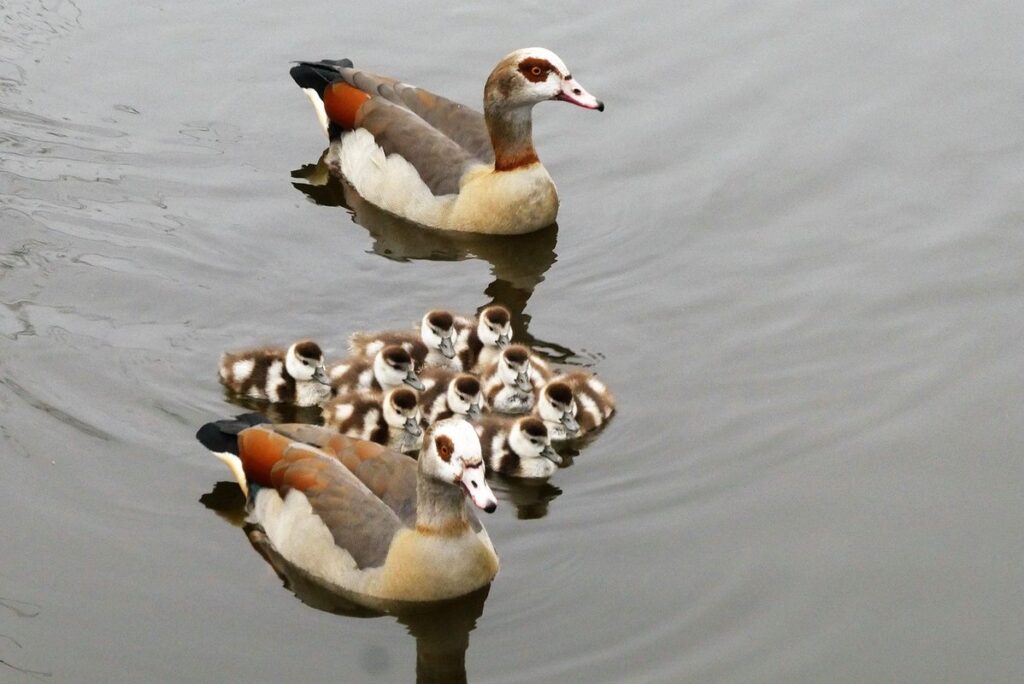
Geese are more than just honking visitors to our parks and lakes – they’re fascinating creatures that have been roaming our planet for thousands of years. But have you ever stopped to think about how long these birds actually live? From the Canada geese we see in our backyards to the elegant Egyptian geese, different types of geese have varying lifespans, influenced by factors such as diet, habitat, and climate. As we delve into the world of geese and their average lifespans, we’ll also explore the impact of human activities on these remarkable birds and discuss conservation efforts aimed at protecting them for future generations. In this article, we’ll take a closer look at how long do geese live, and what we can learn from their lives to appreciate and care for these incredible creatures.
Introduction to Goose Lifespan
Let’s take a closer look at just how long geese live, and what factors can affect their lifespan. You’ll learn more about their average life expectancy in this next section.
What Influences a Goose’s Lifespan?
A goose’s lifespan is influenced by a combination of factors that work together to determine its overall health and longevity. Genetics play a significant role, with some breeds being naturally more long-lived than others. For example, White Chinese Geese are known to live up to 20-25 years in ideal conditions, while Embden Geese typically live for around 15-18 years.
Environmental factors also have an impact on a goose’s lifespan. Exposure to harsh weather conditions, predators, and diseases can all contribute to a shorter life expectancy. Additionally, geese that are raised in captivity may experience longer lifespans than those living in the wild due to better access to food, water, and healthcare.
Diet is another critical factor affecting a goose’s lifespan. A balanced diet rich in nutrients will help support overall health and well-being, while a poor diet can lead to malnutrition and related health issues. Aiming for 1-2 cups of fresh vegetables and fruits per day, along with high-quality grains and protein sources, can help ensure your geese receive the necessary nutrients for optimal health.
Health conditions are another important consideration when it comes to determining a goose’s lifespan. Common health issues in geese include respiratory problems, digestive issues, and injuries sustained during migration or other activities. Regular veterinary check-ups, proper vaccinations, and prompt treatment of any health issues can all contribute to a longer, healthier life for your geese.
Importance of Studying Goose Lifespan
Understanding goose longevity is crucial for various reasons that extend beyond mere curiosity about their lifespan. One significant aspect of studying goose lifespan is its importance for conservation efforts. When we understand how long geese live, it helps us assess the effectiveness of our conservation strategies and identify areas where improvements are needed.
For instance, if a species of goose is found to be living longer than anticipated, it may indicate that their habitat is thriving, allowing them to adapt and grow. Conversely, if their lifespan is shorter than expected, it could signal environmental stressors or other challenges they’re facing.
Wildlife management also benefits from understanding goose longevity. By knowing how long geese live, wildlife managers can better predict population trends and develop more effective strategies for managing populations. This, in turn, helps maintain a balance between goose populations and their habitats.
Lastly, studying goose lifespan is essential for animal welfare. When we understand how long geese live, we’re better equipped to identify potential health risks or threats that may affect their well-being. By doing so, we can take proactive measures to ensure the health and safety of these remarkable birds.
Types of Geese and Their Average Lifespans
There are several types of geese, each with its own unique characteristics and average lifespan, ranging from a few decades to a remarkable 20-30 years in some cases. Let’s take a closer look at these fascinating waterfowl species!
Domesticated Geese Lifespan
Domesticated geese have an average lifespan of 10-20 years, although some individuals have been known to live up to 25 years. This is significantly shorter than their wild counterparts, who can live for 20-30 years or more. Several factors contribute to the difference in lifespan between domesticated and wild geese.
For example, domesticated geese are often kept in confined spaces with limited access to exercise and fresh air. This lack of physical activity and exposure to natural environments can lead to health problems such as obesity, respiratory issues, and heart disease. In contrast, wild geese migrate long distances each year, which helps maintain their physical fitness and resilience.
Proper care and management can help extend the lifespan of domesticated geese. Providing a spacious enclosure with adequate space for exercise, fresh air, and access to clean water is essential. Regular veterinary check-ups and vaccinations can also prevent diseases and promote overall health. By prioritizing the well-being of these birds, you can ensure they lead long and happy lives.
Wild Geese Lifespan
The lifespan of wild geese varies depending on several factors including species, habitat, and geographic location. On average, a wild goose’s lifespan ranges from 20 to 30 years, although some species can live up to 40 years or more.
For instance, the Canada Goose (Branta canadensis) is known to live up to 30-40 years in its natural habitat, while the Snow Goose (Anser caerulescens) typically lives for around 20-25 years. On the other hand, the Swan Goose (Anser cygnoides), which is a hybrid of the Swan and Goose species, has been known to live up to 50 years in some cases.
Regional variations also play a significant role in determining the lifespan of wild geese. Geese living in urban areas tend to have shorter lifespans compared to those living in more natural habitats. For example, geese in North America may live longer than their European counterparts due to factors such as food availability and disease resistance. Understanding these variations is crucial for effective conservation efforts.
Interestingly, the longest-lived wild goose on record was a Bewick’s Swan (Cygnus bewickii) that lived up to 51 years in captivity.
Factors Affecting Goose Lifespan
When it comes to determining how long a goose will live, several key factors come into play that can significantly impact its overall lifespan. Let’s take a closer look at what influences their longevity.
Environmental Factors: Habitat, Climate, and Human Impact
Geese have adapted to various environments worldwide, but their lifespan can be significantly affected by external factors. Habitat destruction and fragmentation are major concerns for many goose populations. Human activities like urbanization, agriculture, and infrastructure development lead to the loss of natural habitats, making it difficult for geese to find suitable areas for breeding, feeding, and migration.
Climate change is another critical factor influencing goose lifespan. Extreme weather events, such as heatwaves and droughts, can cause stress and reduce food availability, while altering traditional migration patterns disrupts their ability to adapt. Rising sea levels and coastal erosion threaten nesting sites and habitats of migratory geese like the Canadian Goose.
Human impact also extends to pollution, with plastic waste and pesticides affecting goose health. According to a study by the International Union for Conservation of Nature (IUCN), pollutants in waterways can lead to reproductive issues and death. By reducing our carbon footprint, supporting conservation efforts, and making environmentally conscious choices, we can help mitigate these effects and promote healthy goose populations.
Health Issues and Diseases in Geese
Geese are generally robust birds, but they can be prone to certain health issues that can impact their lifespan. One of the most common health problems affecting geese is respiratory disease, caused by bacteria such as Pasteurella and E. coli. These infections can lead to symptoms like coughing, sneezing, and difficulty breathing, which can significantly shorten a goose’s lifespan if left untreated.
Another issue that affects geese is malnutrition, particularly in young birds. A diet lacking essential nutrients can cause growth stunting, weakened immune systems, and an increased risk of disease. For example, a study found that goslings fed with low-quality feed had reduced body weight and lower immune function compared to those on a balanced diet.
Goose owners should also be aware of the risks associated with parasites like mites and lice, which can cause skin irritation, feather loss, and secondary infections. Regular cleaning and disinfection of coops and enclosures can help prevent these infestations. By being mindful of these potential health problems and taking preventative measures, you can significantly improve your geese’s chances of living a long and healthy life.
Goose Lifespan in Captivity vs. Wild
When it comes to a geese’ lifespan, there’s a notable difference between those living in captivity and their wild counterparts, where conditions can greatly impact longevity. Let’s dive into the specifics of each environment.
Zoos and Sanctuaries: Providing a Safe Environment
In zoos and wildlife sanctuaries, goose care is a top priority to ensure these magnificent creatures thrive. These institutions take extra measures to create a safe environment that mimics the geese’s natural habitat as closely as possible. For instance, some zoos have large enclosures with ponds, grasslands, and trees, allowing geese to engage in their natural behaviors like foraging, swimming, and flying.
Zoos also provide a nutritious diet tailored to each species of goose, taking into account their specific dietary needs. In contrast, wild geese must adapt to seasonal changes in food availability, which can lead to malnutrition and reduced lifespan. By controlling the food supply, zoos help prevent diseases that spread through contaminated water or feed.
Another crucial aspect is veterinary care. Zoos often have experienced veterinarians on staff who monitor the health of their residents, providing regular check-ups and prompt treatment for any issues that arise. In contrast, wild geese may not receive timely medical attention, leading to further health complications. By prioritizing goose care, zoos can contribute significantly to extended lifespans in captivity.
By implementing these measures, zoos and wildlife sanctuaries play a vital role in helping geese live longer, healthier lives. If you’re considering visiting or supporting your local zoo or sanctuary, look for institutions that prioritize naturalistic habitats and provide excellent care for their residents – every effort counts towards the well-being of these magnificent creatures!
Challenges Faced by Geese in Captivity
When geese are kept in captivity, they often face numerous challenges that can negatively impact their lifespan. One of the primary concerns is stress. Geese are social animals and thrive in the company of others, but in a captive environment, they may not have access to enough space or suitable companions, leading to frustration and anxiety. To mitigate this issue, it’s essential for owners to provide geese with ample space to roam and engage in natural behaviors.
Another common problem is boredom, which can lead to destructive behavior and health issues. Geese need mental stimulation and physical activity to stay healthy, but captive environments often fail to meet these needs. For instance, a lack of foraging opportunities can result in obesity and related diseases. To combat this, owners can provide geese with plenty of enrichment activities, such as hiding food or offering puzzle toys.
Health problems are also prevalent among captive geese, primarily due to poor nutrition and lack of exercise. For example, many commercial goose feed products contain high amounts of processed ingredients that can cause digestive issues and contribute to obesity. Owners should aim to provide geese with a balanced diet that includes plenty of fresh fruits, vegetables, and whole grains. Regular veterinary check-ups and proper care can also help prevent common health problems associated with captivity.
Record-Setting Longevity Cases: Exceptional Geese
Let’s take a look at some exceptional geese that have shattered expectations and lived surprisingly long lives, often far beyond their expected lifespan. We’ll examine these remarkable cases in more detail here.
Longest-Lived Goose Species
Among all goose species, some stand out for their remarkable longevity. The Tundra Swan Goose, for instance, has been known to live up to 40 years in the wild, making it one of the longest-lived goose species. In captivity, they have been recorded to live for as long as 50 years.
The Greylag Goose is another notable example, with some individuals living into their mid-30s. One record-breaking Greylag Goose named “Walter” lived an astonishing 44 years in a German zoo. His longevity was attributed to proper care and nutrition, highlighting the importance of a well-managed environment for geese.
It’s worth noting that these exceptional lifespans are often linked to factors such as access to quality food, adequate shelter, and minimal human disturbance. By learning from these record-breaking individuals, we can gain insights into what contributes to their remarkable longevity and apply this knowledge to improve the care of domesticated geese.
Factors Contributing to Exceptional Longevity
In exceptional cases where geese live beyond their typical lifespan of 20-30 years, several factors may contribute to their remarkable longevity. One key factor is genetic predisposition, which can play a significant role in determining an individual goose’s lifespan. Research has shown that certain breeds, such as the Canada Goose, tend to live longer than others due to their genetic makeup.
Environmental factors also come into play, with nutrition and lifestyle habits having a significant impact on a goose’s lifespan. Geese that have access to clean water, nutritious food, and regular exercise tend to live longer than those that don’t. For example, a study found that geese living in areas with high-quality habitat and minimal human disturbance had an average lifespan of 35 years, compared to just 20 years for those living in areas with degraded habitats.
By providing your geese with a nutritious diet, regular exercise, and a safe environment, you can help promote their longevity.
Conservation Efforts to Protect Goose Populations
Several organizations are working tirelessly to safeguard goose populations, focusing on habitat preservation and education programs to mitigate human-wildlife conflicts. Let’s take a closer look at these crucial conservation efforts.
Importance of Habitat Preservation
Geese and other wildlife species rely on their natural habitats to survive. These habitats provide geese with food, shelter, breeding grounds, and areas for migration. Unfortunately, human activities such as deforestation, pollution, and urbanization have significantly reduced the availability of suitable habitats for geese.
Preserving natural habitats is essential for maintaining healthy goose populations. When habitats are degraded or destroyed, geese are forced to adapt to new environments, which can lead to increased stress levels and a higher risk of disease transmission. For example, a study on Canada Geese found that those living in urban areas had a 30% higher mortality rate compared to their counterparts in natural habitats.
Incorporating habitat preservation into conservation efforts is crucial for protecting goose populations. This can be achieved by creating protected areas, restoring degraded habitats, and promoting sustainable land-use practices. By doing so, we can provide geese with the necessary resources to thrive, which is essential for maintaining healthy populations and ensuring their longevity.
Strategies for Managing Human-Geese Conflict
Managing human-geese conflict is an essential aspect of conservation efforts to protect goose populations. As we explore the lifespan of geese, it’s also crucial to understand the strategies used to mitigate conflicts between humans and these magnificent birds.
When geese inhabit agricultural areas or urban landscapes, they can cause significant damage to crops and property. Fencing off sensitive areas is one effective method for preventing human-geese conflict. For instance, farmers in Canada have successfully used electric fencing to protect their wheat fields from goose damage. This approach not only reduces crop losses but also minimizes the risk of injury to both humans and geese.
Implementing deterrents is another viable strategy for managing human-geese conflict. Methods include using visual scarecrows, noise-making devices, or even dogs specifically trained to deter geese. For example, a study in the UK found that using motion-activated sprinklers reduced goose activity by 70% on a nearby golf course. By adopting these methods, we can reduce conflicts and promote peaceful coexistence between humans and geese.
It’s also essential for local authorities to establish clear guidelines and regulations for managing human-geese conflict. This includes educating the public about the importance of respecting goose habitats and implementing effective deterrent measures.
Conclusion: Understanding the Lifespan of Geese
Now that we’ve explored the factors influencing geese lifespan, let’s summarize our findings and provide a final perspective on these fascinating waterfowl. We’ll tie everything together in this conclusive section.
Recap of Key Points
As we conclude our exploration into the lifespan of geese, let’s recap the key points that can help you better understand their longevity. From factors influencing lifespan to conservation efforts, here are the main takeaways:
We discussed how a goose’s diet, habitat, and genetics play significant roles in determining its lifespan. A well-balanced diet, access to clean water, and suitable living conditions all contribute to a longer lifespan. Additionally, research has shown that geese living in urban areas tend to have shorter lifespans compared to those in natural habitats.
When it comes to conservation efforts, protecting goose populations from threats like hunting, habitat destruction, and climate change is crucial. You can make a difference by supporting organizations that work towards preserving goose habitats and reducing human-wildlife conflict. By understanding the factors affecting goose longevity, we can take steps to ensure these magnificent creatures continue to thrive.
In practical terms, if you’re a bird enthusiast or live in an area where geese are present, consider taking simple actions like reducing your carbon footprint, supporting eco-friendly initiatives, and spreading awareness about the importance of conservation. By working together, we can make a positive impact on goose populations worldwide.
Future Directions for Research and Conservation
As we conclude our exploration of the lifespan of geese, it’s essential to consider the future directions for research and conservation efforts. By continuing to study goose biology, scientists can gain a deeper understanding of their longevity and adaptability, ultimately informing strategies for conservation.
One promising area of research is investigating the impact of climate change on goose populations. Rising temperatures and altered migration patterns could significantly affect goose habitats and food sources, making it crucial to develop predictive models that account for these changes. Researchers can utilize satellite tracking, genomic analysis, and other cutting-edge technologies to gather data on goose behavior, population dynamics, and genetic diversity.
Conservation initiatives should prioritize habitat preservation, restoration, and connectivity. By protecting key stopover sites, migratory corridors, and breeding grounds, we can safeguard geese’ ability to adapt to a changing environment. Moreover, collaborative efforts between scientists, policymakers, and local communities are vital for developing effective conservation plans that balance human needs with wildlife protection.
Frequently Asked Questions
Can geese adapt to urban environments, or do they thrive better in natural habitats?
Geese can adapt to urban environments, but their quality of life may suffer due to limited space, noise pollution, and human activity. They generally prefer large open spaces with access to water and vegetation. If you’re planning to keep geese in an urban area, consider providing a spacious enclosure or habitat that mimics their natural environment.
How can I ensure my domesticated geese receive proper care and nutrition?
Domesticated geese require a balanced diet rich in protein, fiber, and essential vitamins. Provide them with high-quality feed specifically formulated for waterfowl, as well as access to fresh vegetables and fruits. Ensure they have clean drinking water at all times and maintain their living area to prevent disease.
What are some common health issues affecting geese in captivity?
Domesticated geese may be susceptible to various health issues, including respiratory problems, parasites, and vitamin deficiencies. Regular veterinary check-ups can help identify potential health concerns early on. Maintaining a clean environment, providing proper nutrition, and ensuring they have adequate space for exercise can also contribute to their overall well-being.
Can I release domesticated geese back into the wild if they’re no longer needed?
Releasing domesticated geese into the wild is not recommended. They may lack the necessary survival skills and adaptability to fend for themselves in a natural environment. Domesticated geese are often dependent on humans for food, shelter, and protection from predators, making it challenging for them to thrive in the wild.
Are there any specific conservation efforts focused on protecting goose populations?
Yes, various organizations and governments implement measures to protect goose populations. These include habitat preservation, research initiatives, and education programs aimed at promoting coexistence between humans and geese. Supporting these efforts can contribute to the long-term survival of geese in their natural habitats.