
If you’re an avid birdwatcher or simply fascinated by these beautiful creatures, you’ve probably wondered about the lifespan of mallard ducks. Like many of us, we often take their presence for granted, assuming they’ll always be a familiar sight in our local parks and waterways. But have you ever stopped to think about how long these incredible birds actually live? From factors that impact their longevity, such as environment and predation, to the effects of domestication on their average life expectancy, there’s more to the lifespan of mallard ducks than meets the eye. In this article, we’ll delve into the fascinating world of mallard duck lifespans, exploring what influences their lives and how you can spot these amazing birds in your local area.
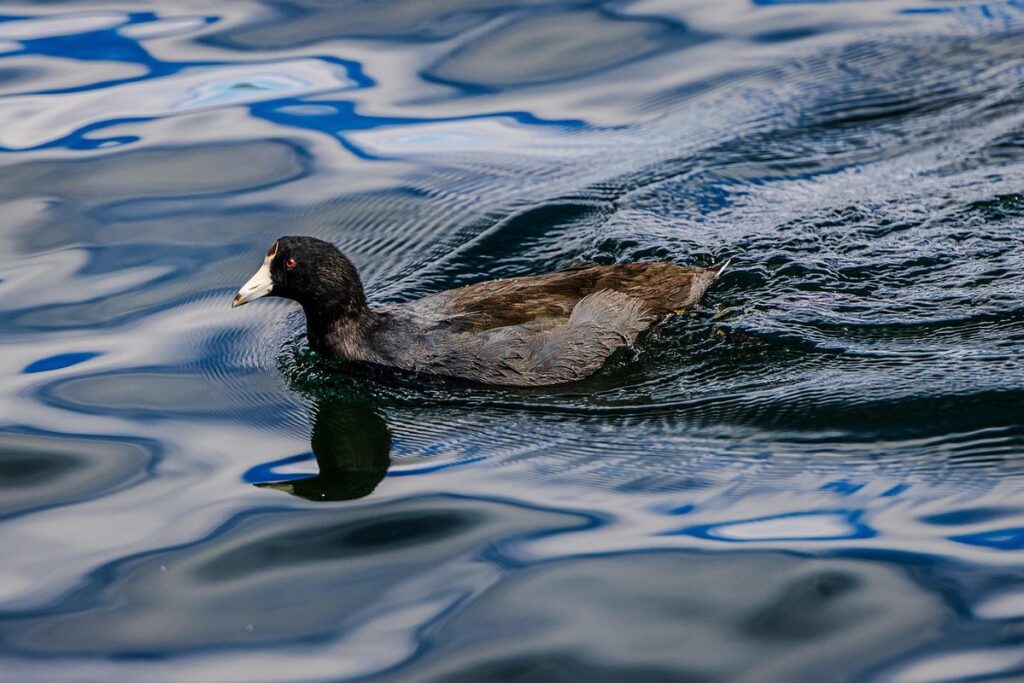
Introduction to Mallard Duck Lifespan
As we explore the fascinating world of mallard ducks, let’s start by understanding one of their most basic yet essential aspects: how long do they live? In this section, we’ll dive into the average lifespan of mallard ducks.
Understanding the Importance of Longevity in Mallards
Knowing the lifespan of mallard ducks is crucial for several reasons. For one, understanding their longevity helps us better comprehend their life cycle and behavior patterns. This information is essential for conservation efforts aimed at protecting these birds. By knowing how long mallards typically live, wildlife experts can identify potential threats to their populations and develop targeted strategies for preservation.
In scientific research, the lifespan of mallard ducks also plays a significant role in studying their ecological importance. For instance, data on their longevity informs us about their reproductive habits, migration patterns, and habitat requirements. This knowledge is vital for understanding the impact of environmental changes on these bird populations.
Furthermore, understanding mallard duck lifespans can help us better manage their populations in urban areas. By knowing how long they live, municipalities can implement effective waste management systems that reduce pollution levels in waterways, which are a primary source of food and shelter for these birds. Ultimately, this information empowers us to make informed decisions about the care and conservation of mallard ducks.
Factors Influencing Mallard Duck Lifespan
A mallard duck’s lifespan can be significantly impacted by various factors that are often beyond their control. Habitat quality, for instance, plays a crucial role in determining their longevity. A duck living in an environment with poor water quality, lack of vegetation, or inadequate nesting sites is more likely to face health issues and predators.
Predation is another significant factor affecting mallard duck lifespan. Birds of prey such as hawks and owls are a major threat to ducks, especially young ones. Moreover, domestic animals like dogs and cats can also pose a risk if they gain access to the same habitat.
Disease is a leading cause of mortality among wild ducks, with avian influenza being a significant concern. Human activities, including pollution, climate change, and hunting, can also impact mallard duck populations and lifespan.
To give your local mallard duck population the best chance at thriving, consider creating a safe haven by planting native vegetation and ensuring clean water sources are available. This simple action can make a substantial difference in their lives.
Average Lifespan of Mallard Ducks in the Wild
So, how long do mallard ducks actually live in their natural habitat? Let’s dive into the average lifespan of these birds in the wild.
Factors Affecting Wild Mallard Duck Lifespan
Wild mallard duck lifespan is significantly influenced by various environmental factors. One crucial factor is food availability. Mallards require a diverse diet that includes aquatic plants, insects, and small crustaceans. When food sources are scarce or limited to a single type, it can lead to malnutrition and reduced lifespan.
Water quality also plays a vital role in determining the average lifespan of wild mallards. Polluted water bodies can harbor pathogens and toxic substances that cause illnesses and even death. For instance, a study revealed that mallard ducklings exposed to polluted water had lower survival rates compared to those raised in clean water environments.
Climate conditions such as extreme temperatures, droughts, or floods can also impact the lifespan of wild mallards. Mallards are adapted to temperate climates but may struggle when faced with prolonged periods of cold or heat stress. During harsh weather events, ducks may become exhausted, making them more susceptible to predators and disease.
It’s essential for duck populations to have access to suitable habitats that provide a balance of food, clean water, and moderate climate conditions. If you’re concerned about the well-being of mallard ducks in your area, consider supporting conservation efforts or creating duck-friendly environments in your community. By doing so, you can contribute to their overall health and lifespan.
Comparison with Domesticated Mallards
When it comes to the lifespan of mallard ducks, domestication can have a significant impact. In contrast to their wild counterparts, domesticated mallards tend to live longer lives. On average, a domesticated mallard can live for around 10-15 years, whereas a wild mallard’s lifespan is typically much shorter, ranging from 2-5 years.
One reason for this disparity is the absence of predators and harsh environmental conditions in domestic settings. Wild mallards face numerous threats, including habitat loss, hunting, and disease, which can all contribute to their shortened lifespan. Additionally, domesticated mallards often receive regular care and nutrition, which helps to promote a longer and healthier life.
However, it’s essential to note that even with proper care, domesticated mallards may still experience health issues related to inbreeding or lack of genetic diversity. To maximize your domesticated mallard’s lifespan, ensure you provide them with a balanced diet, regular exercise, and plenty of space to roam. By doing so, you can help them live a happy and healthy life well into their teens.
Factors Influencing Lifespan in Domesticated Mallard Ducks
When it comes to domesticated mallard ducks, several key factors can affect their lifespan, including genetics, environment, and diet. Let’s take a closer look at what impacts their longevity.
Nutrition and Diet
A well-balanced diet is crucial for domesticated mallards to maintain their overall health and increase their lifespan. Domesticated mallard ducks require a diet rich in nutrients such as protein, vitamins, and minerals. The ideal diet should comprise 16-18% crude protein from animal sources, with supplements like calcium and phosphorus added according to the duck’s age.
A common mistake many backyard duck owners make is overfeeding their birds. Overconsumption of high-energy foods can lead to obesity, which significantly shortens a mallard’s lifespan. Excessive consumption of certain foods can also cause malnutrition, as seen in cases where ducks are fed too much bread or unhealthy grains.
To avoid these issues, it’s essential to stick to a balanced commercial duck feed as the primary source of nutrition. Supplement with fruits and vegetables like leafy greens, carrots, and sweet potatoes, but do not overdo it. Limit treats like table scraps and high-fat foods to maintain optimal weight and prevent health problems.
Health Conditions Affecting Lifespan
Domesticated mallard ducks can be prone to various health issues that significantly impact their lifespan. Avian diseases are a major concern for duck breeders and owners. Respiratory infections, such as pneumonia and bronchitis, can spread quickly among flock members and be fatal if left untreated. Other common avian diseases include enteric hepatitis, a viral infection affecting the digestive system, and botulism, caused by Clostridium botulinum bacteria.
Parasites are another significant health threat to mallard ducks. External parasites like lice, mites, and fleas can cause discomfort and lead to secondary infections. Internal parasites, such as tapeworms and roundworms, can be more challenging to diagnose but just as detrimental if left untreated. Regular monitoring of the flock’s overall health, along with vaccinations and parasite control measures, is crucial for maintaining a healthy duck population.
It is essential to implement preventive measures, such as providing clean water, housing, and feeding areas, to minimize the risk of disease outbreaks. Maintaining proper hygiene practices, ensuring adequate ventilation in coops, and implementing quarantine procedures when introducing new birds can help prevent the spread of diseases.
Factors Contributing to Mortality in Mallard Ducks
When it comes to understanding why mallard duck lifespans are shorter than expected, several key factors must be taken into account. These include environmental and health-related concerns that can’t be ignored.
Predation and Human Activities
Predation by other animals and human activities pose significant threats to mallard duck mortality. A study conducted by the US Fish and Wildlife Service found that predation is responsible for approximately 20-30% of annual mallard duck mortality. Coyotes, foxes, raccoons, and hawks are among the primary predators of mallard ducks.
Human activities such as hunting also contribute significantly to mallard duck mortality. In some regions, hunting seasons can coincide with breeding or migration periods, further increasing vulnerability to predation. The International Union for Conservation of Nature (IUCN) estimates that over 1 million mallards are hunted annually in Europe alone.
In addition to predation and hunting, human activities such as habitat destruction, pollution, and climate change also pose significant threats to mallard duck populations. For example, the loss of wetland habitats can reduce food sources, making it difficult for ducks to survive during migration periods. By understanding these factors, we can take steps to mitigate their impact, such as implementing sustainable hunting practices and protecting critical habitats.
Disease and Parasites
Diseases and parasites pose a significant threat to mallard duck populations, affecting their lifespan and overall health. Avian cholera, for instance, is a major killer of ducks in the wild, caused by the bacterium Pasteurella multocida. This disease can spread rapidly through contaminated water sources, leading to severe mortality rates.
Other diseases such as avian influenza (AI) and duck plague have also been known to impact mallard populations. AI, in particular, is a significant concern due to its zoonotic potential, meaning it can be transmitted from animals to humans. Regular vaccination and biosecurity measures are crucial in minimizing the risk of disease outbreaks.
Parasites like blood parasites (Haemoproteus spp.) and malarial parasites (Plasmodium spp.) also play a significant role in reducing mallard duck lifespan. These parasites can cause anemia, jaundice, and weight loss, ultimately leading to death if left untreated. Keeping the living environment clean, using mosquito repellents, and implementing targeted control measures are essential steps in preventing parasite infestations.
In addition, duckweed disease caused by fungal pathogens such as Saprolegnia ferax can also impact mallard populations. This opportunistic pathogen takes advantage of weakened ducks, often those already stressed or compromised by other diseases. Regular monitoring of water quality and prompt treatment of infected individuals are essential for managing duckweed disease outbreaks.
By understanding the common diseases and parasites affecting mallard duck populations, you can take steps to minimize their impact on your local population.
Lifespan of Mallard Duck Subspecies
Let’s dive into the fascinating world of mallard duck subspecies and explore how their lifespan varies across different groups, including the Pekin, Wood, and Meller’s ducks.
Comparison of Different Subspecies
Among the various subspecies of mallard ducks, their lifespan can vary significantly. The Mallard duck (Anas platyrhynchos domesticus) is a highly adaptable bird that has been introduced to many parts of the world, resulting in distinct subspecies with unique characteristics.
One notable example is the American Mallard, which has an average lifespan of 2-3 years in the wild. In contrast, its cousin, the European Mallard, lives for approximately 5-6 years. The reasons behind these differences are largely tied to environmental factors such as food availability, predation rates, and disease prevalence.
The domesticated Mallard duck, commonly found on farms and parks, tends to have a shorter lifespan of around 1-2 years. This can be attributed to various stressors like lack of space, poor living conditions, and inadequate nutrition. Understanding these variations is essential for both conservation efforts and responsible animal husbandry practices.
For instance, if you’re keeping domesticated mallard ducks on your farm or property, it’s crucial to provide a healthy environment that includes ample space, nutritious food, and regular veterinary check-ups to ensure their well-being and maximize their lifespan.
Conservation Implications
Understanding the lifespan variations among different mallard duck subspecies is crucial for effective conservation efforts. Each subspecies has adapted to its specific environment, and their unique characteristics play a significant role in determining their lifespan.
For instance, the North American Mallard (Anas platyrhynchos) tends to live longer than the European Mallard due to differences in food availability and predation pressure. Similarly, mallards living near human settlements may have altered lifespans compared to those inhabiting pristine natural areas.
Recognizing these variations is essential for conservationists aiming to protect these magnificent creatures. By acknowledging the unique needs of each subspecies, they can tailor their strategies to address specific threats and ensure the long-term survival of the species.
Conservation efforts should focus on understanding and addressing local factors influencing lifespan, such as habitat loss, hunting practices, and disease prevalence. This approach enables conservationists to implement targeted interventions that account for the distinct characteristics of each subspecies. By doing so, they can increase the chances of successful conservation outcomes and promote a healthy population of mallard ducks.
Conclusion and Future Research Directions
Now that we’ve explored the lifespan of mallard ducks, let’s summarize what we’ve learned and discuss potential avenues for further research to better understand these fascinating waterfowl.
Recap of Key Findings
Mallard ducks are known to live up to 2-3 years in the wild, although some populations have been observed living for around 5-6 years. However, the average lifespan of a mallard duck is still a topic of debate among wildlife experts.
Research has shown that factors such as diet, habitat quality, and disease prevalence can significantly impact an individual’s lifespan. For example, mallards living in urban areas tend to live shorter lives than those found in rural or natural habitats. In contrast, ducks fed with nutritious food sources, such as aquatic plants and insects, have been observed to live longer.
Interestingly, domesticated mallard ducks, often kept for hunting purposes, can live up to 10-15 years in captivity under proper care and management. This highlights the importance of providing a suitable environment for these birds to thrive. As we’ve discussed throughout this guide, understanding the lifespan of mallard ducks is crucial for effective conservation efforts and responsible wildlife management practices.
By considering these key findings, you can better appreciate the complex factors influencing the lifespan of mallard ducks.
Potential Areas of Further Study
Mallard duck longevity is an area that warrants further investigation. Research on the specific factors influencing their lifespan can be conducted to provide more accurate predictions and management strategies for conservation efforts.
Several areas of focus could yield valuable insights into mallard duck aging patterns. A comprehensive analysis of environmental influences, such as water quality, habitat availability, and climate change impacts, is essential for understanding their overall health and resilience.
Behavioral studies examining the effects of migratory patterns, social interaction, and predator avoidance on lifespan can also contribute to a more nuanced understanding of mallard duck biology. Furthermore, genetic research exploring the role of inherited traits in determining longevity could provide valuable data for breeding programs aimed at enhancing conservation efforts.
In addition, field observations and controlled experiments investigating the impact of human activities, such as hunting and pollution, on mallard duck populations can help identify potential threats to their survival and inform more effective management practices.
Frequently Asked Questions
How can I identify a dying mallard duck in the wild?
To spot a dying mallard duck, look for changes in behavior such as lethargy, loss of appetite, or difficulty swimming. Check for visible injuries or signs of disease like labored breathing or discolored feathers. Be cautious not to approach or touch the bird, as this can stress it further.
What are some common threats to mallard duck populations?
Mallard ducks face numerous threats including habitat destruction, pollution, hunting, and predation by other animals. Climate change also affects their habitats, making them more vulnerable to extreme weather conditions.
Can I help conservation efforts for mallard ducks in my local area?
Yes! You can participate in citizen science projects like bird counts or habitat restoration initiatives. Local wildlife organizations often have volunteer programs that allow you to contribute directly. Contact your local park ranger or wildlife group for more information.
How long do mallard ducks typically live in captivity compared to the wild?
Domesticated mallards generally live longer than their wild counterparts, with some living up to 15-20 years in controlled environments. Factors like nutrition, healthcare, and genetics contribute to this extended lifespan.
What signs should I look for if I suspect a mallard duck is being hunted or harassed by humans?
Be aware of human activity near waterways, especially during hunting seasons. Watch for signs of stress or trauma such as feather loss, wounds, or unusual behavior. Report any suspicious activity to local wildlife authorities or conservation organizations.