
If you’re a duck enthusiast or a proud owner of these lovable birds, chances are you’ve wondered how long your feathered friend can thrive. Runner ducks, in particular, have gained popularity for their unique appearance and friendly demeanor. But how long do runner ducks live? Understanding the average lifespan of these charming creatures is essential to provide them with the best possible care and ensure they lead a happy and healthy life.
In this article, we’ll delve into the factors that affect the longevity of runner ducks, including their diet, living conditions, and health considerations. We’ll also share expert tips on how to promote a long and healthy life for your runner duck. Whether you’re a seasoned duck breeder or a newcomer to the world of waterfowl, this guide will provide you with valuable insights to help you give your beloved pet the best chance at a long and happy life.
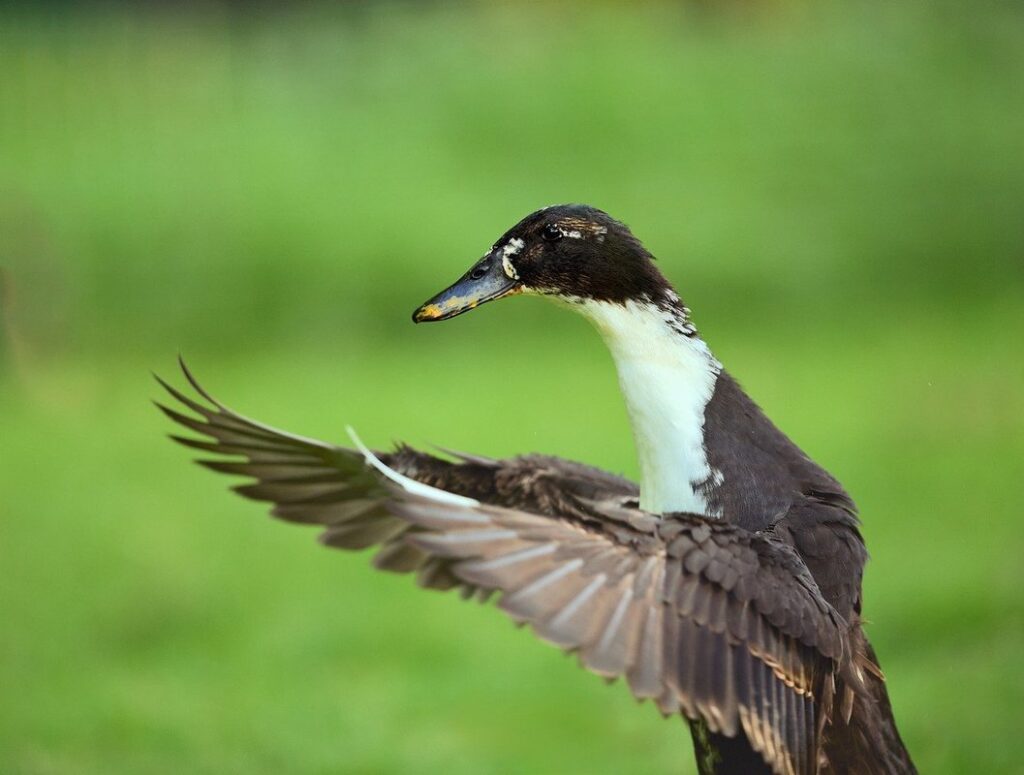
What Are Runner Ducks and Their Life Expectancy?
If you’re curious about the lifespan of runner ducks, you might be wondering what exactly these birds are and how long they can live in the wild versus as pets. Let’s dive into their characteristics and average life expectancy.
Origin and History of Runner Ducks
Runner ducks have a rich history that dates back to ancient times. These birds are believed to be the result of crossing European ducks with various types of Asian waterfowl, which was done by 18th-century English farmers seeking to create a more robust and hardy breed. This cross-breeding experiment resulted in a duck that excelled at foraging and running, hence its name “Runner”.
The runner duck’s popularity grew rapidly among duck enthusiasts due to its unique characteristics. It was valued not only for its meat but also for its impressive endurance and ability to thrive in challenging environments. During World War I, runner ducks were used as a food source on the front lines because of their hardiness and prolific egg-laying.
Today, runner ducks remain a sought-after breed among duck enthusiasts due to their adaptability and friendly nature. If you’re considering keeping runner ducks, remember that they thrive in areas with plenty of space to roam and forage.
Physical Characteristics of Runner Ducks
Runner ducks are known for their unique physical characteristics that set them apart from other duck breeds. One of the most notable features is their size – runner ducks typically weigh between 3-5 pounds and stand about 12-15 inches tall, making them a compact but energetic breed.
Their plumage is another distinctive feature, with males having a bright green head, yellow beak, and orange-red legs, while females have a more subdued brownish-green coloration. Their feathers are also relatively short and smooth to the touch, which helps them to dry quickly after swimming or bathing.
In terms of body shape, runner ducks have a sleek, streamlined physique that enables them to move quickly and efficiently through water. They have a long, narrow neck and legs that are well-suited for waddling and paddling. Overall, the physical characteristics of runner ducks make them an attractive choice for backyard farmers and enthusiasts looking for a low-maintenance yet entertaining pet.
If you’re considering bringing home a runner duck, be sure to provide plenty of space for exercise and swimming – they love to move around and will appreciate having a large enclosure or pool to enjoy.
Factors Affecting Lifespan
So, you’re curious about what can impact your runner duck’s lifespan. Let’s take a look at some key factors that can affect their longevity.
Genetics and Breed-Specific Traits
When it comes to determining the lifespan of runner ducks, genetics play a significant role. Different breeds of runner ducks have varying levels of longevity due to their genetic makeup. For instance, some breeds are bred for their rapid growth rate and high egg production, which can lead to shorter lifespans.
Breed-specific traits that may impact longevity in runner ducks include feather quality, egg-laying capacity, and body size. Ducks with dense, water-resistant feathers tend to live longer than those with light or brittle plumage, as they are better protected from harsh weather conditions.
For example, the Indian Runner duck breed is known for its high egg-laying capacity but has a relatively shorter lifespan of around 8-10 years compared to other breeds. On the other hand, the Khaki Campbell duck breed is bred for its excellent feather quality and has an average lifespan of 12-14 years.
If you’re considering raising runner ducks, it’s essential to research the specific breed you’re interested in and understand its genetic predispositions to longevity. By doing so, you can take steps to create a healthy environment that promotes a long and happy life for your feathered friends.
Nutrition and Diet’s Impact on Lifespan
When it comes to maintaining a healthy lifespan for our feathered friends, nutrition and diet play a crucial role. As a runner duck owner, you want to ensure that your bird is receiving the necessary nutrients to thrive.
A balanced diet should consist of high-quality commercial duck pellets as the main staple, supplemented with fresh vegetables, fruits, and grains. Leafy greens like kale and spinach are rich in iron and calcium, while carrots provide essential vitamins and minerals. Fresh herbs such as parsley and cilantro add flavor and antioxidants. In terms of supplements, a duck-specific multivitamin is recommended to fill any nutritional gaps.
It’s also essential to limit treats high in sugar and fat, which can lead to obesity and related health issues. Provide fresh water at all times, and ensure that your runner duck’s feeding area is clean and free from contamination. By following these guidelines, you’ll be well on your way to supporting a long and healthy lifespan for your beloved feathered companion.
Health Issues Common to Runner Ducks
Runner ducks can be prone to various health issues that impact their lifespan. Respiratory problems are one of the most common concerns for this breed. Runner ducks have a unique air sac system, which can make them more susceptible to respiratory infections and issues such as pneumonia. Regular vaccinations and maintaining a clean living environment can help minimize the risk of these issues.
Parasites like mites, fleas, and lice are also prevalent among runner ducks. These external parasites can cause discomfort, anemia, and even transmit diseases to your duck flock. Monitor your birds regularly for signs of infestation, such as excessive preening or skin irritation, and treat promptly if necessary.
Certain diseases like avian cholera, botulism, and Marek’s disease are also known to affect runner ducks. Avian cholera can cause sudden death, while botulism leads to neurological symptoms and paralysis. Marek’s disease is a viral condition that can lead to a range of symptoms from weight loss to seizures.
Maintaining proper hygiene, providing regular vaccinations, and monitoring your flock regularly can help prevent the spread of these diseases.
Environmental Factors Affecting Lifespan
As we explore the factors that influence a runner duck’s lifespan, let’s take a closer look at how environmental conditions play a significant role in their overall longevity.
Housing and Living Conditions
When it comes to ensuring your runner ducks live their best lives, providing a suitable environment is crucial. A well-designed housing system and ample living space are vital for maintaining the health and longevity of these beloved birds.
A good rule of thumb is to provide at least 3-4 square feet per duck inside the coop, with an additional 2-3 square feet per bird in the run area. This allows them to stretch their wings, exercise, and engage in natural behaviors without feeling cramped or stressed.
It’s also essential to consider the temperature and ventilation within the coop. Runner ducks are sensitive to extreme temperatures, so ensure that your coop is well-insulated and has adequate airflow to regulate the internal climate. A safe distance from predators and harsh weather conditions is also crucial for their overall well-being.
In addition to physical space, providing a clean and comfortable living environment will go a long way in promoting the health and happiness of your runner ducks. Make sure to regularly clean the coop, change bedding materials, and maintain proper hygiene practices to prevent disease and parasites from taking hold.
Climate and Weather Extremes
Runner ducks can be quite resilient, but extreme weather conditions can still take a toll on their lifespan. Temperatures that are either too high or too low can cause stress and make them more susceptible to disease. For instance, if the temperature drops below 40°F (4°C) for an extended period, runner ducks may experience respiratory issues. On the other hand, temperatures above 100°F (38°C) can lead to heatstroke and dehydration.
Humidity levels also play a crucial role in their comfort and health. Prolonged exposure to high humidity can cause fungal infections and skin problems, while low humidity can dry out their skin and make them more vulnerable to parasites. Weather events like hurricanes, floods, or droughts can be particularly challenging for runner ducks, as they may struggle to access food, water, and shelter.
To mitigate the effects of extreme weather on your runner duck’s lifespan, provide a safe and comfortable environment with adequate ventilation and shelter from harsh conditions. Keep an eye on temperature and humidity levels in their enclosure and adjust accordingly. Regular monitoring will help you identify potential issues early on, allowing for prompt intervention to prevent serious health problems.
Care and Maintenance for Optimal Lifespan
To keep your feathered friends thriving, it’s essential to establish a routine that includes regular cleaning of their enclosure, feeding schedule adjustments, and health checks. Proper care can significantly impact their lifespan.
Regular Health Checks and Vaccinations
Regular health checks and vaccinations are crucial to prevent and manage diseases in runner ducks. A healthy duck can live up to 10-15 years or more, but various illnesses can shorten their lifespan significantly. Annual veterinary check-ups are essential to monitor the duck’s overall health, detect any potential issues early on, and provide preventive care.
During a regular check-up, your veterinarian will inspect the duck’s physical condition, including its eyes, ears, beak, and feet. They will also examine the duck’s droppings for signs of disease or parasites. Additionally, your vet may perform blood tests to detect any underlying health issues.
Vaccinations are another critical aspect of maintaining your runner duck’s health. Consult with a veterinarian to determine which vaccinations are necessary based on your region, climate, and specific breed. Core vaccinations include Newcastle disease, Infectious Bronchitis, and Avian Influenza. Keeping your duck’s vaccination records up-to-date will help protect it from deadly diseases and ensure its long-term well-being.
Exercise and Stimulation
Providing adequate exercise and stimulation is essential for maintaining the physical and mental health of your runner ducks. A lack of activity can lead to a range of problems, including obesity, stress, and boredom. Runner ducks are social animals that thrive on interaction, so it’s crucial to create an enriching environment that meets their needs.
One way to provide exercise is through free-range access to a secure outdoor area. This allows your runner ducks to forage, dig, and engage in natural behaviors. You can also incorporate physical challenges such as obstacle courses or “mud puddles” filled with water and vegetation. For example, you could set up a mini-agility course using items like tires, cones, and hurdles.
It’s equally important to stimulate your runner ducks’ minds through mental stimulation. Provide them with puzzle toys filled with treats, rotate their environment regularly to prevent boredom, and offer a variety of perches and climbing structures. This will help keep them engaged and active throughout the day. By incorporating these tips into your care routine, you can help extend the lifespan of your runner ducks.
Record-Breaking Runner Ducks: Real-Life Examples
Let’s take a look at some truly remarkable runner ducks that have broken records for their speed and agility. You’ll learn how these impressive birds compare to average runner ducks in terms of lifespan.
Notable Cases of Long-Lived Runner Ducks
In recent years, several runner ducks have gained attention for their remarkable longevity. One such example is the story of “Doris,” a 14-year-old runner duck from Canada who set the Guinness World Record for the oldest living runner duck in 2018. Doris’s owner attributed her long lifespan to regular veterinary check-ups and a balanced diet rich in nutrients.
Another notable case is that of “Lola,” an Australian runner duck who lived to be 17 years old. According to her owner, Lola’s longevity was likely due to a combination of factors, including a spacious enclosure, plenty of fresh water, and a varied diet that included fruits and vegetables. Regular exercise and social interaction also played a significant role in maintaining Lola’s health.
The story of “Rocky,” an American runner duck who lived to be 18 years old, highlights the importance of genetic predisposition. Rocky’s owner reported that he was one of several siblings born to parents that were both long-lived. This suggests that genetic factors may have contributed to his exceptional longevity.
Interestingly, research has also shown that certain health conditions can actually increase a runner duck’s lifespan. For example, some studies suggest that ducks with chronic diseases such as obesity or heart disease may live longer than those without these conditions due to adaptations in their physiological responses. However, this is not a guaranteed outcome and should not be relied upon as a method for extending a runner duck’s lifespan.
While these cases are exceptional and may not be representative of the average runner duck, they do provide valuable insights into the factors that can contribute to longevity.
Conclusion: Tips for Extending the Lifespan of Your Runner Duck
In conclusion, the lifespan of runner ducks can vary depending on several factors such as diet, environment, and health conditions. To maximize your runner duck’s lifespan, it’s essential to provide a balanced diet that includes high-quality feed, fruits, and vegetables. Regular exercise is also crucial, so ensure your runner duck has access to a safe and secure enclosure where they can roam freely.
Additionally, providing regular veterinary check-ups will help identify any health issues early on, allowing you to take prompt action. Keep an eye out for signs of illness or injury, such as changes in behavior, appetite, or feather condition. By taking these simple steps, you can significantly extend the lifespan of your runner duck and enjoy their companionship for years to come. With proper care, some runner ducks have been known to live up to 10-15 years or more.
Frequently Asked Questions
Can Runner Ducks Live with Other Pets?
Runner ducks can live with other pets, but it’s crucial to consider their social needs. They are flock animals and prefer the company of others. Introducing them to other birds or pets should be done gradually, ensuring a smooth transition. Provide a large enough enclosure for them to roam freely, and ensure there’s no aggression from other pets.
How Do I Determine My Runner Duck’s Age?
Determining your runner duck’s age can be challenging, as their growth rate varies depending on factors like diet and living conditions. A veterinarian can help estimate their age based on physical characteristics, such as feather development and wing size. Keep accurate records of their weight, growth, and health issues to better understand their life stage.
What Are the Best Nutrition Practices for Runner Ducks?
Runner ducks have specific dietary needs that should be met with high-quality feed or a balanced diet. Supplementing with fruits, vegetables, and grains can provide essential nutrients. However, overfeeding can lead to obesity and related health issues. Consult with a veterinarian to determine the best nutrition plan for your runner duck based on its age, size, and activity level.
Can Runner Ducks Survive in Extreme Weather Conditions?
Runner ducks are adaptable birds but may struggle in extreme weather conditions like prolonged heatwaves or freezing temperatures. Provide them with adequate shelter, ventilation, and access to clean water. For hot climates, offer shade and mist their feathers during the hottest part of the day. In cold climates, ensure their enclosure is well-insulated, and provide a source of warm water.
What Health Checks Should I Regularly Perform on My Runner Duck?
Regular health checks are essential for maintaining your runner duck’s overall well-being. Monitor its appetite, droppings, and behavior daily. Conduct weekly checks for signs of illness or injury, such as labored breathing, swelling, or changes in feather condition. Schedule regular veterinary check-ups to ensure any potential issues are caught early on.