
When it comes to geese, many people are curious about their lifespan. Geese can live for quite some time, but the length of their life varies depending on several factors. If you’re wondering how long a goose lives in the wild versus a domesticated one, this article has got you covered. The average lifespan of geese is an important consideration for animal lovers and researchers alike.
In this post, we’ll explore the typical lifespan of geese, from their early years to old age. We’ll also delve into how diet, habitat, and human activities impact their longevity. Whether you’re a seasoned bird enthusiast or just starting to learn about these fascinating creatures, understanding their life expectancy can provide valuable insights into their behavior and needs. By examining the various factors that influence a goose’s lifespan, we can gain a deeper appreciation for these remarkable animals and their place in our world.
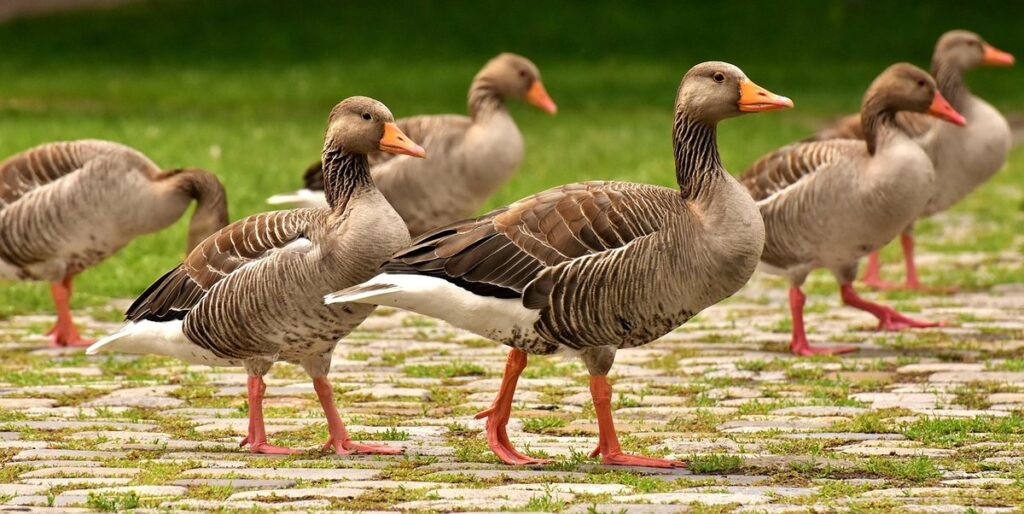
Introduction to Goose Lifespan
The lifespan of a goose is determined by various factors, including breed, living conditions, and overall health. Let’s dive into the average lifespan of geese in the wild versus domestic settings.
Understanding the Factors Affecting Goose Lifespan
A goose’s lifespan is influenced by a combination of genetic, environmental, and lifestyle factors. Genetics play a significant role in determining an individual goose’s longevity, with some breeds known to live longer than others. For instance, Embden geese are reported to have a lifespan of up to 20 years, while Chinese geese typically live for around 15-18 years.
Environmental factors such as climate, nutrition, and access to healthcare also impact a goose’s lifespan. Geese living in harsh climates or with limited access to nutritious food may experience a shorter lifespan compared to those in more favorable conditions. Additionally, regular veterinary check-ups can help identify potential health issues early on, allowing for prompt treatment.
Lifestyle factors such as diet, exercise, and social interaction also affect a goose’s lifespan. Geese require a balanced diet that includes a mix of grains, fruits, and vegetables. Providing adequate space for exercise and opportunities for socialization with other geese can help prevent stress-related health issues, ultimately contributing to a longer lifespan.
Importance of Knowing Goose Lifespan
Understanding the average lifespan of geese is essential for various reasons. As a responsible pet owner, knowing that geese can live between 20 to 30 years, depending on breed and living conditions, will help you plan for their long-term care and make informed decisions about your commitment to caring for them.
For conservation efforts, understanding goose lifespan is crucial in managing populations and developing effective conservation strategies. For instance, if a species of goose has an unusually high mortality rate due to habitat loss or disease, conservationists can focus on addressing these issues more effectively. Similarly, knowing the average lifespan of geese can help researchers study their life cycles, habits, and behaviors over time, providing valuable insights into their ecology.
When it comes to scientific research, understanding goose lifespan is essential for studying population dynamics, growth rates, and demographic trends. By accurately determining the lifespan of geese, scientists can refine their models and make more accurate predictions about future populations, ultimately informing conservation efforts and policy decisions.
Average Lifespan of Domesticated Geese
Let’s talk about the average lifespan of domesticated geese, as it can vary significantly depending on factors such as breed and living conditions.
Factors Influencing Domesticated Goose Lifespan
The lifespan of domesticated geese is significantly influenced by various factors, including diet, habitat, and health conditions. A well-balanced diet is essential for maintaining a healthy goose. Geese require access to clean water and high-quality feed that is rich in nutrients, vitamins, and minerals. For example, a diet consisting of 50% grasses, 20% grains, and 30% supplements can help ensure optimal health.
The quality of habitat also plays a crucial role in determining the lifespan of domesticated geese. A spacious enclosure with adequate shelter from harsh weather conditions, protection from predators, and access to sunlight is vital for maintaining the physical and mental well-being of geese. Regular cleaning and maintenance of their living area can help prevent health issues associated with poor sanitation.
Health conditions also significantly impact the average lifespan of domesticated geese. Vaccinations, regular veterinary check-ups, and prompt treatment of any illnesses or injuries are essential in preventing the spread of diseases and promoting a healthy lifestyle.
Comparison with Wild Geese Lifespans
Domesticated geese generally live longer than their wild counterparts. In fact, studies have shown that domesticated geese can live up to 20-30 years compared to an average lifespan of around 5-10 years for wild geese.
One reason for this disparity is the availability of food and water in domestic settings. Domesticated geese have access to a reliable source of nutrition, which contributes to their longer lifespan. Additionally, they are protected from predators and harsh weather conditions that can be detrimental to their health.
Another key factor is regular veterinary care. Domesticated geese receive regular check-ups and preventative care, such as vaccinations and deworming, which helps prevent diseases and infections. In contrast, wild geese often suffer from malnutrition, parasites, and injuries due to habitat loss and fragmentation.
To extend the lifespan of your domesticated goose, make sure they have access to a balanced diet, clean water, and regular veterinary care. Regular health checks can help identify any potential health issues early on, allowing for prompt treatment and preventing more severe problems from developing.
Factors Affecting Wild Goose Lifespan
So, you’re wondering what affects a wild goose’s lifespan? Let’s dive into some of the key factors that can impact how long these amazing birds live.
Environmental Threats to Wild Geese
Wild geese face numerous environmental threats that impact their populations and lifespan. One of the most significant human activities affecting wild goose populations is habitat destruction. As natural habitats such as wetlands, grasslands, and forests are converted into agricultural land or urban areas, geese lose their primary sources of food, shelter, and breeding grounds.
Habitat fragmentation also occurs when remaining habitats are isolated from one another by infrastructure development, making it difficult for geese to migrate, find food, or establish new populations. Additionally, hunting is a significant threat to wild goose populations, with many species being hunted for their meat, feathers, or eggs.
Climate change exacerbates these issues, altering the availability of food resources and disrupting migratory patterns. Rising temperatures also lead to changes in breeding and molting seasons, making it challenging for geese to adapt to these new conditions.
To mitigate these effects, conservation efforts focus on preserving and restoring natural habitats, promoting sustainable land-use practices, and regulating hunting practices. By taking a proactive approach, we can help ensure the long-term survival of wild goose populations and maintain their lifespan.
Disease and Predation in Wild Geese Populations
Wild geese populations face numerous threats to their lifespan, with disease and predation being two of the most significant factors. Avian cholera, for instance, is a major killer of wild waterfowl, including geese. This bacterial infection causes severe diarrhea, vomiting, and electrolyte imbalances, often leading to death within hours.
Predators such as coyotes, foxes, and hawks prey on goslings and adult geese alike, with varying degrees of success. Coyotes, in particular, have been known to target vulnerable gosling populations, often taking down entire broods at once. In some regions, humans are also a significant threat to wild geese, either intentionally through hunting or unintentionally through habitat destruction.
To mitigate the impact of disease and predation, it’s essential for wildlife enthusiasts to adopt responsible practices when interacting with wild geese. This includes keeping pets under control, avoiding areas known to harbor diseases, and reporting any sick or injured birds to local authorities. By taking these simple steps, we can help reduce the pressure on wild goose populations and promote their long-term survival.
Record-Breaking Cases of Long-Lived Geese
Some geese have lived remarkably long lives, defying the norm and pushing the boundaries of what’s possible for these amazing birds. Let’s look at a few record-breaking cases that will leave you in awe.
Examples of Long-Lived Domesticated Geese
In recent years, there have been several documented cases of long-lived domesticated geese that have shattered the average lifespan expectation. One such remarkable example is Luna, a Canadian goose who lived to be 32 years old. Her owner, a farmer, reported that she remained healthy and active until her passing, thanks in part to a balanced diet and regular veterinary check-ups.
Another notable case is that of Gertie, a domesticated white Chinese goose from the United Kingdom. She defied expectations by living for an astonishing 37 years. According to reports, Gertie’s longevity was attributed to her owner’s commitment to providing her with a stress-free environment and regular exercise.
These cases demonstrate that with proper care and attention, geese can indeed live well beyond their average lifespan. As a goose owner or enthusiast, it’s essential to recognize the importance of providing a healthy lifestyle for your feathered friends. This includes a balanced diet, regular veterinary check-ups, and opportunities for socialization and exercise.
Geese owners can take a cue from these record-breaking cases by prioritizing their bird’s well-being and making informed choices about their care. By doing so, they may be able to extend the lifespan of their geese, much like Gertie and Luna did.
Extraordinary Stories of Wild Geese Survival
Wild geese are renowned for their remarkable resilience and ability to thrive in even the most inhospitable environments. Take, for instance, the extraordinary tale of a wild goose named “Polly” who survived an astonishing 46 days at sea without food or water after being swept off course during a storm. Despite these extreme conditions, Polly managed to stay alive by drinking rainwater and feeding on seaweed.
Another remarkable case involves a group of geese that successfully migrated over 3,000 miles from Canada to Argentina, defying the harsh Arctic winds and icy temperatures along the way. This incredible feat is all the more impressive considering the average lifespan of a wild goose in their natural habitat is around 20-30 years.
These stories serve as a testament to the remarkable adaptability and perseverance of wild geese. As we explore the record-breaking cases of long-lived geese, it’s essential to remember that these birds are capable of pushing beyond the boundaries of what’s thought possible. By studying their incredible survival stories, we can gain valuable insights into the secrets behind their longevity.
In fact, research suggests that wild geese living in harsh environments tend to have higher mortality rates but also exhibit exceptional longevity when they do survive. For example, a study found that a small population of geese on a remote island had an average lifespan of 40 years, significantly exceeding the global average. This phenomenon is often referred to as “survival bias,” where only the most resilient individuals are able to reach old age.
Wild geese continue to captivate us with their remarkable ability to thrive in even the most challenging conditions. By studying these extraordinary survival stories and incorporating them into our understanding of goose longevity, we can gain a deeper appreciation for the resilience and determination of these incredible birds.
Factors Contributing to Goose Mortality
Several factors can contribute to goose mortality, including disease, harsh weather conditions, and human-related activities such as hunting and habitat destruction. These risks affect geese of all ages and species.
Common Causes of Death Among Domesticated Geese
When it comes to domesticated geese, several common causes of mortality contribute to their lifespan. Disease is one of the primary reasons for goose mortality. Respiratory issues such as avian cholera and blackhead disease can decimate a flock quickly if left unchecked. In addition to disease, injury also plays a significant role in the deaths of domesticated geese. Collisions with moving vehicles or other animals, entrapment in fencing, and improper handling by humans are all potential causes of serious injury.
Another critical factor is neglect. Geese have specific dietary needs that must be met for optimal health. A diet lacking essential nutrients can lead to a range of issues including vitamin deficiencies and metabolic disorders. Moreover, geese require regular exercise and social interaction to remain healthy. Without proper attention from their human caregivers, they can become listless and withdrawn, making them more susceptible to illness and injury.
To ensure the longevity of your domesticated geese, it’s essential to provide a safe living environment that includes adequate space for movement and exercise, nutritious food, regular veterinary check-ups, and gentle handling.
Threats Facing Wild Goose Populations
Wild geese populations face numerous threats that impact their survival and longevity. Climate change is one of the most significant concerns, as it alters their migratory patterns, habitats, and food sources. Rising temperatures are also affecting the timing of seasonal events, such as breeding and migration, making it challenging for geese to adapt. For instance, a study in the Arctic showed that warmer winters led to reduced survival rates among Canada Geese.
Habitat loss is another major threat, primarily due to urbanization and agriculture expansion. As natural habitats are converted into human-dominated landscapes, geese lose their breeding, feeding, and roosting grounds. This can lead to increased human-wildlife conflict, as geese may encroach on agricultural lands or residential areas in search of food.
Human-wildlife conflict is a significant concern, particularly during migration periods when geese congregate in large numbers near water sources. They may be hunted for sport or meat, and their habitats are often fragmented by human activities such as road construction and infrastructure development. To mitigate these threats, conservation efforts should focus on protecting and restoring natural habitats, promoting sustainable agriculture practices, and educating the public about coexisting with geese.
Conclusion: Understanding Goose Lifespan for a Better Future
Now that we’ve explored the average lifespan of geese, let’s discuss what this knowledge can do for you and our feathered friends. Understanding goose longevity is just the first step in making a difference.
Recap of Key Findings
In conclusion to our journey of exploring goose lifespan, let’s take a moment to recap the key findings. As we’ve seen throughout this article, the average lifespan of a domesticated goose is around 10-15 years, depending on various factors such as breed, living conditions, and overall health.
We discussed how certain breeds, like the Embden and Toulouse geese, can live up to 20 years or more with proper care. Conversely, some wild goose species, like the Snow Goose, have a relatively shorter lifespan of around 5-7 years due to factors such as harsh weather conditions and predators.
It’s also essential to note that regular veterinary check-ups, a balanced diet, and adequate shelter can significantly contribute to a goose’s overall health and longevity. Furthermore, providing geese with plenty of space to roam and engage in natural behaviors like foraging and socializing can help reduce stress and promote well-being.
By taking these factors into consideration, we can better understand the importance of responsible goose ownership and make informed decisions about our feathered friends’ care and management.
Call to Action for Responsible Goose Ownership and Conservation
As we’ve explored the fascinating world of goose lifespan, it’s essential to acknowledge the responsibility that comes with owning these magnificent birds. If you’re considering bringing a goose into your family as a pet, remember that they require specialized care and attention.
Responsible goose ownership means providing a safe and suitable environment for your feathered friend, including ample space to roam and exercise. Make sure to check local regulations regarding the keeping of geese as pets, and research their specific needs, such as a balanced diet and regular health checks.
Moreover, consider the impact on wild goose populations. Habitat destruction, hunting, and climate change are just some of the threats facing these incredible birds. You can make a difference by supporting conservation efforts through organizations dedicated to protecting waterfowl habitats and promoting sustainable wildlife management practices.
By adopting responsible pet ownership practices and contributing to conservation initiatives, we can ensure the long-term survival of goose populations and preserve their beauty for generations to come.
Frequently Asked Questions
How can I apply the knowledge of goose lifespan to my backyard flock?
If you’re raising geese in your backyard, understanding their average lifespan is crucial for making informed decisions about their care. Knowing how long a domesticated goose lives will help you plan for their long-term needs, such as providing suitable living arrangements and nutrition. You can also use this knowledge to identify potential health issues early on, ensuring the well-being of your feathered friends.
What are some common mistakes people make when caring for geese that affect their lifespan?
One common mistake is underestimating the space and social requirements of geese. Providing insufficient room or neglecting their social needs can lead to stress, which negatively impacts their overall health and longevity. To avoid this, ensure you provide a spacious enclosure with adequate shelter and companionship for your geese.
Can genetics affect the lifespan of domesticated geese?
Yes, genetics play a significant role in determining an individual goose’s longevity. Some breeds are known to live longer than others due to their genetic predisposition. For instance, Embden geese are reported to have a longer average lifespan compared to other breeds. Researching and understanding breed-specific characteristics can help you make informed decisions when selecting a domesticated goose for your flock.
How do environmental factors like disease and predation impact the lifespan of wild geese populations?
Environmental threats such as disease, predation, and habitat loss significantly impact the lifespan of wild geese populations. For example, avian diseases like avian cholera can spread rapidly among wild flocks, causing a significant decline in population numbers. Understanding these environmental factors is essential for developing effective conservation strategies to protect wild goose populations.
Can I use the knowledge from this article to estimate the age of a goose based on its physical characteristics?
While it’s challenging to accurately determine a goose’s age solely based on physical characteristics, there are some general guidelines you can follow. For example, geese typically reach their full size by 12-18 months and may exhibit signs of aging like worn feathers or weight loss after five years or more. However, these methods should be used as estimates rather than definitive indicators of a goose’s age.