
Are you waiting with bated breath for your duck eggs to hatch? You’re not alone! Many backyard chicken keepers and waterfowl enthusiasts want to know how long it takes for these precious eggs to crack open. The incubation period of duck eggs is a crucial factor in successfully raising healthy, happy ducks. But did you know that several factors can affect the length of time it takes for your duck eggs to hatch? From egg size and breed to temperature and humidity levels, there’s more to hatching duck eggs than just waiting. In this article, we’ll dive into the world of duck incubation, exploring the average incubation period, common issues that may arise, and expert tips on creating a perfect hatching environment.
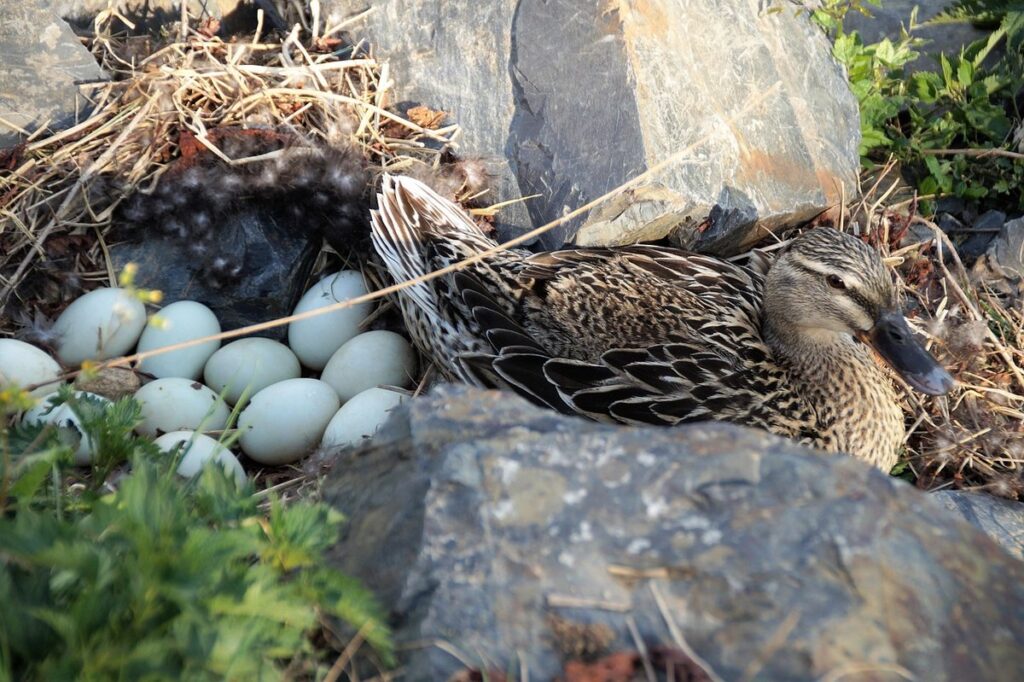
Understanding Duck Egg Incubation Period
If you’re wondering how long it takes for duck eggs to hatch, understanding their incubation period is crucial. Let’s dive into the details of duck egg development and hatching times.
Factors Affecting Incubation Time
When it comes to duck egg incubation time, several factors can influence the length of time it takes for the eggs to hatch. Breed is one such factor, with some breeds taking longer than others to incubate. For instance, Muscovy ducks tend to have a slightly longer incubation period compared to other breeds like Khaki Campbells or Wood Ducks.
The size of the egg also plays a significant role in determining incubation time. Larger eggs can take up to 10% longer to hatch than smaller ones due to the increased energy required for development. This means that farmers and backyard duck enthusiasts need to keep an eye on their flock’s overall health, nutrition, and breeding to produce eggs of optimal size.
Environmental conditions like temperature, humidity, and air quality within the incubator or nesting box can also impact incubation time. A stable temperature between 99°F to 100°F (37°C to 38°C) is crucial for proper embryonic development. Additionally, maintaining a relative humidity level of around 50-60% will help ensure healthy hatching rates.
Aim for an ideal environment and you’ll be well on your way to raising strong, healthy ducklings.
Normal Incubation Period for Duck Eggs
The normal incubation period for duck eggs is relatively consistent across most breeds. On average, it takes around 28 days from the date of laying to hatching, but this can vary slightly depending on factors such as egg size and breed.
For example, Muscovy ducks tend to have a longer incubation period of approximately 30-32 days, while Khaki Campbells typically take around 27-29 days. Factors like temperature fluctuations and humidity levels during storage can also impact the incubation period.
It’s essential to note that even with proper care and storage, some eggs may not hatch or may experience delays due to internal factors such as fertilization issues or genetic defects. Breeders often use artificial incubators to control temperatures and maintain precise conditions for optimal hatching rates.
When calculating the incubation period, it’s crucial to consider the date of laying carefully. The best practice is to count from the 28th day after laying, rather than the egg collection date. This ensures accurate estimates and allows breeders to make informed decisions about candling and potential issues during the hatching process.
Choosing the Right Breeds for Egg Laying and Hatching
When it comes to hatching duck eggs, choosing the right breed is crucial. In this section, we’ll explore popular breeds known for their prolific egg laying and successful hatch rates.
Popular Duck Breeds Suitable for Egg Production
If you’re looking to raise ducks for egg production and hatching, there are several popular breeds that excel in this area. One of the most well-known is the Khaki Campbell duck, which lays an impressive 300 eggs per year on average. These birds are known for their friendly and docile nature, making them a great choice for backyard farmers.
Another popular breed suitable for egg production and hatching is the Golden 300 Hybrid duck. As its name suggests, this breed produces around 300 eggs annually, with an incubation period of 28 days. They’re relatively small in size, making them a great option for smaller farms or backyards.
The Indian Runner duck is another breed worth considering, laying up to 200 eggs per year. These birds are known for their unique upright posture and high egg-laying capabilities, making them an excellent choice for those looking to raise ducks for both eggs and hatching.
Considering Size and Weight in Selecting Breed
When selecting a breed of duck for egg-laying and hatching, it’s essential to consider the size and weight of their eggs. This factor significantly affects the incubation time, as smaller eggs require less time to hatch than larger ones. Typically, the incubation period ranges from 28 to 30 days, but this can vary depending on the breed.
For example, Khaki Campbell ducks produce large, heavy eggs weighing around 110-120 grams, which take a bit longer to hatch – usually around 29-30 days. On the other hand, Meller Ducks lay smaller eggs that are about 60-70 grams and typically hatch within 28-29 days.
To choose the right breed based on egg size, consider your desired incubation time and the type of duck you’re keeping. If you prefer a shorter incubation period, opt for breeds like Meller or Welsh Harlequin. However, if you don’t mind waiting a bit longer, Khaki Campbell or Indian Runner ducks might be suitable options.
When selecting a breed, remember to factor in their egg size and weight to ensure a smooth hatching process. Research the specific breed’s characteristics to make an informed decision.
Preparing the Perfect Hatching Environment
To ensure a successful duck egg hatching, it’s essential that you create a warm and humid environment that mimics the natural conditions of a broody hen. Let’s explore how to prepare this perfect hatching environment together.
Nesting Box Requirements for Comfortable Incubation
When setting up a nesting box for your duck eggs, it’s essential to ensure that it meets the basic requirements for comfortable incubation. A well-designed nesting box will help promote healthy egg-laying and hatching habits in your ducks.
The ideal nesting box should be large enough to accommodate one or more ducks comfortably, depending on their size and breed. A good rule of thumb is to provide at least 2-3 square feet of floor space per duck. The box itself should be sturdy, easy to clean, and well-ventilated to prevent ammonia buildup from the droppings.
Proper lighting is also crucial for comfortable incubation. Natural light or a low-wattage red light can help regulate the ducks’ circadian rhythms and promote healthy egg production. A temperature range of 60°F to 70°F (15°C to 21°C) is ideal for duck eggs, as it helps slow down embryonic development until hatching.
To make your nesting box duck-friendly, add some soft bedding like straw or wood shavings, which will help keep the eggs clean and dry.
Maintaining Ideal Temperature and Humidity Levels
Maintaining ideal temperature and humidity levels is crucial for creating an optimal hatching environment for duck eggs. The temperature should be kept at a consistent 99-100°F (37-38°C) during the first 24 days of incubation, with slight variations between day and night temperatures. This precise range helps regulate the chick’s development and ensures that it emerges healthy.
Humidity levels also play a vital role in successful hatching. The ideal humidity level is around 50-60% until day 14, gradually increasing to 70-80% by the end of incubation. To achieve this balance, you can use a hygrometer to monitor the environment and adjust your setup accordingly.
A common mistake many beginners make is failing to maintain stable temperature and humidity levels, leading to irregular hatching times or even failed hatchings. To avoid these issues, ensure that your incubator is properly calibrated, and regularly inspect it for any signs of malfunction. By maintaining a precise control over temperature and humidity, you can significantly increase the chances of successful duck egg hatching.
Monitoring Egg Development and Signs of Imminent Hatching
As you wait for your duck eggs to hatch, it’s essential to monitor their development closely, keeping an eye out for signs that indicate imminent hatching is just around the corner. This section will guide you through what to look for.
Identifying Key Stages in Duck Embryonic Development
As you await the hatching of your duck eggs, understanding the key stages of embryonic development is crucial to tracking progress and anticipating the big moment. Duck embryos develop inside the egg over a period of 28 days, with several critical milestones marking their journey.
The first stage begins at around day 3-4, where the embryo starts forming from a small cluster of cells called the blastoderm. As it grows, the embryo differentiates into three primary layers: ectoderm, mesoderm, and endoderm. By day 7-8, these layers begin to organize into distinct tissues and organs.
Around day 10-11, the duckling’s heart starts beating, and its major organs take shape, including the liver, kidneys, and lungs. This period is also marked by rapid growth, with the embryo doubling in size every 24 hours. By day 20-21, the beak, wings, and tail start to form, while the eyes begin to move closer together. The final stage sees the duckling prepare for hatching, absorbing yolk sac remnants and positioning its wings for emergence.
Keep an eye out for these milestones, and you’ll know when to expect your ducklings to pip and hatch.
Recognizing Physical Signs Indicative of Impending Hatching
As you near the end of the incubation period, it’s essential to recognize physical signs that indicate a successful hatching process is imminent. These subtle changes can be a thrilling experience for duck breeders and enthusiasts alike.
The first sign of impending hatching is usually a decrease in egg turning frequency by the ducklings inside. This is because they start to move and position themselves under the air cell, preparing for emergence. You may notice a slight reduction in the number of turns required per day or even a complete stop in egg rotation.
Another crucial indicator is a slight increase in temperature fluctuations within the incubator. As the embryo develops, it starts to generate its own heat, causing the temperature to rise. This natural warming can be a sign that the ducklings are preparing for hatching.
Keep an eye out for increased pip marks or tiny holes on the shell’s surface – these are usually visible around 24-48 hours before hatching. This is the final stage of development, and the duckling is almost ready to break free from its eggshell.
Common Issues Affecting Incubation Time and What to Do
Sometimes things don’t go as planned, and your duck eggs may be taking longer than expected to hatch. This section will help you troubleshoot common issues that can affect incubation time.
Troubleshooting Factors Contributing to Delayed Hatching
If you’re experiencing delayed hatching with your duck eggs, there are several factors to consider. Temperature fluctuations can have a significant impact on incubation time. A consistent temperature between 99°F and 100°F is crucial for proper development. If the temperature drops or rises significantly, it may cause the embryo to stop developing or even die.
Inadequate humidity levels can also contribute to delayed hatching. The ideal humidity level in an incubator is around 50-60%. If the humidity is too low, the eggs may not develop properly, leading to delayed hatching. Conversely, if the humidity is too high, it can cause mold and bacterial growth.
Other factors such as poor egg handling, inadequate air circulation, or issues with the incubation equipment itself should also be considered. Regularly monitoring the temperature, humidity, and overall environment of your incubator can help identify potential problems before they affect your eggs.
To minimize the risk of delayed hatching, it’s essential to maintain a consistent environment and monitor your incubator regularly.
Best Practices for Reviving Stalled Embryos
When attempting to revive stalled embryos, it’s essential to act promptly and follow best practices. Start by carefully inspecting the egg for any visible signs of damage or neglect. This includes checking the shell for cracks, soft spots, or unusual colors. If you’ve detected any issues, gently remove the egg from the incubator and clean the area around the air cell with a cotton swab.
Next, consider the temperature and humidity levels in your incubator. Ensure that they’re within the optimal range (99-100°F and 50-60% relative humidity) to promote healthy embryo development. If you suspect that the issue lies in the incubator environment, try adjusting the settings or moving the egg to a more stable area.
To intervene, gently rotate the egg several times during the next 24-48 hours. This can help redistribute the embryo and alleviate any pressure on the yolk sac. Monitor the egg closely for signs of improvement, such as increased movement or a stronger heartbeat. If you notice no improvement after three days, it may be best to discard the egg to prevent further stress to the developing duckling.
Tips for Successful Duck Egg Hatching at Home
To ensure a successful duck egg hatching experience, consider these expert tips on creating a suitable incubation environment and monitoring your eggs closely. Let’s dive into some essential advice!
Essential Equipment and Supplies Needed for a Smooth Process
To successfully hatch duck eggs at home, you’ll need some specialized equipment and supplies. A good-quality incubator is a top priority – it should be able to maintain precise temperature and humidity levels within the optimal range for duck eggs (around 99-100°F and 50-60% relative humidity). Consider investing in an automatic turner or rotating egg trays if you’re hatching multiple eggs at once. You’ll also need a reliable thermometer, hygrometer, and a sanitation kit with gloves, spray bottle, and disinfectant wipes to maintain a clean environment.
Other essential supplies include a carton or tray for the eggs during transportation and storage, a waterer and feeder for your ducklings after hatching, and a brooder or heat lamp to provide warmth. Don’t forget about ventilation – proper airflow is crucial in an incubator to prevent respiratory issues in the developing embryos. Keep your incubator away from direct sunlight, drafts, and extreme temperatures, and always follow the manufacturer’s guidelines for maintenance and use.
In terms of sanitation, it’s essential to disinfect any surfaces or equipment that come into contact with the eggs or ducklings, including feeding and watering equipment. A good rule of thumb is to clean and sanitize everything at least once a day to prevent bacterial contamination.
Safety Precautions During the Incubation Period
When incubating duck eggs at home, it’s essential to maintain a safe environment for both you and the developing embryos. Bacterial contamination is a significant risk during this period, so take steps to prevent it.
To minimize the risk of bacterial growth, ensure that all equipment and surfaces are clean and sanitized regularly. Wash your hands thoroughly before handling eggs or incubators, and change the water in the incubator often to maintain optimal humidity levels. A good rule of thumb is to replace the water at least once a day, and always use fresh distilled water.
Another crucial aspect of maintaining a safe environment is controlling temperature fluctuations. Incubators can be finicky, so it’s vital to monitor them closely. Keep your incubator in a quiet, draft-free area away from direct sunlight or extreme temperatures. Avoid placing the incubator near heating vents or radiators, as this can cause the temperature to fluctuate.
It’s also critical to maintain proper humidity levels within the incubator. High humidity promotes bacterial growth, while low humidity can lead to dehydration of the embryos. Aim for a relative humidity level between 40-50% during the incubation period.
Frequently Asked Questions
Can I use a thermometer with a probe to monitor the incubation temperature accurately?
Yes, using a thermometer with a probe is an excellent way to ensure accurate temperature readings during duck egg incubation. This type of thermometer allows for precise monitoring of temperature fluctuations and helps maintain the ideal temperature range (around 99-100°F) necessary for successful hatching.
How can I determine if my duck eggs are developing normally, especially in the last few days before hatching?
Monitoring your duck eggs closely during the final stages of development is crucial. Look for physical signs such as pip marks (small holes), peeping sounds, and increased egg movement. These indicators suggest the duck embryo is preparing to hatch and can give you valuable insight into whether everything is going smoothly.
What should I do if my eggs take longer than expected to incubate due to factors beyond my control?
While it’s frustrating when things don’t go as planned, there are steps you can take to try and revive stalled embryos. Check your temperature and humidity levels to ensure they’re within the recommended range. If everything looks good, consider gently turning the eggs to prevent the embryo from becoming stuck in a fixed position.
Can I use an automatic egg turner during incubation, or is it better to hand-turn the eggs manually?
Using an automatic egg turner can be beneficial for busy backyard chicken keepers and waterfowl enthusiasts. These devices help ensure consistent rotation of the eggs, which can improve hatch rates and prevent developmental issues associated with uneven temperature distribution.
What are some common mistakes I should avoid when preparing my hatching environment to prevent incubation failure?
Some of the most critical errors to watch out for include maintaining inadequate or inconsistent temperature and humidity levels. It’s also essential to provide a clean, well-ventilated space for your duck eggs and ensure proper nesting box setup. By being mindful of these potential pitfalls, you can significantly reduce the risk of incubation failure and increase your chances of successful hatching.